Archery Quivers: Types, Fit and Buying Guide
Pick your quiver by four fit checks first: bow type, arrow diameter and length, carry position, and clearance at full draw, then choose the style that fits how you actually shoot. Get this wrong and you can end up with fletching contact, noisy arrows, awkward draw cycles, or extra fatigue on the range or in the woods. I break this down by quiver type, how I fit one to recurve or compound setups, and what tends to make sense for target, 3D, traditional, or bowhunting use, with notes from my own setup checks and club-range experience.[1][2][3]

Start here: choose by fit before style
The fast decision rule for beginners
If you hunt with a compound, start with a bow quiver and confirm cam, sight, and broadhead clearance before anything else. If you shoot target, field, or club rounds, start with a hip, side, or ground quiver because body-worn carry is faster between shots and does not change bow balance. That fit-first approach lines up with common equipment-safety guidance: accessories should not interfere with the bow’s working parts or with safe arrow handling.[1][2][3]
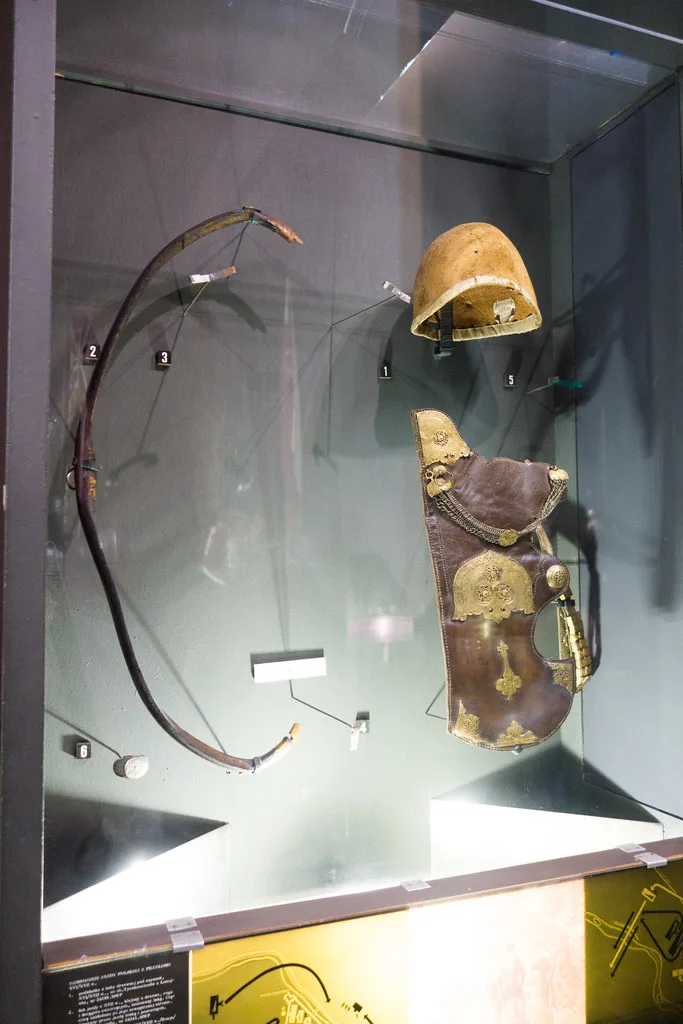
Back quivers have a place with some traditional setups, roving, and casual stump shooting.
When each quiver type makes sense
Bow quiver: Best for hunting, spot-and-stalk movement, and any setup where arrows need to stay with the bow. The tradeoff is added weight and the chance of sight, stabilizer, or cam clearance issues.[3]
Hip quiver: Best for target lines, lessons, field rounds, and coaching sessions. Arrows are quick to grab, and most models add pockets for tools, a scorecard, or a tab.
Side quiver: A traditional target variant of hip carry, usually with arrows angled behind the hip. Good mobility. Easy access. Belt attachment matters more than most buyers think.
Back quiver: Works for some recurve and traditional shooters who like over-the-shoulder carry while walking. Poor fit for most hunting and timed target use because draw speed varies and arrow security can suffer on steep ground.
Ground quiver: Great on the target line or at club practice. It keeps arrows off wet grass and dirt, and it removes all weight from the bow and your waist.
The four fit factors that matter before brand shopping
First, match the quiver to the bow type. Compound bows need careful clearance checks around cams, sights, rests, and stabilizers. Recurves need arrow length clearance and a mounting method that does not interfere with your grip or shelf.[3]
Second, match it to arrow diameter and length. Fat indoor shafts, slim hunting shafts, and long recurve arrows do not all sit the same in grippers or hoods. Shaft fit also affects retention and noise.[1][4]
Third, choose the right carry position. A quiver that looks fine online can feel wrong after two hours on a field course if the arrows point into your calf or sit too far behind your back. I notice this fastest on uneven 3D courses, especially with long recurve arrows.
Fourth, check clearance risk. The repeat offenders are broadhead hood mismatch, vane contact, cam contact on compounds, and sight interference on compact hunting bows. Those are setup issues, not just comfort issues, because contact with moving parts or exposed heads can create real safety problems.[1][2][3]
Should I choose a bow quiver or hip quiver?
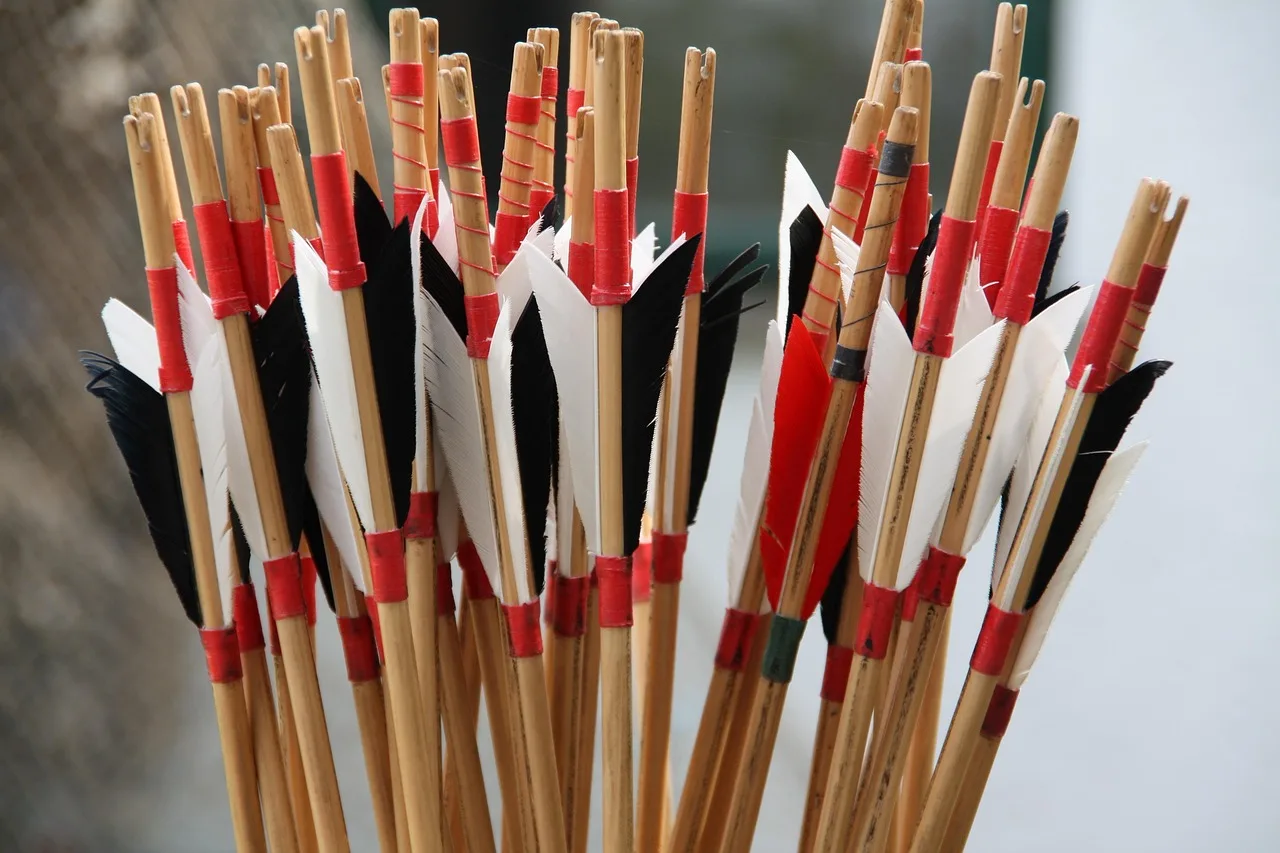
Choose a bow quiver if you hunt, still-hunt, or move a lot between shots and need the arrows attached to the bow. Choose a hip quiver if you shoot target, field, or practice rounds where fast, repeatable arrow access matters more than carrying everything on the bow.
Bow-mounted carry for hunting and mobile shooting
A bow quiver mounts on the riser or, on some setups, near the limbs. For whitetail hunting, this is still my default advice because the arrows stay with the bow in the stand, on the walk in, and during a quick position change.
The weak point is balance. Add a loaded 5-arrow quiver to a light hunting compound and the bow can want to roll or pull sideways at full draw. I see this more on short axle-to-axle bows with compact stabilizers, and manufacturer manuals commonly warn archers to verify accessory clearance after adding equipment.[3]
Noise matters too. A quiet hood alone does not fix a noisy system if the arrow grippers are loose or the bracket has play. When I help club members set up hunting bows, I shake the loaded bow lightly by the grip and limb pockets before we ever talk broadheads. That simple check is just practical troubleshooting, not a guarantee that a product will be silent in every setup.
Hip and side carry for target lines, field rounds, and coaching sessions
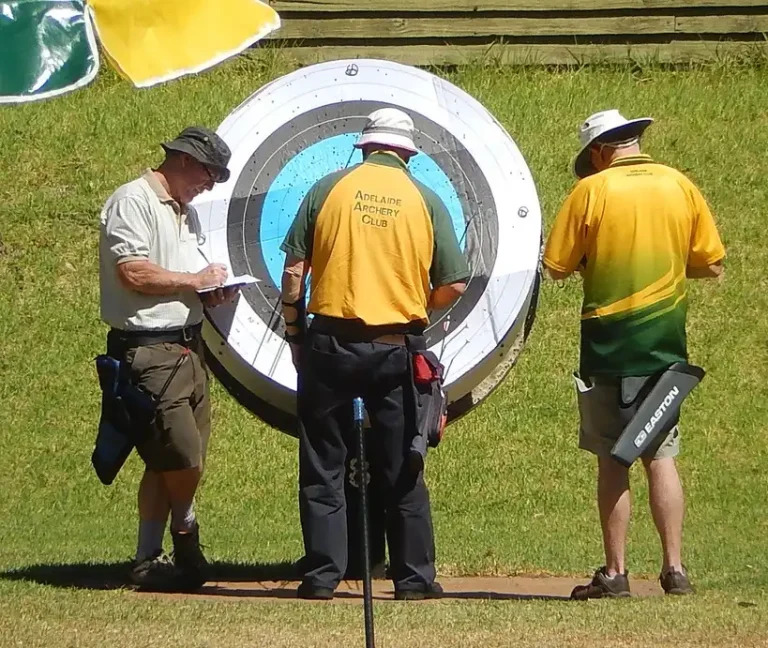
Hip quivers hang from a belt or waist strap at your draw-hand side, so the arrow comes out with a short, repeatable motion. Side quivers use the same basic carry, usually setting the arrows a little farther behind the hip at a target-friendly angle. Both are faster on the line than reaching over a shoulder.
If you shoot right-handed, most right-handed quivers are worn on the right side so your draw hand can grab an arrow cleanly. Left-handed shooters reverse that. This sounds obvious, but I have watched beginners buy the wrong orientation because they shopped by hand preference and ignored which hand actually draws the string.
On a flat club range that was only annoying; on a muddy field course it was enough to convince me that quiver orientation is a fit issue, not a cosmetic one.
Where back quivers and ground quivers fit
Back quivers are fine for traditional carry and casual walking rounds where style and freedom matter more than raw speed. They are less secure on rough ground, and seated access is poor. For hunting from a tree stand, I pass on them.
Ground quivers are underrated. On a range, they keep arrows organized, off the soil, and easy to grab without adding any bow weight. They are especially useful for barebow, recurve target practice, and club sessions where you are shooting many ends from one position.
Best lightweight quivers for stealth and portability
The Black Gold quiver review highlights a compact, low-profile option for hunters prioritizing reduced weight and noise over speed or cost. Its snug fit on many compound bows makes it ideal for minimizing movement in the field, though it sacrifices quick single-hand arrow access. If you hunt in dense cover or value discretion, this design’s balance of durability and stealth may outweigh its limitations.
For a detailed breakdown of fit, capacity trade-offs, and comparisons to other brands, the review includes a field-fit decision table and side-by-side specs—useful for narrowing choices when stealth is a priority.
How do I know if a quiver will fit my bow and arrows?
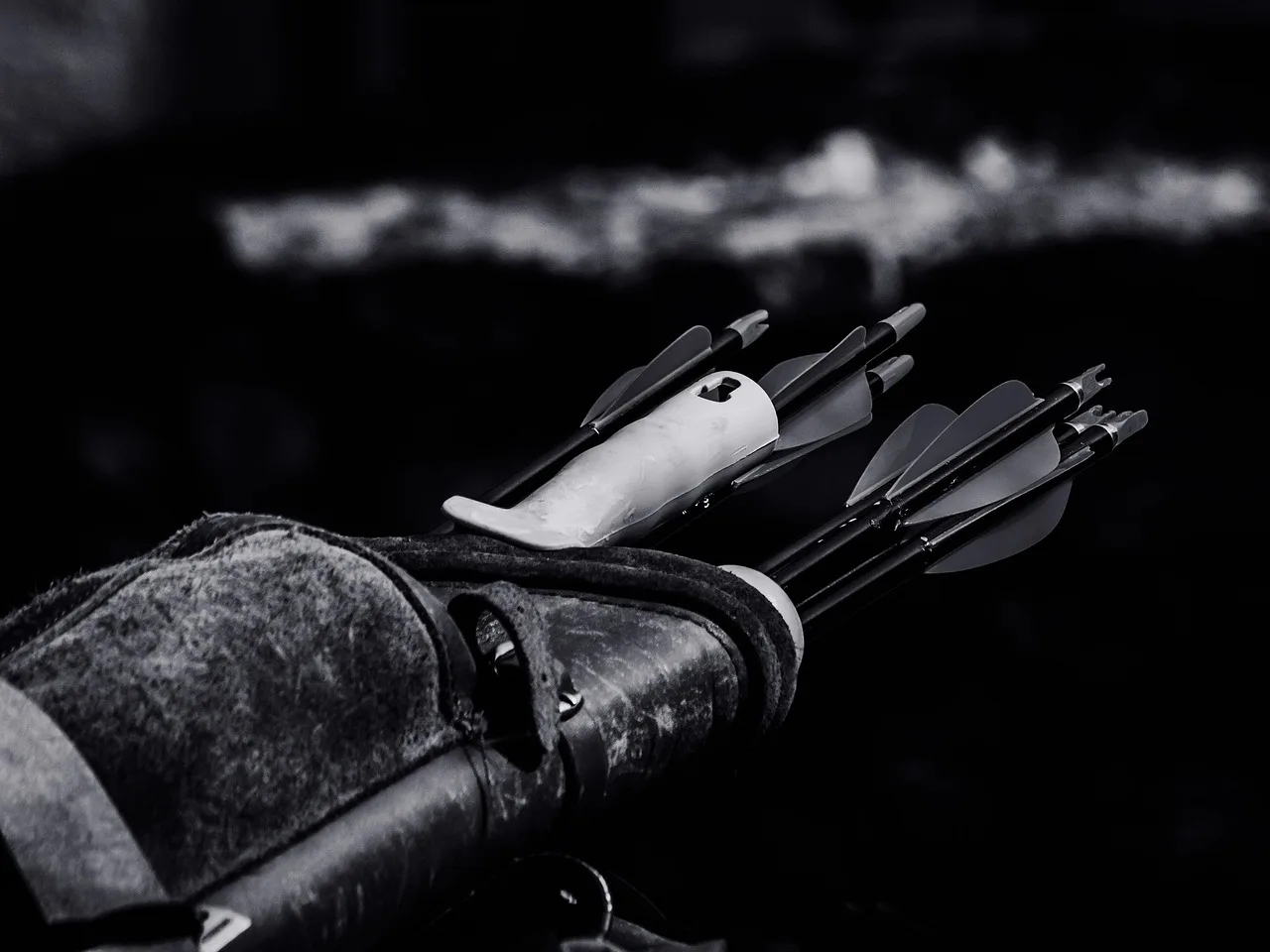
A quiver fits when the mounting system matches your bow, the hood accepts your broadheads and arrow diameter, the grippers hold your shafts without crushing them, and nothing touches cams, sights, rests, or vanes through the draw cycle. If any of those fail, it is the wrong quiver.[1][3][4]
Mounting pattern, riser or limb attachment, and handedness
Start with the bow. On compounds, check whether the quiver mounts to the riser or uses a limb-based system. Riser-mounted options are common and easier to align. Limb-mounted systems can work well, but I inspect them closely for movement and noise.
On recurves, attachment varies much more. Some field quivers clip to a belt. Some recurve bow quivers strap to the limbs. Others mount to threaded bushings on the riser. There is no universal standard, so I never assume cross-compatibility.
Handedness matters on body-worn quivers and some bow-mounted designs. A wrong-side hip quiver is annoying. A wrong-side bow quiver can interfere with access or sit awkwardly against sight and rest hardware.
Arrow length, shaft diameter, vane clearance, and hood depth
Long recurve arrows create fit issues before short compound arrows do. If your arrows extend far past the support points, they can waggle while walking or catch on clothing. On compounds, I pay close attention to vane clearance near the rest and sight bar.
Diameter matters in grippers. Fat indoor shafts may not seat well in grippers built around slimmer hunting arrows. Very slim micro-diameter shafts can rattle if retention is weak. I look for firm hold without forcing the shaft, which is also consistent with shaft-care guidance from arrow makers that caution against damaging carbon shafts or using visibly compromised equipment.[1][4]
Hood depth is the overlooked piece. Broadheads and long points need enough depth to sit fully protected. If the blades bottom out or sit proud of the hood, that is a hard stop for me because exposed broadheads are both an equipment-fit problem and a handling-risk problem.[1][2][4]
Broadhead length, fixed-blade width, and safe retention
Broadhead mismatch is one of the most common buying mistakes. A hood can accept field points just fine and still be wrong for a wide fixed blade. Check blade width, overall head length, and whether the hood shape leaves enough room around the ferrule. Broadhead manufacturers and quiver makers both tend to phrase compatibility in general terms, so I treat “fits fixed and mechanical” as a starting point, not proof for every head shape.[4][5][6][7]
For hunting setups, I want broadheads fully protected and arrows retained tightly enough that a slow climb, sidehill walk, or tree stand sit does not work them loose. Broadhead-friendly on a product page still needs a visual check against your actual head style and shaft length.[2][4]
Small setup mistakes snowball fast. Quivers are the same. Minor fit errors become daily annoyances, and sometimes safety issues, much faster than beginners expect.
Mathews vs Hoyt quiver: Which brand fits your bow best?
The comparison guide breaks down how Mathews and Hoyt quivers perform on their own bows and on cross‑brand setups. It evaluates mount spacing, hood clearance, front‑end weight, and the resulting noise and balance changes. Pricing differences and the specific hunting scenarios—like treestand versus ground‑blind—where each quiver shines are also covered. Knowing these details helps you avoid rattling, forward‑tilt, and uncomfortable holds that can ruin a day in the field. For a side‑by‑side look at fit, quietness, cost, and practical use, see the Mathews vs Hoyt quiver analysis.
Matching quiver brand to your bow riser
A Mathews quiver fits and balances best on a Mathews bow, while a Hoyt quiver mounts cleanly on a Hoyt riser. Mixing brands often creates problems with mount spacing, hood clearance, and front-end weight distribution. A mismatched setup can introduce unwanted rattle, tip the bow forward at full draw, and make holding steady in a treestand significantly harder.
Before swapping brands, verify the mounting bracket geometry and how the added weight shifts your balance point. Comparing Mathews versus Hoyt quivers reveals how noise levels, detachable mechanisms, pricing, and specific hunting applications differ between the two systems. Choosing the correct manufacturer match prevents costly fitment issues and keeps your bow quiet when it matters most.
When a brand-specific quiver outperforms universal options
The Mathews LowPro Quiver delivers its best results for hunters already running a compatible Mathews bow. Because it uses a proprietary mount rather than a universal bracket, the quiver sits tighter against the riser, shifting less weight outward and reducing vibration during the shot.
This integration matters if you prioritize bow balance over swapping gear between different rigs. The supporting breakdown covers fixed versus detachable versions, exact bow compatibility, and how the low-profile design changes carry feel in the field. If your setup matches the mount system, the tight fit justifies the cost; if you frequently switch bows, a universal option makes more sense. Evaluate whether this LowPro quiver review aligns with your current hunting configuration before committing.
Cross‑brand quiver compatibility: Mathews vs Hoyt
When you mix bow and quiver brands, the fit isn’t always obvious. The comparison breaks down the key factors that decide whether a Mathews quiver will work on a Hoyt bow—or vice‑versa—by looking at mount spacing, hood clearance, and front‑end weight. It also evaluates how mismatched setups affect noise, balance, and treestand comfort, and outlines the price differences and hunting scenarios where each brand shines. Understanding these details helps you avoid rattling, forward‑tilt, and reduced stability, ensuring your quiver choice supports accurate shooting and a smoother hunt. See the full side‑by‑side analysis in the Mathews vs Hoyt quiver guide.
Hoyt quiver fit and balance for hunting rigs
Choosing the right Hoyt quiver directly affects bow balance, point of impact, and fletching clearance in the field. A mismatched quiver shifts weight forward, making the rig feel nose-heavy from a tree stand and potentially causing arrows to scrape during the shot.
The Hoyt quiver review breaks down how the In-Line Accessory System distributes weight across specific models like the Superlite Stretch. It compares 4-arrow versus 6-arrow carbon configurations so you can match capacity to your hunting setup without sacrificing stability or paying for unnecessary bulk.
Elite Quiver Models and Buying Guide
Choosing the right bow-mounted quiver requires understanding specific model lineages, such as the popular Tech 4 four-arrow detachable compound system, and evaluating whether a used model offers actual savings over retail. Buying an incorrect version or an overly worn unit can negatively impact your arrow clearance and overall resale value.
To help you avoid costly mistakes, our comprehensive Elite quiver review breaks down legacy options, key specifications, and the exact conditions where a second-hand purchase still makes financial sense for your setup.
Matching quiver brand to your bow
A Mathews quiver fits and balances best on a Mathews riser, while a Hoyt quiver sits cleaner on a Hoyt bow. Cross-brand mounting often introduces rattle, shifts the front-end weight forward, and makes holding at full draw in a treestand noticeably harder.
Before mixing brands, check mount spacing, hood clearance, and how the added mass changes your grip pressure. The right pairing keeps the bow quiet and steady shot after shot. A detailed breakdown of noise, balance, detachable versus fixed options, and hunting-specific setups is covered in this Mathews vs Hoyt quiver comparison.
Matching quiver brand to your bow riser
A Mathews quiver balances best on a Mathews riser, and the same applies to Hoyt. Cross-branding is possible, but you must verify mount spacing, hood clearance, and front-end weight distribution first. A mismatched setup introduces rattle, tips the bow forward, and makes long treestand holds unnecessarily difficult.
Comparing Mathews vs Hoyt quivers covers noise levels, fixed versus detachable mounting options, pricing differences, and which configuration suits specific hunting setups. Matching the quiver manufacturer to your bow keeps the center of gravity stable and eliminates vibration transfer during the draw cycle, ensuring consistent accuracy when it matters most.
What a TightSpot quiver actually costs
The TightSpot quiver cost breakdown covers new retail pricing, which typically sits in the mid-hundreds, alongside the true first-year total once you factor in mounting hardware, rubber sleeve replacements, and potential used or open-box discounts. This guide clarifies why a “cheap” blind purchase can be more expensive than a planned one due to fit issues and missing components, while also outlining model differences and specific pros and cons. It identifies who benefits most from this specific quiver style and lists exactly where to buy and how to compare offers. This matters because understanding the full lifecycle cost helps you budget realistically, avoiding surprise expenses from wear parts and ensuring the quiver integrates smoothly with your specific bow setup without compromising balance or noise performance.
Carbon Fiber Quiver Pricing and Performance
Carbon fiber quivers typically range from $80 to $250, with total setup costs often reaching $120 to $320 when mounts and dampers are included. This material choice impacts weight distribution and noise levels, making the initial investment a critical factor for archers seeking optimal performance. The price gap usually reflects advanced manufacturing and vibration-damping features that standard aluminum or plastic models lack. Understanding these cost drivers helps you evaluate whether the premium price delivers tangible benefits for your specific hunting or target shooting needs.
carbon fiber quiver cost analysis reveals that hidden accessories often inflate the final price. Reviewing the full breakdown prevents budget surprises and ensures you select a quiver that balances durability with affordability.
What’s the difference between a recurve quiver and a compound quiver?
A recurve quiver has to account for longer arrows, simpler riser geometry, and more variation in carry style. A compound quiver is usually built around riser or limb mounting, broadhead protection, and tight clearance around cams, sights, rests, and compact hunting accessories.
Recurve quiver options: side, field, bow-mounted, and traditional carry
Recurve shooters often do well with side, hip, or field quivers because they avoid adding mass to the bow and can work well with longer arrows. For target and field use, that is where I start.
Bow-mounted recurve quivers can work, especially on hunting recurves or field setups with threaded risers. The fit check is simple: do the arrows clear the limb profile and stay accessible without crowding the shelf side of the bow?
Traditional styling matters to some archers, and that is fine, but I still choose function first. A beautiful leather back quiver is a poor pick if your real use is timed target shooting or still-hunting from a stand.
Compound bow quiver options: riser or limb mount, single-pin, and dual-pin
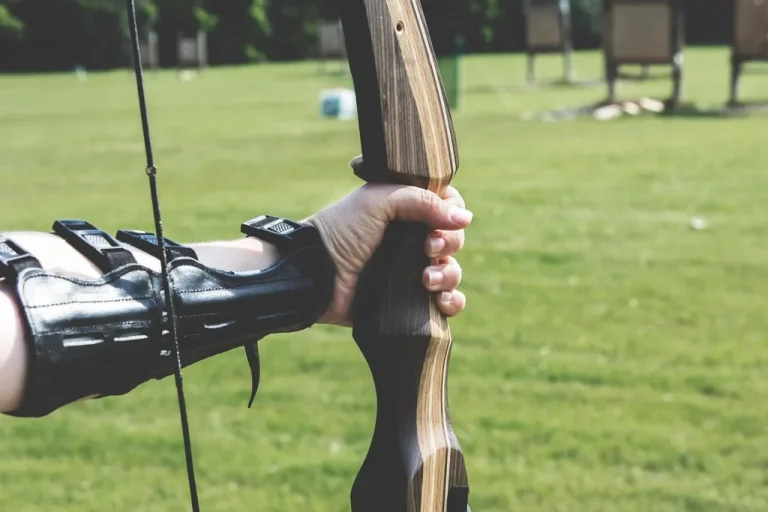
Compound bow quivers are built with hunting in mind. Most mount to the riser, though some use limb attachment. Their design priorities are low profile, broadhead protection, and quiet arrow retention while walking or climbing.
Single-pin quivers keep a minimal profile. They often hold fewer arrows, save a bit of weight, and reduce bulk against the bow. That makes sense on compact hunting compounds where every inch near the sight and cams matters.
Dual-pin quivers usually carry more arrows and separate shafts more securely. They tend to feel more stable with mixed shaft diameters or longer arrows, but they add bulk. On a short compound, you notice that.
Common clearance issues on each platform
On recurves, the common problems are arrow length overhang, awkward shelf-side placement, and carry styles that bounce during walking. On compounds, the big three are cam contact, sight bar interference, and vanes brushing the rest or cables because the quiver sits too tight or too low.[3]
After mounting any compound quiver, I check clearance with the bow at brace and again at full draw. I also look at the lower cam area from behind the bow. My usual test setup is a short outdoor club range or a garage paper-tune lane with hunting arrows installed and broadheads removed unless I need to verify hood fit separately. If the loaded quiver crowds the cam path at all, I move on.
Carbon Express vs Easton quiver comparison
Choosing between Carbon Express and Easton arrow quivers depends on your bow type and priority for weight versus stability. Carbon Express models typically offer lighter, simpler designs suited for compound hunters minimizing front-end mass, while Easton provides steadier mounting and broader compatibility that often benefits recurve archers or those needing versatile setup options.
A mismatched quiver can compromise bow balance, cause vane contact, or introduce noise that ruins a shot opportunity. This quiver brand comparison evaluates hunting weight, clearance, noise levels, and bow-specific fit to help you select the right system without trial-and-error guesswork.
How much arrow capacity do you really need?
Many hunters can get by with roughly 3 to 5 arrows rather than 6. Most target shooters want more easy access, which usually means a hip, side, or ground quiver rather than cramming extra arrows onto the bow. More capacity adds bulk, slows access, and can change balance more than beginners expect.
3-arrow, 5-arrow, and 6-arrow setups in real use
A 3-arrow setup is one of the leanest choices for mobile hunting. It carries small, moves quietly, and keeps the bow trim. The downside is obvious: less margin for a second shot, a practice arrow, or a damaged shaft.
A 5-arrow setup is a middle-ground option that I often recommend for compound hunting. It gives enough reserve without making the bow feel like a fence post.
A 6-arrow setup can be useful if you want extra separation, backup shafts, or broader practice carry in the field. The cost is more side weight, a larger hood, and slower arrow extraction on some designs.
Single-pin versus dual-pin quivers for hunting compounds
Single-pin quivers make sense when profile and weight are the top priority. They suit tight blinds, thick cover, and short hunting bows. Their limitation is capacity and, sometimes, less forgiving broadhead or shaft compatibility.
Dual-pin quivers are usually better if you want 5 or 6 arrows held with more support points. They manage separation well, which can reduce rattle if the fit is right, but they are not the sleekest option.
Why extra arrows can slow access and change balance
As capacity goes up, hoods get larger and shaft spacing tightens. That can make grabbing a single arrow with gloves slower. It also shifts more weight to one side of the bow. On lightweight compounds, I have seen archers chase sight tape or stabilizer changes when the real problem was simply too much quiver hanging off the riser.
Will a quiver affect bow balance or noise?
Yes. A mounted quiver changes the bow’s side balance, total mass, and how vibration travels after the shot. Noise usually comes from loose brackets, poor shaft retention, or broadheads moving in the hood, and lightweight hunting bows reveal those issues fastest.
How added quiver weight changes hold and front balance
Any bow quiver adds weight. In my hands, the effect is small on heavier target-style compounds and obvious on light hunting rigs. A loaded quiver can pull the bow to one side at full draw or make the bow tip differently after the shot.
On bare or lightly dressed recurves, the change feels even bigger. That is why I seldom push bow-mounted carry for range-focused recurve shooters unless they have a very specific field or hunting reason.
What causes quiver rattle, buzz, and arrow slap
Rattle usually comes from one of four places: loose mounting hardware, shafts that do not fit the grippers well, broadheads shifting in the hood, or arrows tapping each other because spacing is poor. Buzz can come from the bracket transmitting vibration into the riser.
The real issue was simple: skinny shafts in oversized grippers. A better fit stopped the rattle right away. That kind of result depends on the exact shaft, gripper, and mount, so I would not treat any “quiet” claim as universal without checking the actual interface points.[4][5][6][7]
How I check sight, stabilizer, and cam clearance after mounting
I run a short check every time:
- Mount the empty quiver and tighten all hardware.
- Install arrows and look for contact near the sight bar, rest, cables, and lower cam.
- Draw the bow safely and confirm no arrow or hood enters the cam path.
- Shake the bow lightly and listen for shaft movement.
- Shoot a few arrows and note any change in hold or follow-through.
If a quiver forces you to compromise sight position or stabilizer placement, it is a poor fit even if it technically mounts. I do this check with field points first, then repeat any hood-depth check separately with hunting heads installed and the bow un-drawn.[1][2]
Back quiver vs side quiver: how placement changes your shot
A side quiver gives faster arrow access, cleaner movement, and safer carry on the range or in the field. A back quiver suits traditional style and off-range use but can slow your draw or snag clothing if positioned poorly. Choosing between them directly affects shooting mechanics, comfort, and safety during recurve shooting or bowhunting.
The full breakdown covers fit, speed, hunting scenarios, and target archery to help you match placement to your discipline. Understanding these trade-offs prevents awkward range movement and keeps arrows secure when stalking game. Compare back vs side quivers to find which setup supports your specific draw cycle and terrain before committing to one style.
Assessing the Omen Archery Quiver’s Fit, Balance, and Noise
The Omen Archery Quiver review breaks down the model’s fit on common hunting bows, its impact on balance, how cleanly it clears broadheads, and whether it stays silent in a stand. It also compares price and feature set against other field‑ready quivers, and notes any fit quirks that could shift weight or snag accessories.
Understanding these factors helps archers avoid a quiver that throws off aim, adds unwanted noise, or forces costly replacements. For a detailed look at the Omen’s strengths and drawbacks, see the Omen Archery Quiver review.
Quiver fit checklist and beginner yes or no flow
Fit checklist table
| Quiver type | Best bow type | Carry position | Likely clearance risks | Typical capacity | Best-use scenario |
|---|---|---|---|---|---|
| Bow quiver | Compound, hunting recurve | Mounted on bow | Sight bar contact, stabilizer crowding, vane contact, cam clearance, broadhead hood mismatch | 3 to 6 arrows | Bowhunting, mobile shooting |
| Hip quiver | Recurve, compound target | Waist or belt | Wrong-side orientation, arrows hitting leg, weak belt clip | Usually 6 plus loose accessory storage | Target lines, coaching, field rounds |
| Side quiver | Recurve, traditional target | Hip or side | Poor belt attachment, arrows angled too far back, walking bounce | 4 to 6 arrows or more | Traditional target, field shooting |
| Back quiver | Traditional recurve, longbow | Over shoulder | Slow draw, dropped arrows on steep ground, poor seated access | Many arrows | Roving, casual traditional carry |
| Ground quiver | Any bow | Placed on ground | Needs stable footing, less useful when moving often | Several arrows | Practice, indoor ranges, club use |
| Single-pin bow quiver | Compact hunting compound | Mounted on bow | Lower capacity, hood fit limits with large fixed blades | 3 to 4 arrows | Low-profile hunting setup |
| Dual-pin bow quiver | Compound | Mounted on bow | More bulk near sight and cam area | 5 to 6 arrows | General hunting, backup arrows, better shaft separation |
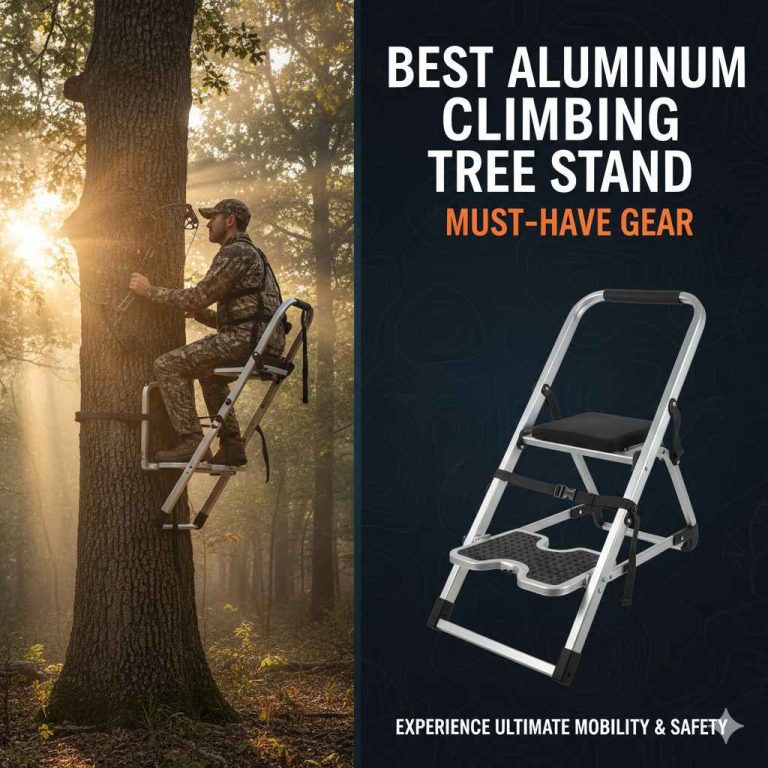
| Tree stand quiver | Compound, hunting recurve | Mounted or nearby in elevated setup | Awkward seated access, broadhead noise, bulky hood in tight stand rails | 3 to 5 arrows | Silent elevated hunting |
Beginner yes or no flow
- Do you hunt with the bow in your hands? Yes: start with a bow quiver. No: go to step 2.
- Do you mainly shoot target, field, or club rounds from a line? Yes: start with a hip, side, or ground quiver. No: go to step 3.
- Do you shoot traditional and want over-the-shoulder carry while walking? Yes: consider a back quiver, but skip it for stand hunting. No: go to step 4.
- Do you use broadheads? Yes: check hood depth, blade width, and safe retention before brand shopping. No: gripper fit and carry style matter most.
- Is your bow compact with a busy sight or stabilizer setup? Yes: lean toward a lower-profile bow quiver or body-worn carry. No: a standard 5-arrow bow quiver may fit well.
Red-flag fit problems to catch before you buy
If the product page does not clearly show the mounting method, I move on. If the hood shape is vague and you shoot fixed blades, I move on. If you cannot tell whether the body-worn model is left- or right-side oriented, I move on.
No quiver is universal. That claim falls apart fast when arrow length, shaft diameter, vane height, broadhead width, and carry side all start stacking together. Manufacturer fit notes and owner manuals are much more useful than one-size-fits-all marketing language.[3][4][5][6][7]
Our picks by need
Best bow quiver for compound hunting: APEX Reactor XL
Based on the listed specs and the Amazon price/date shown in the card, the APEX Reactor XL looks best suited to compound hunters who specifically want a 5-arrow metal quiver and are willing to trade some weight for a sturdier-looking build.[5][8] I would still verify total quiver weight, hood dimensions, and your exact broadhead fit before buying, because those details matter more than the upgrade label.
Best hip or side quiver alternative for target-minded hunters: Trophy Ridge 5-Spot
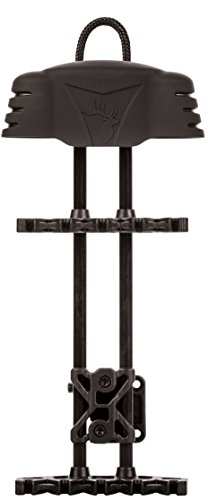
The Trophy Ridge 5-Spot appears to be the lower-cost bow-mounted option here based on the price shown in the card, with manufacturer-style claims centered on dual grippers and a softer hood.[6][8] I would treat it as a value pick only if your arrows fit the grippers correctly and your broadheads clear the hood, because budget quivers can be perfectly usable when the fit is right and frustrating when it is not.
Best recurve-friendly light carry crossover: Octane Furnace 4-arrow

The Octane Furnace stands out mostly for its lighter-looking 4-arrow format and multi-position idea on the manufacturer-style feature list, plus the relatively low listed price in the card.[7][8] I would view it as a fit-sensitive option for archers trying to keep bulk down, not as a guaranteed recurve or compound match, because mount position flexibility is not the same thing as verified clearance on your bow.
Best high-capacity quiet option: G5 Head-Loc 6-arrow

If you know you want 6-arrow capacity, the G5 Head-Loc has the clearest feature list for retention and broadhead use among the products shown here, with the listed rubber bracket and hood design doing most of the selling points.[4][8] I would still check actual hood dimensions against your fixed-blade width and confirm that a full 6-arrow load does not make your bow feel side-heavy.
Mistakes to avoid
Buying for style before fit
I see this with traditional gear all the time. Archers buy the carry style they like the look of, then try to force it into target or hunting use where it does not belong. Start with use case. Then fit. Style comes last.
Ignoring broadhead hood size and arrow diameter
A quiver that holds field points well can still be wrong for your hunting arrows. Check hood depth, fixed-blade width, and gripper fit for your shaft diameter before you buy. If you shoot carbon arrows, inspect shafts regularly and do not force damaged or poorly fitting arrows into retention systems.[1][4]
Choosing capacity that adds bulk you do not need
More arrows are not always better. A 6-arrow rig can be great for one hunter and miserable for another. If you only ever carry three arrows into a stand, do not hang six on the bow just because the quiver can.
Skipping a mounted clearance and noise check
Mount it. Load it. Draw it safely. Shake it. Shoot it. That five-minute check catches most bad pairings before they turn into a full season of annoyance. I have done this exact check on compact compounds, ILF recurves, and basic hunting bows, and it is still the fastest way I know to catch a bad fit before the first real outing.
Frequently asked questions
What type of archery quiver should I buy?
Buy a bow quiver for hunting and mobile shooting, a hip or side quiver for target and field rounds, a ground quiver for practice from one spot, and a back quiver only if you truly want traditional over-the-shoulder carry and accept slower, less consistent arrow access.
How do I know if a quiver will fit my bow?
Match the mounting system to your bow first, then check handedness, arrow length, shaft diameter, vane clearance, hood depth, and broadhead size. On compounds, confirm loaded clearance near the sight, rest, stabilizer, and both cams at brace and full draw.
How many arrows should a hunting quiver hold?
For most hunters, 3 to 5 arrows is the sweet spot. Three keeps the setup lean. Five gives better insurance without too much bulk. Six only makes sense if you know you want more backup shafts and your bow still balances well with the added side weight.
What should I check before buying a quiver for my arrows?
Check shaft diameter, overall arrow length, vane height, broadhead length and width, and whether the grippers and hood are built for that combination. If you shoot fixed blades, I would treat hood depth and blade clearance as must-pass checks before anything else.
Sources
- [1] Easton Technical Products, arrow safety and inspection guidance for carbon arrows and safe handling practices.
- [2] Archery GB, Rules of Shooting and range safety guidance on safe equipment use and arrow handling.
- [3] Bow owner manuals from major manufacturers such as Hoyt and Mathews, which instruct archers to verify accessory installation and ensure no contact with strings, cables, cams, or moving parts.
- [4] G5 Outdoors product information for the Head-Loc quiver and broadhead fit language, used here as manufacturer-supplied compatibility guidance rather than universal proof.
- [5] APEX product listing/specification information for the Reactor XL quiver, including materials and capacity claims.
- [6] Trophy Ridge product listing/specification information for the 5-Spot quiver, including gripper and hood claims.
- [7] Octane product listing/specification information for the Furnace quiver, including capacity and mounting-position claims.
- [8] Amazon product listings embedded above; all displayed prices are those shown in the cards as of 26 Sep 2026 and are subject to change.