Carbon Express vs Easton Arrow Quiver: Which Fits Best
Carbon Express can suit hunters who want a lighter, simpler quiver on a compound, while Easton may be the better pick if I care more about steadier mounting and broader setup options; for recurves, I tend to lean Easton unless I need the lightest possible rig. A bad quiver choice can throw off bow balance, bump into vanes or limbs, and add the kind of rattle that costs me a shot. I’ll compare both on hunting weight, clearance, noise, and which bow type each brand fits best.
This guide is part of our Archery quivers: types, fit and buying guide series.
Carbon Express vs Easton arrow quiver: the real trade-off


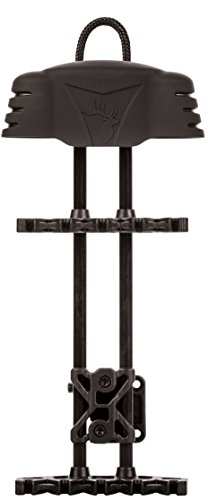
The trade-off is easy once I mount both on a hunting bow. Carbon Express usually feels leaner and less bulky, while Easton gives me more confidence in fit, hood protection, and how the quiver sits on different bows. I care about how the bow holds at full draw, because that is where a quiver earns or loses its keep.
| Decision factor | Carbon Express | Easton Arrow Quiver | Winner |
|---|---|---|---|
| Arrow capacity and bulk | Often leaner, usually easier to keep compact on a hunting bow | Commonly aimed at a broader carry setup, with more room for arrows and accessories | Carbon Express |
| Mounting style and removal | Can work well when I want a simple quick-detach or fixed-mount feel | Can give me more setup flexibility across top-mount and side-mount styles | Easton Arrow Quiver |
| Weight and balance on the bow | Typically easier to keep the front end light | Can add a steadier feel, but often asks more from the bow’s balance | Carbon Express |
| Noise control and hood design | Quiet when the clamp stays tight, but less forgiving if fit is off | Usually better hood protection and a calmer feel on fixed-blade heads | Easton Arrow Quiver |
| Best fit by bow style | Compound bows, especially lighter hunting rigs | Compound and recurve bows, plus setups where fit matters more than trim weight | Easton Arrow Quiver |
Arrow capacity and bulk
Carbon Express usually wins when I want less mass hanging off the riser. A 3-arrow or 5-arrow hunting quiver often feels easier to live with than a bigger setup, especially if I am crawling into a blind or slipping through timber.
Easton makes more sense when I want a little more room for spare arrows or broader setup options. That extra room can add bulk, though, and bulk is what I notice first when a bow starts to feel nose-heavy.
Mounting style and removal
Carbon Express is usually the pick when I want a straightforward attachment system and fast removal in the field. A clean quick-detach setup matters to me when I am climbing into a treestand and do not want gear snagging on my pack or seat belt.
Easton is the better bet when I want a quiver that works with more bow styles and mounting positions. I like that on recurves and some hunting compounds where hood placement and side clearance change the whole feel of the bow.
Weight and balance on the bow
Quiver weight can change how a bow holds at anchor.
Carbon Express usually gives me a lighter front end. Easton can still balance well, but if the quiver sits high, adds bulk, or hangs off the side too far, I notice more torque and more work from my bow hand.
Noise control and hood design
Noise and broadhead protection are not the same problem. A quiver can be quiet and still let a fixed-blade head touch the hood; it can also cradle the heads well and still rattle if the clamp is loose or the arrows shift under recoil and movement.
Easton’s hood design usually gives me more confidence in broadhead storage and vibration damping. Carbon Express can be quiet too, but it depends more on perfect fit and tight retention. A worn hood or a sloppy mount turns either brand into a noise maker.
Carbon Express vs Easton arrow quiver: which is quieter?
Easton is usually the quieter choice when I am talking about fixed-blade heads, hood contact, and vibration control. Carbon Express can stay quiet on a clean compound setup, but Easton gives me more forgiveness when the bow gets bumped, carried for hours, or shot in colder weather.
Rattle sources most hunters miss
Most rattle does not start in the hood. It starts at the clamp, the mount, or the loose fit between arrow shaft and gripper. I listen for a tiny click when I walk, then I shake the bow by the riser and by the quiver itself.
Hood contact, clamp tension, and arrow movement
If the hood material is too hard, broadheads can tap against it and make a dull knock. If the clamp tension is too weak, the quiver shifts under draw cycle and the arrows chatter. Tight is good, but too tight can wear the hood and make removal harder over time.
Cold-weather noise and wear points
Cold makes plastic stiffer and leaves some rubber parts less forgiving. That is where clamp slippage and hood wear show up first. I check every quiver at the truck before I head into the stand, because frozen fingers make small problems bigger fast.
Do Carbon Express and Easton quivers fit the same arrow sizes?
Not always. Both brands can work with common hunting shafts, but micro-diameter arrows, short arrows, and long inserts change the fit fast. Easton is usually the safer choice when I want more setup room, while Carbon Express is best when the arrows and heads match the quiver’s gripper cleanly.
Standard shafts versus micro-diameter shafts
Standard shafts are easier. Micro-diameter arrows can sit loose in some grippers and feel odd in others, which becomes a problem when I hike hard or the bow rides in and out of a truck. Fit should feel secure without crushing the shaft.
Short arrow and long insert problems
Short arrows with long inserts can make the hood feel cramped. The broadhead may sit too close to the hood wall, and that is where clearance problems start. I test by mounting the bow, drawing to full anchor, then checking whether the head stays off the hood and off the rest.
Fixed-blade head clearance and storage
Large fixed-blade heads need more room than field points or compact mechanicals. Easton usually handles this better in my hands because the hood and retention area feel more open. Carbon Express can still work, but I would be more cautious with large blades and short shafts.
Setup checklist and decision table
This is the part I use before a hunt. I check bow type, arrow length, broadhead style, and how the quiver feels after ten minutes at full draw. If any of these fail, I do not trust the setup in the field.
- Mount the quiver and shake the bow by the riser.
- Draw the bow slowly and check for sight and rest clearance.
- Look for broadhead contact with the hood.
- Walk with the bow and listen for clamp noise or arrow chatter.
- Check whether the bow feels front-heavy or twists in the grip.
- Confirm the arrows lock in without forcing the shaft.
| Bow type / hunt setup | Arrow length | Broadhead style | Better quiver choice | Likely failure point |
|---|---|---|---|---|
| Compound bow, treestand | Longer hunting arrows | Fixed-blade | Easton Arrow Quiver | Hood contact if the head sits too deep or the mount shifts |
| Compound bow, spot-and-stalk | Short to medium | Mechanical or compact fixed-blade | Carbon Express | Front-heavy feel if the quiver is too bulky |
| Compound bow, ground blind | Any hunting length | Fixed-blade | Easton Arrow Quiver | Clearance at the blind wall if the quiver sits wide |
| Recurve bow, treestand | Longer arrows are easier | Field point or compact head | Easton Arrow Quiver | Limb and hand clearance if the quiver sits too far forward |
| Recurve bow, spot-and-stalk | Shorter, lighter shafts | Compact head | Carbon Express | Clamp slippage if the fit is not exact |
Common failure points and how to spot them before a hunt
Hood wear shows up as shiny spots, soft edges, or a hollow tap when I press the head into place. Clamp slippage shows up when the quiver walks a little after each shot. Short-arrow fit and micro-diameter fit fail when the arrow can move without me meaning it to.
Fixed-blade clearance is the one I refuse to guess on. If the broadhead touches the hood, the bow, the rest, or the sight at full draw, I change the setup before the season starts.
Choose Carbon Express if… / Choose Easton Arrow Quiver if…
Carbon Express is the better fit when I want a lighter quiver on a compound, I run a compact arrow setup, and I care more about trimming bulk than getting the widest fit range. Easton is the better pick when I want steadier mounting, better broadhead storage, and more confidence across compound and recurve setups.
Choose Carbon Express if…
Choose Carbon Express if your compound already feels front-heavy, you hunt from a mobile setup, or you want a 3-arrow or 5-arrow quiver that stays out of the way. I would also lean that way if your arrows and heads already fit the hood cleanly and you do not need extra room.
Choose Easton Arrow Quiver if…
Choose Easton Arrow Quiver if you shoot a recurve, use large fixed-blade heads, or want more confidence in hood protection and broad setup options. I also prefer it for treestand hunting when I want the quiver to stay calm, quiet, and predictable after hours of movement.
Frequently asked questions
Which quiver is lighter, Carbon Express or Easton?
Carbon Express usually feels lighter on the bow. That does not matter much on paper if the bow holds poorly at full draw, but in my hand it matters a lot when I am crawling through cover or trying to keep a pin settled on a deer at 30 yards.
Which quiver is better for treestand hunting?
Easton is usually my pick for treestand hunting because it gives me steadier retention and better broadhead protection when the bow is hanging, leaning, and shifting around. If you climb with a very light compound and want minimal bulk, Carbon Express can still make sense.
Does quiver weight affect bow balance and tuning?
Yes. A heavier quiver can pull the bow front-heavy, increase torque, and change how the bow settles at anchor. I notice that more than most specs on a page, because a bow that feels wrong in the hand usually shoots worse for me, even if the paper tuning looks fine.
How many arrows should a hunting quiver carry?
Many hunters are well served by a small quiver, often around 3 to 5 arrows. I like 3 when I want the lightest, cleanest setup, and 5 when I want a little more margin for bad shots or a lost arrow. Six adds bulk fast, and bulk is the first thing I notice in tight cover.
What makes a quiver fail in cold weather or with broadheads?
Cold weather can stiffen the hood, loosen confidence in the clamp, and make tiny fit issues louder. Broadhead failure usually comes from contact, not from the broadhead itself. A worn hood, a loose mount, or a short-arrow setup with too little clearance will show that problem fast.
Are Carbon Express and Easton quivers worth the price?
They are worth it if the quiver fits the bow and the hunt. I would rather pay for a quiver that keeps my bow balanced, quiet, and clear of the rest than save a little money on one that rattles or shifts. The right quiver earns its place every time I draw on live game.