Best Quivers for 3D Archery: Based on Specs and Reviews
The best quiver for 3D archery is usually a lightweight hip or pack-style quiver with firm arrow retention, minimal rattle, and a draw angle that matches how you move on course; choose side-mounted for speed, back-mounted only if hiking matters more. A poor match slows arrow grabs, adds noise at the stake, and can throw off balance on steep shots. This guide shows how to pick the right quiver by arrow type, course movement, and carry style for compound and recurve use.
Quick comparison
| Product | Badge | Best for | Price | ||
|---|---|---|---|---|---|
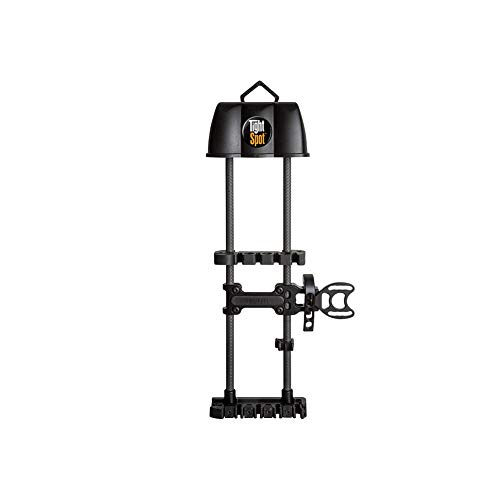 | TightSpot Quiver Hunting Shooting Archery LightweightTightspot | Our pick | 5-arrow · lightweight · right hand | $159.99 Price as of 2 Nov 2026 | View |
 | Trophy Ridge 5-Spot Archery Arrow Quiver, Realtree EdgeTrophy Ridge | Also great | 5-spot · lightweight · Realtree Edge | $48.50 Price as of 2 Nov 2026 | View |
 | ARusyna 5 Arrow Bow Quiver for Archery Universal HuntingARusyna | Budget pick | 5-arrow · quick detach · black | $21.99 Price as of 2 Nov 2026 | View |
 | Easton Flipside 4-Tube Hip Quiver, BlackEaston | Upgrade pick | 4-tube · adjustable · black | $59.99 Price as of 2 Nov 2026 | View |
Use the table that follows to separate fast walking-course choices from quieter, higher-carry options. Match the quiver to how you actually move between targets.
How we chose
The comparison below uses five checks that matter most in 3D archery: access speed, noise control, carry stability, arrow security, and whether the layout suits compound or recurve use. It also weighs tube count, belt or mount design, and whether the quiver adds useful storage without turning bulky.
A quiver can look fine on paper and still fail on course. If arrows bounce, pockets clatter, or the belt creeps while you bend, the setup costs time at every stake.
Quick picks
| Best for | Pick | Why it fits | Price |
|---|---|---|---|
| Fast walking-course access | TightSpot Quiver | Quick Draw system, dual arrow security, quiet carry | $159.99 |
| Budget compound or recurve use | ARusyna 5 Arrow Bow Quiver | Quick detach lock, holds up to 5 arrows, simple carry | $21.99 |
| Target or 3D crossover | Easton Flipside 4-Tube Hip Quiver | Reversible wear, adjustable belt, accessory rings | $59.99 |
| Budget bow-mounted option | Trophy Ridge 5-Spot Quiver | Dual grippers, Soft-Touch hood, quick detach bracket | $48.50 |
For most 3D archers, the best fit starts with carry style, then moves to tube count and arrow fit. A top-tier bow quiver can be excellent for hunting, but on a 3D course it can change balance and add snag points if the terrain is tight.
TightSpot Quiver: best for fast walking courses
The TightSpot Quiver fits archers who want a close, quiet carry and fast access without extra bulk. Based on the listed specs and buyer feedback, its Quick Draw system and secondary gripper are the main draw for 3D rounds where arrows must stay put while walking, turning, and kneeling.
It is a stronger match for compound archers who want a bow-mounted feel with better control than many basic mounts. The downside is simple: bow-mounted quivers can affect balance and draw rhythm, so they are less forgiving on courses with a lot of side steps, steep climbs, or tight brush.
Trophy Ridge 5-Spot Quiver: best for budget bow-mounted use
The Trophy Ridge 5-Spot Quiver is a practical budget option for archers who want quick mounting and basic noise control. Its adjustable dual arrow grippers, Soft-Touch hood, and quick detach bracket make it easy to understand for new buyers who want a bow-mounted quiver without paying premium pricing.
The main drawback is the same one common to most bow-mounted designs: it can change how the bow feels in hand and may catch more easily on thick brush than a hip quiver. It is a better fit for controlled movement than for courses with frequent kneeling and close barriers.
ARusyna 5 Arrow Bow Quiver: best for low-cost dual-use setups
The ARusyna quiver suits archers who want a simple, low-cost quiver that can work for compound and recurve bows. It holds up to 5 arrows and uses a quick detach lock, so it is easy to remove when the round calls for less clutter at the bow.
Its tradeoff is predictability rather than refinement. At this price, buyers should expect a straightforward build that may not feel as stable or quiet as higher-end options when the course gets rough or the arrows are bounced around during a long walk.
Easton Flipside 4-Tube Hip Quiver: best for target and 3D crossover
The Easton Flipside is a strong fit for archers who split time between target lanes and 3D courses. The reversible setup, adjustable belt, and accessory rings make it useful when a carry system needs to stay organized and easy to reach without attaching to the bow.
The drawback is bulk compared with lighter 3-tube layouts. A 4-tube hip quiver adds room, but extra structure can feel heavier on long walks and may be more than needed if the round only calls for a few arrows at a time.
Which one should you buy?
Pick a hip quiver first if speed, stability, and low snag risk matter most on walking courses. Pick a bow-mounted quiver only if you want the quiver on the bow and accept the balance tradeoff, which is more common for compound hunters than for pure 3D archers.
For a tight budget, the ARusyna is the simplest buy. For a more refined bow-mounted setup, the TightSpot is the strongest speed choice among the listed options, while the Trophy Ridge is the budget bow-mounted answer. If you split time between target and 3D, the Easton Flipside gives the most practical side-carry layout here.
Suppose a shooter carries six arrows for a 3D club round with steep hills and one short climb between lanes. A 3-tube hip quiver is usually enough. Add a fourth tube only if the extra arrows are actually needed, because unused capacity adds width and can catch brush.
3D quiver decision matrix
| Scenario | Access speed | Noise risk | Balance impact | Storage need | Arrow security | Best fit |
|---|---|---|---|---|---|---|
| Walk-only course | High | Low if retention is firm | Low with hip carry | Medium for scorecard and tools | High with gripper and tube fit | Hip quiver with 3 tubes |
| Steep or brushy course | Medium | Medium to high if arrows bounce | Low with side carry; higher with bow mount | Low to medium | High with tight tube and hood retention | Hip quiver with secure closure |
| Indoor or target crossover | High | Low if pockets stay quiet | Low | High for release aid and tools | High for fixed-point arrows | 4-tube hip quiver |
| Recurve-friendly setup | High | Low to medium | Low | Low to medium | High with correct tube diameter | Light hip quiver or back quiver only for tradition |
| Fit check | What to confirm |
|---|---|
| Arrow type | Field points or broadheads must fit the tube and hood without scraping |
| Tube count | 3 tubes for lighter carry; 4 tubes only if extra capacity is useful |
| Retention | Gripper holds shafts during walking, bending, and kneeling |
| Noise control | No loose pocket zips, rattling hardware, or loose tube fit |
| Carry style | Belt, quick-release buckle, leg strap, or bow bracket must stay stable |
Hip quiver, back quiver, or bow-mounted?
A hip quiver is usually the best all-around choice for 3D archery because it keeps arrows at the side, gives fast access, and stays stable while walking courses. Back quivers carry more like a pack and can look clean, but access slows down when bending, kneeling, or reaching around brush. Bow-mounted quivers are quiet and familiar for hunters, yet they can change balance and snag more often in 3D movement.
Hip quiver strengths for speed and stability
Hip quivers work well because the draw angle is predictable. That matters when an archer steps to a stake, bends, and needs one clean grab without twisting the shoulders too much. Many also include pockets and D-rings, which help keep a release aid or small tool close at hand.
Back quiver limits on bending and access
Back quivers offer higher capacity and a traditional look, but they are slower when the course requires frequent crouching or side steps. Arrows can shift as the body leans, and the over-the-shoulder reach is less consistent when a lane is tight or brush is close.
Bow-mounted quiver tradeoffs for 3D movement
Bow-mounted quivers are common for hunting because they keep arrows on the bow and often hold them quietly. For 3D, that convenience can turn into extra balance shift, more snag risk, and a different draw feel. They work best when the course is open and the archer wants the quiver off the belt.
How many tubes and how much capacity?
Most 3D archers do fine with 3 tubes unless they carry a large arrow mix or want separate space for practice and scoring arrows. A 4-tube quiver adds organization and capacity, but it also adds bulk. That tradeoff matters more on steep or brushy courses than on flat paths.
3-tube quivers for lighter carry
Three tubes are the common sweet spot for field and 3D use because they keep shafts separated without making the quiver wide. The SUNYA hip quiver uses three 16.5-inch tubes, and those tubes can hold 12 to 16 arrows. The SAMICK SPORTS quiver has three removable plastic tubes.
4-tube quivers for longer sessions
Four-tube designs suit archers who shoot long practice rounds or want better sorting between arrow types. The tradeoff is more bulk. The XTACER 4-Tube Back Quiver is designed for field practice with takedown bow storage, which fits a different use pattern than fast hip carry.
When arrow count matters more than bulk
Arrow count should match the round, not a guess. For many club 3D courses, a quiver that holds 6 to 12 arrows is enough. For longer practice sessions, more capacity helps, but only if the extra arrows do not interfere with movement or slow the draw.
What makes a quiver quiet?
Quiet carry comes from secure retention, solid tube fit, and hardware that does not chatter while walking. Noise often starts with loose arrows, then moves to zipper pull taps, pocket closure clicks, or a hood that lets a shaft bounce. Stiffer construction can quiet the quiver, but too much stiffness can add weight and bulk.
Retention and gripper systems
The retention system is the first defense against arrow bounce and rattling. A good gripper holds shafts at two points or with enough pressure that arrows do not jump when the archer climbs a hill or kneels at a stake. That matters for both safe transport and fast draw rhythm.
Arrow tube diameter and fit
Tube diameter should match the shaft and point style. Field points usually fit standard tubes more easily, while broadheads need more care because the edges must not rub or catch. Broadhead-compatible inserts or slots help protect the blades and reduce wear on the quiver opening.
Pocket closures and anti-rattle details
Storage pockets help only if they stay quiet. A pocket that holds an Allen key, release aid, or scorecard is useful, but a noisy zipper can be worse than no pocket at all. Look for closure designs that stay flat, resist bounce, and do not swing loose when walking.
Say your bow quiver is silent at the shooting line but starts tapping when you climb a rocky path. That is usually a retention or closure issue, not a bow issue. A firmer gripper, tighter tube fit, or better pocket closure often fixes the problem without changing the whole setup.
How do I choose between 3- and 4-tube quivers?
Choose 3 tubes if you want less bulk, faster movement, and enough separation for a normal 3D round. Choose 4 tubes if you carry more arrows, want better sorting, or spend long sessions on the range. The right answer depends more on how often you walk and bend than on brand name.
- Count the arrows you actually carry for a round.
- Check whether you shoot field points, broadheads, or both.
- Match tube diameter to shaft size and point style.
- Decide whether your course has steep climbs, brush, or tight lanes.
- Pick the lightest layout that still keeps arrows secure.
Do I need pockets on a 3D archery quiver?
Pockets are useful, but they are not mandatory. A release aid, a small tool, or a scorecard has to go somewhere, and pockets keep those items from bouncing around in a pack or pocket. That said, a clean, pocket-light quiver can be quieter and simpler if the shooter carries very little.
Best choice for compound archers
Compound archers usually do best with a hip quiver for 3D and a bow-mounted quiver when hunting is part of the same setup. The main issue is balance. A compound bow with a mounted quiver feels different at full draw, so the safer pick for most 3D rounds is side carry.
Best choice for recurve archers
Recurve archers often prefer a hip quiver because it keeps the bow hand and draw cycle free of extra weight. A back quiver can work for traditional style, but it is less practical when the course asks for quick access across uneven terrain. Arrow length and rest setup also matter, so the tube must match the shaft cleanly.
Best choice for budget buyers
Budget buyers should look for simple retention, a stable belt, and enough capacity for the round. The ARusyna and Trophy Ridge options cover low-cost bow-mounted needs, while the Easton Flipside gives a more course-friendly side carry if the budget can stretch higher.
Best choice for maximum speed
For pure speed on walking courses, a hip quiver with a firm gripper is hard to beat. The arrow sits close, the draw path is short, and the setup avoids the balance penalty of a bow mount. Speed only helps, though, if the quiver stays quiet while moving.
How to choose
Start with how you move on course, then match the quiver to arrow type and carry style. A flat course with open lanes rewards speed. A steep or brushy course rewards stability and quiet retention. Recurve shooters usually want lighter side carry, while compound shooters may accept a bow mount if the balance shift does not bother them.
Use this order when narrowing the choice:
- Pick hip, back, or bow-mounted based on movement.
- Choose 3 tubes for lighter carry or 4 tubes for more storage.
- Confirm tube diameter for field points or broadheads.
- Check grippers, closures, and belt or bracket stability.
- Only then compare pockets and accessory storage.
What often looks like a small fit issue becomes a repeated delay on course. A quiver that bounces, creaks, or shifts can cost more time than a higher-priced model with better retention.
Frequently asked questions
What is the best quiver for 3D archery?
The best quiver for most 3D archers is a lightweight hip quiver with firm arrow retention and quiet hardware. It gives fast access on walking courses and avoids the balance and snag tradeoffs that can come with a bow-mounted setup. Back quivers are usually a niche choice for tradition, not speed.
Should I use a hip quiver or a bow-mounted quiver for 3D shoots?
A hip quiver is usually the better 3D choice because it keeps arrows easy to reach while walking, kneeling, or turning on uneven ground. A bow-mounted quiver works better when off-bow carry matters less and the archer accepts some added weight and balance change at the bow.
How many arrows should a 3D archery quiver hold?
Most 3D quivers should hold enough arrows for the round plus a small buffer. Three tubes often cover typical needs, and many quivers fall in the 6 to 12 arrow range depending on design. If you shoot longer practice sessions or carry multiple point styles, extra capacity can help.
How do I stop my quiver from rattling while walking the course?
Start with the arrow retention system. A gripper that holds the shaft firmly is the main fix for bounce, then check tube fit, pocket closures, and any loose hardware. If the belt or mount shifts while walking, tighten that first, because movement in the attachment often creates extra noise.
What features make a quiver faster to access in competition?
The fastest quivers keep the arrows close, keep the draw angle consistent, and avoid extra clutter around the hand. Hip-mounted carry usually wins here, especially when the gripper holds arrows high enough for a clean grab but not so tight that removal feels awkward under pressure.
Which quiver works best for compound bow and recurve archers?
Compound archers often like bow-mounted quivers for hunting carry, but 3D is usually easier with a hip quiver because of the lighter balance. Recurve archers generally do best with a side quiver as well, since it keeps the bow simple and leaves the draw rhythm unchanged.
What makes a quiver comfortable for long 3D rounds?
Comfort comes from stable carry and sensible weight distribution. A good belt or quick-release buckle stops creeping, while a leg strap can help on active terrain. Keep the load light, because pockets, tubes, and hardware add up fast over a long round.
Are hip quivers better than back quivers for 3D archery?
Yes, for most archers they are. Hip quivers offer faster access, better control when bending, and less chance of awkward movement on steep or brushy lanes. Back quivers still have a place for traditional style and higher carry, but they are usually slower in competition-style 3D use.