Mathews LowPro Quiver Review: Is It Worth the Money?
I would recommend the Mathews LowPro Quiver for Mathews hunters who care about bow balance and a tight, integrated carry profile more than absolute convenience. If your setup matches the LowPro mount, it feels made for that bow; if you swap quivers often or run a mismatched rig, the money is easier to spend elsewhere.
This guide is part of our Archery quivers: types, fit and buying guide series.
Verdict: is the Mathews LowPro Quiver worth it?

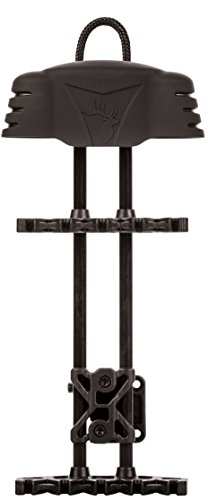

The Mathews LowPro Quiver is worth it when your bow already fits the LowPro mount and you want arrows tucked close to the riser. For me, that fit matters in a treestand and on a long stalk. If your setup fights the quiver, or you want the cheapest useful holder, I would pass.
My quick take on who should buy it
Buy the LowPro if you shoot a current Mathews hunting bow, leave your quiver on the bow, and care about how the rig carries in the hand. I would also point it toward hunters who feel side weight right away. The tighter fit and fixed mount make more sense there than they do for a casual range bow.
Why the tight fit matters on the bow
Mathews says the LowPro moves arrows closer to the riser than ever before, and that is the part that matters. Less outward bulk can help the bow feel narrower in brush and less awkward on a sling. In my hand, that change is about control, not magic.
When I would pass
I would pass if you run a bow that is outside the supported Mathews fit list, if you want to remove the quiver often, or if your sight and rest setup already pushes the front of the bow into a crowded state. I would also skip it if the price forces a compromise on optics or tuning work.
According to mathewsinc.com — The LowPro Fixed Quiver is sold in a fixed 6-arrow configuration.
What is the Mathews LowPro Quiver?
The Mathews LowPro Quiver is a Mathews bow quiver built for Mathews bows, with a compact profile meant to cut movement and keep arrows tight to the riser. The LowPro Fixed Quiver is listed at $199.99 USD, sold in a fixed 6-arrow configuration, and Mathews lists 19 reviews on the product page.
Right-hand and left-hand versions
Mathews lists right-handed and left-handed options for the LowPro Fixed Quiver. That matters more than it sounds like, because fit and arrow presentation are tied to how the bow sits in your hand.
Hood finish options and first-impression fit
The Fixed version is available in Black and Mossy Oak Bottomland, and there are also other hood finish options listed. The first impression is exactly what the name suggests: low. The quiver sits close, looks built into the bow, and avoids the bulky feel that pushes many hunters to detach theirs before every shot.
Fixed vs. detachable: which LowPro version fits your hunting style?
The Fixed LowPro is the better hunting call if you want one quiver on the bow, hunt from the stand or blind, and value a snug, repeatable feel. The Detachable version costs $249.99, and that extra money only makes sense if you truly want the option to strip the quiver off fast without changing your setup.
LowPro Fixed Quiver: best use cases
I would steer fixed-quiver hunters toward the Fixed LowPro when they leave the quiver on all season, hunt from tight setups, or want less movement on the bow while climbing and sitting. It keeps the bow consistent. That matters when cold fingers and layered clothing already make everything feel less precise.
LowPro Detachable Quiver: when the extra cost makes sense
The detachable design helps if you practice with the quiver off but hunt with it on, or if you want to reduce bow mass for target work between hunts. At $249.99, it is a convenience buy. If you never remove the quiver, I do not see the point in paying more for that option.
Weight, handling, and field convenience differences
The Fixed version favors steadiness and simple use. The Detachable version favors flexibility. In the field, the difference shows up most when you are threading through brush, getting in and out of a treestand, or taking awkward shots where the bow’s side profile can bump gear, bark, or a stand rail.
What bows is the Mathews LowPro Quiver compatible with?
Mathews says the LowPro Quiver is built exclusively for ARC, LIFT X, LIFT XD, LIFT RS, LIFT, Phase4, Image, and V3X. Mathews also says the quivers are engineered around ARC and LIFT geometry. That is a focused fit list, not a universal one, so I would treat it that way.
ARC family fit
The ARC family is the core fit target for the LowPro line, and that is where the geometry makes the most sense. If you run an ARC bow, the compact hold and close-in arrow position line up with what Mathews appears to have built this system around.
LIFT family fit
The LIFT family is included in the built-exclusive compatibility list, and that matters because current Mathews hunting bows often need accessory choices to work around modern riser geometry. On a LIFT, the LowPro is less a random add-on and more part of the intended package.
Phase4, Image, and V3X compatibility notes
Mathews includes Phase4, Image, and V3X in the compatibility list, but I would still check your sight, rest, and quiver side before buying. A bow can be compatible on paper and still feel crowded once you add a Bridge-Lock sight or a bulky rest housing.
Does the LowPro actually improve balance and vibration?
Yes, but I would frame it as a feel change first and a performance gain second. Moving arrows closer to the riser can reduce the way the bow torques in the hand and may calm the carry feel. The vibration reduction claim matters most when the quiver stays on the bow all season.
How moving arrows closer to the riser changes feel
With arrows tucked tighter, the bow feels less top-heavy and less side-loaded when you carry it at your side or hold at full draw. I notice that sort of change most in a treestand, where the bow hangs longer and any extra bulk starts to feel annoying fast.
What I expect to notice in hand versus at full draw
In hand, the LowPro should feel narrower and easier to settle. At full draw, the main benefit is less clutter and less distraction from the quiver sitting outboard. If your bow already tunes cleanly, I would not expect a dramatic paper-target change.
Where the vibration claim matters most
The vibration claim matters most on bows that already shoot cleanly and just need accessories that do not add noise or movement. If you hunt from a blind or treestand, that quiet, compact carry is valuable. On an open-country stalk, the lower profile also helps keep the rig from snagging.
Mathews compatibility and use-case matrix
| Bow model | Fixed or detachable recommendation | Handedness | Arrow count | Accessory conflicts | Balance impact | Who should skip it |
|---|---|---|---|---|---|---|
| ARC family | Fixed for hunting; detachable only if you remove it often | Match your bow hand | 6 | Watch crowded sight bars and tall rest housings | Best-fit use of the LowPro geometry; strongest carry payoff | Skip if you want a universal quiver across multiple bows |
| LIFT X / LIFT XD / LIFT RS / LIFT | Fixed if you hunt with the quiver on; detachable if you tune bare-bow often | Right-hand or left-hand versions available | 6 | Bridge-Lock Sight System and Ultrarest Integrate MX2 need layout checks | Tighter side profile, less outboard weight | Skip if your front-end accessory stack already feels crowded |
| Phase4 | Fixed for stand and blind use; detachable for mixed practice/hunt routines | Match your bow hand | 6 | Check sight clearance and broadhead orientation on broad rigs | Noticeable on carrying and hanging the bow; modest at release | Skip if you want the lowest-cost functional option |
| Image | Fixed if you want a dedicated setup | Match your bow hand | 6 | Accessory stack can get tight with large housings | Clean, compact fit if the rest of the bow stays slim | Skip if you swap rigs between target and hunt modes |
| V3X | Only if your exact setup matches the LowPro fit path | Match your bow hand | 6 | Older layout may be better served by a simpler detachable quiver | Can help, but not every V3X setup gets the full LowPro benefit | Skip if you cannot confirm exact fit before buying |
Accessory conflicts: Bridge-Lock Sight System and Ultrarest Integrate MX2
Mathews says the LowPro Fixed Quiver is designed for use with Bridge-Lock Sight System and Ultrarest Integrate MX2. That is good news, but I still treat it as a layout question, not a blank check. Sight rail position, rest arm shape, and broadhead height can still create awkward spacing.
Failure cases I would check before buying
I have seen quiver problems come from missing hardware, awkward broadhead indexing, and even upside-down mounting attempts people try when the first setup does not look right. None of that is a quiver flaw by itself. It is what happens when fit and accessory stack are not checked first.
Pros and cons of the Mathews LowPro Quiver
The LowPro makes the most sense as a fit-and-balance purchase, not a pure accessory upgrade. If your Mathews bow already lines up with the mount, it can clean up the carry feel. If it does not, the price buys less than the marketing suggests.
Pros
- Very compact on the bow
- Built for Mathews ARC, LIFT, Phase4, Image, and V3X fit paths
- Fixed 6-arrow configuration keeps the setup simple
- Right-hand and left-hand options
- Works with Bridge-Lock Sight System and Ultrarest Integrate MX2 in the intended setup
Cons
- More expensive than basic detachable quivers in many cases
- Fit is narrow, so not every Mathews bow owner should assume it is the right buy
- Fixed version gives up easy removal
- Accessory crowding can still happen with some sight and rest combinations
- The Fixed page is currently sold out, which can slow down a purchase
Frequently asked questions
Is the Mathews LowPro Quiver worth it?
It is worth it if your Mathews bow fits the LowPro system and you care about a tighter, quieter carry feel. If you want the quiver to come off often, or your setup already feels crowded, the value drops fast and a cheaper detachable model makes more sense.
What is the difference between the LowPro Fixed and LowPro Detachable Quiver?
The Fixed version stays on the bow and costs $199.99, while the Detachable version costs $249.99 and is made to come off more easily. I would choose Fixed for hunting consistency and Detachable only when I truly want quick removal for practice or transport.
How much does the Mathews LowPro Quiver cost?
The LowPro Fixed Quiver costs $199.99 USD on Mathews’ product page. Mathews lists the LowPro Detachable Quiver at $249.99. That price gap is hard to justify unless you will use the detachable design often enough to matter in the field.
Does the LowPro Quiver reduce vibration and noise?
Mathews says the LowPro brings arrows closer to the riser than ever before, and that tighter layout should help with feel and carried noise. I would treat it as a real but modest field benefit, not a cure for a noisy bow or a bad tune.
Will the LowPro Quiver fit a Lift, Phase4, Image, or V3X bow?
Yes, Mathews includes LIFT, Phase4, Image, and V3X in the LowPro Fixed compatibility list. Even then, I would confirm the side of the bow, your sight choice, and rest clearance before ordering, because a clean fit depends on the whole accessory stack.
Does the LowPro Fixed Quiver work with Bridge-Lock sights and the Ultrarest Integrate MX2?
Mathews says the LowPro Fixed Quiver is designed for use with Bridge-Lock Sight System and Ultrarest Integrate MX2. That is a strong compatibility signal, but I still recommend checking exact placement. Broadhead height and sight housing shape can change the final fit.
How many arrows does the Mathews LowPro Quiver hold?
The LowPro Fixed Quiver is sold in a fixed 6-arrow configuration. That is enough for most hunting use, and I like the simplicity. If you want extra arrow capacity for practice or backup points, this is not the quiver I would buy.