How to Enter a US Archery Tournament Without Mistakes
To enter a US archery tournament without mistakes, register before the deadline, pick the correct division and class, and bring any required proof of age, membership, and equipment details. Missing one form or choosing the wrong division can mean late fees, a denied start, or scoring problems on tournament day. This guide covers registration, required documents, equipment rules, check-in, and scoring so your first entry stays clean.
What you’ll need


- Event listing or invitation with date, location, and contact name
- Registration form or online entry confirmation
- USA Archery membership proof if the event requires it
- Proof of age if the division or age class asks for it
- Bow, arrows, quiver, and a bow stand
- At least six arrows
- Basic tools for your setup, plus spare nocks, string wax, and an Allen key set if your bow uses them
- Water, snacks, and lunch
- Chair or stool, sun block, hat, and weather layer
- Target scorecard holder, pencil, and a backup pen
- Closed-toe shoes and clothing that fits the event dress code
Before you register
Start with the event listing, then confirm whether it is a USA Archery sanctioned tournament. Most tournaments require advance registration. The listing should also tell you whether membership is required, which divisions are offered, and who handles questions before the entry deadline.
How do I register for a US archery tournament?
Open the event entry form, choose the correct division, age class, and bow class, then submit it before the deadline. If the form is downloadable, fill it out completely and keep a copy. If anything is unclear, contact the organizer before paying.
Do I need USA Archery membership to enter a tournament?
Sometimes yes, sometimes no. Sanctioned events may require USA Archery membership for eligibility, while some local club shoots do not. Check the event listing first. If the listing is unclear, ask the organizer before you send the form so you do not show up in the wrong category.
What should you check before tournament day?
Confirm the dress code, bow class, and any equipment limits before you leave home. Verify that your arrows match your division and that your bow is legal for the event. Put membership proof, your entry confirmation, and a backup copy of the form in the same bag.
Archery tournament checklist
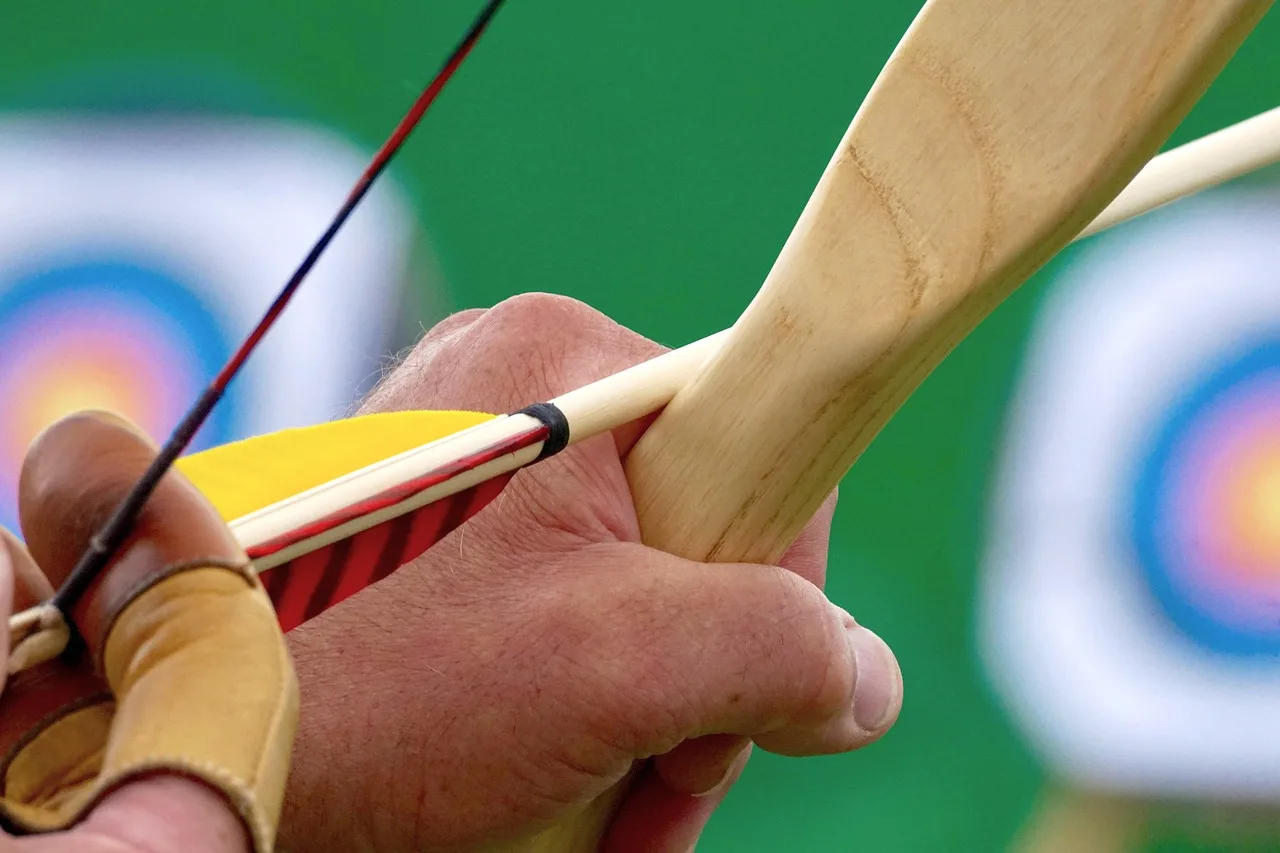
Use this checklist in order. It separates event paperwork from club habits, because sanctioned tournaments often fail at the handoff points: registration, equipment review, target assignment, and scorecard handling.
| Step | What to verify | Who to ask | What mistake it prevents |
|---|---|---|---|
| 1 | The event is open, sanctioned status is clear, and the deadline is still active | Organizer | Missing the entry window |
| 2 | Your division, age class, and bow class match the form | Organizer | Being placed in the wrong category |
| 3 | USA Archery membership is required or not required for this event | Organizer | Arriving without eligibility proof |
| 4 | The registration form is complete and payment went through | Organizer | Unfinished sign-up |
| 5 | Dress code allows your shoes, shirt, shorts or pants, and graphics | Organizer or range official | Check-in rejection |
| 6 | Your bow class, stabilizers, sight, release, and arrows fit the event rules | Judge or experienced archer | Equipment failure at inspection |
| 7 | You have a bow stand, at least six arrows, tools, and score tools | Self-check | Running short during the round |
| 8 | Water, food, chair, shade, and sun block are packed | Self-check | Fatigue on a long outdoor day |
| 9 | You know the sign-in time and arrive early | Organizer | Rushing target assignment |
| 10 | Your target number or bale mate assignment is posted or on the scorecard | Line official | Shooting on the wrong target |
| 11 | You know the whistle or horn command sequence used at that range | Line official | Stepping to the line too early or too late |
| 12 | You know the arrow count, end length, and whether practice ends are included | Organizer | Misreading the pace of the round |
| 13 | Two scorecards are ready if the event uses them | Scorekeeper or target mates | Missing verification on a scored arrow |
| 14 | You know how to call arrow values and verify totals before signing | Target mates | Wrong score on the card |
| 15 | You know when to step off the line and call a judge for a medical or mechanical issue | Judge | Unsafe handling of a problem |
How many arrows are shot in an outdoor target round?
In the described outdoor target format, the round has 72 arrows. Recurve archers shoot at 70 meters on a 122-centimeter target, and compound archers shoot at 50 meters on an 80-centimeter target. Six arrows per end are shot in four minutes, and two practice ends are common at the start.
How does scoring and line etiquette work?
On many ranges, two whistles or horn blasts mean move to the line, one means shoot, and three means score and retrieve. Four archers share a target in the described format. Call each arrow value clearly, record it on the scorecard, and verify it before anyone signs.
What are the whistle or beep commands on the shooting line?
Do not guess at commands. Some ranges use two whistles to the line, one to shoot, three to score and retrieve, and five or more for emergency. If the range has a briefing, follow that version exactly, since club habits can differ from sanctioned-event procedure.
What happens at check-in and on the target line?
Arrive early enough to sign in, confirm target or bale assignment, and fix any paperwork problem before the line opens. Target number is usually posted or printed on the scorecard. Introduce yourself to your bale mates before shooting so the group can manage scoring cleanly.
- Check in with your form, membership proof, and ID if requested.
- Confirm your division, age class, and bow class with the registrar.
- Find your target number or bale mates and introduce yourself.
- Place your bow stand, arrows, and score tools where they will not block the lane.
- Listen for the line briefing and follow the whistle or horn sequence exactly.
Suppose a first-time archer reaches the range with a compound bow, but the event listing says the division is tied to an 80-centimeter target and 50 meters. That is not a lineup problem; it is a category problem. Fix it at check-in before the first end starts.
What should I do if there is a medical or equipment problem during a tournament?
Step off the line, raise your hand, and call a judge when needed. Do not keep shooting through a broken string, a loose rest, or a medical issue that affects control. Safety comes first, then scoring. If the issue is mechanical, stop the end and wait for instructions.
What should I bring to my first archery tournament?
Bring the gear that keeps the day moving: bow, at least six arrows, bow stand, tools, water, snacks, lunch, chair, sun block, and weather gear. Add your registration details, membership proof if required, and a pencil. A backup arrow or two is useful for outdoor target rounds.
What if that didn’t work?
If the judge is not nearby, keep the bow grounded, stay clear of the shooting lane, and signal the line staff again. If the problem is paperwork, return to the registrar before the next end. If the bow issue is severe, do not resume until the equipment is safe and cleared.
Common mistakes
The biggest preventable errors are paperwork and classification errors, not shooting errors. A clean first tournament usually comes down to matching the form, gear, and dress code to the actual event rather than to a club practice habit.
- Wrong membership status: Check the event listing before entry. Some sanctioned events require USA Archery membership.
- Wrong division or bow class: Match age class and bow class on the form, then confirm them at check-in.
- Dress code miss: Wear closed-toe shoes and avoid clothing that the range may reject.
- Equipment not cleared: Ask a judge or experienced archer to review the bow before arrival if rules are unclear.
- Late arrival: Arrive early enough for sign-in and target assignment.
- Scoring confusion: Share the target with your bale mates, call arrow values, and verify each score before signing.
- Waiting too long to ask for help: Raise your hand for medical or mechanical issues instead of trying to work through them on the line.
A common first-timer mistake is packing a full outdoor kit but forgetting the event dress code. A simple pair of open-toed shoes can stop check-in even when the bow and arrows are legal. Check the clothing rules before leaving home, then check them again with the event listing.
Frequently asked questions
What time should I arrive for an archery tournament?
Arrive early enough to sign in, resolve paperwork, and find your target assignment before the line briefing. Many events build in a check-in period before shooting starts, and late arrivals can miss lane assignment or the first practice end.
How does scoring work at an archery tournament?
Four archers share a target in the described format. Each archer calls arrow values, one person records, and the group verifies the card before signing. Some events use two scorecards per archer, so check both copies for matching totals.
What dress code applies at USA Archery events?
Most outdoor target events have dress codes, and open-toed shoes may be prohibited. Some events also prohibit camouflage clothing, bare-midriff tops, or offensive graphics. Weather exceptions may apply, so check the event notice and confirm anything uncertain before arrival.
What should I do if I have a medical or equipment problem during a tournament?
Stop, step off the line, and raise your hand for a judge. Do not try to clear a broken bow or keep shooting through pain or dizziness. For a mechanical issue, wait for instruction before returning to the shooting line.