Best Competition Sights for Tournament Accuracy: we compared
For tournament accuracy, I’d pick a micro-adjustable target sight for compound indoor and outdoor target, a simple Olympic-style recurve sight for recurve, and a fixed-pin or clean single-pin only for 3D if speed matters more than tiny yardage changes.
This guide is part of our Archery competitions: rules, formats and gear series.
Choose wrong, and you waste points fighting sight drift, slow adjustments, and panic under pressure.
This guide shows how I choose sights by discipline, distance, and pressure handling, with the models and features that matter on the line.
Quick comparison
| Product | Badge | Best for | Price | ||
|---|---|---|---|---|---|
 | HHA Optimizer Lite Cadet 1 Pin Sight, Black, .019-Inch,HHA | Budget pick | 1 pin sight · Youth · Lightweight | $72.07 Price as of 30 Sep 2026 | View |
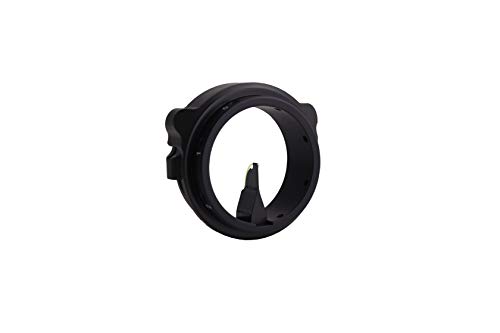 | SHREWD ARCHERY .019” Optum Ring SystemSHREWD ARCHERY | Also great | .019 inch Optum ring system | $70.00 Price as of 30 Sep 2026 | View |
I care most about how a sight behaves at full draw, not how it looks in a catalog.
According to jimbouton.com — The Garmin Xero A1i PRO is described as a bow-mounted auto-ranging digital sight.
How we chose
I compared each sight type against the things that actually move scorecards: format fit, adjustment precision, sight picture clarity, pressure handling, and weight and balance.
- Tournament format fit: indoor spot, outdoor target, field, and 3D all reward different sight behavior.
- Adjustment precision: elevation, windage, and reticle alignment need to move cleanly.
- Sight picture clarity: I looked at pin size, housing visibility, and how busy the aiming point feels.
- Pressure handling: I favored setups that cut hesitation and keep the aiming picture simple on the line.
- Weight and balance: heavier sights can steady a bow, but they can also make holding feel sluggish.
Single-pin movable sight: best for precise aiming
A single-pin movable sight fits archers who want one clean aiming point and are willing to dial distance before the shot. The HHA Optimizer Lite Cadet 1 Pin Sight fits that style because it uses a compact, lightweight build and a .019-inch pin, which keeps the aiming window simple when the line gets tense.
What stands out to me is the teaching value of a single pin. If you are learning distance control, that one pin forces you to own your mark instead of guessing with multiple pins. That same simplicity helps in target and field rounds, where known distances reward a deliberate setup routine.
The drawback is obvious: you must dial yardage correctly, every time. I have watched archers rush the move, stop on the wrong mark, or second-guess the dial after they are already on the stake. That failure mode costs more than a small pin-size decision ever will.
Where it wins in target and field rounds
A single-pin movable sight works best when the round gives you enough time to set the mark and settle in. That makes it useful for outdoor target and field rounds, where repeatable distance calling matters more than fast transitions between wildly different distances.
What the dial-up routine demands
You need a repeatable process. I want an archer to range, confirm the mark, dial once, and stop touching the sight. If the routine is sloppy, the sight itself is not the problem.
Main failure mode to watch
The biggest miss is mismatching the mark to the shot line. The second miss is using a single pin as a crutch and still hunting for the perfect float instead of committing to the center and breaking the shot.
Fixed multi-pin sight: best for changing shot sequences
A fixed multi-pin sight is the safer choice when shot order changes fast and distances stay within a known band. It gives you multiple preset references, so you can move from one target to the next without dialing, which is why many indoor and 3D shooters like it.
For tournament accuracy, I think the value is mental. A fixed pin setup trims decision load. You still aim, but you are not twisting knobs between every arrow. Pin count matters here; 3-pin and 5-pin layouts solve different problems, and a .019 pin size gives a cleaner aiming point than larger pins when the face is tight.
Why many indoor and 3D shooters like it
Indoor spots reward fast sight picture acquisition. 3D often asks you to shoot before the next thought creeps in. A fixed sight lets me stay on process instead of timing the dial.
Pin count and pin size choices
Three pins can keep the housing calmer. Five pins cover more yardage gaps, but they can crowd the target face if the pins are too bright or too thick. A .019 pin is often treated as a practical balance for competitive clarity because it can offer visibility without covering too much of the target.
Main failure mode to watch
The common miss is clutter. Too many pins, too much glow, and too little focus on the center can pull attention away from the shot. I have watched archers aim at the hardware instead of the spot.
Digital auto-ranging sight: best for tech-forward competitors
A digital auto-ranging bow sight makes sense when you want the system to do more of the thinking before the shot. The Garmin Xero A1i PRO is described as a bow-mounted auto-ranging digital sight, and it uses an integrated laser rangefinder that lights up a precise LED pin for the shot.
That design can remove yardage guesswork before the shot, which helps when pressure turns simple calls into slow ones. It also includes microadjustments for elevation and windage, can automatically generate a complete pin stack from 0 to max range, and uses a dual-color LED display that can be switched between red and blue.
The drawback is weight, bulk, and rule scrutiny. The PRO version is heavier and bulkier than a traditional sight, and that matters on a target bow that already feels nose-heavy. Battery dependence is another real limit. If the battery dies or the event rules reject the system, the advantage disappears fast.
When integrated ranging helps
Integrated ranging helps most when distance uncertainty causes more misses than hold movement does. It can reduce hesitation on the line, especially for archers who lose points while deciding whether the distance is 28 or 30 yards.
Battery, weight, and rule checks
I would not buy one without checking the event rulebook first. Some events allow rangefinding features and some do not. Also, the added mass can change the way the bow balances at full draw, which may help one archer and frustrate another.
Main failure mode to watch
The trap is trusting the electronics more than your shot routine. If you stop building a stable anchor and sight picture because the device feels automatic, the score still drifts.
What sight features actually improve accuracy under pressure?
The features that help most under pressure are the ones that cut decisions: a repeatable mark, a clean sight picture, and enough visibility to hold the spot without overthinking it. Fiber-optic pins help in low light because they gather and present light well, while LED aiming systems create a brighter, more controlled aiming reference.
Fiber-optic pins versus LED aiming
Fiber-optic pins are common on traditional sights because they stay visible when the light falls off. I like them for outdoor transition periods and indoor venues with dim lanes. LED aiming systems can feel sharper, but they add battery dependence and more device complexity.
Pin size and target visibility
Pin size matters more than many new archers expect. A 0.019 pin size gives a small enough aiming reference to preserve target clarity without becoming hard to see. When the pin looks too thick, it can cover too much of the scoring ring and make fine aiming harder.
Microadjustments for elevation and windage
Microadjustments matter because score loss often starts with tiny setup errors. I want clean elevation adjustment, clean windage adjustment, and reticle alignment that stays where I set it. If those three move unpredictably, the sight creates doubt before the shot even starts.
Sight weight and balance
Heavier sights can calm the bow at anchor, but they also change how the bow settles. A lighter sight is easier to live with on long indoor sessions, while a heavier setup may feel steadier for some target archers. The right answer is the one that lets you float less without fighting the bow.
Tournament sight decision table
I built this from what I see on the line and in my own tuning notes. The main point is not which sight looks premium. It is which sight avoids the mistake that ruins a scoring round.
| Competition format | Recommended sight type | Ideal pin size | Housing visibility | Adjustment style | Top failure mode to avoid |
|---|---|---|---|---|---|
| Indoor spot | Fixed multi-pin or clean single-pin | .019 | Open, uncluttered ring view | Fine windage and elevation with locked marks | Cluttered pins covering the spot |
| Outdoor target | Single-pin movable sight | .019 | Medium housing with clear center | Dialed elevation with repeatable marks | Wrong yardage mark or rushed dial-up |
| Field | Single-pin movable sight | .019 | Easy-to-read, low-clutter housing | Fast elevation changes, solid windage | Slow adjustment between stakes |
| 3D | Fixed multi-pin or single-pin, depending on cadence | .019 | Visible in mixed light | Preset pins or quick dial routine | Too much mental load from pin choice |
Which one should you buy?
If your budget is tight, buy the sight that gives you the cleanest picture and the fewest distractions. For most new tournament archers, that means a fixed multi-pin with a .019 setup and solid microadjustments, because it keeps scoring simple without forcing a complicated routine.
If you want repeatable scoring above all else, choose a single-pin movable sight and commit to learning your marks. If you hate cluttered sight pictures, keep the pin count low and the housing open. If you want the fastest setup, the fixed multi-pin is the easiest answer because it asks for less between shots.
I would only go digital if your format, rulebook, and comfort with tech all line up. The Garmin Xero A1i PRO can remove yardage guesswork, but heavier weight, battery dependence, and legality checks make it a narrow fit rather than a default recommendation.
For most archers, the decision is straightforward: pick a single pin for known-distance accuracy and a calm routine, pick a fixed multi-pin for fast changing sequences, and pick a digital pin only if you accept the tradeoffs and the event rules allow it. That is how I would buy for budget, format, and skill level.
Frequently asked questions
What is the best archery competition sight for tournament accuracy?
The best sight for tournament accuracy is the one that matches your format and cuts mental noise. For compound indoor and outdoor target, I favor a micro-adjustable target sight with a clean pin setup. For recurve, a simple Olympic-style sight usually keeps the aiming process clearer.
Should I use a single-pin or fixed-pin sight for tournaments?
Use a single-pin if you want a clean aiming point and you are disciplined about dialing distance. Use a fixed-pin if your event has fast shot cadence or repeated distance changes. I think fixed pin is easier under pressure, but single pin can be more precise when the routine is solid.
Are digital rangefinder sights allowed in archery competitions?
Sometimes yes, sometimes no. Rule checks matter here more than brand names. Before buying a digital auto-ranging sight, I would verify the event rules for ranging devices, powered aiming systems, and any equipment limits for the class you shoot.
What sight pin size is best for indoor archery tournaments?
For indoor archery tournaments, .019 is a strong starting point because it stays visible without covering too much of the scoring ring. Bigger pins can feel easier to see, but they can also block the spot and make careful center aiming harder when the target face is small.
How do I choose a bow sight for compound competition archery?
Start with your format. Indoor target, outdoor target, field, and 3D do not reward the same sight. Then choose between single-pin and fixed-pin based on how much you want to dial, how much clutter you can tolerate, and whether you trust yourself to repeat the same setup every end.
Which archery sight is easiest to tune for repeatable scoring?
A fixed multi-pin sight is usually the easiest to tune for repeatable scoring because the marks stay put once set. A single-pin movable sight can also be repeatable, but only if you trust your dial routine and use the same process every time.
Do I need a lightweight sight for target archery?
Not always. A lighter sight can feel nicer on the bow and reduce fatigue, but a heavier sight may hold steadier for some archers. I would choose balance first, then weight. If the bow feels nose-heavy or awkward at anchor, the wrong sight weight will show up in the score.