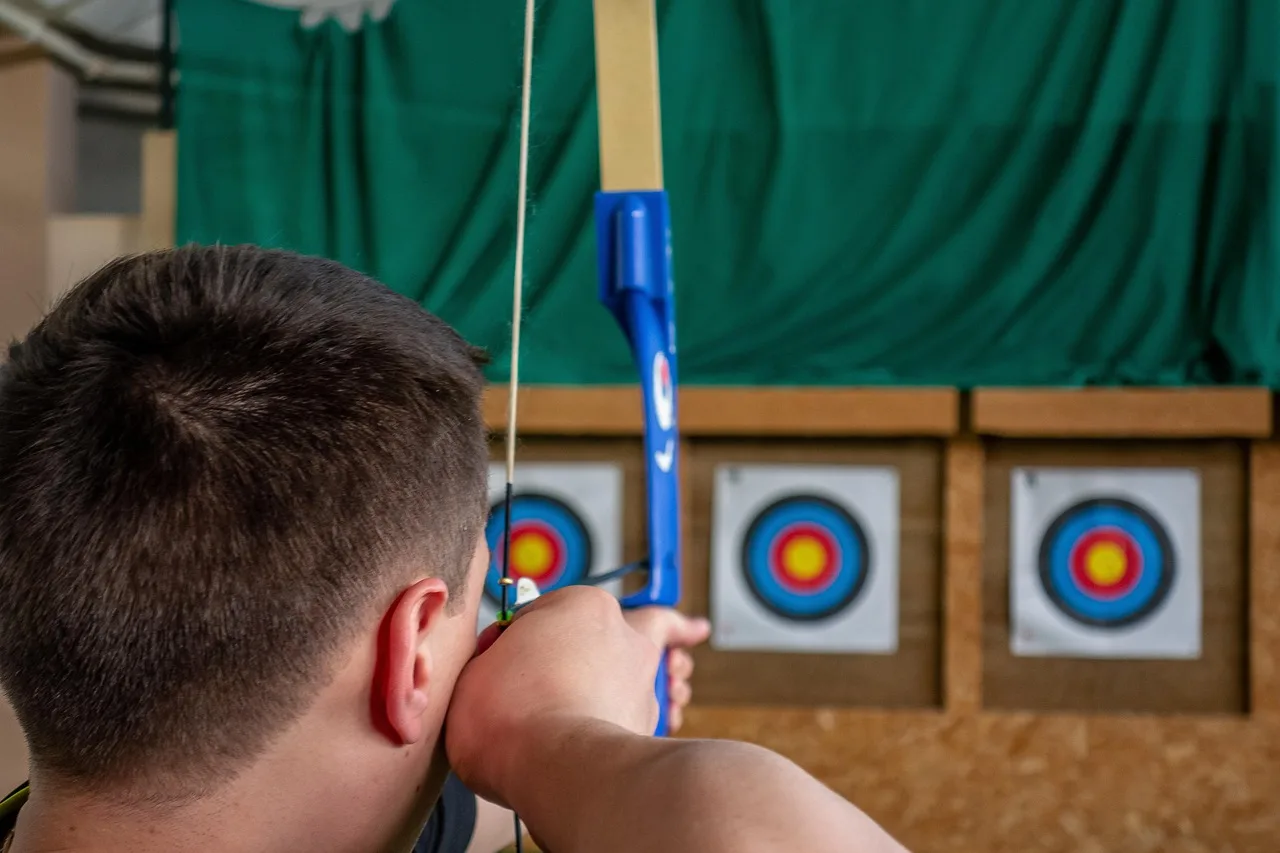
3D Archery vs Field Archery: Key Differences for Beginners
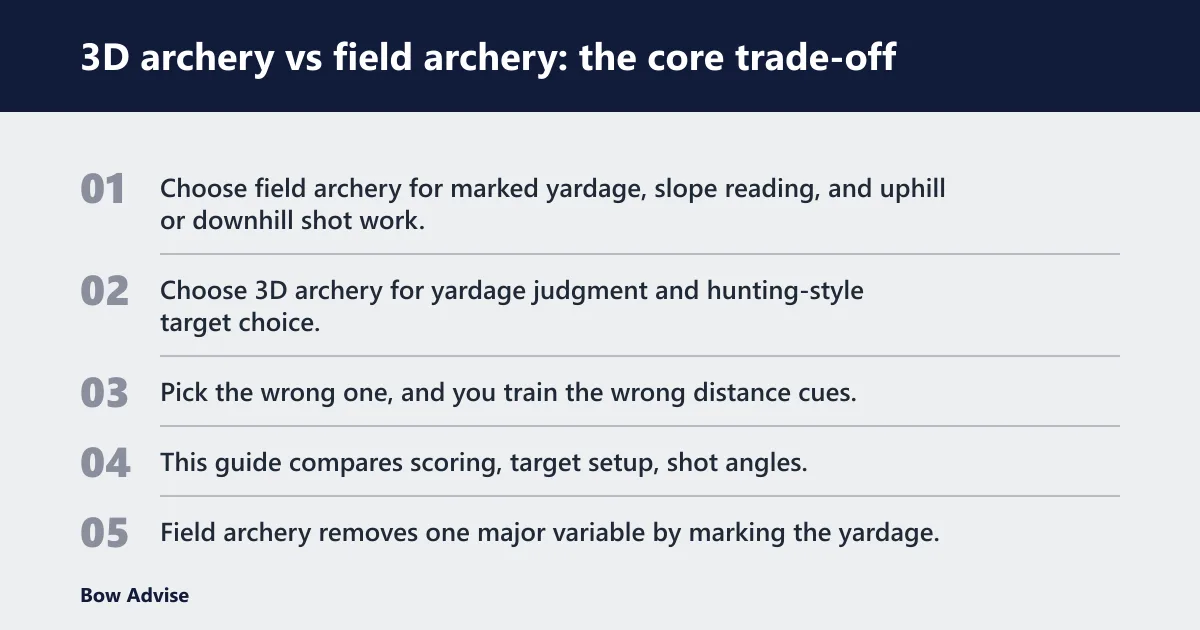
Choose field archery for marked yardage, slope reading, and uphill or downhill shot work. Choose 3D archery for yardage judgment and hunting-style target choice. Pick the wrong one, and you train the wrong distance cues, then miss more often under pressure. This guide compares scoring, target setup, shot angles, and which discipline fits beginners, bowhunters, and tournament shooters.
3D archery vs field archery: the core trade-off


| Decision factor | 3D Archery | Field Archery | Winner |
|---|---|---|---|
| Distance knowledge | Unknown distances in most classes | Marked distances on each target | Field Archery |
| Terrain difficulty | Often mixed, but usually judged from the shooting stake | Varied terrain with uphill and downhill shots | Field Archery |
| Scoring style | Vital-area scoring on foam animals | Fixed-arrow scoring on target faces | Tie |
| Bowhunting carryover | Very strong | Moderate, especially for angle reading | 3D Archery |
| Beginner friendliness | Harder at first because distance judgment is part of the shot | Often easier because the yardage is already known | Field Archery |
| Common mistakes | Over-ranged shots and poor target selection | Poor uphill or downhill form | Tie |
Distance knowledge
Field archery removes one major variable by marking the yardage. That lets the archer focus on stance, anchor, and angle control. 3D archery does the opposite: the shooter must judge distance first, then execute the shot without a marked number to lean on.
Terrain difficulty
Field archery is defined by marked distances on varied terrain, including uphill and downhill shots. That makes angle reading part of the score. In 3D, the terrain may still matter, but the bigger pressure point is the unmarked yardage to the foam animal.
Scoring style
Field archery commonly uses fixed-arrow scoring on target faces. 3D archery uses hidden scoring rings in the vitals of a life-size foam animal target. The first rewards controlled precision on a known face; the second rewards clean shot placement in a hunting-style kill zone.
Bowhunting carryover
3D archery is the closer match to a hunt because the target is life-size, the distance is often unknown, and the scoring zone is a vital area. Field archery still helps, especially with slope compensation and confidence on odd angles. For direct hunting realism, though, 3D has the edge.
Beginner friendliness
Beginners usually handle marked distances faster than unknown ones. Field archery gives a clear number before each shot, so the learning focus stays on form and angle control. 3D asks the archer to judge yardage and then place the arrow in a smaller scoring window, which can expose weak range estimation quickly.
📊 A field course often has 28 targets. Source: Types of Archery Explained: Target, Field, 3D, Hunting & More.
What is field archery?
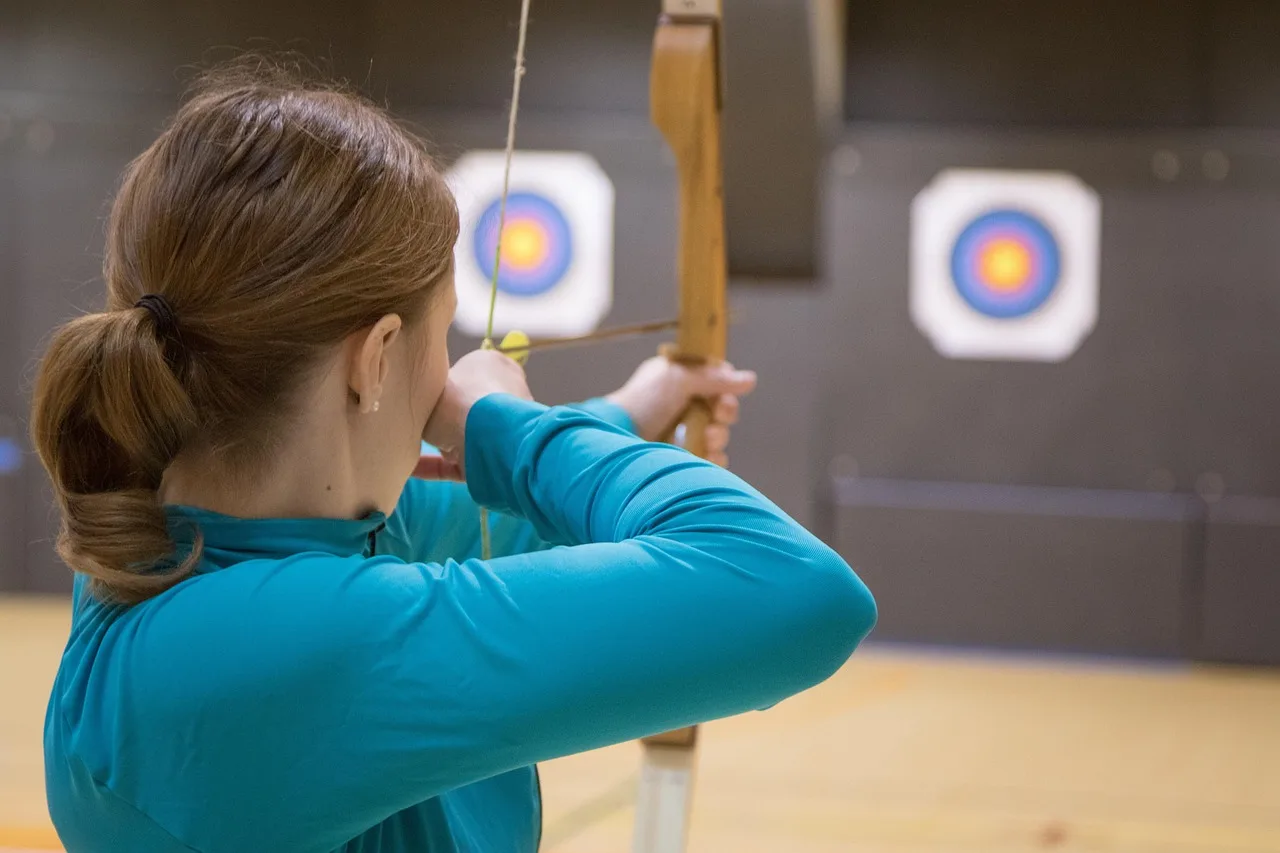
Field archery is an outdoor course format with targets placed at marked distances. It combines walking, changing terrain, and shots taken uphill or downhill, so the archer works on angle reading and marked-distance precision at the same time.
Outdoor course format and target layout
A field course often has 28 targets. Archers walk from station to station, shooting a set number of arrows at each target before moving on. The course feels like a route, not a single shooting line, and that changes how pace and focus work from target to target.
Marked distances, uphill shots, and downhill shots
Field archery uses targets placed at marked distances on a course. That matters because the distance is known, but the angle may not be flat. Uphill and downhill shots change how the archer holds the bow, judges the sight picture, and manages release execution.
Fixed-arrow scoring and how rounds are usually organized
Field archery uses a fixed-arrow scoring format, meaning the arrow’s finish on the target face determines the points. The round structure is built around repeating stations, known yardage, and consistent scoring rules. That gives beginners a clean way to measure accuracy without also guessing range.
What is 3D archery?
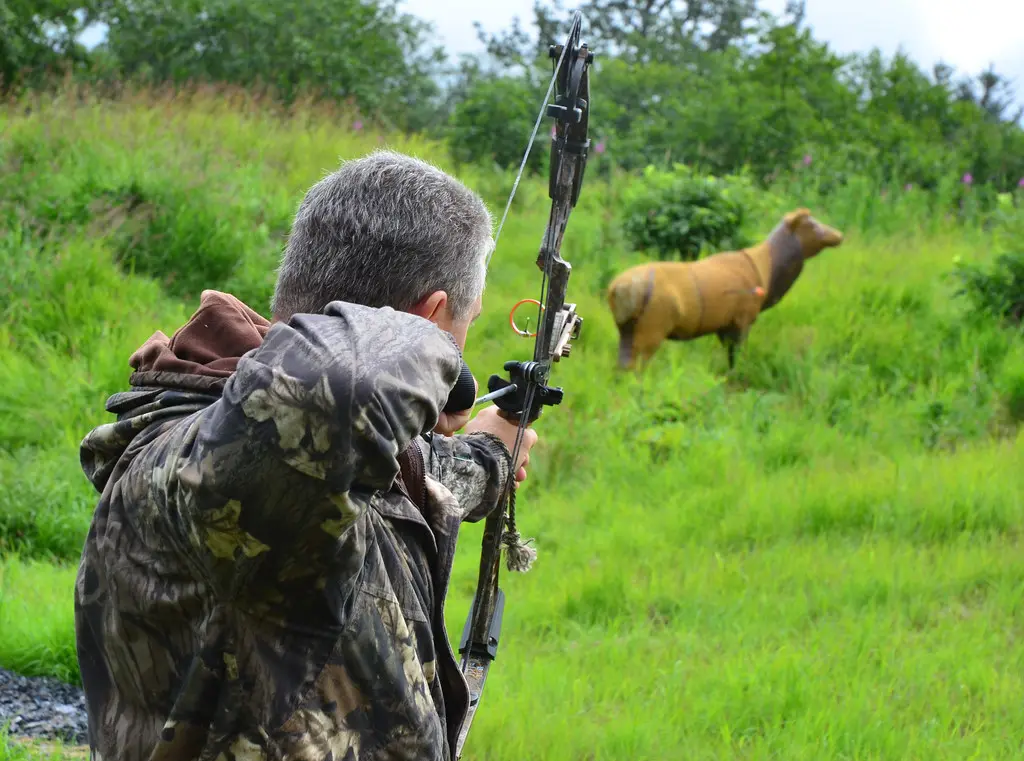
3D archery typically uses foam animal targets that are life-size or close to it, set at distances that aren’t known in advance. It is built to feel like bowhunting practice, with hidden scoring rings in the vitals and, in some classes, no rangefinder use at all.
Foam animal targets and common target placement
3D archery uses life-size foam animal targets. These targets are placed to force the shooter to decide where the shot should land on an animal-shaped body, not on a round face. That makes target selection part of the score, not just arrow release.
Unknown distances in most open classes
3D archery targets are placed at unknown distances. That is the main skill shift from field archery. The archer must estimate yardage, decide whether the pin or gap is right, and then commit to the shot without a marked number to confirm the choice.
Vital-area scoring and why arrow placement matters
3D archery scoring involves hidden scoring rings in the vitals. That means arrow placement matters more than target face size alone suggests. A shaft that lands a few inches off center may score very differently, which pushes the shooter to judge both distance and shot line with care.
How do the courses differ in practice?
The biggest practical difference is what the shooter must solve before drawing the bow. Field archery gives the yardage and asks for angle control; 3D archery withholds the yardage and asks for range judgment, target selection, and hunting-style execution.
Walking between targets and terrain changes
Both styles involve walking target to target. Field archery usually adds more obvious terrain changes because uphill and downhill shots are part of the format. 3D courses can also move through varied ground, but the shooting problem is often the unknown distance more than the slope itself.
How many targets you may shoot in a round
A field course often has around 28 targets, though local events can vary. In 3D, the number of targets depends on the event format, class, and host organization. Either way, the round is a course walk, not a single static distance line like target archery.
Shot order, arrow count per target, and pace of play
Course day setup usually follows the same rhythm: arrive at a target, wait for your turn, shoot the assigned number of arrows, score, then move on. Many 3D rounds use a single scoring arrow in open classes, while some field rounds use multiple arrows per target station. That difference changes pace and pressure.
Say a beginner steps onto a 3D course and sees a foam deer at what looks like 25 yards, but it is really 33. The shot lands low because the archer trusted the wrong guess. In field archery, the same archer gets the distance printed at the stake and can spend more attention on form and angle.
Which is harder: 3D archery or field archery?
The harder style depends on the weakness being trained. Field archery is harder for archers who struggle with uphill and downhill form. 3D is harder for archers who cannot judge yardage well, especially when the scoring ring is small and the distance is unknown.
Why field can punish poor angle judgment
Field archery includes uphill and downhill shots on varied terrain. That creates angle errors that can fool even accurate shooters if they use the wrong body posture or sight picture. The distance is known, but the angle changes how that distance should be handled.
Why 3D can punish weak distance estimation
3D archery places targets at unknown distances. That means the archer has to estimate yardage before the shot starts. A bad guess can leave the arrow outside the vital scoring area even when the release itself is clean. That is why 3D can feel harsher for newer archers.
How beginner comfort level changes the answer
A beginner who wants clear feedback usually finds field archery easier at first. A beginner who already thinks like a bowhunter may prefer 3D because the mental process matches hunting pressure. The harder format is often the one that exposes the archer’s weakest skill fastest.
Field archery vs 3D archery decision matrix
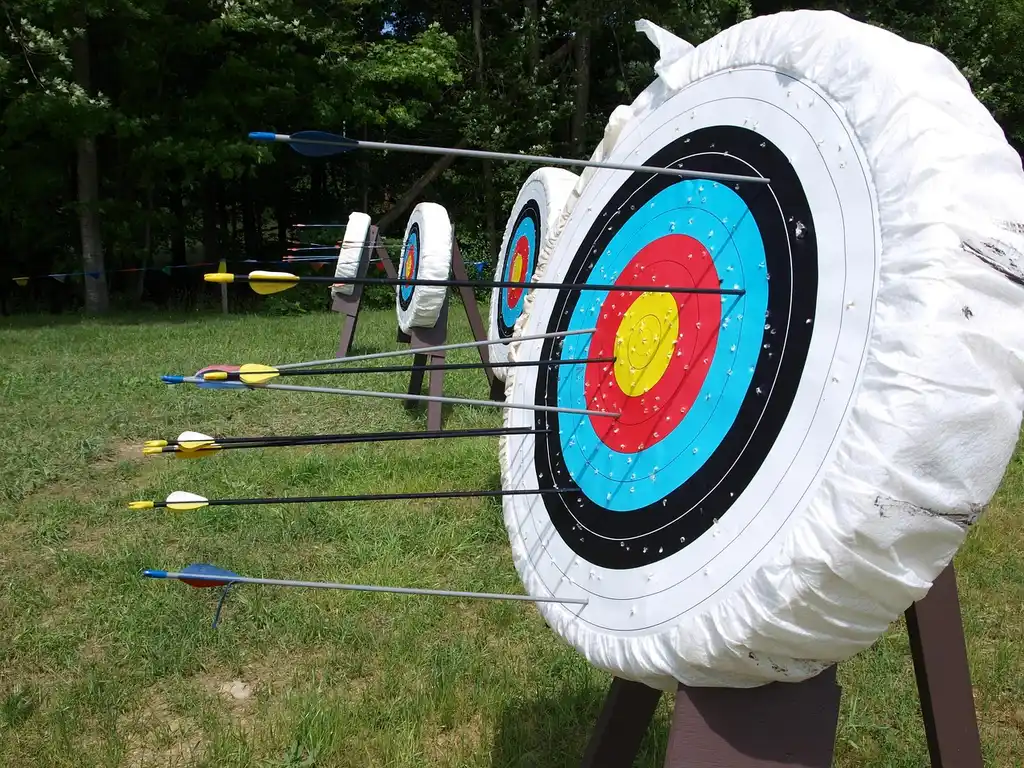
This matrix is built around the skills each sport trains best. The point is not to crown a single winner for every archer. It is to match the discipline to the problem you want to solve first.
| Skill or issue | 3D Archery | Field Archery | Better fit |
|---|---|---|---|
| Distance knowledge | Unknown distances are normal | Marked distances are normal | Field Archery |
| Terrain difficulty | Moderate, hunting-style setups | High, with uphill and downhill shots | Field Archery |
| Scoring style | Vital-area scoring in hidden rings | Fixed-arrow scoring on target faces | Tie |
| Bowhunting carryover | Very strong | Strong for angle work, lighter on judgment | 3D Archery |
| Beginner friendliness | Harder because yardage is part of the shot | Easier because the yardage is given | Field Archery |
| Common mistakes | Over-ranged shots, rushing the guess | Poor uphill or downhill form | Tie |
Why the matrix favors field for distance knowledge
Field archery tells the shooter the distance. That gives a clean skill environment for learning anchor consistency, sight picture, and body control. 3D leaves the yardage to judgment, which is useful, but it is a harder starting point for newer archers.
Why the matrix favors 3D for bowhunting carryover
3D archery is the most hunting-like style. Foam animals, unknown distances, and vital-area scoring all mirror bowhunting decisions more closely than a round target face does. For a bowhunter, that means target choice and shot commitment get trained together.
Why both styles still matter for mistakes
Field archery punishes bad uphill and downhill form. 3D punishes bad range judgment. A common first-timer mistake is assuming one style will automatically fix the other, when in fact each exposes a different error pattern.
- Pick field archery if marked distances help you stay calm.
- Pick field archery if angle reading is your weak point.
- Pick 3D archery if you want hunting-style target selection.
- Pick 3D archery if judging yardage is your main skill gap.
- Pick the one that matches your competition goal and terrain comfort.
Can I use the same bow for field archery and 3D archery?
Yes. A recurve, compound, or barebow can often be used in both disciplines, and the same bow platform may work across them. The main change is not the bow itself, but the division rules, which can limit sights, stabilizers, releases, or other equipment depending on class.
Bow class and division rules
Bow class matters because rules differ between disciplines and between divisions inside each discipline. A compound setup may be allowed in one class with more equipment, while a barebow division strips that setup back. The same is true for recurves and their allowed accessories.
What changes first when moving between formats
The first change is usually the aiming method and the equipment allowances, not the limbs or riser. In 3D, some classes restrict rangefinder use, so the shooter relies more on instinctive yardage judgment. In field, the marked distance shifts the focus back to angle and execution.
A simple equipment rule of thumb
If the bow is legal in both divisions, it can usually move between field and 3D without drama. The details to check are sights, stabilizers, releases, and any class limits on electronics or ranging tools. Those are the pieces that often decide legality, not the bare bow alone.
Choose field archery if… / choose 3D archery if…
Choose field archery if you want marked distances, better uphill and downhill form, and a cleaner path for learning angle reading. Choose 3D archery if you want unknown distances, hunting-style target selection, and more direct bowhunting carryover. Both can use the same bow, but they train different decision habits.
Choose field archery if…
Choose field archery if you are still learning to judge slope and body angle. Choose it if you want the distance given before each shot. Choose it if you like a course that rewards repeatable form more than fast range guessing.
Choose 3D archery if…
Choose 3D archery if your goal is bowhunting practice. Choose it if you want to work on yardage judgment under pressure. Choose it if you are comfortable making a quick estimate, then sending a single arrow into a vital scoring area.
Frequently asked questions
What is the difference between 3D archery and field archery?
3D archery uses life-size foam animal targets at unknown distances and scores the vitals. Field archery uses targets placed at marked distances on a course, often with uphill and downhill shots. In short, field trains angle reading and known-yardage precision, while 3D trains yardage judgment and hunting-style shot choice.
Which is harder, 3D archery or field archery?
Neither is always harder. Field archery is harder for archers who struggle with slopes and shot angle. 3D is harder for archers who struggle to judge distance without help. The harder one is usually the one that exposes your weakest skill first.
Can I use the same bow for field archery and 3D archery?
Yes, the same recurve, compound, or barebow can usually be used in both. What changes is the division rule set, which may affect sights, stabilizers, releases, and other gear. Check the class rules before entering an event so the setup stays legal.
Do I need a rangefinder for 3D archery?
Not always, and in some 3D scoring classes rangefinders are banned. Many open classes expect the shooter to judge distance by eye. If the class allows a rangefinder, it still helps only if the rules permit its use at the moment of the shot.
Are distances marked in field archery?
Yes. Field archery uses targets placed at marked distances on the course. That is one of the main differences from 3D archery. Knowing the yardage lets the archer focus on form, angle, and clean execution instead of range guessing.
How many targets are on a field archery course?
A field course often has 28 targets. Some events may vary, but that number is a common course layout. The round usually includes walking between stations, shooting the assigned arrows, scoring, and moving to the next target.