Indoor vs Outdoor Archery Competitions: Key Differences
Indoor competitions usually mean 18 meters, steady light, no wind, and tight scoring at close range. Outdoor competitions add 30, 50, 70, or 90 meters, weather, and a wider scoring spread, so tuning, sight marks, and season planning all shift. Ignore that split and you burn arrows, read the wrong tune signs, and arrive flat for scoring rounds. I’ll cover how setup, scoring, and training change indoors versus outdoors, plus how I plan a year around both.
| Decision factor | Indoor | outdoor archery competitions: key differences | Winner |
|---|---|---|---|
| Distance and aiming demand | Usually 18 meters | 30, 50, 70, or 90 meters | Indoor for ease of aiming; outdoor for full-distance skill |
| Target face and scoring feel | Smaller target faces | Bigger targets | Indoor for tighter scoring pressure; outdoor for more visible margin |
| Environment | Climate-controlled venue, steady lighting, no wind, rain, or sun | Open-field conditions with weather exposure | Indoor |
| Arrow choice | Fatter arrows are common | Thinner arrows are more common for longer flights | Tie; each format rewards a different setup |
| Setup flexibility | More repeatable sight picture and calmer tuning feedback | More adjustment for wind, light, and distance | Indoor for repeatability; outdoor for adaptability |
Indoor vs outdoor archery competitions: what changes first
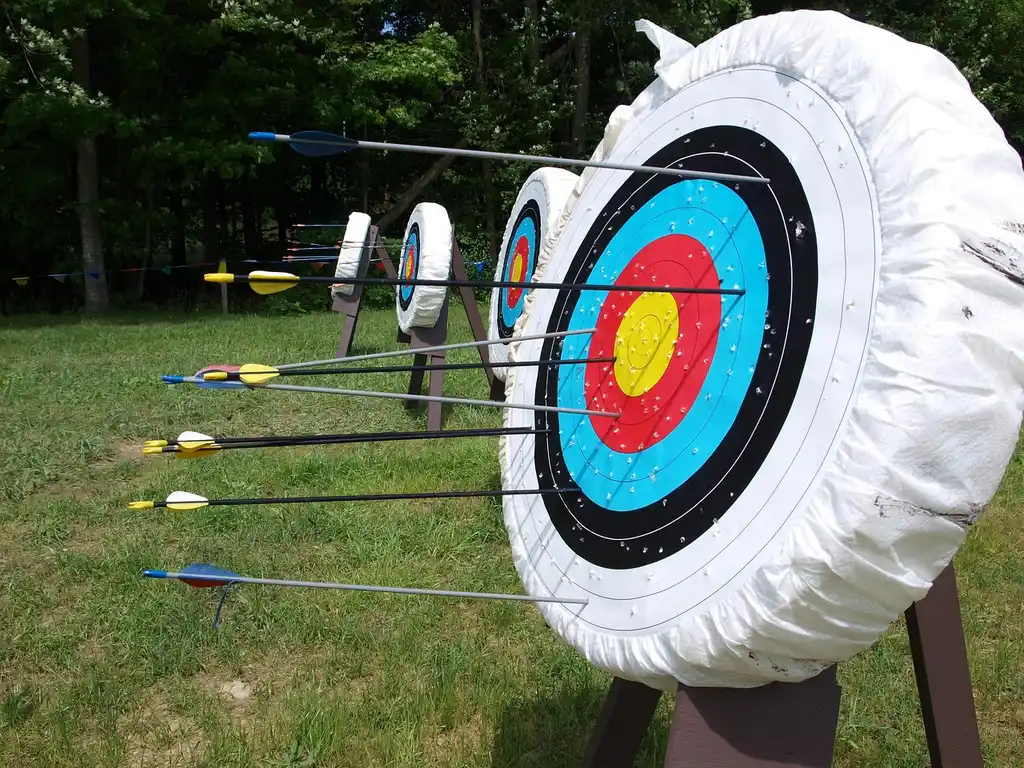


The first shift is distance. The second is everything that distance pulls with it. Indoor shooting is usually at 18 meters in a climate-controlled building with steady light and no wind, rain, or sun. Outdoor shooting can stretch to longer distances and usually asks you to read the conditions each end.
Distance and target face at a glance
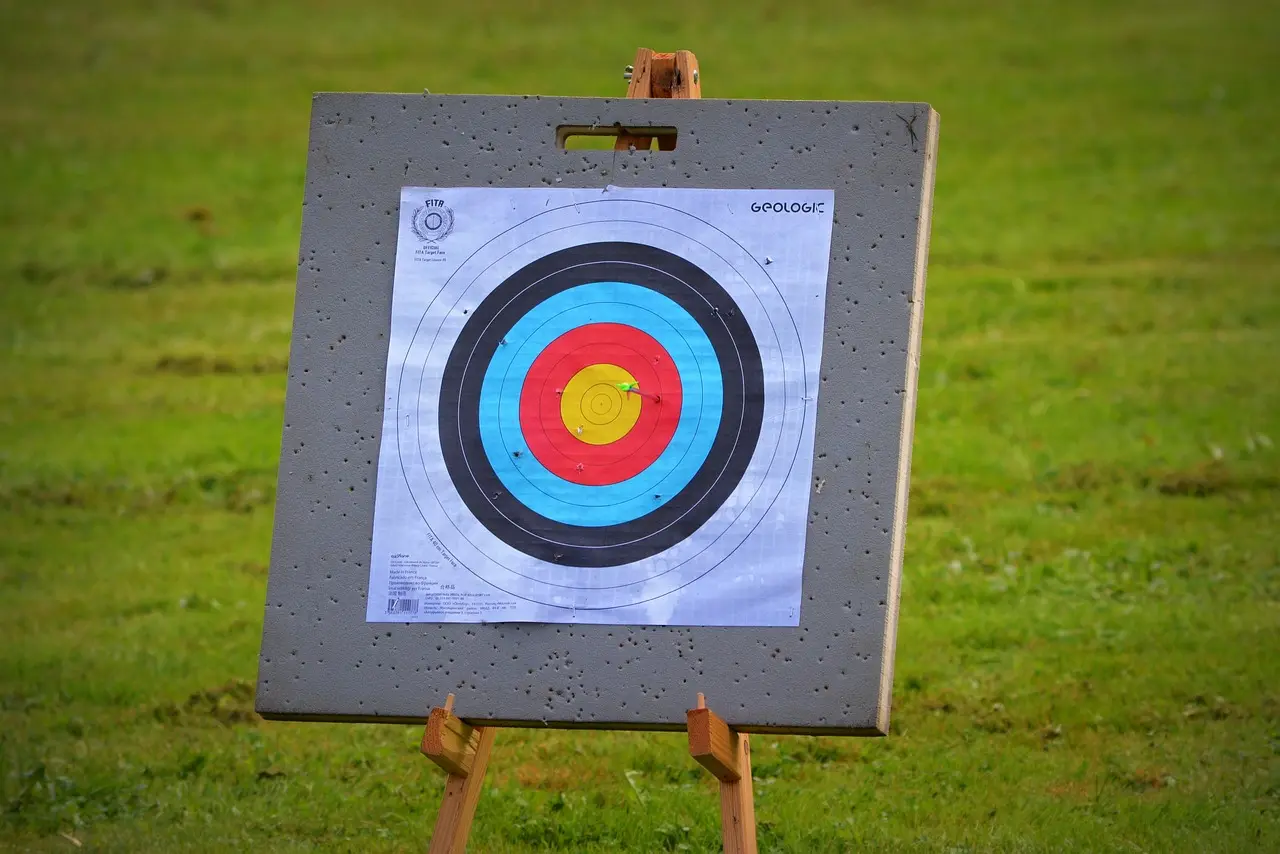
Indoor target faces are smaller than outdoor targets, so a clean shot can still feel harsh. Outdoors, the target looks bigger, but the longer flight gives wind and form errors more time to move the arrow. That is why the scoring feel changes before you change bows.
How the scoring feel changes indoors and outdoors
Indoors, a group can look tiny and still sit on a line. That makes line calls stressful, especially if you shoot compound and expect a clean center strike. Outdoors, the face looks larger from the line, but miss room shrinks fast once wind starts drifting arrows.
What stays the same between formats
The core job never changes: build a repeatable shot, watch the sight picture, and trust your process. I coach the same basics at my club in both seasons. Clean anchor, consistent grip, honest follow-through. Those habits travel well.
How indoor archery competitions are shot
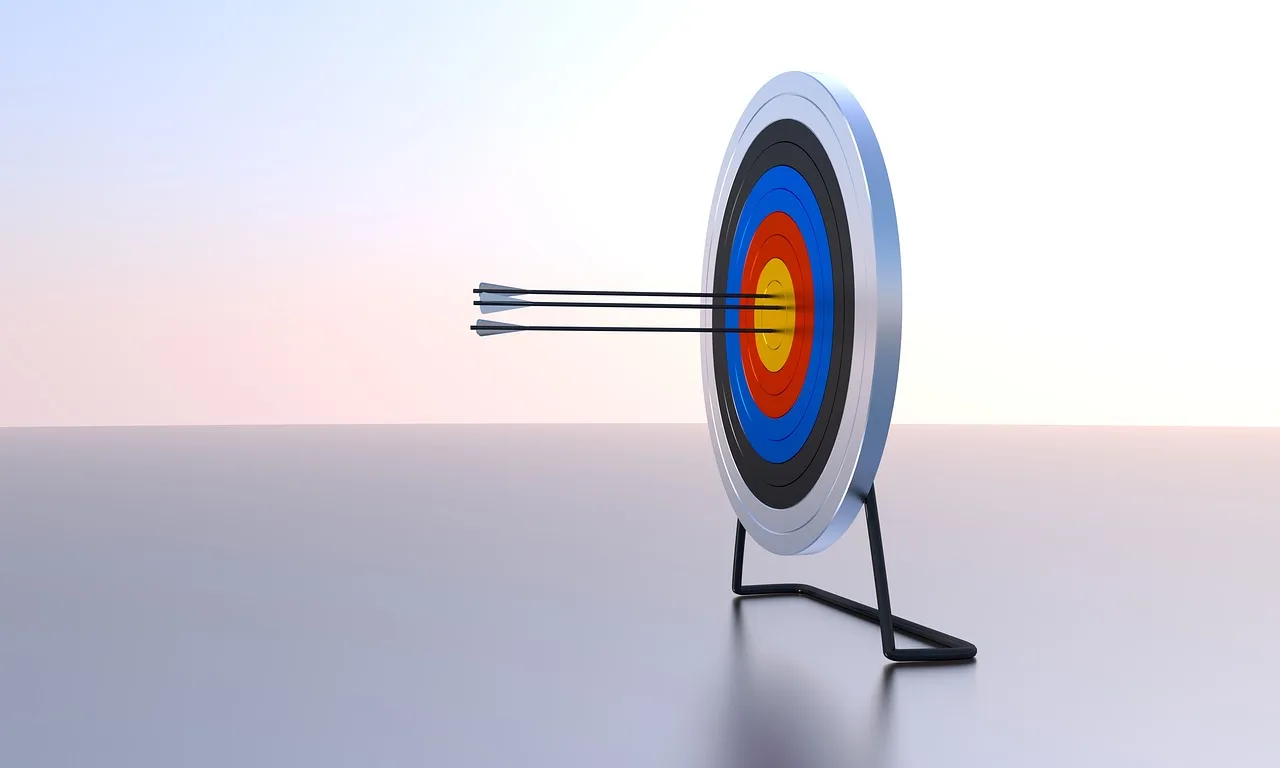
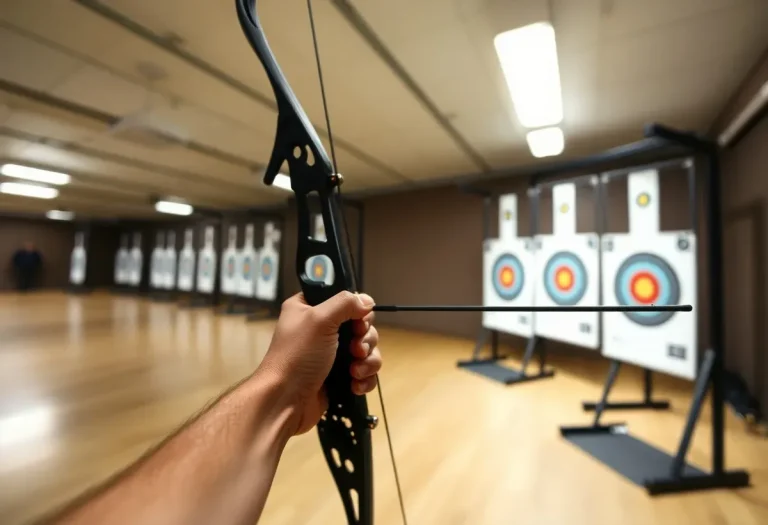
Indoor archery competition is usually shot at 18 meters inside a climate-controlled venue. That stable setup removes weather from the equation, so your focus shifts to release quality, sight picture, and arrow group size. The arrows tell you more about your form because the environment is not fighting you.
Typical indoor distance and venue setup
Most indoor lines feel controlled and quiet. Lighting stays steady, the shooting lane does not change under your feet, and you can build a rhythm without checking the wind before every end. I like that predictability when I am tuning a bow for a new archer.
Target faces, lighting, and shot rhythm
Indoor targets are smaller than outdoor targets, and that makes the score ring look tighter. The smaller face also makes clean sight alignment easier to judge because the aiming point stays consistent from end to end. You can settle into a steady shot cadence without fighting shadows or glare.
What indoor conditions do to tuning and confidence
Indoor conditions reward a setup that groups well over long, calm sessions. Because there is no wind or sun to blame, bad tune shows up fast. When I switched to a left-hand bow after realizing I was left-eye dominant, my groups tightened within two weeks because the shot picture stopped fighting my eyes.
How outdoor archery competitions are shot
Outdoor archery is shot on open fields or ranges, and the environment matters as much as the bow. Distances can reach 90 meters, and the line gives you wind, rain, sunlight, and sometimes cold hands. That means the same shot has to survive conditions, not just your form.
Common outdoor distances from 30 to 90 meters
Outdoor competition often takes place at a few common distances, often around 30, 50, 70, or 90 meters. Those longer shots make tiny setup errors matter more, because the arrow has more time to drift, drop, or slow down. I treat distance as a tuning test, not just a scoring number.
Open-field conditions and weather exposure
Open-field conditions add movement that indoor archery never asks for. Wind can push the arrow, rain can change how you hold the grip, and bright sunlight can change how the sight pin looks. If you do not adapt, your group looks random even when your form is fine.
Why outdoor setup has less forgiveness
Outdoor setup has less forgiveness because the environment keeps changing during the round. A bow that feels dead-on indoors may need a different sight mark and sometimes a different stabilizer balance outdoors. I have seen shooters blame form when the real problem was a setup built for the wrong season.
What equipment changes between indoor and outdoor archery?
The biggest gear changes are arrow diameter, sight marks, and stabilizer balance. Indoor archers tend to use fatter arrows, while outdoor archers use thinner arrows for longer flights. Those choices affect both line calls and how cleanly the arrow flies through the conditions.
Arrow diameter and spine choices
Fatter arrows are common indoors because they can help fill the line better on a smaller face. Outdoors, thinner arrows usually fly cleaner over longer distances and face less wind resistance. Spine still has to match the bow, but the finish line for the arrow changes with the season.
Sight marks, stabilizers, and balance changes
Indoor sight marks stay tight because the distance is fixed and the lighting does not move around. Outdoors, I often need to re-mark the sight bar as I move between longer distances. Stabilizers may also change because I want the bow to sit calmer in wind and hold steady through a longer aim.
How recurve and compound shooters usually adjust differently
Recurve shooters often feel wind changes more directly because they are holding more of the aim and body alignment on target. Compound shooters usually lean harder on precise sight marks and a stable hold, but wind still moves the arrow. I tune both, but I expect the recurve to ask for a faster read on drift and the compound to punish bad yardage or sight marks.
| Factor | Indoor | Outdoor | Winner |
|---|---|---|---|
| Arrow diameter | Fatter arrows | Thinner arrows | Tie; best choice depends on format |
| Sight marks | Simple and repeatable | Needs range-by-range adjustment | Indoor |
| Stabilizer behavior | Calm hold, less environmental correction | More help against wind and balance shifts | Outdoor |
How do lighting and weather change performance?
Lighting and weather change how you aim, how you grip, and how fast you settle into the shot. Indoors, the light stays steady and the sight picture feels familiar. Outdoors, sunlight, shadows, and weather can change the feel of the same bow within a single end.
Sunlight, shadows, and aiming clarity
Sunlight can wash out a sight pin or throw hard shadows across the target. That changes how confident the aiming point feels, especially for newer archers. Indoors, steadier lighting lets you trust the sight picture more and spend less mental energy on visibility.
Wind, rain, and cold grip effects
Wind changes arrow flight, and rain changes how the bow sits in the hand. Cold can make the grip feel slick or stiff, which affects release quality before you notice anything in the group. I plan my outdoor sessions around the weather because a good tune still needs a good hand on the bow.
Why outdoor mental tempo changes
Outdoor shooting slows my mental pace. I have to read the wind, check the light, and accept that a perfect shot can still move a little. That extra decision-making is part of the game, and it is why some archers score better indoors even when their outdoor form is solid.
Season switch checklist: indoor setup vs outdoor setup
I use a season-switch checklist because the biggest mistakes happen when archers leave one setup in place and expect it to work everywhere. Indoor and outdoor competition reward different sight marks, different arrows, and different tolerance for weather. A clean transition saves arrows and builds confidence.
| Checklist item | Indoor setup | Outdoor setup |
|---|---|---|
| Distance | Set for 18 meters | Set for 30, 50, 70, or 90 meters as needed |
| Target face | Smaller target face | Bigger target face |
| Arrow choice | Fatter arrows | Thinner arrows for longer flights |
| Sight marks | Close-range indoor marks | Reset for each outdoor distance |
| Stabilizer setup | Calm, indoor-friendly balance | Balance that holds steadier in wind |
| Lighting checks | Check steady indoor light only | Check sun angle, glare, and shadows |
| Weather prep | Minimal | Wind, rain, sunlight, and cold grip plan |
Top 5 transition mistakes archers make
- Using the indoor arrow setup outdoors and expecting clean long-range flight.
- Keeping indoor sight marks and then chasing misses at 30 or 70 meters.
- Ignoring sunlight and shadows until the pin looks wrong on the line.
- Leaving stabilizer balance unchanged when wind starts moving the hold.
- Assuming the same grip pressure works when hands are cold or wet.
Can I use the same bow and arrows for indoor and outdoor competition?
Yes, you can use the same bow for both formats, and many archers do. Arrows are where the split gets sharper: the same set can work as a bridge, but a purpose-built indoor or outdoor arrow setup usually scores better. A shared bow is practical; a shared arrow setup is often a compromise.
Where a shared setup works
If you are starting out, one bow can cover both seasons well enough while you learn your hold and tune. I tell beginners to keep the base bow stable and change what matters most first, usually arrows and sight marks. That gives you the clearest feedback for the least cost in time.
Where it falls short
A shared setup starts to fall short when you want better score potential in both formats. Indoors, a fatter arrow may score better on close faces. Outdoors, a thinner arrow may fly better in wind and over longer distances. One arrow set rarely does both jobs equally well.
Choose Indoor if… / Choose outdoor archery competitions: key differences if…
I choose indoor when I want repeatable conditions, close-range precision, and clean feedback on my form. I choose outdoor when I want distance practice, weather management, and a season that tests my setup under real field conditions. If you want both, plan your year so each format gets its own arrows, sight marks, and practice block.
Choose Indoor if…
- You want steady lighting and no weather variables.
- You are working on group size and shot repeatability.
- You prefer a fixed 18 meter line and a smaller target face.
- You want clearer feedback on tune without wind masking mistakes.
Choose outdoor archery competitions: key differences if…
- You want to shoot 30, 50, 70, or 90 meters.
- You enjoy reading wind, sunlight, and field conditions.
- You want to train gear for longer arrow flight and outdoor scoring.
- You are building a season plan that includes real weather stress.
Frequently asked questions
What is the difference between indoor and outdoor archery competitions?
Indoor archery is usually shot at 18 meters in a climate-controlled building with no wind, rain, or sun. Outdoor archery happens on open fields or ranges at longer distances, often with weather exposure. That changes tuning, sight marks, arrows, and how scoring feels at the line.
Why are indoor archery distances shorter than outdoor?
Indoor distances are shorter because the venue is built for a controlled, repeatable round. The 18 meter setup keeps the target within a compact space and removes weather from the shot. Outdoors, distance becomes part of the test, so the line stretches to 30, 50, 70, or 90 meters.
What equipment changes between indoor and outdoor archery?
Arrow diameter is the most obvious change, with fatter arrows common indoors and thinner arrows more common outdoors. I also reset sight marks and often adjust stabilizer balance for wind and distance. Recurve and compound shooters may make the same broad changes, but they feel them differently on the shot.
How does wind affect outdoor archery scoring and setup?
Wind can push the arrow off line and turn a good shot into a low score if your setup is not ready for it. I respond with better sight discipline, careful arrow choice, and a steadier stabilizer setup. Recurve shooters usually feel the drift sooner, while compound shooters often see it in their scoring spread.
Are targets different indoors and outdoors?
Yes. Indoor targets are smaller than outdoor targets, and that changes how tight the scoring margin feels. Outdoors, the bigger target face gives you more visible room, but the longer distance and weather can still make scoring harder. The target size changes the mental feel of the round almost as much as the scoring.
Can I use the same bow and arrows for indoor and outdoor competition?
You can use the same bow for both, and that is a sensible starting point. Arrows are less forgiving as a shared option because indoor and outdoor shooting reward different diameters and flight behavior. I would rather keep one bow and switch arrows than force one arrow setup to do both jobs badly.