Target Arrows Price
Target arrow prices only make sense when the setup fits. Thin carbon shafts and tighter straightness specs usually cost more, but the bigger mistake is buying the wrong spine or diameter and paying for arrows that tune badly or group inconsistently. This guide compares target arrow options by spine, diameter, pack size, and the specs that matter for recurve and compound setups.
How spine, diameter, and pack size shift target arrow costs
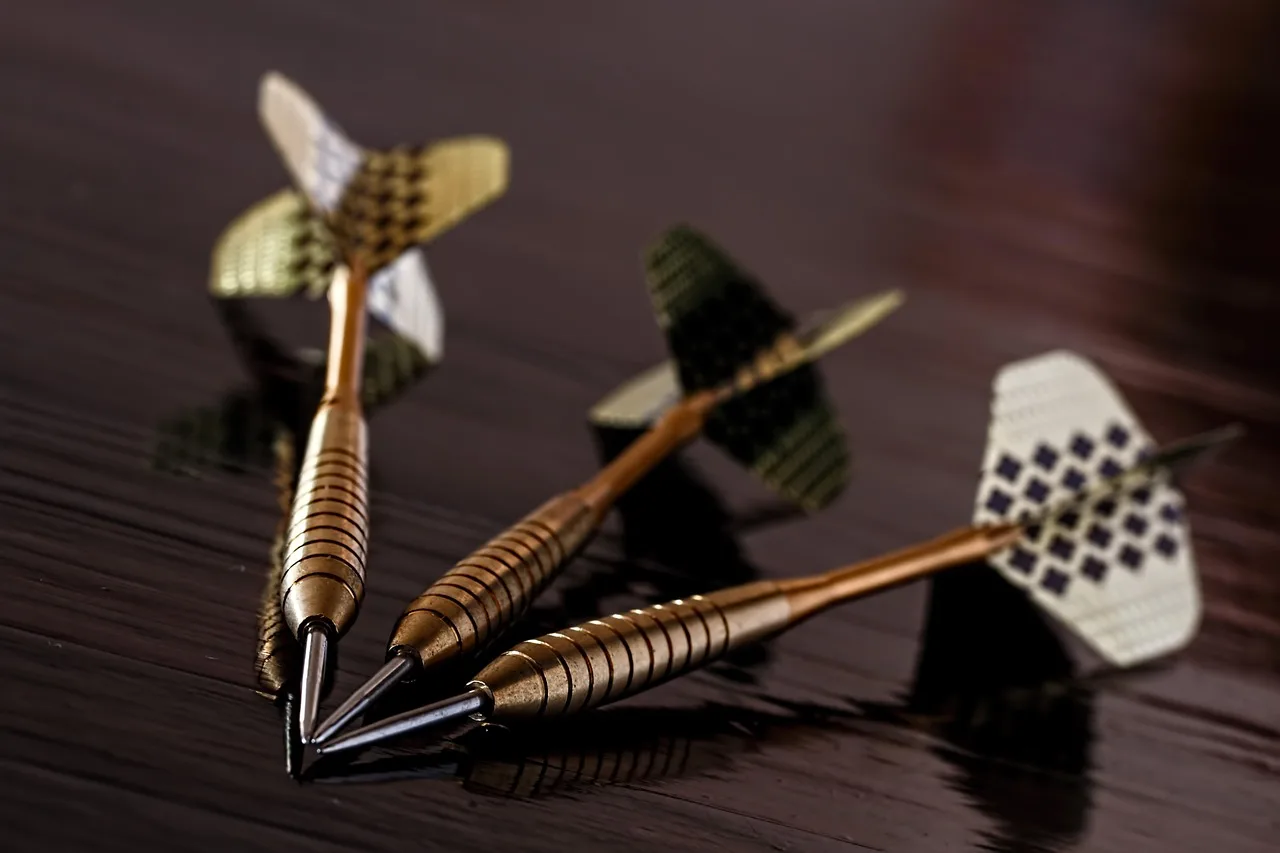


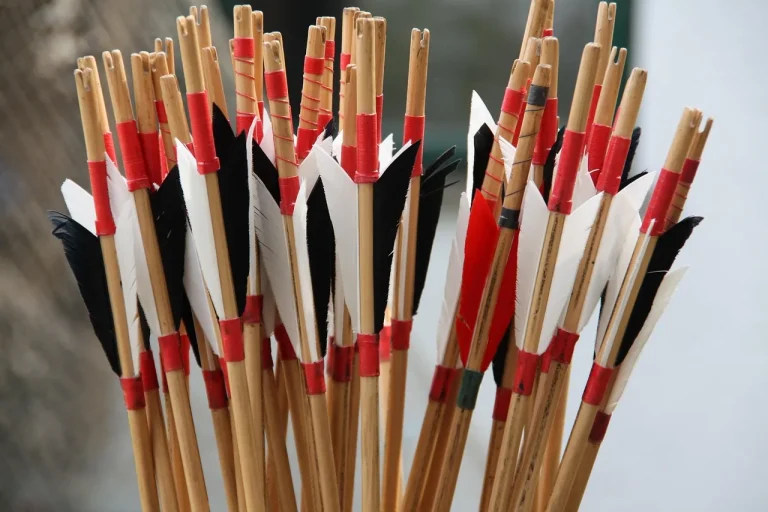
Target arrows are precision shafts sold for target shooting, and price shifts most with fit, finish, and packaging. A bare shaft costs less than a fletched arrow. A tighter straightness spec costs more. Smaller diameters usually cost more too, especially when the line is sold for target or 3D use rather than general practice.
Target arrows are not hunting arrows. Hunting arrows are built around broadhead use and terminal performance, while target arrows are built for repeatable flight, clean tuning, and score shooting. They also should not be treated like crossbow bolts; the lengths, nock systems, and power requirements differ enough that the comparison stops there.
What changes price
The main price drivers are spine, diameter, straightness tolerance, and pack size. Spine has to match draw weight, arrow length, and bow type. Diameter affects material use and, often, the premium the brand can charge. Pack size changes the unit price quickly, with 72-packs usually carrying the lowest per-arrow cost.
Setup fit matters more than the label because an arrow that is wrong for the bow can cost twice, once at purchase and again in lost performance. A stiff arrow can refuse to tune cleanly. A weak arrow can kick hard, group inconsistently, and punish broadhead or point changes later.
What target arrow specs change the price?
Spine, diameter, and straightness are the specs that most often move target arrow pricing. The pack format changes the sticker total, but the setup specs decide whether the price buys the right shaft for your bow. For recurve and compound shooters, that fit matters more than brand packaging.
Spine ranges buyers will see
Common target spine sizes include about 200, 250, 300, 350, 400, and 500. Competitor inventory can run much wider, with listings up to 1400. That broader range does not mean every spine is useful for every bow; it means stores carry a wide mix for different draw weights and arrow lengths.
Black Eagle target-arrow filters include spine sizes from 200 to 1400, and they list .001 straightness as a filter spec. Those are premium-style search filters, not a promise that every spine is right for every setup.
Diameter options and pricing cues
Common target diameters include .166, .204, and .246. Some inventory filters also show values like about .125, .165, .315, .345, and .380. Smaller diameters are usually marketed for precision and long-range use, while larger diameters can be easier to see and sometimes better for indoor or closer target work.
That matters because diameter is not only a performance cue, it is also a product-family cue. Thin shafts tend to sit in the premium part of the target market more often than thicker, simpler options.
Straightness tolerance and premium bins
Straightness tolerance is one of the clearest premium cues. A .001 straightness spec appears in Black Eagle filters, and that kind of tolerance is typically sold as a higher-end accuracy feature. It does not replace proper spine matching, but it can matter once the bow is tuned and the archer is chasing tighter groups.
For buyers, the practical rule is simple: pay for straightness only after the spine and diameter are right. A very straight arrow with the wrong spine is still the wrong arrow.
Spine choice for recurve and compound
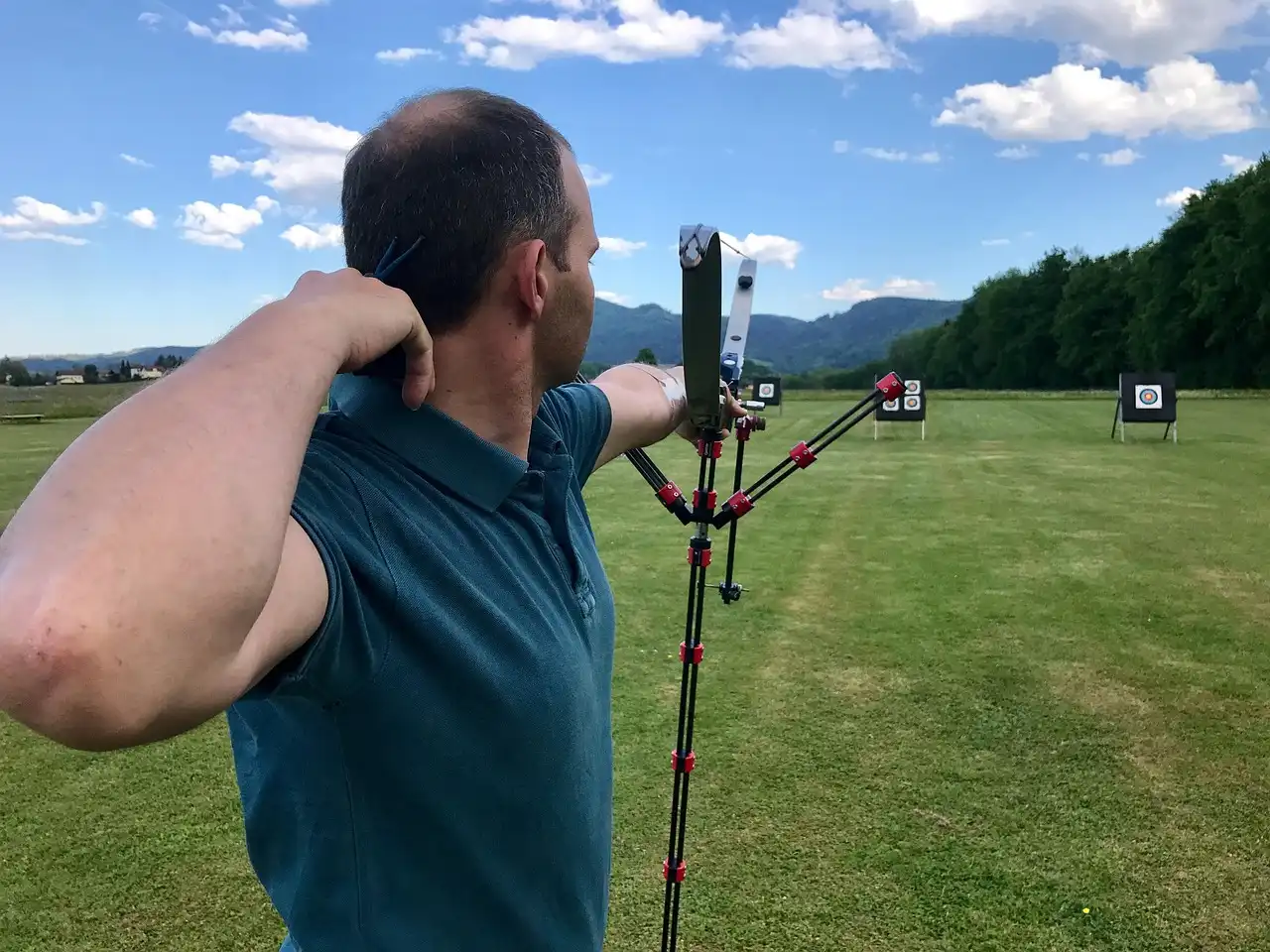
Choose spine to match draw weight, arrow length, point weight, and bow type. For target use, the common zone most buyers will see is 200 to 500, though inventory can go much broader. Recurve bows and compound bows often land in different spine bands even at similar draw weight because release and stored energy differ.
If the spine is too stiff, the arrow usually resists bending around the riser or rest cleanly. If it is too weak, the shaft can flex too much and leave the bow inconsistently. Both errors can show up as poor grouping, loud launch, or tuning problems that do not go away with sight adjustment alone.
Common spine ranges
Many target setups land in the 300 to 500 range for lighter or moderate setups, while stronger compound setups and longer arrows may need stiffer options. Lower numbers like about 200 or 250 are commonly seen in heavier setups. Higher numbers such as 1000 or 1400 appear in broader inventory, but those are not the default starting point for most target buyers.
- Start with bow type: recurve or compound.
- Check draw weight at full draw, not the label alone.
- Add arrow length and point weight to the spine choice.
- Use the brand chart, then verify with tuning or a trusted dealer chart.
What too stiff looks like
A spine that is too stiff often shows up as stubborn left-right behavior that does not settle after normal tuning. The arrow may clear poorly, especially with recurves or with point weights that are too light for the shaft. A common first-timer mistake is buying a stiff shaft for the sticker price and then trying to tune around it.
Picture a compound setup with a short draw and a shaft that is too stiff. The shooter may chase rest changes and sight corrections for a problem that started with the arrow, not the bow. The fix is usually a different spine, not a different sight pin.
What too weak looks like
A weak shaft often reacts the opposite way: too much flex, messy paper results, and poor repeatability when the archer changes release quality or point weight. On recurve bows, a weak shaft can be especially obvious because the arrow has to recover cleanly from a more direct release path.
Suppose a beginner compound archer moves up in draw weight but keeps the same arrows. The shaft can become too weak overnight, and the groups may open up even though the shooter form has not changed. That is a spine problem first, not a brand problem.
Why brand charts still need verification
Brand charts are useful, but they are not universal. Spine numbers do not behave identically across every brand, and arrow length changes the effective spine you need. Verify the chart against your actual draw length, draw weight, point weight, and nock setup before buying by the dozen.
Diameter choice:.166,.204, or.246?
Smaller diameters are often aimed at precision and long-range use. Larger diameters can be more forgiving in some indoor or closer-range target formats. The right pick depends on the bow, the distance, and the kind of scoring you care about.
When smaller diameter makes sense
.166 shafts are a common premium choice when the goal is reduced frontal area and a compact target profile. That usually matters more outdoors and in competitive settings where the setup is already tuned. It matters less if the bow is not tuned well enough to justify the premium.
Altra lists .166 target and 3D options, including 166 Phantom Limited Arrows starting at $139.99. That gives a useful signal: thin diameter often sits in the higher-priced part of the market.
How diameter affects cost and use case
.204 is often the middle-ground option. It can be easier to source, still target-focused, and sometimes less expensive than the smallest premium shafts. The same source lists 204 NOVUM Arrows starting at $74.99, which makes .204 a good place for buyers who want target-specific arrows without jumping to the thinnest premium tier.
.246 is typically the larger of the three main target diameters covered here. It can suit some indoor or larger-face target needs, and it may be a sensible value choice when the archer wants target performance without paying for the smallest shaft size.
Which diameter fits indoor, outdoor, and competition needs?
For outdoor target shooting, many archers lean toward smaller diameters when the budget allows and the bow is already tuned. For indoor work, a larger or middle diameter can make more sense if scoring format, visibility, and arrow recovery are the priorities. Competition buyers should match diameter to rule set and arrow inspection requirements before chasing a thinner shaft.
Target arrow buyer matrix
This table gives a quick shortlisting tool. The aim is not to pick the “best” arrow in the abstract, but to narrow the right diameter, spine band, and pack style for the bow and budget.
| Diameter | Spine range | Pack format | Likely use case | Decision risk | Cost-per-arrow cue |
|---|---|---|---|---|---|
| .166 | Usually in the 200-500 target band; some inventories go far wider | 6-pack or 12-pack; premium target lines may also appear in bulk formats | Competitive outdoor target shooting, tuned compound or recurve setups | High if the bow is not already tuned; price rises quickly | Highest per arrow in most cases |
| .204 | Commonly in the 200-500 band | 6-pack, 12-pack, and some larger packs | General target shooting, club use, and value-focused competition setups | Moderate; still needs correct spine and length | Middle tier per arrow |
| .246 | Commonly in the 300-500 band for many target setups | 6-pack or 12-pack | Indoor or general target use where a larger shaft makes sense | Lower premium risk, but not ideal if the goal is the thinnest shaft | Often the lowest among these three |
| .125, .165, .315, .345, .380 | Inventory filter sizes vary widely | Usually brand-specific | Specialty or less common target setups | Higher sorting risk because the fit may be niche | Varies widely by line |
Per-arrow math is simple: divide the pack price by 6, 12, or 72. A 6-pack gives the highest unit cost, a 12-pack usually sits in the middle, and a 72-pack typically lowers the cost per arrow the most. The tradeoff is that bulk only helps if the arrow is already the right spine and diameter.
Shafts versus fletched arrows
Shafts are the bare-shaft option for custom builds. They make sense when the archer wants to choose vanes, insert weight, point weight, and nock setup. Black Eagle lists 12-pack shafts as a filter option, and Altra also offers shafts in 12-pack target-arrow formats.
Fletched arrows are the ready-to-shoot option. Altra offers fletched 6-pack target arrows, which suits buyers who want a shorter setup process and fewer assembly steps. Fletched arrows usually cost more per arrow than bare shafts because the work is already done.
Pack size and value
6-packs fit the archer who wants a small start, a match backup set, or a lower entry cost. 12-packs are the common middle ground for shafts and many target builds. 72-packs are for high-volume shooters, clubs, and serious spares planning, where unit cost matters more than the upfront total.
Black Eagle also lists an Intrepid Arrows 36 Pack Box as a target-arrow product. That shows how some brands split the market into smaller, medium, and bulk packaging rather than one standard count.
Black Eagle and Altra line examples
Black Eagle’s PS23 is listed at Tk 23,900.00, and the line includes PS25 and PS27 target-arrow families as well.
The same source lists multiple target and 3D families, including 166 Phantom Limited Arrows, 204 NOVUM Arrows, and 27 CENTRUM Premier at a regular price of $209.99. That mix shows the usual market split: limited and premier versions, plus different spine and package configurations across target and 3D lines.
Should I buy shafts only or fletched target arrows?
Buy shafts only when tuning, customization, or component control matters most. Buy fletched target arrows when convenience matters more and the bow is already close to tuned. For many new archers, fletched arrows are the safer first purchase because they remove assembly errors and let the shooter focus on form.
Bare shafts for custom builds
Bare shafts suit archers who want to tune around exact point weight, vane choice, and insert setup. That is useful for recurve and compound archers who change components often or who need to solve a tuning issue without repurchasing a finished arrow. The tradeoff is more setup work.
Fletched arrows for ready-to-shoot use
Fletched arrows are the easy choice for archers who want to shoot right away. They fit beginners well, and they also suit target shooters who want a quick replacement after a broken shaft. They are less flexible for custom tuning, but they save time and reduce build mistakes.
Which option suits tuning, indoor, and outdoor shooting?
For tuning-heavy work, shafts are usually the better buy. For indoor practice or a first target setup, fletched arrows are often the cleaner choice. Outdoor competition shooters who already know their setup may buy fletched arrows for convenience, then keep shafts on hand for rebuilds.
Who should buy which target arrows?
The best target arrow choice depends on the bow, the shooter’s experience, and the type of shooting. Beginners should favor simple, correctly spined arrows over premium thin shafts. Recurve archers often need more careful spine matching. Compound archers may gain more from exact tuning, while competition shooters can justify thinner and more expensive options once the setup is stable.
Beginner archers
Beginners should start with a reliable spine match and a package that is easy to replace. Fletched 6-packs are often enough to learn setup and form without overbuying. A beginner should not pay for the thinnest diameter first if the bow is still changing draw weight, brace height, or anchor consistency.
Recurve archers
Recurve setups are sensitive to spine choice because the release and bow reaction can expose weak or stiff shafts quickly. Recurve archers usually benefit from careful spine verification and a diameter that matches their target distance and competition format. Many recurve buyers should start with the chart, then confirm with tuning.
Compound archers
Compound archers often care about consistent group behavior, clean rest interaction, and repeatable spine. A compound shooter with a well-tuned rig can justify premium straightness or a smaller diameter more easily than someone whose bow still needs work. The wrong spine can still ruin value.
3D and target competition shooters
Competition shooters often split the difference between cost and performance. Target-specific lines usually get priority when the goal is score, while 3D-specific or combined target-and-3D lines can make sense when the same shaft must work across formats. Check whether the brand sells the line as target, 3D, or both before buying by the dozen.
Just Hunters groups archery inventory under Arrows, Compound Bow, and RECURVE BOW, which reflects the basic buying logic: the bow category should guide the arrow choice, not the other way around.
Pros and cons
- Pros: Clear setup-driven buying makes it easier to avoid bad spine matches.
- Pros: .166, .204, and .246 give buyers practical diameter choices.
- Pros: Shafts, fletched arrows, and multiple pack sizes fit different budgets.
- Cons: Premium thin shafts can get expensive fast.
- Cons: Brand charts still need verification against real draw weight and length.
- Cons: A wrong spine can waste money even on a premium line.
Frequently asked questions
What are target arrows and how are they different from hunting arrows?
Target arrows are built for precision shooting and repeatable flight, while hunting arrows are built around field use and terminal performance. Target arrows are usually sold as shafts or fletched arrows, with multiple spine and diameter options. They are not a direct substitute for crossbow bolts or hunting setups.
What spine should I choose for target arrows?
Start with the bow type, draw weight, arrow length, and point weight. If the spine is too stiff or too weak, tuning and grouping usually suffer.
Which target arrow diameter is best for my bow setup?
Smaller diameters are marketed for precision and long-range use, but the right choice still depends on bow fit and competition format.
How much do target arrows cost?
Price depends on diameter, spine, straightness, and pack size. Pack size changes the unit cost quickly.
How do I choose between 6-pack, 12-pack, and 72-pack target arrows?
Use 6-packs for testing, backups, or lower upfront cost. Use 12-packs for most custom builds and typical target buying. Use 72-packs only when the arrow is already proven, because bulk lowers per-arrow cost but raises the upfront spend. Divide the sticker price by the pack count to compare value.