What is Field Archery? A Beginner’s Guide to Outdoor Shooting
Few outdoor sports combine skill, nature, and tradition quite like field archery. If you imagine archery only as shooting targets in a gym or stadium, field archery offers a completely different experience. Instead of fixed distances and flat ground, archers walk through forests, hills, and fields, shooting at targets set at different ranges and angles. This sport challenges not just your aim but your ability to judge distance, adapt to terrain, and stay focused amid the sounds and sights of the outdoors.
Field archery is growing fast worldwide, attracting both traditional archery fans and newcomers who want more adventure. Whether you’re curious about trying it, interested in its competition format, or just want to understand how it differs from other types of archery, this guide covers everything you need to know.
By the end, you’ll not only understand what field archery is, but also why so many find it rewarding, and how to start if you’re inspired.
What Is Field Archery?
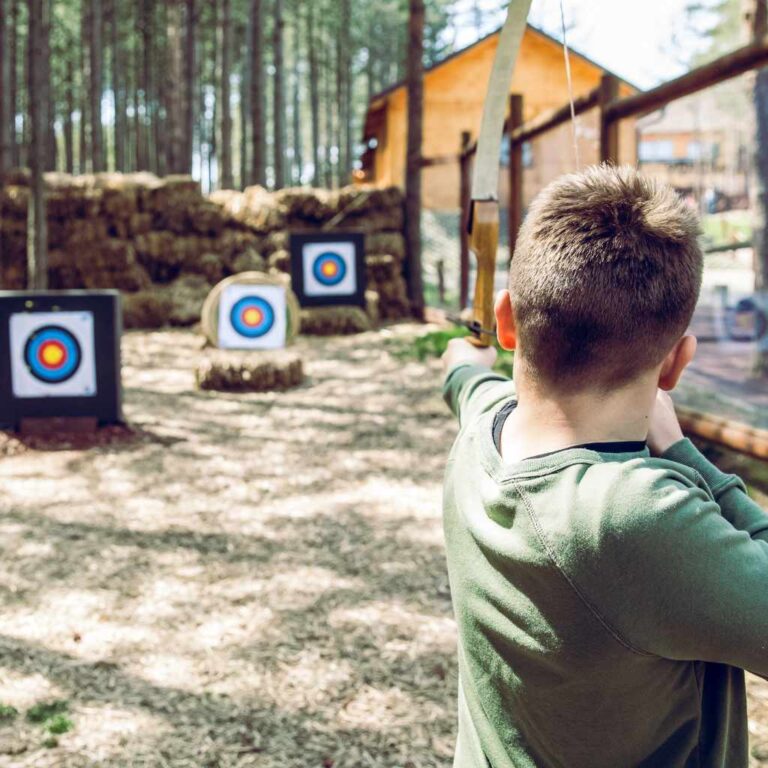
Field archery is a type of archery sport where archers shoot at targets set along a course, usually outdoors in natural terrain like woods, hills, or grasslands. Targets can be at various distances, not always marked, and often placed at different heights or angles. Unlike target archery, where everything is measured and controlled, field archery mimics hunting conditions and real-world challenges.
You may shoot uphill, downhill, across open fields, or between trees. Courses often have 24 or 28 targets, with distances ranging from just a few yards to over 80 yards (about 73 meters) in some classes. The goal is to hit each target as close to the center as possible, scoring points based on accuracy.
Field archery is both recreational and competitive. Some people enjoy the walk and challenge, while others compete in local, national, or international tournaments. There are different styles, rules, and equipment allowed, but all require a blend of skill, physical endurance, and mental focus.
A Short History Of Field Archery
Field archery’s roots trace back to traditional hunting and survival skills. Before bows became tools for sport, they were used for hunting in forests and open land. As target archery became popular in the 1800s, some archers wanted to keep the outdoor, unpredictable spirit alive.
This led to the development of field archery in the early 20th century.
The National Field Archery Association (NFAA) was founded in the United States in 1939, creating official rules and courses. The sport quickly spread to Europe and beyond, with the World Archery Federation (formerly FITA) adopting field archery as a competition discipline. Today, field archery is recognized globally, with world championships and thousands of active clubs.
One non-obvious insight: Many field archery clubs are located in rural or wooded areas, which makes the sport accessible to people who enjoy being outdoors and away from cities. Unlike Olympic-style target archery, you won’t always find field archery in urban centers.
How Field Archery Differs From Target Archery
While both involve bows and arrows, the experience is very different. Here are the main differences:
| Feature | Field Archery | Target Archery |
|---|---|---|
| Shooting Environment | Natural terrain (woods, hills, fields) | Flat, open field or indoor range |
| Target Distance | Varied, often unknown | Fixed, marked |
| Course Style | Walk-through, multiple targets | Shoot from one spot at one target |
| Weather & Light | Can change during round | Usually controlled |
| Equipment Allowed | More traditional options allowed | Mostly modern recurve/compound |
In field archery, you need to judge distances, handle uneven footing, and adapt to changing weather. Target archery focuses more on repeating the same shot from a known distance.
Example: In a field archery tournament, you might shoot at a target 10 yards away, then walk uphill and shoot at another 55 yards away, then move through trees and shoot at a target placed partly in shadow. In target archery, you would shoot all your arrows from one spot at a target 70 meters away, with no changes in terrain or lighting.
Types Of Field Archery Rounds
Field archery isn’t just one style. There are several main types, each with unique rules and challenges.
Field Round
This is the most common style in the United States. Archers shoot at black and white targets, usually 24 or 28 per course, with distances from 20 feet to 80 yards. Distances are marked. Scoring rings are used, with points for different areas.
Hunter Round
Targets are all black with a white center. Distances are shorter (20 to 70 yards) and not marked, so you must estimate. This adds a challenge similar to hunting.
Animal Round
Targets are realistic images of animals, and scoring is based on vital areas (heart, lungs, body). Distances are marked. This round is popular with bowhunters.
International/world Archery Field
Used in world competitions, this round has 24 targets per course. Some targets are at marked distances, others unmarked. Courses can have steep slopes, uneven terrain, and targets at odd angles.
Pro Tip: If you’re new, try a marked-distance round first. Estimating distance is a skill that takes time to develop.
Equipment Used In Field Archery
Field archery welcomes a wide range of equipment. Here’s what you might see:
Bows
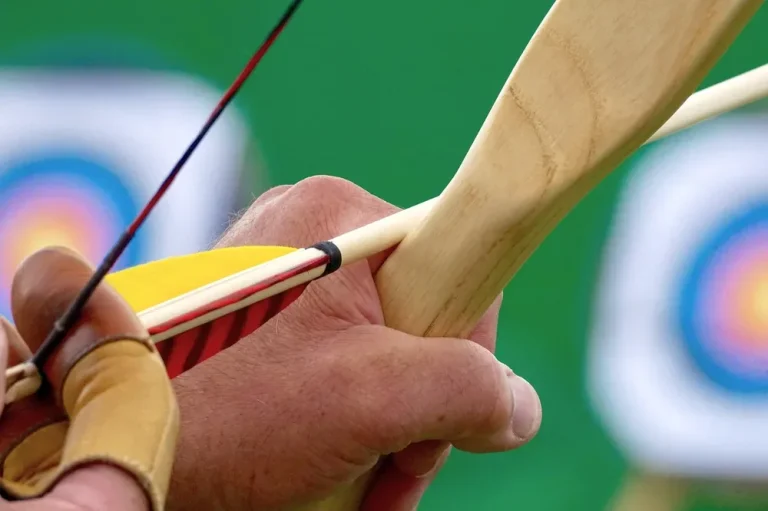
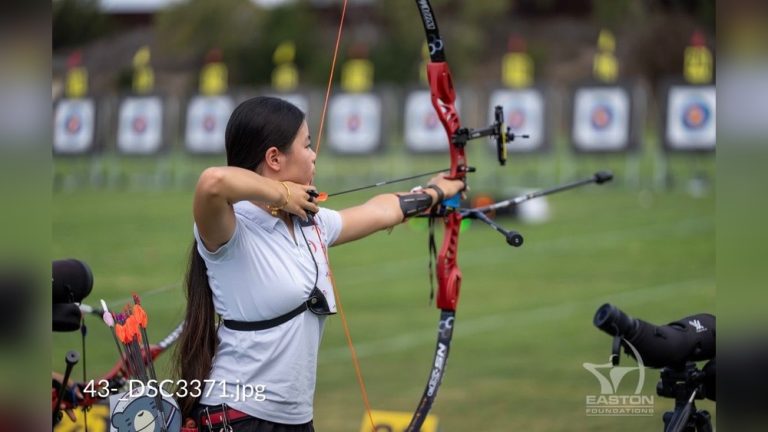
- Recurve Bows, Popular in both field and target archery. They use limbs that curve away from the archer.
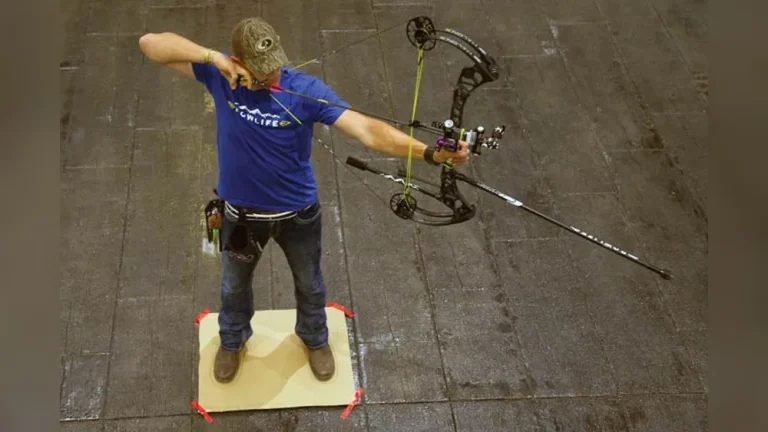
- Compound Bows, Use pulleys and cables for more power and accuracy.
- Longbows, Traditional, simple bows with no sights or stabilizers.
- Barebow, Recurve or longbow with no sights or stabilizers.
Arrows
Field archery arrows are usually made of carbon or aluminum. They must be durable enough for outdoor use and sometimes rough terrain. Arrow points are rounded or blunt, not broadheads (which are for hunting).
Sights And Accessories
- Sights, Adjustable, but simpler for some classes (barebow, traditional).
- Stabilizers, Help balance the bow, optional for some styles.
- Quiver, Carries arrows.
- Rangefinder, Not allowed in competitions, but some use them for practice.
Footwear And Clothing
Good hiking boots are common, since courses can be muddy, rocky, or steep. Clothing should protect you from weather and brush but allow movement.
Example: In my experience, wearing waterproof boots has saved me from wet feet more than once on a rainy field course. It’s easy to forget this detail, but comfort and safety can make or break your round.
How A Field Archery Course Works
When you arrive at a field archery course, you’ll find a set of targets spread out over a loop or trail. Here’s what happens during a typical round:
- Starting Out: Archers gather at the first target, usually in small groups.
- Walking the Course: You move from target to target, following a set path. The terrain may rise, fall, or twist.
- Shooting: At each target, you shoot a set number of arrows (often 3 or 4). You may have to shoot from standing, kneeling, or even unusual positions if trees or rocks block part of the target.
- Scoring: After everyone shoots, you walk up and score your arrows. Higher points are for closer-to-center hits.
- Moving On: After scoring, you continue to the next target until the course is done.
Some courses take 2-4 hours to complete, depending on the number of archers and the difficulty of the terrain.
Scoring And Rules
Each field archery organization has its own rules, but the basics are similar. Here’s a quick look:
| Round Type | Number of Targets | Arrows per Target | Scoring Zones |
|---|---|---|---|
| Field Round (NFAA) | 28 | 4 | 5 (center), 4, 3, 0 (miss) |
| Hunter Round (NFAA) | 28 | 4 | Same as Field Round |
| Animal Round (NFAA) | 28 | 1-3 (depends) | Kill (20/18/16), Vital (18/16/14), Body (16/14/12) |
| World Archery Field | 24 | 3 | 6 (center), 5, 4, 0 (miss) |
Common Rules:
- No rangefinders or electronic aids during competition.
- You must shoot from the marked peg or stake.
- Only the shooter and scorekeeper can touch arrows until scores are recorded.
Non-obvious insight: In field archery, wind and lighting often change shot by shot. Shadows, sun glare, and even leaves moving in the breeze can affect your aim, making it more dynamic than indoor target archery.
Who Can Participate?
Field archery is open to almost everyone. Clubs and competitions have divisions for different ages, genders, and equipment types. There are classes for:
- Juniors (children and teens)
- Adults
- Seniors (older adults)
- Male/Female
- Equipment types (compound, recurve, longbow, barebow)
No matter your age or background, you can find a group that fits your style and skill level. Many families shoot together, and clubs often have rental equipment and beginner classes.
Key Skills Developed In Field Archery
Field archery teaches more than just shooting:
- Distance Judging: You learn to estimate how far away a target is, a skill useful even outside archery.
- Adaptability: Each shot is different. You must adjust your stance, aim, and strength for uphill, downhill, or side-angle shots.
- Concentration: Distractions like wind, birds, or other archers test your focus.
- Physical Fitness: Walking miles in the woods, sometimes up and down hills, builds endurance.
Pro Tip: Practice shooting from different positions, kneeling, sitting, or with uneven footing. Real courses rarely give you a perfect shot.
Health And Safety In Field Archery
Safety is a top priority. Here’s what matters most:
- Range Rules: Only shoot when the area is clear. Listen to the range master or course official.
- Equipment Checks: Inspect bows and arrows for damage before each round.
- First Aid: Many clubs have first aid kits and trained personnel. Courses can be remote, so carry water, a phone, and basic supplies.
- Weather Awareness: Sun, rain, or cold can change quickly. Dress in layers and bring sunscreen or rain gear.
Accidents are rare, but it’s important to respect the power of a bow and the unpredictability of outdoor courses.

Credit: archerygb.org
Field Archery For Bowhunters
Many bowhunters use field archery as practice for hunting season. The skills are similar: judging distance, shooting in difficult positions, and moving quietly through the woods. Some animal rounds even use 3D foam targets shaped like deer, bears, or other game.
Example: Practicing uphill and downhill shots on a field course can reveal how much your aim changes at different angles, something hunters need to know for ethical, accurate shooting.
Field Archery As A Competitive Sport
Field archery is a recognized competition sport, with local, national, and international events. The World Archery Field Championships and NFAA Field Nationals are two of the biggest events. Top shooters can compete for medals and rankings, but most events welcome all skill levels.
How Tournaments Work:
- Archers are grouped into classes by age, gender, and equipment.
- Each person shoots the full course, scores are added, and winners are announced.
- Some events have team competitions.
Pro Tip: Even if you’re not interested in serious competition, local tournaments are friendly and a great way to learn from experienced archers.

Credit: archerygb.org
How To Get Started In Field Archery
If you want to try field archery, here’s a roadmap:
- Find a Club: Search online or ask at a local archery shop. Most field archery clubs offer beginner lessons.
- Use Club Equipment: Many clubs loan bows, arrows, and safety gear to new members.
- Take a Lesson: Learn safety, shooting basics, and course rules.
- Join a Fun Shoot: These are informal events where you can walk the course and shoot at your own pace.
- Buy Your Own Gear: Once you know what you like, invest in your own bow and arrows. Start simple, you don’t need top-level equipment to enjoy field archery.
- Practice Judging Distance: Use everyday objects (a fencepost, a mailbox) to estimate distances and test yourself.
Warning: Don’t buy expensive gear before you’ve tried the sport. What works indoors or for target archery might not suit field conditions.
Field Archery Around The World
Field archery has a strong following in the US, UK, Europe, Australia, and parts of Asia. The rules can change slightly between countries and organizations, but the spirit is the same: shooting outdoors, enjoying nature, and testing your skills.
The World Archery Federation and International Field Archery Association (IFAA) set many international standards. In some countries, field archery is part of school sports or scouting programs.
For more information on international rules and upcoming competitions, visit the World Archery Federation website.

Credit: scoutingevent.com
Field Archery Vs. 3d Archery
Many people confuse field archery with 3D archery. While both are shot outdoors on a walking course, there are important differences:
| Aspect | Field Archery | 3D Archery |
|---|---|---|
| Target Type | Paper or cardboard, circles | Foam animal shapes |
| Scoring | Rings, marked on target face | Scoring zones on animal (vital, body, etc.) |
| Distances | Marked or unmarked, longer | Usually unmarked |