What is 3D Field Archery? A Beginner’s Guide to the Sport
Few sports combine skill, nature, and adventure as well as 3D field archery. If you love the outdoors and enjoy testing your focus, this form of archery offers a unique blend of challenge and fun. Unlike traditional target archery, 3D field archery brings you into forests, open fields, and rolling hills, letting you practice shooting at life-sized animal targets in settings that mimic real hunting scenarios. Many archers say that 3D field archery sharpens their abilities more than any indoor range could.
This sport is popular among both beginners and experienced archers. It is also growing fast around the world. If you are curious about what makes 3D field archery special, how it differs from other types, and what you need to get started, this guide covers everything you need to know.
You will learn about the basics, equipment, scoring, common mistakes, and tips for improvement. Whether you want to try it as a hobby or join competitions, you will find practical advice here.
What Is 3d Field Archery?
3D field archery is a shooting sport where archers walk a course set outdoors and shoot arrows at three-dimensional foam animal targets. The targets are placed at different, often unmarked, distances and in varied terrain. This setup is designed to simulate real hunting situations without harming live animals.
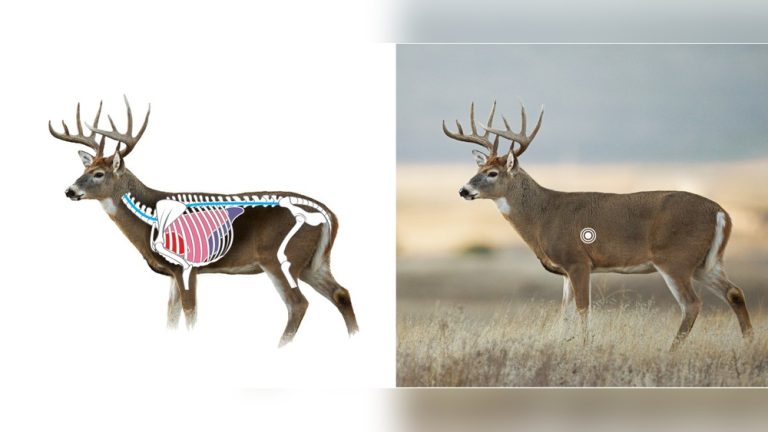
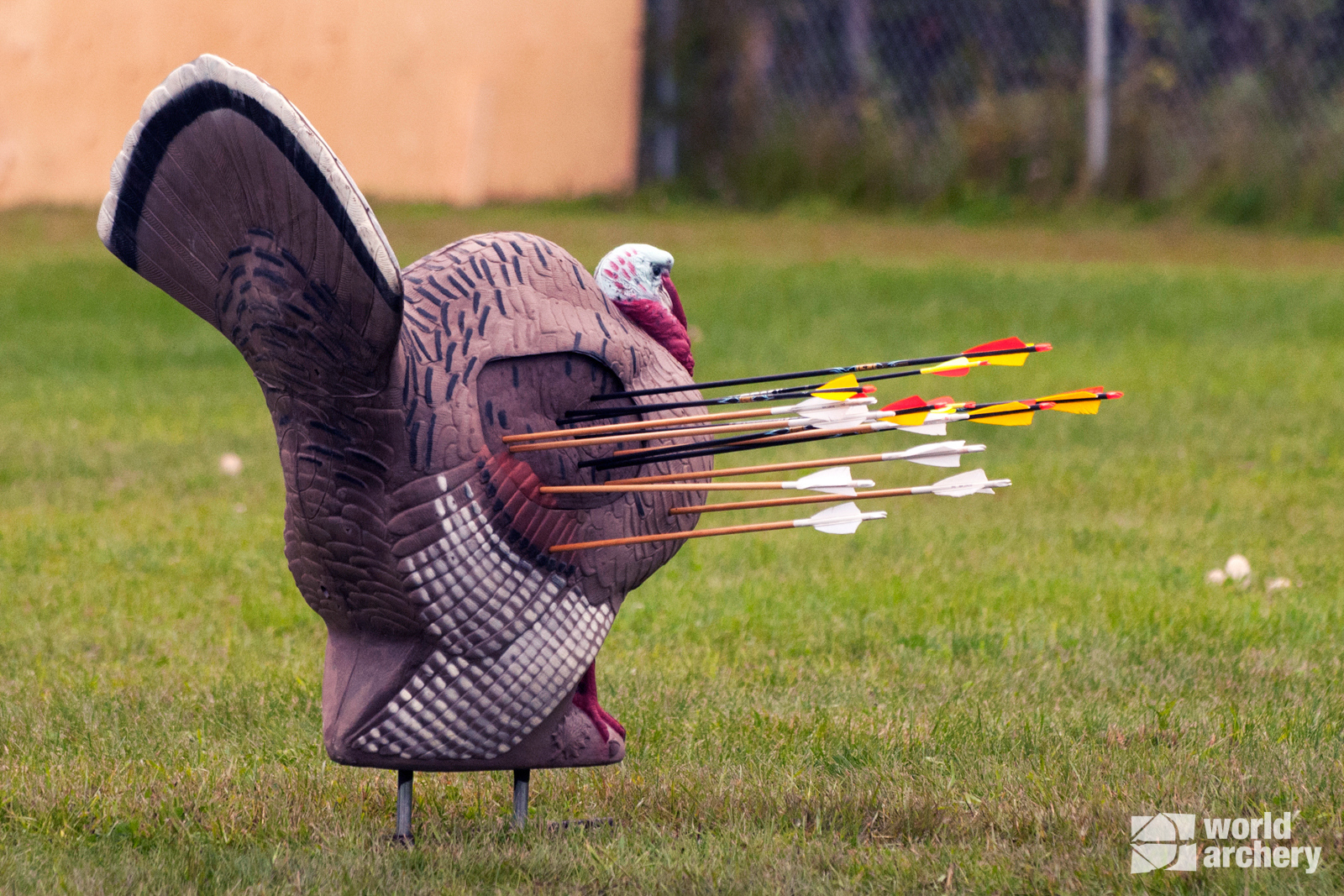
Each target is shaped and painted to look like wildlife, deer, bears, turkeys, or even small animals like raccoons. The goal is not just to hit the target, but to aim for the vital zone, the area where a real animal’s heart and lungs would be. Courses may have 20 to 40 targets, and each shot presents a new challenge because the distance, angle, and background change constantly.
Key features of 3D field archery:
- Outdoor setting: Courses are set in forests, parks, or open land.
- Life-sized targets: Foam animals at realistic sizes and shapes.
- Unmarked distances: Archers must estimate the range to each target.
- Varied terrain: Hills, slopes, and obstacles make every shot different.
This sport began in the 1980s as a way for bowhunters to practice. Today, it is a recognized archery discipline with national and international competitions.
How 3d Field Archery Differs From Other Archery Types
Many people confuse 3D field archery with target or field archery. While all use bows and arrows, there are important differences.
Target Archery Vs. 3d Field Archery
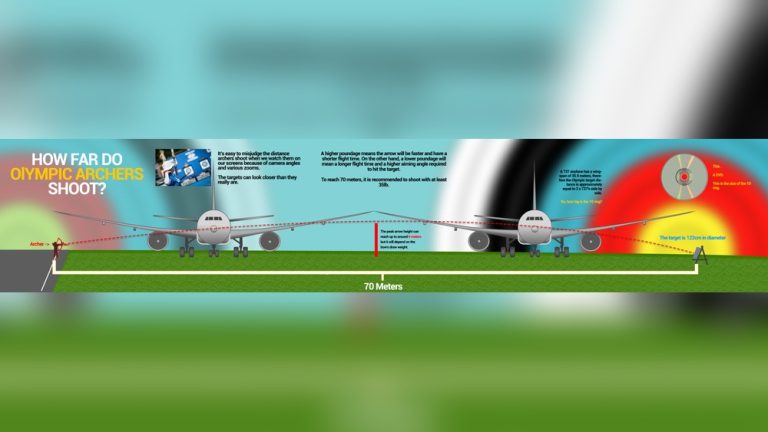
In target archery, shooters stand at fixed distances and shoot at circular paper targets. Distances are known ahead of time, and the environment is usually flat and open.
3D field archery:
- Distances are unknown and must be judged by the archer.
- Targets are three-dimensional animal shapes, not flat circles.
- The course is set in natural terrain, not a level field.
Field Archery Vs. 3d Field Archery
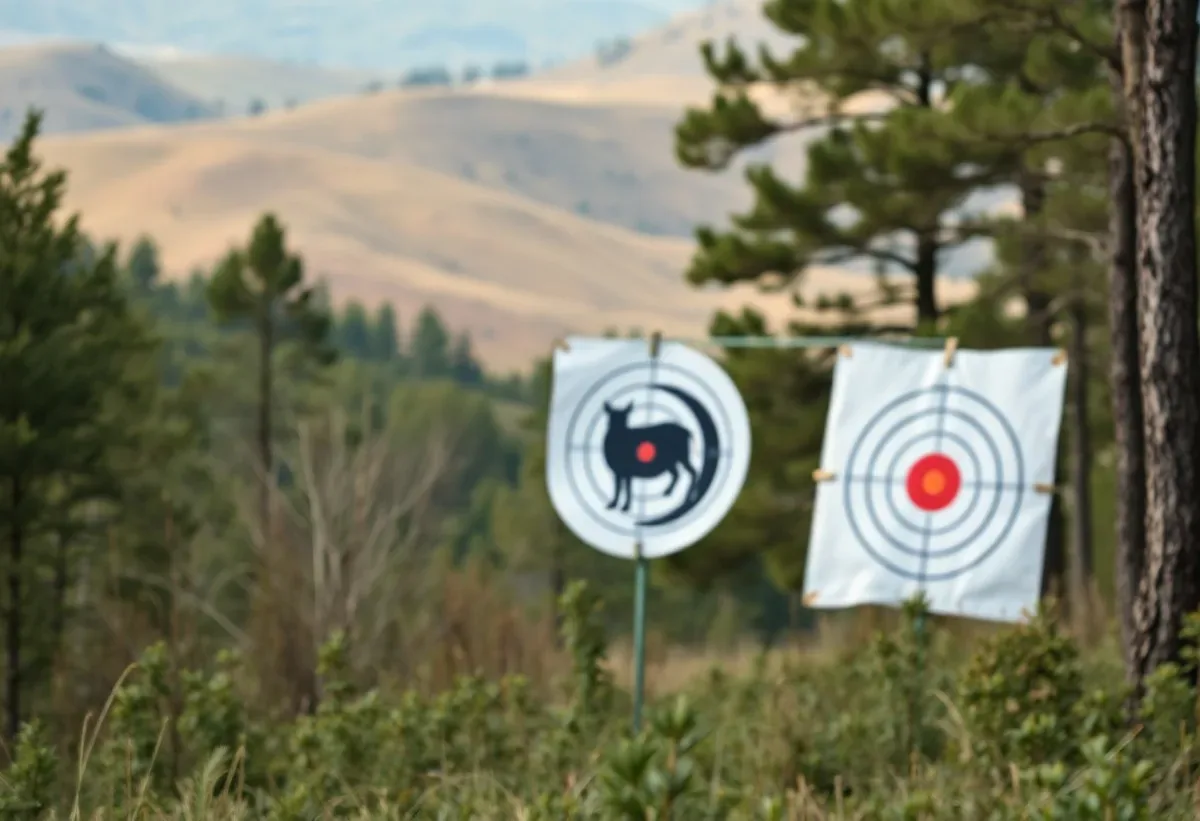
Field archery uses paper or foam targets with black and white rings, set at known or unknown distances in wooded areas. The main difference is the target type, field archery does not use animal-shaped targets.
Table: Key Differences Among Archery Types
| Aspect | 3D Field Archery | Target Archery | Field Archery |
|---|---|---|---|
| Target Type | Foam animals | Paper circles | Paper/foam rings |
| Distance | Unmarked | Marked | Both |
| Location | Outdoors, terrain | Field or indoors | Woods/terrain |
| Scoring | Vital zones | Scoring rings | Scoring rings |
This comparison helps highlight why 3D field archery is often considered more dynamic and closer to real hunting than the other types.
The Structure Of A 3d Field Archery Course
A typical 3D field archery course is designed to challenge both your shooting skills and your ability to judge distance, terrain, and angles. Understanding how a course is set up will help you prepare for your first event.
Course Layout
Most courses have 20, 28, or 40 targets spread out over a loop or trail in a natural area. You start at the first target, shoot, then walk to the next, following a marked path. Some courses are flat, but many use hills, slopes, and obstacles to make shots more realistic.
Targets are placed at different distances, usually between 5 and 50 yards (for adults). The variety makes each target unique, one may be a close rabbit in thick brush, the next a far-off deer across a stream.
Shooting Positions
At each target, there is a shooting stake, a colored marker that tells you where to stand. Different colors may be used for different skill levels or age groups. For example, youth or novice archers may shoot from a closer stake.
Number Of Arrows
Most 3D field archery events allow one arrow per target. Some formats may allow two or more, but the most common style is “one shot, move on. ”
Table: Example Course Layout
| Target # | Animal Type | Estimated Distance (Yards) | Terrain Feature |
|---|---|---|---|
| 1 | Turkey | 12 | Flat, open |
| 2 | Deer | 35 | Across a stream |
| 3 | Bear | 28 | Up a slope |
| 4 | Rabbit | 8 | Thick brush |
This variety means you must adjust your aim, stance, and even your mindset for every shot.
Equipment Used In 3d Field Archery
One of the best things about 3D field archery is that you can start with simple equipment and upgrade over time. However, certain gear can make your experience safer and more enjoyable.
Bows
You can use almost any type of bow in 3D field archery:
- Compound bows: Most common for their accuracy and speed.
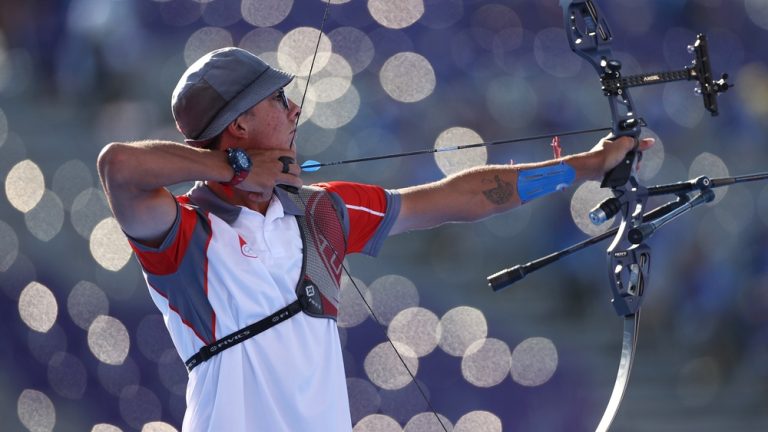
- Recurve bows: Popular among traditionalists and Olympic-style shooters.
- Longbows: Chosen by archers who like old-school style.
Each bow type has its own division in competitions, so you compete against similar equipment.
Arrows
Carbon arrows are the most popular because they are light and durable. Aluminum arrows are also used, but wood is rare except among traditional shooters. You should match your arrow spine (stiffness) to your bow’s draw weight for best accuracy.
Pro Tip: Use brightly colored fletching (feathers or vanes) to make lost arrows easier to find in grass or woods.
Sights And Accessories
- Sights: Many archers use a pin sight for aiming. Some compete “barebow” with no sight.
- Release aids: Compound shooters often use mechanical releases.
- Finger tabs or gloves: Used by recurve and longbow archers for finger protection.
- Quiver: Holds your arrows; hip, back, or bow-mounted styles are all common.
- Rangefinder: Allowed only in some divisions, not all competitions.
- Binoculars: Useful for spotting target zones, but check event rules.
Protective Gear
- Arm guard: Protects your forearm from the string.
- Chest guard: Less common, but helpful for some archers.
- Sturdy shoes: Essential for uneven, sometimes muddy terrain.
- Bug spray and sun protection: Necessary for outdoor events.
Example: Getting Started On A Budget
When I started, I used a basic recurve bow, cheap carbon arrows, and a cloth hip quiver. My total cost was under $200. As I improved, I invested in a better bow and custom arrows. Starting simple lets you enjoy the sport without a big investment.

Credit: archerygb.org
Scoring In 3d Field Archery
Scoring in 3D field archery is based on where your arrow lands in the animal target. Each target has scoring rings molded or painted on it, showing the vital zone (heart/lung area), with lower points for less vital hits.
Typical Scoring System
- 12 ring: The smallest circle, usually in the heart area.
- 10 ring: Larger than the 12, includes lungs.
- 8 ring: Main body zone.
- 5 points: Any other body hit.
- 0 points: Miss the target or hit the horn/hoof.
Some organizations use slightly different systems, but the idea is the same: reward the most accurate shots.
Table: Example Scoring Zones
| Zone | Points | Description |
|---|---|---|
| 12 ring | 12 | Heart shot, small circle |
| 10 ring | 10 | Lung area, medium circle |
| 8 ring | 8 | Body zone, large area |
| Other | 5 | Any other body hit |
| Miss | 0 | No hit or non-scoring area |
Pro Tip: Learn to spot the scoring rings from a distance. In competitions, you may not be allowed to walk up and check before shooting.
How To Start In 3d Field Archery
Getting started in 3D field archery is easier than you might think. Here are practical steps:
- Find a local club: Many archery clubs host 3D shoots. Search online or ask at a local archery shop.
- Attend a “fun shoot”: These are informal events for all skill levels. You can often borrow equipment.
- Take an intro class: Many clubs offer lessons in safety, equipment, and shooting basics.
- Buy or rent gear: Start with a basic bow and arrows. Don’t buy expensive gear until you know what you like.
- Practice distance judging: Use markers in your backyard to train your eye.
Example: My First 3d Shoot
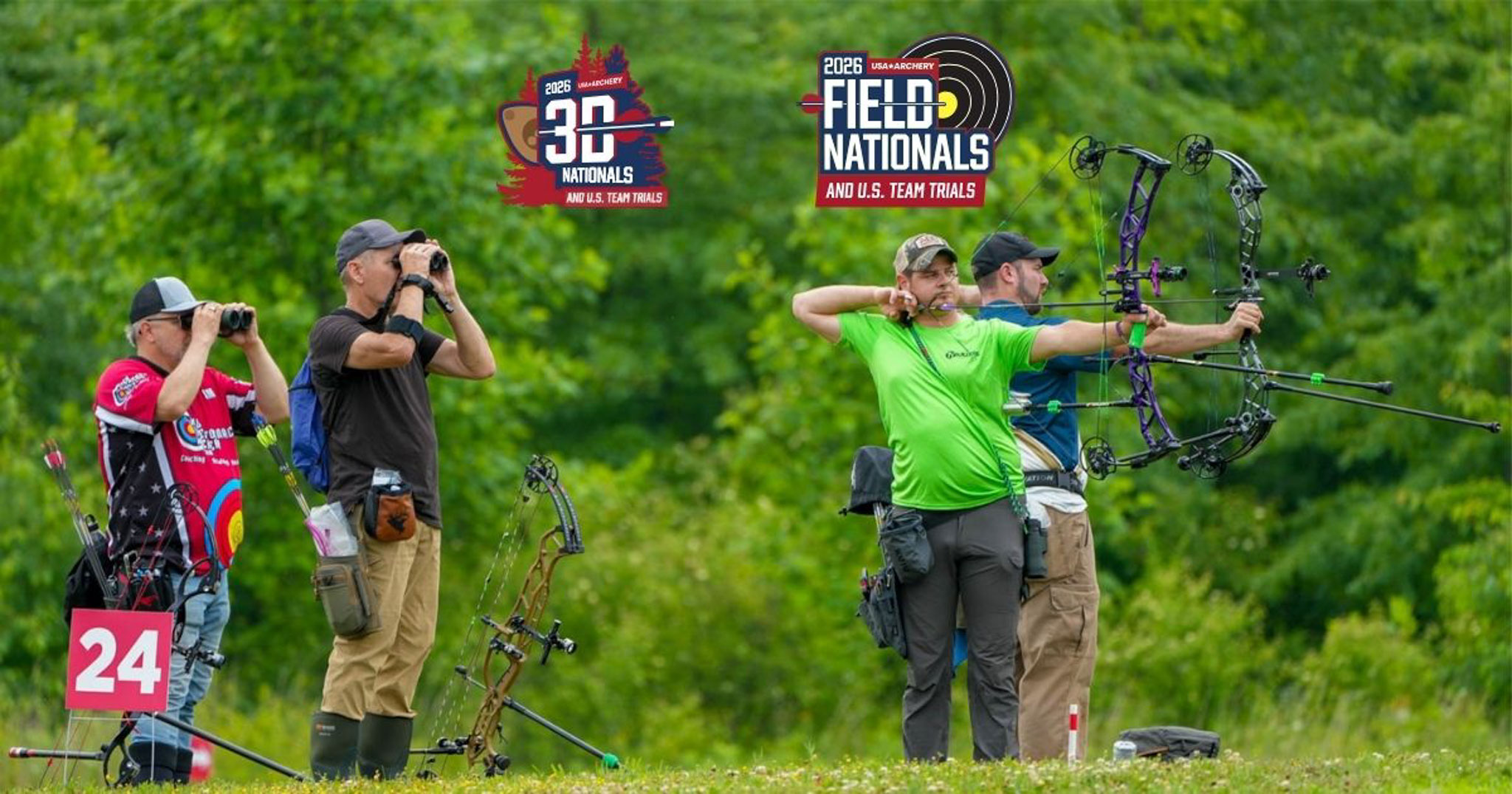
When I joined my first 3D event, I was nervous about missing targets or losing arrows. But the group was friendly, and experienced archers gave tips on aiming and judging distance. By the end, I hit more targets than I expected and had a great time outdoors.
Credit: www.usarchery.org
Rules And Etiquette
Like all sports, 3D field archery has rules to keep things fair and safe.
Common Rules
- One arrow per target (unless otherwise stated).
- No rangefinders in traditional or barebow divisions.
- No touching the target before all archers shoot.
- Stay behind the shooting stake until it’s your turn.
- Mark lost arrows to avoid confusion.
Etiquette
- Be quiet when others are shooting.
- Help look for lost arrows, it keeps the course safe and speeds up play.
- Don’t block the path when scoring or walking between targets.
- Congratulate good shots, encouragement makes the sport more fun.
Pro Tip: Arrive early to warm up and check your gear. Being prepared makes the day less stressful.
Common Mistakes Beginners Make
Even experienced archers make errors in 3D field archery. Here are mistakes I often see (and made myself):
1. Misjudging Distance
Estimating distance is much harder in the woods than on a flat field. Beginners often shoot too high or low. Practice with random targets at home to improve your eye.
2. Ignoring Terrain
Slopes, uphill, or downhill shots change the way you aim. For example, shooting uphill often requires aiming lower than you think.
3. Focusing Only On The Target
It’s easy to get “target panic”, rushing the shot. Take time to check your stance, grip, and anchor point before releasing.
4. Not Bringing Enough Arrows
You will lose or break arrows, especially at first. Bring extras and brightly colored fletching to help find them.
5. Forgetting Safety
Never walk ahead of the shooting line, even if you think everyone has finished. Safety is more important than speed.
Credit: startarchery.co.uk
Improving Your 3d Field Archery Skills
Progress in 3D field archery comes from focused practice and learning from each shot.
Practice Distance Judging
Set up objects at random distances in your yard. Estimate the range, then check with a tape measure. Over time, your accuracy will improve.
Work On Form
Consistent shooting form is more important than power. Focus on your anchor point, release, and follow-through.
Study The Targets
Learn where the scoring rings are on different animal shapes. Some targets have “trick” placements that are not where you expect.
Shoot With Others
Joining a group or club helps you learn faster. Watching others and getting feedback is invaluable.
Pro Tip: After each shoot, write down what worked and what didn’t. Small notes will help you improve more quickly.
Health And Safety Considerations
3D field archery is generally safe, but it involves walking in the woods, carrying gear, and shooting sharp arrows.
- Stay hydrated: Courses may take several hours.
- Wear sunscreen: Even in the woods, you can