Who is on the US Olympic Archery Team? Meet the Top Athletes
Every four years, the US Olympic Archery Team draws attention from sports fans, archery enthusiasts, and even casual viewers. The Olympics are not just about medals, they are about representing a nation, pushing personal limits, and inspiring the next generation. But who exactly are the athletes chosen to wear the stars and stripes on the world’s biggest stage? The path to making Team USA in archery is long and competitive, and each member brings a unique story, skillset, and background. Whether you follow archery closely or are simply curious about who stands on the shooting line for America, this guide will give you a clear, detailed look at the current US Olympic Archery Team, how they were selected, and what makes each athlete stand out.
How The Us Olympic Archery Team Is Selected
Selection for the US Olympic Archery Team is a demanding process. The United States follows a strict qualification system governed by USA Archery and the United States Olympic & Paralympic Committee. Unlike some other sports where coaches pick athletes, archery requires shooters to earn their place based on performance.
The Qualification Tournaments
The main path to the Olympics includes:
- US Olympic Trials: These are multi-stage tournaments held over several months. Archers compete in different rounds, with scores accumulated to determine the final ranking.
- International Quota Qualification: The team must secure spots for the Olympics by performing well at events like the World Archery Championships and Pan American Games.
- Final Team Selection: The top three men and top three women in recurve archery (the only Olympic discipline) are named to the team, along with an alternate in case of injury or withdrawal.
What Matters Most
Performance under pressure is key. Athletes must show:
- Consistency: High scores over several months.
- Mental toughness: Handling the stress of elimination rounds.
- Experience: Previous international competition counts, but it’s not everything, newcomers can and do make the team.
Pro Tip: Many beginners think past Olympians are always selected. In reality, every spot is earned fresh each cycle, so even past medalists must re-qualify.
Meet The 2026 Us Olympic Archery Team
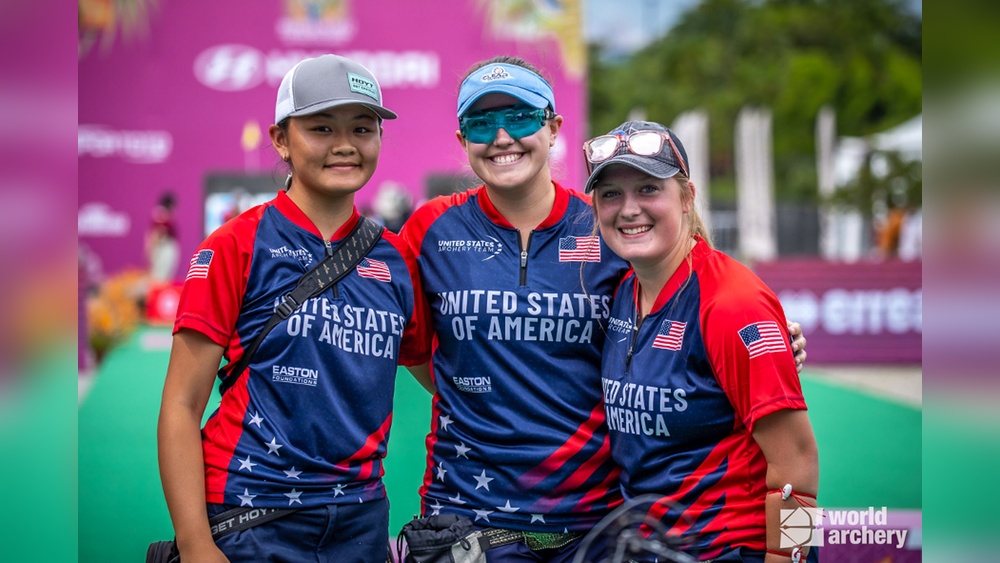
For the Paris 2026 Olympics, the US team features a blend of veterans and rising stars. Here’s a closer look at each member, their backgrounds, achievements, and what makes them unique.
Men’s Team
Brady Ellison
Brady Ellison is the most recognized American archer of his generation. He has competed in multiple Olympics, winning silver and bronze medals. Known for his calm focus and technical skill, Ellison is often called the “face of US archery.”
- Hometown: Globe, Arizona
- Major Achievements: Multiple World Cup titles, Olympic silver (2016), Olympic bronze (2012)
- Unique Strength: Exceptional under pressure, especially in shoot-offs
- Notable Fact: Ellison overcame serious finger injuries earlier in his career, adapting his technique to continue competing at the highest level.
Jack Williams
Jack Williams is part of the new wave of American talent. He made his Olympic debut in Tokyo 2020 and quickly established himself as a strong team and individual shooter.
- Hometown: Orange, California
- Major Achievements: Pan American Games gold medalist, US National Champion
- Unique Strength: Smooth, repeatable form
- Notable Fact: Williams started archery as a child, inspired by watching the Olympics on TV.
Matthew Requa
Matthew Requa is the newest face on the men’s squad. He earned his spot through consistent performance in the trials and a strong international season.
- Hometown: Houston, Texas
- Major Achievements: USAT Team member, multiple podium finishes nationally
- Unique Strength: Steady nerves in elimination matches
- Notable Fact: Requa balances competitive archery with university studies.
Women’s Team
Casey Kaufhold
At just 20 years old, Casey Kaufhold is already a world-class archer. She broke the junior world record and made headlines with her silver medal at the 2026 World Archery Championships.
- Hometown: Lancaster, Pennsylvania
- Major Achievements: World Championship silver (2026), Olympic team member (2020)
- Unique Strength: Quick adaptation to new competition formats
- Notable Fact: Kaufhold comes from a family of archers, her parents run an archery shop.
Jennifer Mucino-fernandez
Jennifer Mucino-Fernandez brings a fresh energy to the team. She first appeared at the Tokyo Olympics as a teenager and impressed many with her poise.
- Hometown: New York, New York
- Major Achievements: Youth Olympic Games competitor, US Collegiate Champion
- Unique Strength: Strong match play skills
- Notable Fact: Mucino-Fernandez balances archery with academics at Texas A&M.
Catalina Gnoriega
Catalina GNoriega rounds out the women’s team. She secured her spot through a series of strong performances at national and international events.
- Hometown: Los Angeles, California
- Major Achievements: USAT Team member, consistent top-8 national finishes
- Unique Strength: Focus under pressure, especially in wind and rain
- Notable Fact: GNoriega started archery in high school and progressed quickly to the elite level.
Alternates
Alternates travel with the team and may compete if a main member is unable to participate. For 2026, the men’s alternate is Jacob Wukie (Olympic silver medalist, London 2012), and the women’s alternate is Gabrielle Sasai, a rising junior champion.
Comparing The 2026 Team To Past Olympic Teams
To understand the 2026 team, it helps to see how it matches up to past teams in terms of experience, results, and backgrounds.
| Year | Men’s Notable Members | Women’s Notable Members | Team Medal |
|---|---|---|---|
| 2012 (London) | Brady Ellison, Jacob Wukie, Jake Kaminski | Khatuna Lorig, Miranda Leek, Jennifer Nichols | Silver (Men’s Team) |
| 2016 (Rio) | Brady Ellison, Zach Garrett, Jake Kaminski | Mackenzie Brown, Hye Youn Park, Khatuna Lorig | Silver (Men’s Team) |
| 2020 (Tokyo) | Brady Ellison, Jacob Wukie, Jack Williams | Casey Kaufhold, Jennifer Mucino-Fernandez, Mackenzie Brown | No team medals |
| 2026 (Paris) | Brady Ellison, Jack Williams, Matthew Requa | Casey Kaufhold, Jennifer Mucino-Fernandez, Catalina GNoriega | To be determined |
Example: In my experience, seeing familiar names like Brady Ellison gives confidence to fans, but new names often bring surprises.
Training And Preparation: What Sets Team Usa Apart
Success at the Olympics is not just about talent. The US team invests heavily in preparation, both physical and mental.
Training Facilities
Athletes train at the Chula Vista Elite Athlete Training Center in California, one of the world’s premier archery facilities. Here, they access:
- Outdoor and indoor shooting ranges
- Strength and conditioning gyms
- Sports psychologists and nutritionists
Daily Routine
A typical day includes:
- Morning shooting practice (100, 200 arrows)
- Technique review with coaches
- Physical workouts for core strength and stability
- Mental training, visualization, breathing exercises, and match simulations
Pro Tip: Many beginners overlook mental training, but it’s crucial. Even a small lapse in focus can mean missing the target.
Technology And Analysis
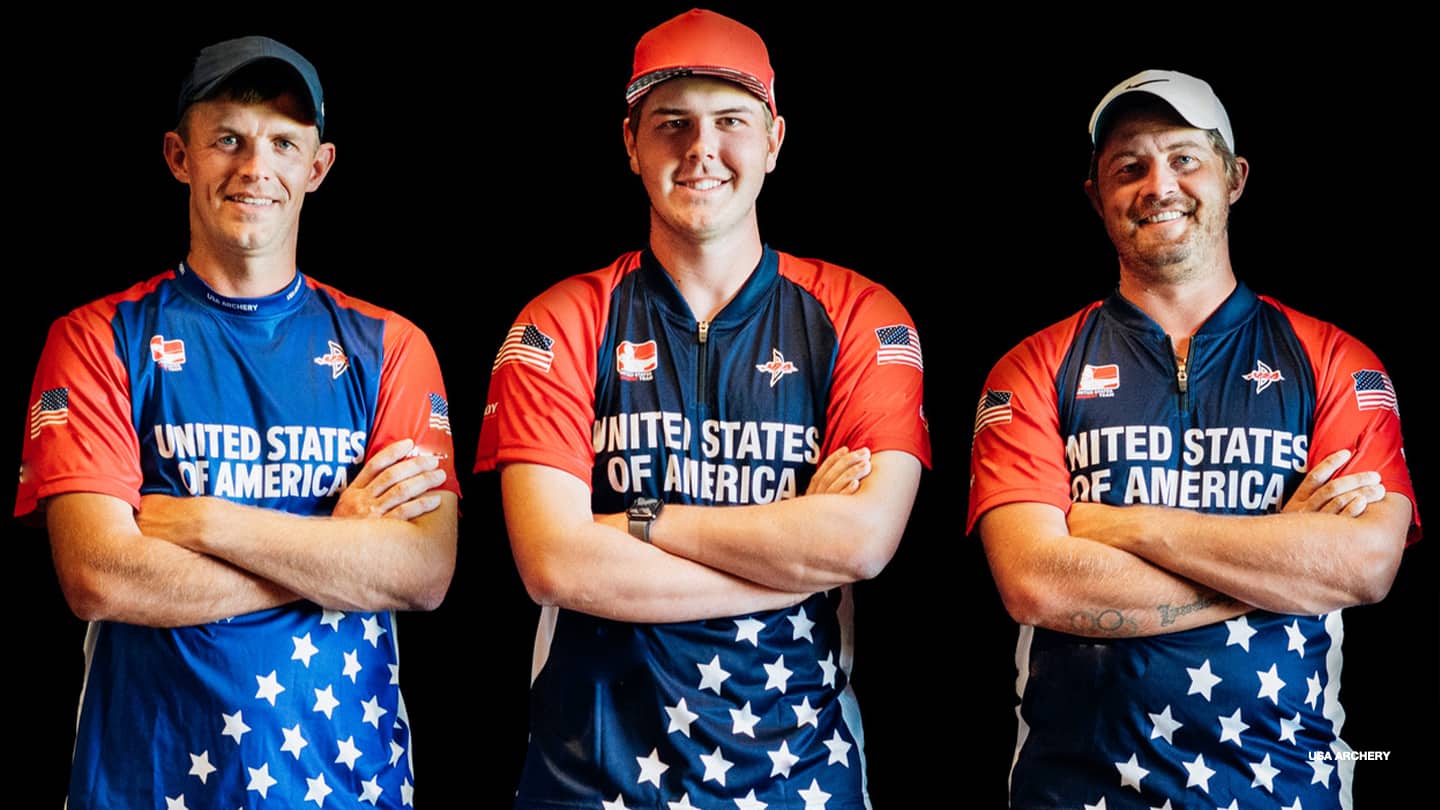
USA Archery uses high-speed cameras and motion analysis to help athletes fine-tune their form. Coaches look for small inconsistencies, like shoulder position or release timing, that can affect accuracy.
Credit: www.teamusa.com
Key Challenges And Strategies
The Olympics present unique challenges: unpredictable weather, noisy crowds, and the pressure of representing a nation. Here’s how the US team prepares:
Handling Pressure
Even the most experienced archers can feel nervous. The team practices under “mock finals” conditions, simulated crowds, countdown clocks, and even cheering noises, to build resilience.
Weather Adaptation
Wind and rain can shift arrows off target. US archers train in various weather conditions, adjusting their aim and timing. This flexibility is often a difference-maker in Olympic matches.
Equipment Choices
Every archer customizes their recurve bow, the only type allowed in the Olympics. Choices include:
- Draw weight (how hard the bow is to pull)
- Stabilizer length (reduces vibration)
- Arrow spine (stiffness)
Athletes work with equipment technicians to fine-tune their gear for maximum consistency.
Why The Us Is A Consistent Contender
The United States has a long history of success in Olympic archery. Since the sport’s return to the Games in 1972, the US has won multiple team and individual medals.
Depth Of Talent
Unlike some countries with one or two stars, the US has a deep roster. Many archers who miss out on the Olympics still win medals at World Cups or Pan Am Games.
Support System
USA Archery provides strong support, including:
- Coaching at every level
- Funding for international travel
- Access to sports science and technology
This support is why the US often fields medal contenders, even as other countries invest more in archery.
Notable Statistics
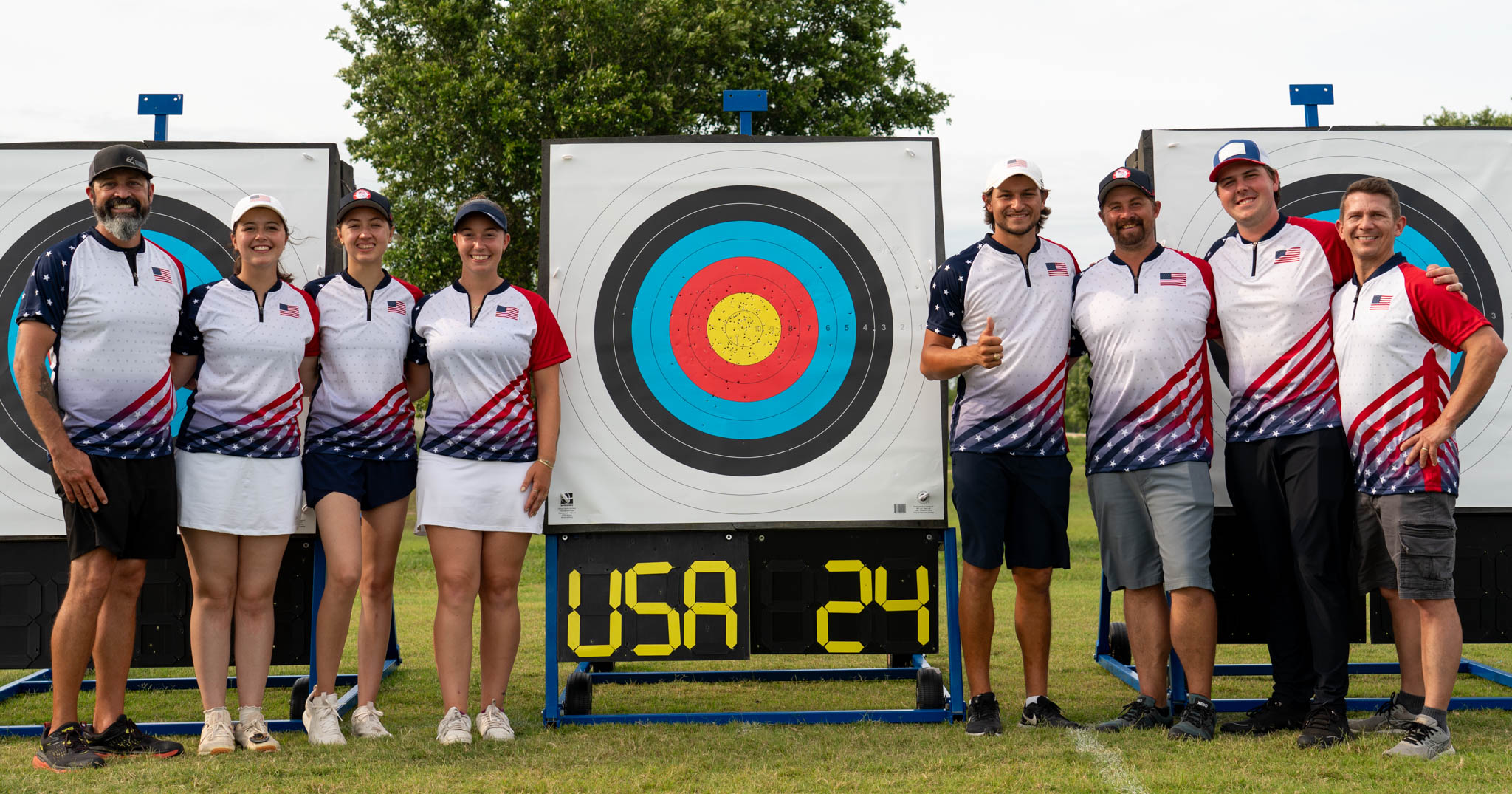
- The US men’s team has won four Olympic medals since 2008.
- Brady Ellison holds the record for most Olympic appearances by an American male archer.
- US women’s teams have reached the quarterfinals or better in four straight Olympics.
Credit: www.usarchery.org
The Role Of Team Chemistry
Archery is usually seen as an individual sport, but the Olympic team event requires strong teamwork. Communication, trust, and support are essential.
How Team Events Work
In the team event, each country’s three archers take turns shooting arrows, with scores combined for a team total. Matches can be won or lost on the final shot.
Building Chemistry
Team USA spends time off the range together to build trust. This includes:
- Group workouts
- Strategy sessions
- Relaxation activities to reduce stress
Pro Tip: Teams with strong bonds often handle high-pressure moments better, as they support each other during setbacks.
Comparing Us Archers To International Rivals
How does Team USA stack up against powerhouses like South Korea or Italy? Here’s a quick look at key differences.
| Country | Training Focus | Recent Olympic Medals | Notable Strength |
|---|---|---|---|
| USA | Balance of mental, technical, and physical | Men’s Silver (2012, 2016) | Depth, resilience |
| South Korea | Intensive technical training, early talent ID | Women’s Gold (every Olympics since 1988) | Precision, consistency |
| Italy | Strong match play, team cohesion | Men’s Gold (2012) | Experience, tactical play |
| China | High-volume practice, youth development | Women’s Silver (2008, 2012, 2016) | Youth, technical skill |
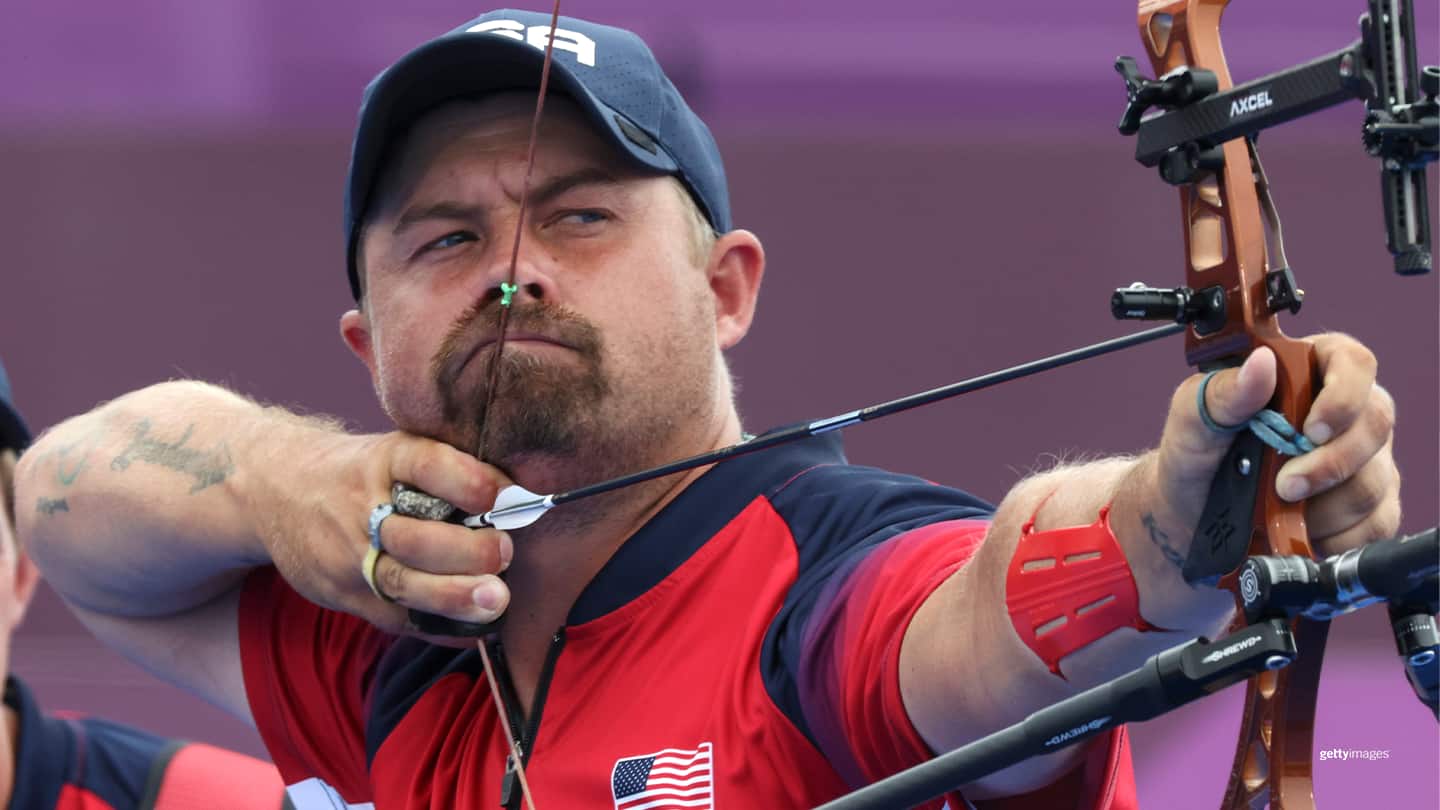
Insight: While South Korea dominates, the US’s blend of experience and new talent makes it unpredictable, sometimes an advantage.
Credit: www.teamusa.com
Common Misconceptions About Olympic Archery
Many people think Olympic archery is just about hitting the bullseye. In reality, the sport is much more complex.
“it’s All About Strength”
While strength matters, technique and mental focus are more important. Even a strong athlete will miss if their form is inconsistent.
“you Need Expensive Equipment”
Top archers do use custom gear, but beginners can start with basic equipment. What matters most is practice and coaching.
“olympic Archers Don’t Miss”
Even the best archers sometimes hit outside the gold ring. The key is how they recover and adjust after a miss.
“only Veterans Make The Team”
As seen with Kaufhold and Mucino-Fernandez, young athletes can and do earn Olympic spots with strong performances at trials.
How To Watch And Support Team Usa
The Olympics air on major US networks and online platforms, with archery events typically in the first week. Fans can follow live scores, athlete interviews, and behind-the-scenes content through:
- NBC Olympics broadcasts and streaming
- USA Archery’s official website and social media
- Athlete Instagram and Twitter accounts for personal updates
Pro Tip: Watching live, you’ll notice athletes’ routines, how they breathe, set their stance, and manage nerves. These small details make a big difference.
What Beginners Can Learn From The Us Team
If you’re new to archery, studying the US team is a great way to improve your own skills. Here are two non-obvious lessons:
- Routine Beats Talent Alone: Top archers repeat the same routine every shot, stance, draw, aim, release. Consistency, not just natural ability, leads to high scores.
- Self-Analysis Matters: US athletes use video to analyze every movement. Even beginners can film themselves to spot bad habits.
The Future Of Us Olympic Archery
The 2026 squad shows both continuity and change. Veterans like Ellison continue to inspire, but the rise of athletes like Kaufhold signals a new era. More diversity and youth are joining the sport, and investment in training is growing.
If the US can keep developing talent and adapting new training methods, the future looks bright. The next Olympic cycle may see even more new faces and perhaps