
When Does Youth Archery Season Start: Key Dates and Tips
Youth archery season is a special time each year for young hunters and their families. It’s more than just a date on a calendar, it’s a chance for kids to connect with nature, learn responsibility, and experience the excitement of the outdoors.
Whether you’re a parent planning your child’s first hunt, or a young archer eager to step into the woods, knowing when youth archery season starts in your area is essential. But the answer isn’t always simple. Each state in the U.
S. sets its own dates and rules, and these can change every year.
This guide will help you understand when youth archery season typically starts, why the timing matters, and how to prepare. You’ll find real examples, comparisons between states, and tips for making the most of this important season. Even if you’re new to hunting or archery, you’ll get clear advice and practical answers to common questions.
The Basics Of Youth Archery Season
Youth archery season is a period set aside for young hunters to use archery equipment like bows and crossbows to pursue game, usually deer. The main goal is to give kids a safe, less crowded environment to learn hunting skills. Often, adults can accompany youth hunters, but only the young person can carry a weapon and harvest an animal.
Most states schedule youth archery season before the regular archery or gun seasons. This gives young hunters a head start, and sometimes, better chances at success because the game hasn’t been heavily pressured yet. The age range for youth hunters varies but is typically between 12 and 17 years old.
Why The Dates Vary
There is no single national start date for youth archery season. Each state wildlife agency sets its own schedule based on local animal populations, weather, and other hunting seasons. Some states open youth archery as early as late August, while others wait until late September or October.
What Animals Can Be Hunted
Most youth archery seasons focus on white-tailed deer, but some states allow other game like elk, turkey, or even small game. The rules for what can be hunted, how many animals, and what equipment can be used also change from state to state.
When Does Youth Archery Season Start? State-by-state Comparison
To help you get a sense of the variety, here is a table comparing youth archery season start dates for deer in several key states, based on the most recent information from state wildlife agencies.
| State | Youth Archery Season Start | Age Range | Allowed Game |
|---|---|---|---|
| Illinois | Early October | 17 and under | Deer |
| Pennsylvania | Late September | 12-16 | Deer, Bear |
| Texas | Late September | 16 and under | Deer |
| Missouri | Early September | 6-15 | Deer |
| Michigan | Mid-September | 10-16 | Deer |
| Kansas | Mid-September | 17 and under | Deer |
| New York | Late September | 12-15 | Deer, Bear |
| Wisconsin | Early October | 15 and under | Deer |
Pro Tip: Always check your state’s official wildlife agency website for the latest dates and rules before planning your hunt. Dates can shift from year to year, and special areas may have unique regulations.
Understanding The Importance Of Youth Archery Season
Youth archery season isn’t just about hunting, it’s about building skills for life. Young hunters learn patience, respect for nature, and safe weapon handling. For many families, it’s a tradition passed from one generation to the next.
Why Youth-only Seasons Matter
- Safety: Fewer hunters in the woods means less risk of accidents.
- Learning Opportunity: Young hunters can focus on learning, without the pressure of competing with adults.
- Wildlife Management: Early youth seasons help keep animal populations healthy by spreading out the harvest.
Real-life Example
In my experience, taking a first-time hunter out during youth archery season makes a huge difference. The woods are quieter, and the slower pace lets kids ask questions, practice their shots, and enjoy the experience. One young archer I mentored was able to watch deer for over an hour, something that rarely happens during the busy regular season.
Key Factors That Affect Youth Archery Season Start Dates
States set their youth archery season dates based on several important factors.
1. Local Deer Populations
Wildlife biologists monitor deer numbers and adjust seasons to keep populations healthy. If deer are too numerous, the season might start earlier or run longer.
2. Weather And Climate
States in the North often have earlier starts to avoid cold weather, while Southern states may open later to avoid hot temperatures that make hunting difficult and can spoil meat quickly.
3. School Schedules
Some states time youth seasons to match school holidays or weekends, making it easier for kids to participate without missing classes.
4. Other Hunting Seasons
Youth archery season is usually set to avoid overlap with gun seasons and adult-only hunts, which helps keep young hunters safe.
How To Find Your State’s Youth Archery Season Dates
Because every state is different, you need to check the latest information from your state’s wildlife agency. Here are the main steps:
- Visit your state’s official Department of Natural Resources or Wildlife Agency website.
- Look for the section on hunting regulations or hunting seasons.
- Find the page for “youth hunting” or “youth archery season.”
- Download the current year’s hunting guide, which will list all dates, age ranges, and special rules.
Example: For Illinois, you can find the youth archery deer season dates by visiting the Illinois Department of Natural Resources website and viewing the most recent hunting digest.
Common Rules And Requirements For Youth Archery Hunters
Every state has its own rules, but some common requirements include:
- Hunter Education Course: Most states require youth hunters to complete a certified hunter safety course before buying a license.
- Adult Supervision: A parent or guardian usually must accompany the youth in the field.
- Licensing: Youth hunters need their own hunting license or youth-specific permit.
- Gear Restrictions: Only certain types of bows, crossbows, and arrows are allowed. Some states have minimum draw weights or arrow sizes.
- Wear Blaze Orange: In many areas, youth hunters must wear a visible amount of blaze orange for safety.
Comparison Of Youth Archery Requirements (by State)
Here’s a quick comparison of a few key rules:
| State | Min. Age for Hunter Ed. | Adult Required? | Blaze Orange Required? |
|---|---|---|---|
| Missouri | 11 | Yes | Yes |
| Michigan | 10 | Yes | Yes |
| Texas | 9 | Yes | Yes (on public land) |
| Pennsylvania | 12 | Yes | Yes |
Warning: Do not assume neighboring states have the same rules. Even minor differences in age requirements or gear can lead to fines or missed opportunities.

Credit: www.usarchery.org
How To Prepare For Youth Archery Season
Preparation is key for a safe and successful hunt. Start early to make sure you and your young hunter are ready.
Get The Right Gear
- Bow and arrows: Make sure the bow fits your child’s size and strength. Practice with the same equipment you’ll use during the season.
- Clothing: Dress for the weather. Layered, quiet clothing in camo or earth tones is best. Don’t forget required blaze orange.
- Safety harness: If hunting from a tree stand, a full-body safety harness is a must.
Practice Shooting
The best youth archers spend time practicing before the season. Start at close range (10-15 yards) and work up to longer shots. Focus on proper form, anchor points, and consistent release.
Scout Your Hunting Area
If possible, visit the area where you’ll hunt before the season starts. Look for deer trails, bedding areas, and places to set up a blind or stand. Bring your young hunter along for these scouting trips, they’ll learn much more by seeing things firsthand.
Review The Rules
Go over the hunting regulations together. Make sure your child knows what animals are legal, what to do after a harvest, and how to identify private property boundaries.
Pack Essentials
Bring water, snacks, a first-aid kit, flashlight, and a cell phone. Make sure your young hunter is comfortable and safe, even if the hunt lasts all day.
Common Mistakes To Avoid
Even experienced hunters make mistakes during youth archery season. Here are some of the most common, and how to avoid them:
1. Not Checking The Latest Regulations
Rules change every year. Don’t rely on last year’s guide or word of mouth. Always check the current year’s rules.
2. Rushing The Shot
Young hunters often get excited and shoot too quickly. Practice patience and wait for a clear, ethical shot.
3. Forgetting Required Paperwork
Licenses, hunter education cards, and permission slips for private land are all required. Keep them in a waterproof bag.
4. Ignoring Weather And Safety
Cold or wet weather can quickly turn dangerous. Always check the forecast and have a plan for bad conditions.
5. Overlooking Scouting
Don’t assume deer will be in the same place as last year. Spend time scouting before the season.
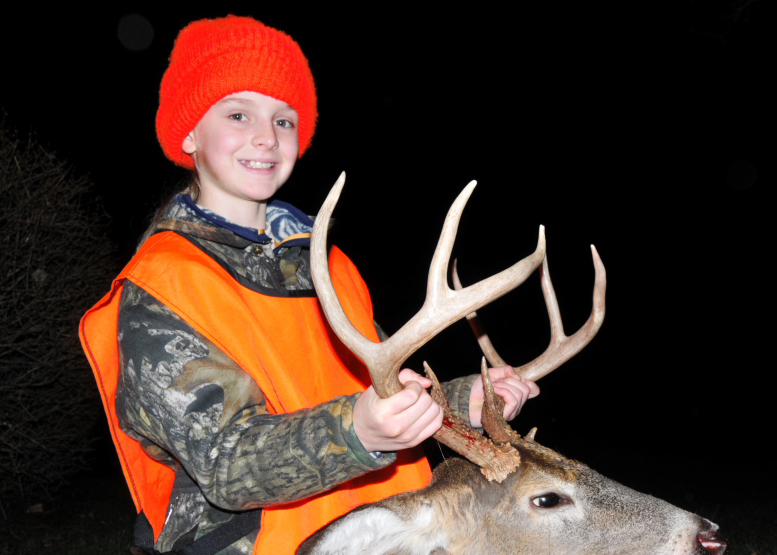
Credit: fw.ky.gov
Tips For Making Youth Archery Season A Great Experience
Youth archery season should be enjoyable, not just successful. Here’s how to make the most of it:
Focus On The Experience, Not The Harvest
Many young hunters remember their first sunrise in the woods or seeing wildlife up close, even if they don’t harvest an animal. Celebrate those moments.
Teach Outdoor Ethics
Talk about respecting the land, following the rules, and being a good steward of wildlife. These lessons last a lifetime.
Encourage Questions
Let young hunters ask questions and share their thoughts. It’s a learning process for everyone.
Keep It Fun
Pack favorite snacks, play a simple game while you wait, or let your child take photos. A positive first experience will keep them interested for years.
How Youth Archery Seasons Are Changing
Youth archery seasons have grown more popular in recent years. States are adding new opportunities and working to make hunting more accessible to young people. Some trends include:
- Expanding Age Ranges: More states are lowering minimum ages and extending maximum ages to include more youth hunters.
- Allowing Crossbows: In many states, crossbows are now legal for youth hunters, making the sport more accessible.
- Mentor Programs: Some states offer special mentor hunts where adults can guide kids through their first hunt, even if the adult doesn’t hunt themselves.
These changes reflect the importance of getting the next generation involved in hunting and conservation.
Comparing Youth Archery Season To Regular Archery Season
Understanding the differences between youth and regular archery seasons can help you plan better. Here’s a side-by-side look:
| Aspect | Youth Archery Season | Regular Archery Season |
|---|---|---|
| Participants | Youth only (often with adult supervision) | All ages (with license) |
| Timing | Before regular season or during special weekends | Longer season, main hunting period |
| Pressure | Lower (fewer hunters in woods) | Higher (more hunters and competition) |
| Success Rate | Often higher for youth due to less pressure | Varies |
| Learning Environment | Supportive, educational | Less focused on new hunters |
The Role Of Conservation In Youth Archery
Youth hunters play an important role in wildlife conservation. By participating in regulated hunting, they help manage healthy deer populations and support funding for habitat projects through license sales.
Conservation Funding
Every hunting license or permit purchased by a youth hunter contributes to state conservation efforts. This supports research, habitat restoration, and public land access.
Building The Next Generation Of Conservationists
Many conservation leaders started as youth hunters. The skills and values learned during youth archery season help shape responsible hunters and wildlife advocates for life.
Resources For Youth Archery Hunters
If you’re new to youth archery or want to learn more, these resources can help:
- State Wildlife Agencies: Best source for rules, season dates, and local programs.
- National Archery in the Schools Program (NASP): Offers archery education in schools across the U.S.
- Local Archery Clubs: Many host youth leagues, classes, and competitions.
- Mentor Programs: Check with your state for opportunities to pair new hunters with experienced mentors.
For more details on hunting seasons and regulations,