How To Become A 3D Bow Shooter
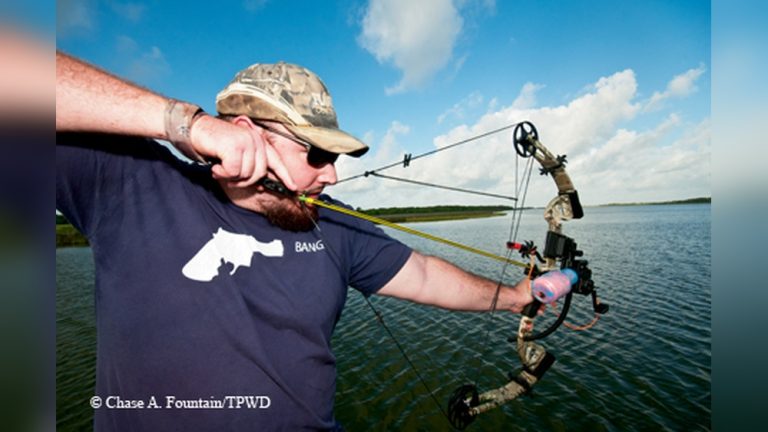
Archery has evolved far beyond its roots in hunting and warfare, becoming a refined sport that blends physical skill, mental focus, and community. Among its many disciplines, 3D bow shooting stands out as one of the most immersive and challenging. This sport simulates real-world hunting scenarios by requiring shooters to target life-like animal models in varied outdoor settings, testing accuracy, adaptability, and composure under pressure. As 3D archery continues to grow in popularity, enthusiasts are discovering a unique blend of competition and camaraderie that few other activities offer.
If you’ve ever watched a skilled archer nock an arrow, draw with effortless grace, and release with pinpoint accuracy, you know the allure of archery. But 3D bow shooting adds another layer: no two shots are ever quite the same. With targets at unknown distances, uneven terrain, and natural obstacles, every round demands keen observation and quick thinking. Whether you’re an experienced archer or a newcomer with a passion for the outdoors, becoming a 3D bow shooter is both an achievable goal and a rewarding journey.
Key Takeaways
- 3D bow shooting combines traditional archery skills with outdoor navigation and quick decision-making.
- Success requires the right equipment, focused training, and a deep understanding of shot placement.
- Participation in clubs and competitions helps build skills, confidence, and connections in the archery community.
- Safety, ethical conduct, and continuous learning are essential for long-term success.
- There are clear steps to follow: Gear selection, technique development, practice routines, and competitive participation.
- New shooters benefit from mentorship, structured coaching, and exposure to real-world shooting scenarios.
Understanding 3d Bow Shooting
3D bow shooting is more than just hitting a bullseye on a flat range. It’s an archery discipline where shooters walk a course, typically outdoors, shooting at three-dimensional foam animal targets placed at varying, often unmarked, distances. This sport is designed to replicate the challenges of real-world hunting, blending precision, judgment, and environmental awareness.
History And Evolution
While archery’s competitive history dates back centuries, 3D archery emerged in the late 20th century as a way for hunters to practice in the off-season. Early courses used simple cardboard cutouts, but advancements in manufacturing led to the realistic foam targets seen today. By the 1990s, major organizations such as the International Bowhunting Organization (IBO) and Archery Shooters Association (ASA) formalized rules and began hosting large-scale events, cementing 3D archery as both a training tool and a competitive sport.
Key Skills Required
Unlike target archery, 3D shooting demands versatility:
- Estimating unknown distances without rangefinders (in most competitions)
- Adapting to varied terrain (hills, uneven ground, natural obstacles)
- Quick target acquisition and shot execution
- Reading animal anatomy for ethical shot placement
Types Of 3d Archery Events
There are two main event formats:
- Marked Yardage: Shooters are told the distance to the target.
- Unmarked Yardage: Shooters must estimate the distance, which increases the challenge.
Events are often divided by bow type (compound, recurve, traditional) and shooter category (youth, female, male, senior).
Why 3d Bow Shooting Appeals To Archers
The appeal lies in its realism and dynamic environment. Each target represents a new puzzle, requiring shooters to account for distance, angle, light conditions, and even wind. The sport’s outdoor setting also attracts those who appreciate nature and physical activity.
Credit: www.nintendo.com
Choosing The Right Equipment
Success in 3D archery begins with the right gear. While preferences vary, certain equipment choices can dramatically affect performance and enjoyment.
Types Of Bows For 3d Shooting
Selecting a bow is a personal decision, but each type offers distinct advantages:
| Bow Type | Pros | Cons | Best For |
|---|---|---|---|
| Compound Bow | High accuracy, adjustable draw weight, let-off | Heavier, more mechanical parts | Competitive shooters |
| Recurve Bow | Traditional feel, lighter, easier maintenance | Less forgiving, lower arrow speed | Traditionalists, beginners |
| Longbow | Simplest design, historical appeal | Hardest to master, less accurate | Experienced archers |
Arrows And Accessories
Arrow selection is crucial. Arrows should be matched to your bow’s draw weight and length for optimal performance.
- Material: Carbon arrows are popular for their durability and consistency.
- Fletching: Shorter vanes are often used for 3D to minimize wind drift.
- Tips: Field points (not broadheads) are standard for foam targets.
Accessories include:
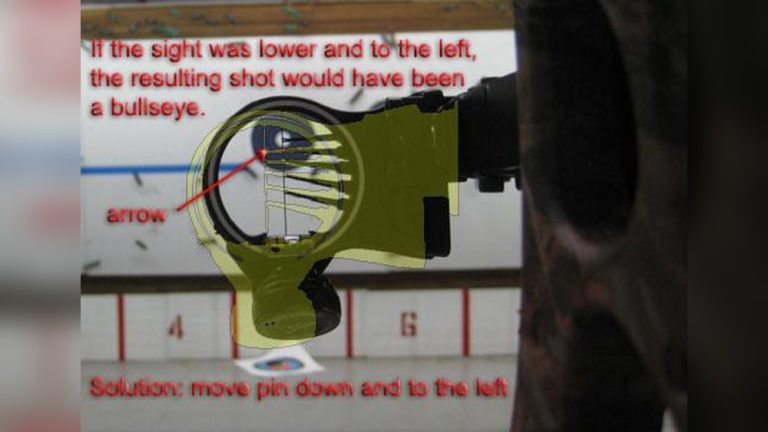
- Sights: Fixed-pin or adjustable single-pin sights for aiming.
- Stabilizers: Help balance the bow and absorb vibration.
- Release aids: Especially common with compound bows for smoother releases.
- Quiver: Hip or bow-mounted, for quick arrow access.
Essential Gear List
New shooters should consider the following checklist:
- Bow (properly fitted)
- Matched arrows (at least 6, 12)
- Armguard and finger tab or release aid
- Sights and stabilizer (optional for traditional shooters)
- Rangefinder (for practice, if allowed)
- Binoculars (for target inspection)
- Weather-appropriate clothing and sturdy footwear
Equipment Maintenance
Regular maintenance prolongs equipment life and ensures consistent performance:
- Inspect strings, cables, and limbs for wear.
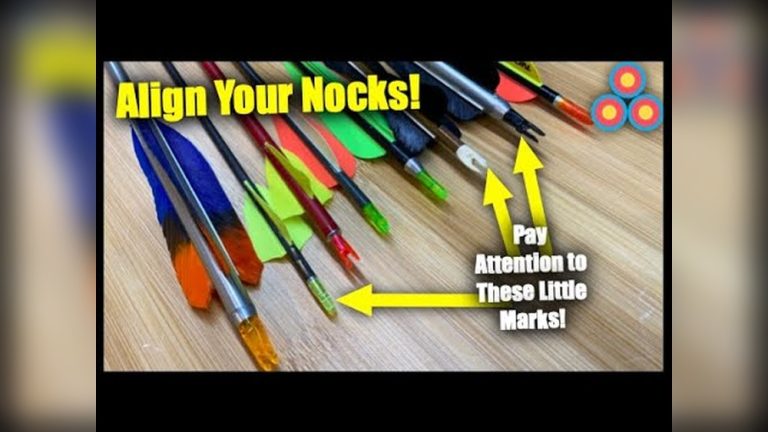
- Check arrow straightness and nock integrity.
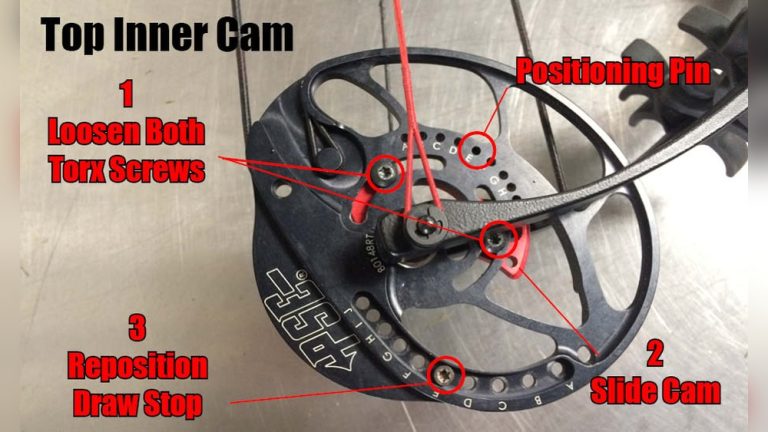
- Clean and lubricate moving parts as needed.
- Store equipment in a dry, temperature-controlled environment.
Pro Tip: In my experience, consistent equipment checks before and after each practice session prevent most on-course failures.
Credit: ec.nintendo.com
Mastering 3d Shooting Technique
Developing the right technique is the foundation of accurate and ethical 3D shooting. This section covers stance, draw and anchor, aiming, and release, as well as strategies unique to 3D courses.
Stance And Posture
A solid stance is essential for repeatable accuracy:
- Feet shoulder-width apart for balance.
- Weight evenly distributed, with a slight forward lean if shooting uphill.
- Shoulders relaxed but square to the target.
Shooting on uneven terrain requires adaptation. Practice shooting from slopes, kneeling positions, and awkward angles to build confidence.
Drawing, Anchoring, And Aiming
Consistent draw length and anchor points are critical. Most archers choose a reference point, such as the corner of the mouth or jawline, to ensure repeatability.
Aiming in 3D differs from flat-range shooting:
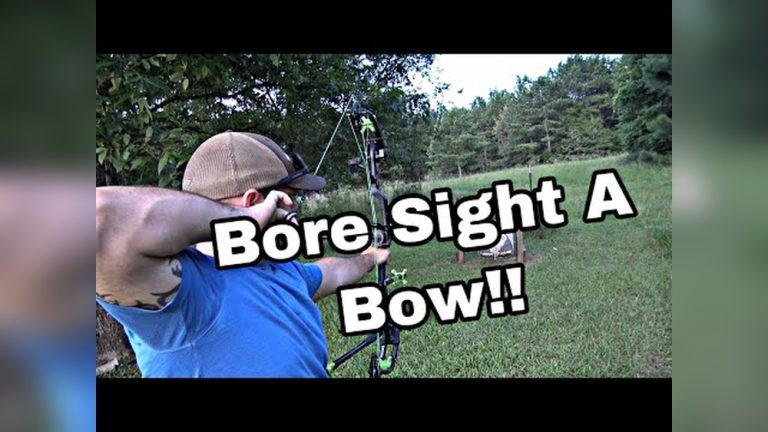
- Use the peep sight and bow sight (compound) or instinctive aiming (traditional).
- Focus on the animal’s vital area, not just the center of the target.
- Account for target angle; adjust your aim if the animal is quartering toward or away.
Judging Distance
One of the most challenging aspects is estimating distance without electronic aids (in most competitions).
Common methods include:
- Counting yards in 5- or 10-yard increments.
- Comparing target size to known objects.
- Using topography (uphill/downhill shots appear closer or farther).
Consistent practice is the best way to refine this skill.
Shot Execution And Follow-through
Smooth execution means:
- Drawing smoothly and settling at full draw.
- Squeezing the release, not punching it.
- Holding aim until the arrow strikes.
Follow-through is often neglected but vital for accuracy. Remain in position until the shot is complete.
Pro Tip: I found that recording my practice sessions and analyzing my form helped identify subtle flaws that affected consistency.
Adapting To Outdoor Conditions
3D courses are rarely flat or predictable. Learn to:
- Shoot in varying light (bright sun, shade, low-light).
- Adjust for wind, rain, and humidity.
- Stay mentally focused despite distractions (insects, noise, other shooters).
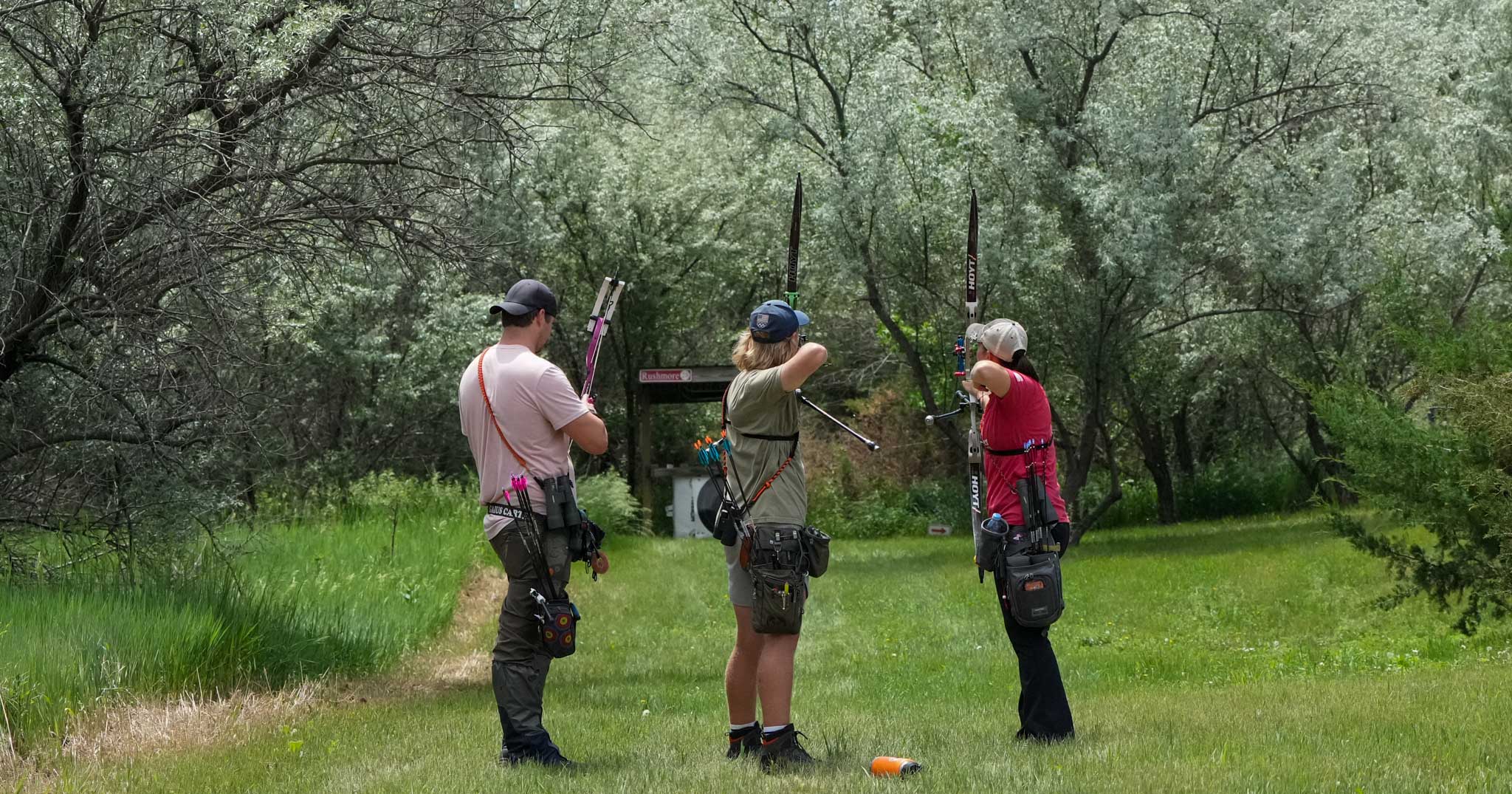
Credit: www.usarchery.org
Training And Practice Routines
Structured training separates recreational shooters from consistent performers. Developing a comprehensive practice plan will accelerate your progress.
Setting Goals And Tracking Progress
Establish clear, measurable goals, such as:
- Hitting the vital zone on 80% of targets at 30 yards within two months.
- Reducing distance estimation errors by half over 10 practice rounds.
Use a shooting journal to track:
- Scores per round
- Notes on misses (e.g., over/underestimating distance)
- Weather and terrain conditions
Drills For Skill Improvement
Incorporate drills that simulate real competition:
- Random Distance Shooting: Place targets at unknown distances and guess before measuring.
- Angle Practice: Set targets uphill, downhill, and on side slopes.
- Timed Rounds: Limit your shot time to simulate tournament pressure.
Physical Conditioning
3D archery is physically demanding, especially on long courses.
- Strength training: Focus on back, shoulders, and core.
- Cardiovascular fitness: Improves stamina for walking and shooting multiple targets.
- Flexibility: Reduces injury risk and improves shooting form.
Mental Training
Mental resilience is as important as physical skill:
- Practice visualization of successful shots.
- Develop a pre-shot routine to reduce nerves.
- Learn to “reset” after a bad shot and focus on the next target.
Example: Competitive archer Tim Gillingham attributes part of his success to mental routines that keep him focused and relaxed, even under tournament pressure.
Using Technology For Improvement
Modern shooters use:
- Apps for score tracking and shot analysis.
- Video recording for form review.
- Laser rangefinders (for practice only) to check distance estimation accuracy.
Pro Tip: Many archers use slow-motion video to study their release and follow-through, revealing issues invisible at full speed.
Participating In 3d Archery Clubs And Competitions
Joining a community accelerates learning and adds an element of friendly competition.
Finding Local Clubs And Ranges
Most regions have active archery clubs that host regular 3D shoots. Search online or visit the websites of national organizations like the National Field Archery Association (NFAA) or Archery Shooters Association (ASA).
Benefits include:
- Access to structured courses and targets
- Group coaching and mentorship
- Equipment loan or rental programs
Understanding Competition Structure
A typical 3D tournament consists of:
- 20, 40 targets placed along a course
- One arrow per target (scored by accuracy)
- Varying distances and shooting positions
- Categories by age, gender, and equipment type
Scores are usually tallied as follows:
| Ring | Points | Description |
|---|---|---|
| 12-ring | 12 | Small inner circle (vital shot) |
| 10-ring | 10 | Primary vital area |
| 8-ring | 8 | Body but outside vital zone |
| 5-ring | 5 | Non-vital, but on target |
| Miss | 0 | No hit |
What To Expect At Your First Event
Newcomers often find the atmosphere welcoming. Expect:
- A safety briefing before shooting
- Grouped shooting (usually 3, 5 shooters per group)
- Informal coaching and tips from experienced members
- Emphasis on fun and learning, not just competition
Advancing To Higher Levels
As skills improve, shooters may choose to:
- Join state or national events
- Compete in special categories (e.g., traditional, female, youth)
- Seek sponsorship or coaching
Example: The IBO World Championship draws hundreds of shooters annually, with divisions for all ages and skill levels.
Volunteering And Giving Back
Many clubs rely on volunteers for:
- Course setup and maintenance
- Event organization
- Coaching juniors or beginners
Active participation strengthens the community and deepens your involvement.
Safety, Ethics, And Sportsmanship
Archery is an inherently safe sport when basic rules are followed. Ethical conduct and sportsmanship are equally vital, especially in a discipline that simulates hunting.
Safety Fundamentals
Always:
- Keep arrows pointed downrange
- Wait for a clear range signal before retrieving arrows
- Inspect equipment before use
- Use personal protective equipment (armguard, finger tab)
On outdoor courses:
- Be aware of your surroundings, never shoot if people or animals are near the target.
- Watch for uneven ground, roots, and obstacles.
Pro Tip: Many accidents occur during arrow retrieval, always walk, never run, and check behind targets before approaching.
Ethical Shot Placement
3D archery teaches ethical shot selection, mirroring hunting best practices.
- Always aim for the vital zone (heart/lung area).
- Avoid risky shots that could “wound” (even if only on foam).
- Respect all rules and fellow shooters.
Sportsmanship And Community Conduct
Model positive behavior by:
- Encouraging new shooters
- Adhering to event rules and etiquette
- Congratulating competitors on good shots
Example: At the ASA Pro/Am Tour, top shooters are known for sharing advice with novices, fostering a supportive environment.
Environmental Stewardship
Respecting the environment is crucial:
- Pack out all trash and gear
- Avoid damaging vegetation or disturbing wildlife
- Support clubs that use sustainable materials for targets and course design
Real-world Examples And Case Studies
Concrete examples help illustrate the journey from beginner to proficient 3D bow shooter.
Case Study 1: From Target Archer To 3d Competitor
Sarah, a competitive target archer, wanted to test her skills in a new environment. She joined a local 3D archery club and quickly realized her indoor skills didn’t fully translate, distance estimation and shooting on uneven ground were new challenges.
Through club mentorship and structured practice, Sarah improved her scores by 20% over six months and placed in the top five at her first regional 3D event.
Case Study 2: Family Bonding Through 3d Archery
The Harris family sought a new outdoor activity. They joined a club’s introductory 3D shoot and found the sport accessible for all ages (their youngest, 9, used a youth recurve). The family’s regular participation led to improved communication, teamwork, and an increased appreciation for wildlife and the outdoors.
Case Study 3: Overcoming Plateaus
John, an experienced hunter, found his progress stalled after a year of casual 3D shooting. He began working with a certified coach and added video analysis to his practice routine. By focusing on mental preparation and consistent form, John broke through his plateau, achieving personal bests and qualifying for state-level events.
Continuing Education And Resources
The journey to mastering 3D bow shooting is ongoing. There are numerous resources to support continued learning and improvement.
Coaching And Mentorship
- Many clubs offer group or private lessons.
- Certified coaches can tailor instruction to your needs.
- Peer mentorship is invaluable, ask questions and observe experienced shooters.
Online Resources
- YouTube channels: Many professional archers share tutorials and course walkthroughs.
- Podcasts: Shows like “Bowjunky Media” feature interviews with top 3D shooters.
- Forums: Communities such as ArcheryTalk provide equipment reviews and technique discussions.
Books And Training Manuals
- “Core Archery” by Larry Wise offers deep dives into form and mental preparation.
- “Shooting the Stickbow” by Anthony Camera is highly regarded among traditional archers.
Official Organizations
- The National Field Archery Association (NFAA) and Archery Shooters Association (ASA) set competition standards and provide event calendars.
- The International Bowhunting Organization (IBO) offers resources for both hunters and competitive archers.
Learn more about 3D archery on Wikipedia.
Events And Camps
Many regions host:
- Youth camps: Designed to introduce kids to 3D archery
- Adult clinics: Focused on advanced techniques and competition readiness
- Charity shoots: Combine competition with fundraising for local causes
Pro Tip: Attending an archery camp is a great way to immerse yourself in the sport and rapidly accelerate your learning.
Equipment Retailers And Technicians
- Local pro shops offer personalized equipment fitting and repair.
- Some shops host “demo days” where you can try different bows and accessories.
Archery Trade Association is a trusted resource for finding accredited retailers and service providers.
Frequently Asked Questions
What Is The Best Age To Start 3d Bow Shooting?
There is no minimum or maximum age for starting 3D archery. Many clubs offer programs for children as young as 6 or 7, using lightweight bows and simplified courses. Senior shooters are also common, with age-specific divisions in most events.
The key is to match equipment and instruction to the shooter’s physical ability and maturity.
Can I Participate In 3d Archery With Physical Limitations?
Yes, 3D archery is adaptable. Many courses are wheelchair accessible, and modifications can be made for shooters with limited mobility or upper body strength. Adaptive equipment, including light-draw bows and mechanical release aids, allows many people with disabilities to participate fully.
Always consult with a coach or club about accommodations.
How Much Does It Cost To Get Started In 3d Bow Shooting?
Entry-level costs vary. Basic equipment (bow, arrows, safety gear) can range from $200, $600 for beginners. Club membership fees are typically $25, $100 annually, and individual event entry fees are often $15, $40. Used equipment and rental options are available for those on a budget, making the sport accessible to most.
Is Hunting Experience Required To Excel In 3d Archery?
No. While many 3D shooters are also hunters, prior hunting experience is not necessary. The skills developed in 3D archery, distance estimation, shot placement, and outdoor navigation, are valuable for hunters, but the sport is equally enjoyed by those interested solely in target shooting and competition.
How Do I Find Mentors Or Coaches For 3d Bow Shooting?
Most local archery clubs have experienced shooters who are willing to mentor newcomers. Certified coaches can be found through national organizations like the NFAA or ASA. Online forums and social media groups are also excellent places to connect with mentors who can answer questions, offer equipment advice, and provide feedback on technique.
Embarking on the path to become a 3D bow shooter is both challenging and rewarding. By combining the right equipment, disciplined practice, community involvement, and a commitment to safety and ethics, you’ll not only improve your archery skills but also join a passionate and supportive community.
The journey is ongoing, each course, competition, and practice session brings new learning and satisfaction. Whether you aim to compete at the highest levels or simply enjoy the outdoors with friends, 3D bow shooting offers a path rich with growth and adventure.