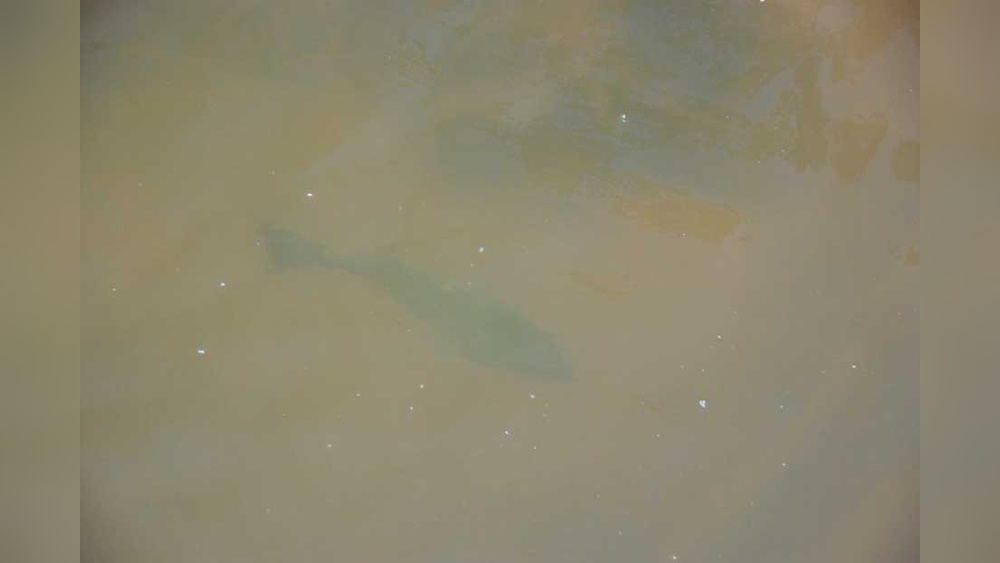
How To Bow Fish In Muddy Water
Bowfishing in muddy water is a test of patience, skill, and adaptability. For anglers who thrive on adrenaline and challenge, the murky depths present unique obstacles that set seasoned bowfishers apart from the rest. Instead of the crystal-clear visibility found in pristine lakes and rivers, muddy water forces you to rely on specialized tactics, gear, and a deep understanding of fish behavior.
If you’re ready to up your bowfishing game and conquer less-than-ideal conditions, mastering this environment is both a rite of passage and a major advantage.
The allure of bowfishing in muddy water comes from the unpredictability and the necessity to think several steps ahead. You’ll need to adjust your approach, from the equipment you select to the way you read subtle water movements. This comprehensive guide breaks down every aspect of bowfishing in muddy water, integrating expert advice, real-world examples, and actionable strategies.
Whether you’re a newcomer or a seasoned pro, these insights will elevate your success and enjoyment on the water.
Key Takeaways
- Muddy water bowfishing requires specialized gear for visibility and accuracy.
- Understanding fish behavior in low-visibility conditions boosts success rates.
- Lighting and polarized optics are crucial for spotting fish in turbid water.
- Stealth and patience are essential to avoid spooking fish close to the surface.
- Adapting your shot angle and timing is vital for accurate targeting.
- Safety measures are even more important in reduced-visibility environments.
Credit: www.gameandfishmag.com
Understanding Muddy Water Bowfishing
Bowfishing in muddy water is fundamentally different from clear-water environments. Visibility can drop to just a few inches, making traditional sight-fishing techniques ineffective. Muddy water is common after heavy rainfall, in rivers with high sediment loads, or in shallow lakes stirred up by wind and current.
Recognizing these conditions, and knowing how they affect fish and your approach, is the first step to consistent success.
The Science Of Low Visibility
Muddy water is typically defined by suspended particles such as clay, silt, organic matter, and algae. This cloudiness limits how far light penetrates, dramatically reducing your ability to visually locate fish. According to the United States Geological Survey (USGS), water with a turbidity level above 50 NTU (Nephelometric Turbidity Units) is considered highly turbid, with visibility ranging from just a few centimeters to about a foot (USGS).
Fish in muddy water environments adapt by relying more on vibration, sound, and chemical cues rather than sight. As a result, they often feed closer to the surface and are more sensitive to disturbances.
Why Fish Muddy Water?
- Less competition: Many bowfishers avoid muddy water, so you’ll face less pressure from other anglers.
- Fish feed in shallows: Target species like carp, gar, and buffalo are more likely to be in accessible, shallow areas.
- Challenging but rewarding: The skills and techniques you develop are transferable to other difficult conditions.
Species To Target
Common bowfishing targets in muddy water include:
- Common carp
- Grass carp
- Gar
- Buffalo
- Bowfin
- Catfish
These species tolerate low-visibility environments and are often found feeding in shallow, muddy flats.
Essential Gear For Muddy Water Bowfishing
Having the right equipment can mean the difference between a productive outing and a frustrating one. Muddy water demands gear that enhances visibility, improves accuracy, and withstands harsh conditions.
Bow Selection
While nearly any recurve or compound bow can be used for bowfishing, certain features make some models better suited for muddy water:
- Draw weight: 30, 50 lbs is ideal for most target species.
- Durable finish: Mud and grit can damage delicate finishes. Opt for corrosion-resistant models.
- Quick-release reels: These allow for faster shots in fast-changing conditions.
Arrows And Points
Bowfishing arrows need to be tough and visible:
- Fiberglass or carbon shafts are preferred for their strength.
- Brightly colored nocks or wraps make arrows easier to spot in turbid water.
- Barbed tips help ensure a secure hold on slippery, scale-covered fish.
| Arrow Feature | Muddy Water Benefit | Clear Water Usefulness |
|---|---|---|
| Bright Nocks | Easy retrieval in low visibility | Somewhat helpful |
| Heavy Points | Penetrates debris and silt | Not necessary |
| Barbed Tips | Prevents fish slipping off | Essential |
Reels And Line
A retriever reel is recommended, especially one with a large line capacity and smooth drag. Use braided line with 80- to 150-lb test to resist abrasion from underwater debris.
Lighting Systems
Powerful LED lights are vital for night or low-light conditions. Choose lights with:
- Wide beam spread to illuminate large areas.
- Warm color temperature (yellowish) as it penetrates muddy water better than blue/white light.
Polarized Sunglasses
During daylight, polarized sunglasses reduce glare and help you spot subtle movement or shadows beneath the surface, even in stained water.
Pro Tip:
Carry a small hand squeegee or microfiber towel to keep optics and lights clear of mud and water spots throughout your trip.
Credit: www.outdoorlife.com
Locating Fish In Muddy Water
Finding fish is half the battle. In muddy water, traditional sight-fishing is often impossible, so you must rely on alternative tactics and keen observation.
Reading Water Movement
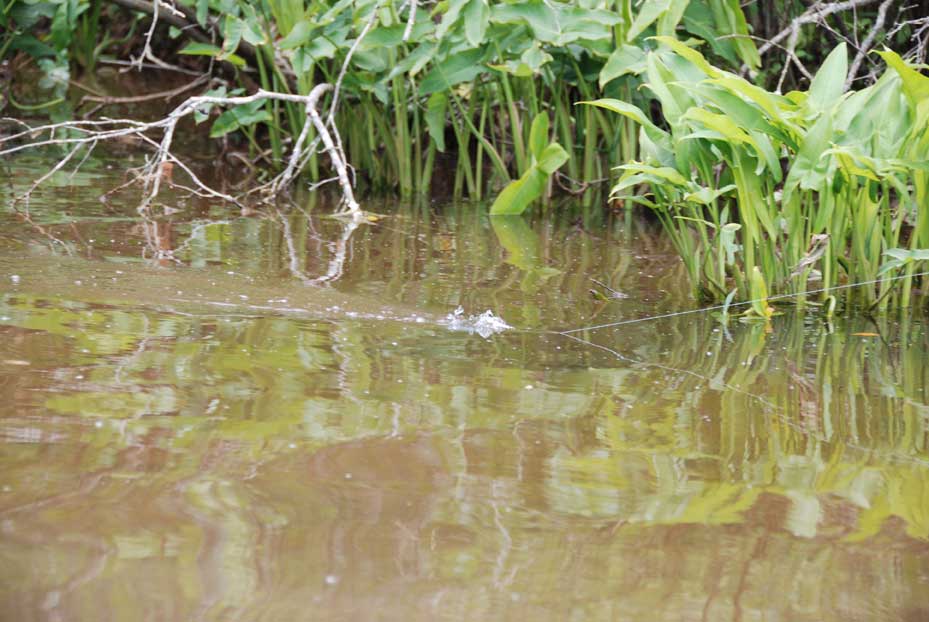
Look for surface disturbances such as:
- Swirls and splashes
- Bubbles or mud clouds
- Tailing fins or dorsal ridges breaking the surface
Fish often betray their presence by rooting in the mud or chasing prey near the surface.
Habitat Features
Focus on areas where fish congregate:
- Shallow flats: Especially in the warmest part of the day.
- Current breaks: Behind rocks, logs, or man-made structures.
- Inlets and outlets: Where new water enters or leaves, stirring up food.
Using Sound And Vibration
Fish in muddy water are sensitive to vibration. Move slowly and quietly to avoid spooking them. Use a pole or paddle to gently probe the bottom and listen for movement.
Local Knowledge And Technology
In my experience, talking to local anglers often yields insights on where fish gather after storms or high water. Additionally, fish finders with side-scan sonar can reveal fish holding in shallow, turbid waters.
Credit: www.mossyoak.com
Techniques For Bowfishing In Muddy Water
Adapting your technique is essential when visibility is compromised. Success depends on patience, stealth, and the ability to react quickly when an opportunity presents itself.
Stealth And Approach
- Move slowly: Sudden movements send shock waves through the water.
- Reduce noise: Use push poles or electric motors set to low speed.
- Minimize shadows: Stay low and keep lights pointed downward.
Spotting And Identifying Targets
- Look for movement: Instead of shapes, watch for ripples, wakes, or shifting mud.
- Use a scanning pattern: Sweep your lights or eyes in a slow, methodical grid.
Adjusting Your Shot
- Aim lower: Due to refraction, fish appear higher in the water than they are. In muddy water, this effect is amplified by distortion.
- Shoot quickly: Fish may only be visible for a second before they disappear into the murk.
| Condition | Recommended Aim Adjustment | Visibility |
|---|---|---|
| Clear Water | 6-8 inches below fish | 3+ feet |
| Muddy Water | 8-12 inches below perceived location | Less than 1 foot |
Working As A Team
If you’re bowfishing with others, coordinate roles:
- One person scans ahead with lights or optics.
- Another prepares to shoot.
- Rotate positions frequently to avoid fatigue.
Example:
During a recent bowfishing trip on the Arkansas River after heavy rain, visibility dropped to less than 6 inches. By focusing on shallow flats near an inflow and using a high-powered yellow LED array, our group spotted tailing carp by the mud trails they left.
Our success rate doubled when we adjusted our aim lower than normal and rotated scanning and shooting duties every 30 minutes.
Lighting Strategies For Maximum Visibility
Lighting is critical in muddy water, particularly for night bowfishing or during overcast days. The right lighting can mean spotting a fish that others miss.
Choosing The Right Lights
Opt for warm, high-lumen LED lights. While cool white LEDs are standard, studies and field tests show that yellow or amber lights penetrate turbid water more effectively. Look for waterproof, impact-resistant models with adjustable mounts.
Mounting And Angling Lights
Mount lights as close to the waterline as possible, angled slightly downward to:
- Reduce glare and reflection.
- Minimize scattering from suspended particles.
- Illuminate the water column directly in front of your boat or shooting platform.
Power Management
High-output lights drain batteries quickly. Use deep-cycle marine batteries or a portable generator for extended outings. Carry backup batteries and check all connections before leaving shore.
Lighting Patterns
Experiment with different patterns, such as:
- Wide beam for scanning
- Narrow, focused beam for targeting
Switch between modes as conditions change throughout the night.
Safety Measures In Muddy Water Environments
Safety must be a top priority, especially when visibility is limited and the environment is unpredictable.
Navigational Hazards
- Submerged obstacles: Logs, rocks, or debris can be hidden just below the surface.
- Changing water levels: Floods or tides can alter the shoreline or create unexpected currents.
Use GPS mapping and keep a sharp lookout, especially in unfamiliar areas.
Personal Safety
- Wear a life jacket at all times, even in shallow water.
- Non-slip footwear is essential on muddy or wet decks.
- Protect your eyes with safety glasses, especially when shooting at close range in poor light.
Weather Awareness
Check local weather forecasts and be prepared for sudden storms. Muddy water often follows heavy rain, which can bring strong currents, floating debris, or rapidly rising water.
First Aid And Emergency Planning
Carry a first aid kit, and make sure at least one person in your group knows basic first aid and CPR. Have a plan for reaching the nearest medical facility in case of injury.
Pro Tip:
Mark your entry and exit points with GPS waypoints or visible markers, as muddy water can make navigation back to shore difficult after dark.
Real-world Examples And Case Studies
Bowfishing in muddy water is a practiced art honed by trial, error, and adaptation. Below are several real-world examples that highlight effective strategies.
Case Study 1: Mississippi River Floodwaters
After a spring flood, the Mississippi River’s backwaters turn brown and opaque. A group of experienced bowfishers targeted grass carp in shallow bays using:
- High-powered yellow LED lights
- Heavy fiberglass arrows with bright green nocks
- A slow, quiet approach with electric trolling motors
By focusing on mud plumes and surface swirls, they averaged a catch rate nearly 40% higher than their previous clear-water outings.
Case Study 2: Oklahoma’s Turbid Reservoirs
During summer algae blooms, Oklahoma reservoirs become extremely turbid. Bowfishers there rely on:
- Side-scan sonar to identify likely fish-holding areas
- Wide-beam LED banks mounted on the bow of their boats
- Coordination between shooter and spotter to maximize efficiency
One team reported nearly doubling their take by moving frequently between known “mud lines” and adjusting their shooting angle lower than usual.
Case Study 3: Urban Canals
In urban canals, construction runoff turns water chocolate-brown. Local bowfishers:
- Use hand-held spotlights with yellow filters
- Scan for surface activity at night, when fish feed more aggressively
- Employ brightly painted arrows for easier retrieval
Despite challenging visibility, anglers who adapted their lighting and approach saw consistent success, especially with common carp.
| Location | Lighting Used | Arrow Features | Success Rate |
|---|---|---|---|
| Mississippi River | Yellow LED banks | Green nocks, heavy barbs | High |
| Oklahoma Reservoir | Wide-beam LEDs | Bright wraps, fiberglass shafts | Very High |
| Urban Canal | Hand-held yellow spotlights | Painted shafts | Moderate |
Advanced Tips And Tactics
Once you’ve mastered the basics, these advanced strategies can further enhance your muddy water bowfishing results.
Tuning Your Equipment
- Shorten arrow length: Shorter arrows are easier to manage and less likely to deflect in thick water.
- Increase arrow weight: Heavier arrows penetrate muddy, debris-filled water more effectively.
Targeting Active Feeding Times
Fish are more active and easier to locate at dawn, dusk, and during overcast conditions. Monitor water temperature and moon phase for additional clues.
Using Scent Attractants
Some bowfishers use legal fish attractants or bait (where regulations allow) to draw fish closer. Always check local rules before deploying attractants.
Adjusting For Water Depth
In shallower, highly turbid water, fish are often within a foot of the surface. Adjust your shooting stance to minimize water distortion.
Keeping Records
Document each trip in a logbook:
- Weather conditions
- Water clarity and temperature
- Lighting setup
- Locations and outcomes
Over time, patterns will emerge that help you refine your strategy.
Example:
On a particularly muddy night in Texas, I logged each fish sighting and shot attempt. Reviewing the data later, I realized that 80% of our successful shots occurred within 30 minutes after sunset, on the downwind side of the lake, information that directly improved our future trips.
Legal Considerations And Conservation
Bowfishing regulations vary widely by state and location. Always familiarize yourself with local rules regarding:
- Permitted species: Some fish are protected or have restricted seasons.
- Gear restrictions: Limits on bow type, arrow barbs, or use of lights.
- Bag limits and reporting: Many areas require catches to be reported or limited.
For up-to-date regulations, consult your state’s fish and wildlife agency or an authoritative resource like the U.S. Fish & Wildlife Service (USFWS).
Conservation Ethics
- Target invasive species: Focus on carp, gar, and other non-natives that disrupt local ecosystems.
- Respect closed seasons and protected areas.
- Properly dispose of fish: Many invasive species should not be returned to the water.
Pro Tip:
Participate in local bowfishing tournaments or clean-up events, these often target invasive species and help preserve native fish populations.
Frequently Asked Questions
What Is The Best Time Of Day To Bowfish In Muddy Water?
Early morning and late evening are typically the best times, as fish are more active and likely to be feeding near the surface. Overcast days can also produce excellent results because fish feel safer venturing into shallows. Night bowfishing, with proper lighting, can be highly productive, especially for species like carp and gar that feed after dark.
How Do I Retrieve Arrows In Muddy Water If I Miss A Shot?
Use brightly colored nocks and wraps to increase arrow visibility. If arrows are still hard to spot, employ a retrieval line attached to your arrow or use a grappling hook. It’s also helpful to keep mental notes of the trajectory and entry point of each shot, which can assist in narrowing the search area.
Some bowfishers use floating arrow tips to prevent arrows from sinking out of reach.
Can I Use Scent Attractants For Bowfishing In Muddy Water?
Yes, but always check local regulations first. Legal attractants or bait can help draw fish into shooting range when visibility is poor. Some anglers use corn, dough balls, or commercial fish attractants placed upstream to create a scent trail. However, these methods work best in slow-moving or still water where the scent can linger.
What Should I Do If I Accidentally Shoot A Protected Species?
Immediately release the fish unharmed, if possible. Most regulations require the immediate return of protected or unintended species. Take extra care to identify your targets before shooting, even in low visibility. If the fish cannot be safely released, document the incident and report it to your local fish and wildlife agency as required.
Are There Health Risks Associated With Handling Fish From Muddy Water?
There can be increased risk of exposure to bacteria, parasites, or pollutants in muddy or flood-affected waters. Always wear gloves when handling fish and wash your hands thoroughly afterward. Avoid eating fish from areas with known contamination advisories. For the latest safety guidelines, consult your state’s department of health or environmental protection office.
Bowfishing in muddy water is both challenging and rewarding, demanding a unique blend of skill, adaptability, and preparation. By leveraging the right gear, honing your observation skills, and staying mindful of safety and conservation, you can turn murky conditions into productive outings.
Every trip offers a new learning opportunity, so embrace the challenge and keep refining your approach. With persistence and the strategies outlined here, you’ll find that some of your most memorable catches come from the muddiest waters.