How To Bow Hunt Javelina
Bow hunting javelina is a challenging pursuit that requires a blend of stealth, skill, and knowledge of the animal’s unique behaviors. These small, wild pig-like mammals, native to the American Southwest, are renowned for their sharp senses and unpredictable movement patterns.
Successfully hunting javelina with a bow demands patience, preparation, and a thorough understanding of their habitat, making it a rewarding experience for both novice and seasoned hunters.
Javelina are not just a thrilling quarry; they also offer a distinct opportunity to hone your hunting techniques. Unlike larger game, their size and social tendencies create unique scenarios in the field. Whether you’re drawn by the allure of the hunt or seeking to fill your freezer with lean, flavorful meat, mastering javelina bow hunting can elevate your outdoor adventures.
This comprehensive guide covers every aspect, from gear selection and legal requirements to proven strategies and real-world examples, so you can approach your next javelina hunt with confidence and expertise.
Key Takeaways
- Javelina bow hunting requires specialized gear, stealth, and an understanding of their habits.
- Legal regulations and ethical practices are essential for a successful and responsible hunt.
- Spot-and-stalk and ambush techniques are the most effective hunting methods.
- Real-world examples illustrate the importance of patience and adaptability in the field.
- The right preparation and post-hunt care ensure a rewarding experience both outdoors and at home.
Understanding Javelina: Biology And Behavior
Physical Characteristics And Identification
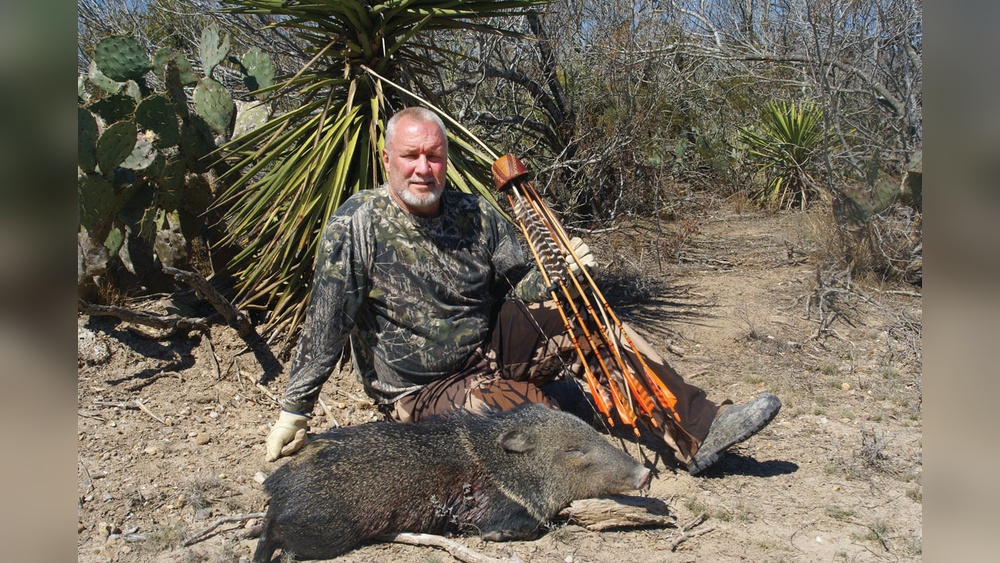
Javelina, also known as collared peccaries, are often mistaken for wild pigs due to their similar appearance. Adult javelina typically weigh between 35-55 pounds and stand about 18 inches tall at the shoulder. Their coarse, bristly hair, prominent collar marking, and elongated snout distinguish them from true pigs.
Unlike feral hogs, javelina possess a unique scent gland on their back, which emits a musky odor, making identification easier in the field. Recognizing these physical traits is crucial for ethical hunting, as confusing javelina with protected wildlife can lead to legal trouble.
Habitat And Range
Javelina thrive in arid regions such as Texas, Arizona, and New Mexico. They prefer brushy areas, cactus thickets, and river bottoms, relying on dense cover for protection. Their home range is typically 1-2 square miles, and they rarely stray far from reliable food and water sources.
Understanding their habitat preferences helps hunters pinpoint likely locations. For example, javelina often seek shelter during midday heat, making early morning and late afternoon the best times for spotting them.
Social Structure And Behavior
Javelina are social animals, usually living in groups of 6-20. These “herds” exhibit cooperative behavior, such as communal feeding and defending territory. During hunting, it’s common to encounter multiple animals at once, which can complicate stalking or targeting a specific individual.
Their acute sense of smell compensates for poor eyesight, so wind direction and scent control are critical. Javelina communicate with vocalizations and scent marking, and startled herds often scatter rapidly, requiring quick decision-making.
Seasonal Patterns
Javelina activity fluctuates with the seasons. In cooler months, they are more active during daylight, while hot summer days drive them to seek shade and limit movement. Hunters should adjust their strategies based on these patterns, focusing on water sources and shaded bedding areas when temperatures rise.

Credit: www.bowhunter.com
Legal Requirements And Ethical Considerations
Licensing And Regulations
Every state has distinct hunting regulations governing javelina. For example, Arizona requires a valid hunting license and a javelina tag, while Texas mandates hunter education and specific season dates. Always consult the latest rules from local wildlife agencies, such as the Arizona Game and Fish Department.
Legal compliance includes:
- Obtaining appropriate licenses and tags
- Understanding season dates and bag limits
- Following weapon restrictions (e.g., minimum draw weight for bows)
- Reporting successful harvests as required
Ethical Hunting Practices
Ethical hunting ensures sustainability and respect for wildlife. Key principles include:
- Shot placement: Aim for vital organs to ensure quick, humane kills.
- Respect for the animal: Avoid waste; use as much of the carcass as possible.
- Group safety: When hunting javelina herds, avoid targeting multiple animals if recovery could be compromised.
- Leave no trace: Minimize environmental impact, including proper disposal of remains.
Hunter Education And Responsibility
States often require hunter safety courses for bow hunters. These courses cover weapon handling, wildlife identification, and ethical decision-making. Even experienced hunters benefit from refresher courses to stay updated on regulations and best practices.
Pro Tip: Always carry proof of license and hunter safety certification in the field to avoid fines or confiscation.

Credit: arizonahunting.net
Essential Gear For Bow Hunting Javelina
Bow Selection And Setup
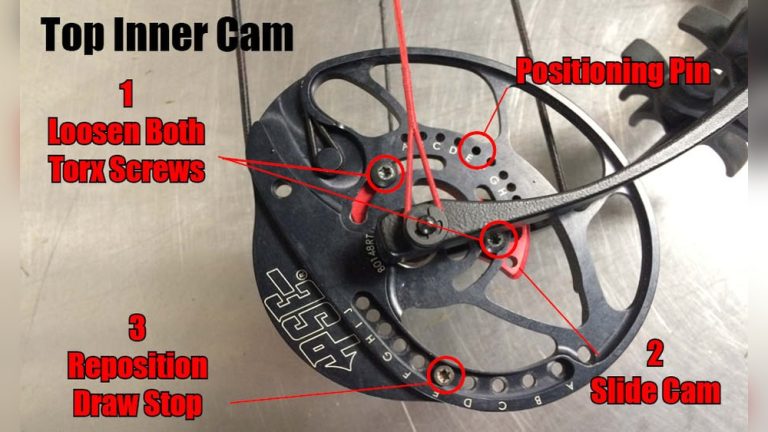
Choosing the right bow is paramount. Compound and recurve bows are both suitable, but compound bows offer greater accuracy and power. A minimum draw weight of 40 pounds is recommended to ensure lethal penetration.
Key setup components:
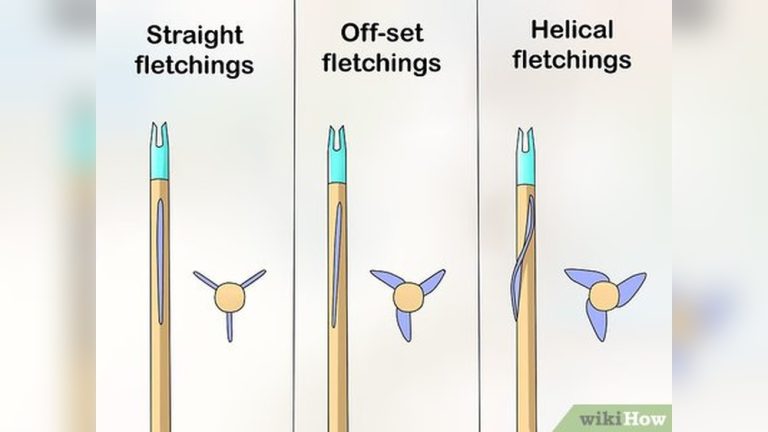
- Quality arrows: Carbon or aluminum shafts with broadheads designed for medium game.
- Fixed-blade broadheads: Reliable for javelina’s tough hide and small size.
- Sight pins: Calibrated for close-range shots (20-40 yards).
| Bow Type | Draw Weight (lbs) | Effective Range (yards) | Recommended Broadhead |
|---|---|---|---|
| Compound | 40-60 | 20-40 | Fixed-Blade |
| Recurve | 40-50 | 15-30 | Fixed-Blade |
| Crossbow | 100+ | 30-50 | Mechanical |
Clothing And Camouflage
Javelina rely on scent and sound more than sight, but camouflage is still crucial. Wear neutral-colored clothing that blends with desert or brushy environments. Lightweight, breathable fabrics help manage heat during long stalks.
Essential clothing items:
- Camouflage shirts and pants
- Wide-brimmed hat for sun protection
- Gloves to reduce hand movement visibility
- Quiet boots for stealthy movement
Scent Control And Wind Management
Because javelina have exceptional olfactory senses, scent control is vital. Use scent-free detergents, sprays, and avoid strong-smelling foods or lotions before hunting. Always hunt with the wind in your face to minimize detection.
Optics And Accessories
Quality binoculars (8×32 or 10×42) are essential for spotting javelina in dense brush. Rangefinders help ensure accurate shot placement, while lightweight packs carry water, snacks, and first aid supplies.
Safety Equipment
Carry a basic first aid kit, GPS or map, and a fully charged mobile device for emergencies. In remote areas, a satellite messenger can be lifesaving.

Credit: www.arizonahunting.net
Proven Hunting Strategies And Techniques
Spot-and-stalk Method
Spot-and-stalk is the most popular technique for bow hunting javelina. It involves glassing from a vantage point, then quietly approaching the animals.
Steps for effective spot-and-stalk:
- Use binoculars to scan likely habitats during early morning or late afternoon.
- Identify javelina movement patterns and bedding areas.
- Approach slowly, using terrain and vegetation for cover.
- Maintain a low profile and minimize noise.
- Close the distance to within 20-40 yards for an ethical shot.
Example: In my experience hunting in southern Arizona, glassing from rocky outcrops yielded consistent sightings. Careful wind management and slow, deliberate movement allowed me to approach within 25 yards, resulting in a successful harvest.
Ambush And Blind Hunting
Ambush strategies use natural or constructed blinds near water sources or feeding trails. Javelina visit these spots regularly, especially during dry periods.
Tips for blind hunting:
- Set up blinds before dawn for maximum concealment.
- Use natural brush and camo netting to break up your silhouette.
- Remain motionless and quiet; javelina are easily startled.
- Monitor wind direction and adjust blind placement accordingly.
Calling Techniques
Javelina respond to distress calls, particularly piglet squeals. Using commercial or homemade callers can attract herds, but overuse may make animals wary.
Calling steps:
- Use calls sparingly; wait at least 20 minutes between sessions.
- Position yourself downwind of likely approach routes.
- Be prepared for rapid movement, as javelina may charge or scatter.
Tracking And Sign Interpretation
Javelina leave distinct tracks and scat, which are valuable clues for locating herds. Tracks are rounded and two-toed, often found near water or food sources.
Signs to look for:
- Fresh tracks and droppings near feeding areas
- Rooted-up soil where javelina have foraged
- Musky odor indicating a nearby herd
Real-world Example: Texas Brush Country
A hunter in Texas’s brush country utilized a combination of spot-and-stalk and calling. After glassing a herd feeding on prickly pear cactus, he used a piglet distress call to lure them closer. By remaining patient and concealed, he was able to take a clean shot at 30 yards, demonstrating the effectiveness of blending techniques.
Shot Placement And Recovery
Vital Zones And Shot Angles
Proper shot placement is critical for ethical kills. Javelina’s vital zones are smaller than those of deer, requiring precision.
- Heart/lung area: Located just behind the front shoulder.
- Quartering-away shots: Offer clear access to vital organs.
- Avoid head shots: Risk of non-lethal injury and difficult recovery.
| Shot Angle | Target Zone | Success Rate | Risk of Wounding |
|---|---|---|---|
| Broadside | Heart/Lungs | High | Low |
| Quartering Away | Lungs | Moderate | Moderate |
| Head On | Chest | Low | High |
Tracking Wounded Javelina
After the shot, observe the animal’s reaction. Javelina may run short distances before bedding down. Look for blood trails, tracks, and disturbed brush.
Recovery tips:
- Wait 30-45 minutes before tracking to avoid pushing wounded animals.
- Use blood tracking techniques to follow the trail.
- Be prepared for close encounters; wounded javelina may defend themselves.
Post-harvest Care
Field dressing should be performed promptly to preserve meat quality. Remove entrails and cool carcass as quickly as possible. In arid climates, shade and ventilation are essential to prevent spoilage.
Ethical hunters utilize as much of the animal as possible, including meat, hide, and bones. Javelina meat is lean and flavorful, suitable for stews, roasts, and sausages.
Real-world Case Studies And Lessons Learned
Arizona Desert Success
A seasoned hunter in Arizona’s Sonoran Desert combined spot-and-stalk with wind management. By observing herd behavior and anticipating movement towards water, he closed the distance undetected. His careful approach and patience resulted in a clean, ethical harvest.
New Mexico Group Hunt
A family group in New Mexico used blinds near a known feeding trail. Over two days, they witnessed multiple javelina herds and successfully harvested two animals. Their experience highlighted the importance of pre-hunt scouting and group coordination.
Example: First-time Bow Hunter
A novice hunter in Texas relied on advice from local guides and invested in quality gear. After two unsuccessful attempts, he adjusted his approach, focusing on wind direction and using a distress call. On the third outing, he successfully harvested a javelina, underscoring the value of persistence and learning from mistakes.
Planning And Preparing For Your Hunt
Scouting And Mapping
Pre-hunt scouting is essential. Use topographic maps and satellite imagery to identify likely javelina habitats. Mark water sources, feeding areas, and bedding sites.
Steps for effective scouting:
- Walk potential hunting areas to observe tracks and sign
- Record GPS waypoints for key locations
- Monitor trail cameras to track herd movement
Physical Conditioning
Bow hunting javelina often involves hiking in rugged terrain. Improve stamina and strength through regular cardio and weight training. Practice shooting from various positions to simulate real-world scenarios.
Equipment Checklists
Before heading out, review a comprehensive checklist:
- Bow, arrows, and broadheads
- Binoculars and rangefinder
- Camouflage clothing
- Scent control products
- First aid kit and navigation tools
- Water and snacks
Weather And Timing
Monitor weather forecasts. Avoid hunting during extreme heat or heavy rain, as javelina activity decreases. Plan hunts around cooler mornings and late afternoons for best results.
Post-hunt Processing And Meat Utilization
Field Dressing And Butchering
Efficient field dressing preserves meat quality. Remove internal organs, cool carcass, and transport to a clean processing area. Use sharp knives and gloves for safety.
Butchering steps:
- Skin the carcass, avoiding hair contamination.
- Separate quarters for easier transport.
- Trim fat and silver skin to improve flavor.
Meat Handling And Storage
Javelina meat is lean and must be handled carefully to prevent drying. Wrap portions in freezer paper or vacuum-seal for long-term storage.
Pro Tip: Marinate javelina cuts before cooking to enhance tenderness and flavor.
Culinary Uses
Javelina meat is suitable for:
- Stews and chili
- Roasts and smoked dishes
- Sausages and ground meat
Many hunters prefer slow cooking methods to break down connective tissue and maximize flavor.
Trophy And Hide Preparation
Javelina hides make unique trophies. Clean and salt hides promptly for preservation. Consult a professional taxidermist for mounting or tanning.
Data-driven Comparison: Bow Hunting Javelina Vs. Feral Hogs
| Criteria | Javelina | Feral Hog |
|---|---|---|
| Average Weight | 35-55 lbs | 100-300 lbs |
| Group Size | 6-20 | 1-10 |
| Habitat | Desert, brush | Woodland, farmland |
| Legal Regulations | Strict tags & seasons | Often open season |
| Meat Quality | Lean, mild | Fatty, strong |
| Hunting Difficulty | Moderate | High |
This comparison highlights that javelina hunting, while less physically demanding than feral hog hunting, requires greater attention to legal compliance and specialized techniques.
Frequently Asked Questions
What Is The Best Time Of Year To Bow Hunt Javelina?
The optimal time for bow hunting javelina is late winter to early spring, when animals are more active during daylight hours and less affected by extreme heat. In regions like Arizona, February and March coincide with peak javelina movement, making it easier to spot herds near water sources. Hunters should also consider season dates set by state wildlife agencies.
How Can I Minimize Scent Detection When Hunting Javelina?
Minimizing scent detection involves a multi-step approach: use scent-free detergents to wash clothing, avoid scented soaps and lotions, and store gear in airtight containers. Apply commercial scent-eliminating sprays before entering the field and always hunt with the wind in your face. Some hunters also use ozone generators to reduce odor, but effectiveness varies.
Are There Any Special Safety Concerns When Hunting Javelina?
Javelina have sharp teeth and can defend themselves if wounded or cornered. Always approach downed animals cautiously and carry a sidearm for protection if legal in your area. Be aware of venomous snakes and harsh terrain in javelina habitats; wear sturdy boots and carry a first aid kit.
Hunting in groups can provide added safety in remote areas.
What Are The Main Differences Between Bow Hunting Javelina And Deer?
Bow hunting javelina differs from deer hunting in several ways: javelina have smaller vital zones, rely more on scent than sight, and live in large social groups. Shots are typically taken at shorter ranges due to javelina’s habitat and behavior. Legal regulations are often more stringent, requiring specific tags and adherence to strict season dates.
Can Javelina Meat Be Used For Traditional Pork Recipes?
While javelina are not true pigs, their meat can substitute for pork in many recipes. However, javelina meat is leaner and may require additional fat or marinating for tenderness. Popular dishes include stews, chili, and sausages. Always ensure meat is thoroughly cooked to prevent foodborne illness.
Bow hunting javelina offers a unique challenge and memorable rewards for those willing to invest in preparation, patience, and ethical practices. By understanding the animal’s biology, mastering proven techniques, and adhering to legal and ethical standards, hunters can enjoy both the pursuit and the harvest.
Whether you’re a first-time bow hunter or a seasoned enthusiast, the skills and experiences gained from javelina hunting will enhance your connection with the wild and elevate your outdoor adventures.