How To Bow Hunt Feral Pigs
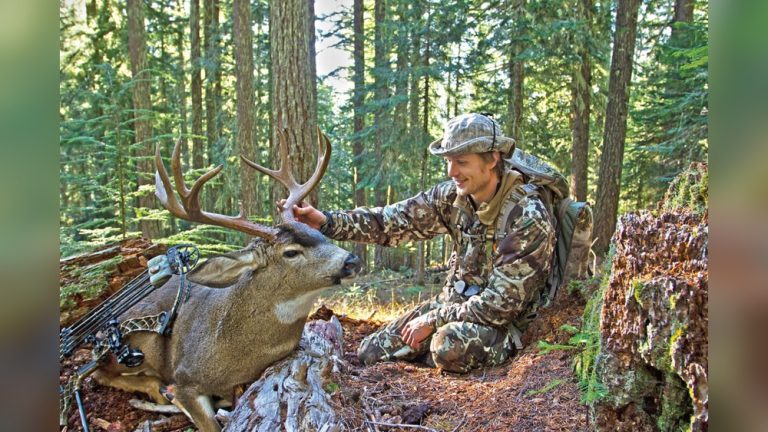
Bow hunting feral pigs has become a rapidly growing pursuit across the United States and beyond, offering both a thrilling challenge for archers and a crucial tool for wildlife management. With populations of feral pigs exploding, estimated at over 6 million in the US alone, according to the USDA, their destructive impact on crops, native habitats, and even livestock underscores the importance of effective hunting strategies.
Bow hunting, with its stealth and precision, offers a unique way to help control these invasive animals while demanding a high level of skill, patience, and preparation.
Success in bow hunting feral pigs isn’t just about technical proficiency, it requires understanding pig behavior, mastering gear selection, and applying ethical hunting practices. Whether you’re a seasoned hunter or just starting, adapting your approach to the unpredictable nature of feral pigs is essential.
This comprehensive guide covers everything from scouting and equipment selection to shot placement, safety, and real-world examples, ensuring you’re ready for the field and equipped to hunt responsibly.
Key Takeaways
- Bow hunting feral pigs requires a blend of skill, patience, and specialized equipment.
- Understanding pig behavior and habitat is crucial for consistent success.
- Proper gear selection, including bows, arrows, and broadheads, impacts hunting effectiveness.
- Ethical hunting and safety protocols protect hunters, wildlife, and the environment.
- Scouting, tracking, and shot placement are foundational skills for humane harvests.
- Real-world examples and tips enhance practical knowledge for both beginners and experts.

Credit: www.wasparchery.com
Understanding Feral Pig Behavior And Habitats
Feral pigs, also known as wild hogs or wild boars, are highly adaptable and intelligent animals. Their behavior and habitat preferences play a significant role in developing effective hunting strategies.
Habitat Preferences
Feral pigs thrive in a variety of environments, from dense forests and swamps to agricultural lands. They require access to water, cover, and abundant food sources. In my experience hunting in Texas, pigs consistently favored areas near creek beds and thick brush, where they could hide during the heat of the day and feed at dawn and dusk.
Key habitat features include:
- Water sources: Rivers, ponds, or marshes.
- Dense cover: Thickets, tall grass, and brush.
- Food availability: Crops, acorns, roots, and insects.
Daily Movement And Feeding Patterns
Feral pigs are primarily nocturnal, with peak activity during early morning and late evening. Their movements often follow established trails between bedding and feeding areas. Hunters should target these transition zones for optimal ambush opportunities.
Pro Tip: Use trail cameras to monitor pig activity and identify high-traffic corridors.
Social Structure And Group Dynamics
Feral pigs typically form groups called sounders, led by a dominant sow. These groups range from a few individuals to over 20, depending on food and habitat quality. Boars, especially older ones, may roam alone and are more cautious than sounder members.
Understanding group behavior helps predict movement patterns and increases the likelihood of encountering multiple targets during a hunt.
Essential Bow Hunting Gear And Equipment
Choosing the right gear is foundational to successful and ethical feral pig hunting. Equipment selection impacts accuracy, penetration, and safety.
Bow Selection
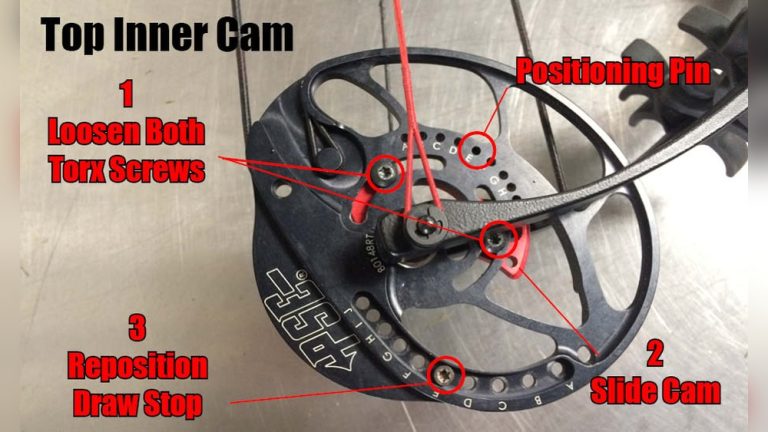
When targeting feral pigs, hunters should prioritize bows with adequate draw weight and durability. Compound bows are most popular, but recurve and longbows can also be effective if properly matched to the hunter’s skill.
Minimum recommended draw weight:
- Compound bows: 45, 60 lbs
- Recurve/longbows: 50+ lbs
Higher draw weights ensure sufficient arrow penetration through tough pig hide and bone.
Arrows And Broadheads
Arrows should be heavy and robust, paired with sharp, durable broadheads. Fixed-blade broadheads are preferred for their reliability and penetration.
| Arrow Type | Recommended Weight | Broadhead Type | Advantages |
|---|---|---|---|
| Carbon | 400, 500 grains | Fixed-blade | High durability, deep penetration |
| Aluminum | 450, 550 grains | Fixed-blade | Strong, reliable, slightly heavier |
| Hybrid (carbon/aluminum) | 450, 500 grains | Mechanical | Increased cutting diameter |
Broadhead recommendations:
- Fixed-blade (2 or 3 blades)
- Cut-on-contact designs
- Avoid expandable/mechanical broadheads unless using high draw weights.
Accessories And Protective Gear
Hunters should equip themselves with:
- Quality rangefinders
- Camouflage clothing
- Safety harnesses (for tree stands)
- Backpacks with hydration systems
- Sharp knives and field dressing kits
Safety glasses and gloves protect against brush and debris. Always carry a basic first-aid kit.
Real-world Example: Gear Setup
When hunting in Florida, I used a 55 lb compound bow with 475-grain carbon arrows and 125-grain fixed-blade broadheads. This setup consistently delivered deep penetration, even on large boars over 200 lbs.

Credit: nabowhunter.com
Scouting, Tracking, And Locating Feral Pigs
Effective scouting and tracking are crucial for increasing encounters and maximizing hunting success.
Scouting Techniques
Begin by identifying signs of pig activity:
- Rooting and wallowing marks
- Tracks and scat
- Trail camera footage
Scout at dawn or dusk, when pigs are most active. Use aerial maps and apps like OnX Hunt to locate water sources and feeding areas.
Tracking And Stalking Strategies
Feral pigs are alert and have a keen sense of smell. Move slowly, stay downwind, and avoid sudden movements.
Tracking tips:
- Look for fresh tracks and mud wallows.
- Listen for grunts or rustling in thick cover.
- Use binoculars to scan open fields.
Stalking requires patience and silence. In Texas, I once spent over 40 minutes crawling through tall grass to close the distance on a group of pigs feeding in a cornfield.
Tree Stand And Ground Blind Placement
Position stands and blinds near travel corridors or feeding sites. Elevation provides a better view and scent control, while ground blinds offer concealment.
Pros and cons comparison:
| Method | Pros | Cons |
|---|---|---|
| Tree Stand | Better visibility, reduced scent detection | Limited mobility, setup time |
| Ground Blind | Concealment, portable | Lower visibility, closer range needed |
| Spot-and-Stalk | Flexible, exciting | Requires skill, high risk of alerting pigs |
Example: Successful Scouting
In Georgia, hunters using trail cameras along creek bottoms consistently reported high activity during the first two hours after sunset. This allowed them to plan hunts around peak movement times.
Credit: www.bowhunter.com
Shot Placement, Anatomy, And Ethical Harvest
Understanding pig anatomy is essential for humane and effective harvests. Feral pigs have thick hides, heavy muscles, and tough shoulder bones, making shot placement critical.
Vital Zones And Shot Angles
The most effective shot targets the heart-lung area, located just behind the shoulder. This offers a larger margin for error and maximizes lethality.
- Broadside shot: Aim just above and behind the front leg.
- Quartering away: Target the opposite front leg through the ribs.
- Avoid head/neck shots: Risk of wounding and poor penetration.
Pro Tip: Wait for pigs to pause or feed, minimizing movement and ensuring accurate placement.
Anatomy Comparison Table
| Zone | Size | Penetration Difficulty | Effectiveness |
|---|---|---|---|
| Heart-Lung | Large | Moderate | High |
| Shoulder | Medium | High | Moderate |
| Head/Neck | Small | Very High | Low |
Recovery And Tracking Wounded Pigs
After a shot, wait 15, 30 minutes before tracking. Look for blood trails, broken branches, and signs of distress. Pigs can run far even after a lethal hit; patience and careful tracking are vital.
Example: Ethical Harvest
A hunter in Oklahoma reported a clean harvest after waiting for a broadside shot at 25 yards. The pig dropped within 40 yards, allowing for quick recovery and minimal suffering.
Safety, Legal Considerations, And Ethics
Bow hunting feral pigs carries inherent risks and legal responsibilities. Hunters must prioritize safety and comply with regulations.
Personal Safety Protocols
Always:
- Hunt with a partner or inform someone of your location.
- Carry a charged cell phone or emergency beacon.
- Wear blaze orange when moving to and from stands (required in many states).
- Be cautious in thick brush, as pigs can be aggressive when wounded.
Warning: Feral pigs can transmit diseases such as brucellosis and leptospirosis. Wear gloves when field dressing and avoid contact with bodily fluids.
Legal And Regulatory Compliance
Feral pig hunting regulations vary by state. Some allow year-round hunting; others require permits. Consult local wildlife agencies and review current laws at the USDA Feral Swine Program.
Common requirements:
- Valid hunting license or permit
- Restrictions on baiting and night hunting
- Reporting harvests in some states
Ethical Hunting Practices
Ethical hunters:
- Respect private property and obtain permission
- Target healthy animals for harvest
- Practice fair chase and avoid waste
Always strive for quick, humane kills and minimize suffering.
Example: Legal Compliance
In California, hunters must report feral pig harvests to state wildlife authorities. Failing to do so can result in fines and loss of hunting privileges.
Real-world Examples And Case Studies
Examining successful hunts and challenges faced in the field offers valuable lessons.
Case Study: Florida Swamp Hunt
A team of hunters targeted feral pigs in a dense swamp using elevated tree stands. Trail cameras revealed pigs moving along water edges at dusk. By placing stands near these routes and using heavy arrows, the hunters harvested three pigs in a single evening, demonstrating the effectiveness of scouting and proper gear.
Case Study: Texas Cornfield Stalk
Hunting solo, a bow hunter used wind direction and tall grass for cover. After spotting a sounder at 80 yards, he closed the distance to 30 yards and waited for a broadside shot. A well-placed arrow resulted in a quick harvest, highlighting the importance of patience and stealth.
Example: Ethical Dilemma
In Arkansas, a hunter encountered a wounded pig that escaped into thick brush. He tracked the animal for over an hour, ultimately deciding to call off the pursuit when safety became a concern. This illustrates the importance of knowing when to prioritize personal safety over recovery.
Tips And Techniques For Increasing Success
Mastering bow hunting feral pigs involves ongoing learning and adaptation.
Improve Stealth And Scent Control
- Use scent-reducing sprays and wash clothing in unscented detergent.
- Avoid colognes, tobacco, or food odors.
- Approach from downwind and minimize movement.
Practice Shooting And Accuracy
- Regularly shoot at realistic distances (20, 40 yards).
- Use 3D pig targets for practice.
- Focus on quick, accurate shot execution.
Optimize Hunting Times
- Hunt during dawn, dusk, and moonlit nights.
- Target pigs after rain, when they are more active.
- Adjust strategies based on weather and season.
Utilize Technology
- Deploy trail cameras and GPS mapping apps.
- Share real-time data with hunting partners.
- Document successful hunts to refine tactics.
Field Dressing, Meat Handling, And Disease Prevention
Proper handling of harvested pigs ensures safe consumption and maximizes yield.
Field Dressing Procedures
Immediately after recovery:
- Wear gloves and eye protection.
- Use a sharp knife to open the chest cavity.
- Remove internal organs, avoiding puncture of intestines.
- Rinse carcass with clean water if available.
Meat Handling And Preservation
- Cool meat quickly, especially in warm climates.
- Store in ice chests until processing.
- Trim away fat, which can carry strong flavors.
Example: Hunters in Louisiana recommend skinning pigs within an hour to prevent spoilage.
Disease Prevention And Testing
Feral pigs can carry diseases such as trichinosis and swine brucellosis. The CDC advises cooking pork to an internal temperature of at least 160°F and testing meat when possible (CDC Food Safety).
Warning: Consult a veterinarian or wildlife expert for guidance if unsure about meat safety.
Disposal Of Waste
Dispose of entrails and non-edible parts away from water sources and public areas. Bury or burn waste in accordance with local regulations.
Frequently Asked Questions
What Is The Best Time Of Year To Bow Hunt Feral Pigs?
Feral pigs can be hunted year-round in most states, but late winter and early spring are optimal. Food sources are scarce, making pigs more active and easier to pattern. Additionally, cooler temperatures reduce meat spoilage risks.
How Can I Distinguish Between Feral Pigs And Domestic Pigs?
Feral pigs display coarse, bristly hair, longer snouts, and tusks. They are typically leaner and have more muscular builds compared to domestic pigs. Behavioral cues, such as aggressive rooting and group dynamics, also indicate feral status.
Is It Possible To Hunt Feral Pigs On Public Land?
Many states allow feral pig hunting on designated public lands, but regulations vary. Hunters must obtain proper permits and follow specific rules about access, weapon types, and reporting requirements. Always check with local wildlife agencies before hunting.
What Should I Do If I Encounter An Aggressive Feral Pig?
If confronted by an aggressive pig, remain calm and back away slowly. Avoid running, as sudden movements can provoke a chase. Use trees or brush for cover, and be prepared to use your bow or other deterrents if necessary. Seek medical attention for any injuries.
Are There Special Considerations For Hunting Pigs In Hot Climates?
Yes. In hot climates, prioritize early morning or late evening hunts to avoid heat stress. Rapidly cool harvested meat and use insulated containers. Hydrate frequently, and wear lightweight, moisture-wicking clothing for comfort and safety.
Bow hunting feral pigs is both a rewarding challenge and an important contribution to wildlife management. By mastering gear selection, scouting, ethical shot placement, and safety protocols, hunters can achieve consistent success and help mitigate the environmental impact of these invasive animals.
With ongoing practice and respect for regulations, bow hunters can enjoy productive hunts while preserving the integrity of the wild places they explore.