How To Bow Fish From Shore
Bowfishing from shore is a unique blend of archery, fishing, and outdoor adventure that’s rapidly gaining popularity among outdoor enthusiasts. Unlike traditional fishing, bowfishing offers an active, engaging experience where every shot counts and anticipation is constant. Whether you’re a seasoned archer looking to expand your skills or a fishing enthusiast seeking a new challenge, learning how to bow fish from shore provides a fresh perspective on both sports.
Shore-based bowfishing is accessible and affordable, requiring minimal gear compared to boat fishing. It’s an excellent entry point for beginners and offers seasoned bowfishers a different set of challenges and rewards. From choosing the right equipment to understanding fish behavior and local regulations, mastering the art of bowfishing from the bank can transform your outdoor experiences.
This guide covers everything you need to know to get started, improve your technique, and make the most of every outing.
Key Takeaways
- Bowfishing from shore is accessible, cost-effective, and suitable for all skill levels.
- Selecting the right gear and knowing local regulations are critical for success and legality.
- Understanding fish habits and optimal locations dramatically increases your catch rate.
- Safety, environmental stewardship, and ethical fishing practices are essential.
- Real-world examples demonstrate effective strategies and common challenges.
- Preparation, practice, and patience are key to mastering shore-based bowfishing.

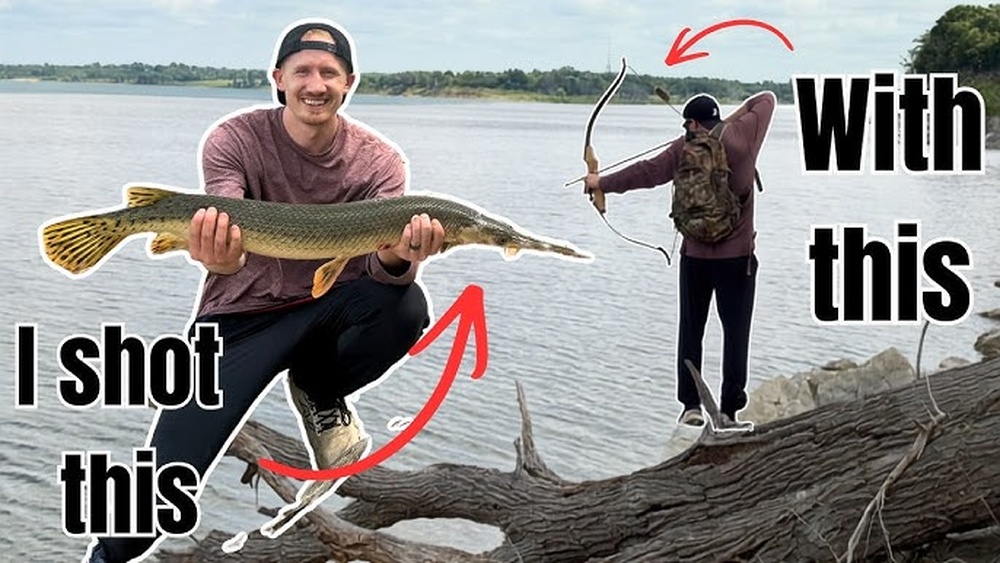
Credit: www.youtube.com
Understanding Bowfishing From Shore
What Is Bowfishing?
Bowfishing is the practice of using specialized archery equipment to shoot and retrieve fish in shallow waters. Unlike angling, where bait and lures attract fish, bowfishers rely on stealth, observation, and precise shooting. Common target species include carp, gar, buffalo, and tilapia, which are often classified as invasive or non-game fish in many states.
Why Choose Shore-based Bowfishing?
Shore bowfishing offers several advantages:
- Low entry cost: No need for boats or expensive electronics.
- Accessibility: Lakes, rivers, and ponds are often open to the public.
- Mobility: Move easily along the bank to find active fish.
- Simplicity: Less gear and setup compared to boat-based methods.
Legal And Ethical Considerations
Bowfishing is regulated differently than traditional fishing. Key points include:
- Licensing: Most states require a valid fishing license and may have bowfishing-specific regulations.
- Permitted species: Only certain species may be legally harvested, check your state’s fish and wildlife agency.
- Seasons and hours: Some waters restrict bowfishing times or seasons.
- Bag limits: Know how many fish you can legally harvest.
For the latest rules, consult your local authority or visit the official state wildlife website.
A Brief History Of Bowfishing
Bowfishing’s roots trace back thousands of years, with Indigenous peoples using primitive bows and arrows to hunt fish for sustenance. Today’s sport combines modern archery technology with time-honored techniques, emphasizing both skill and conservation.

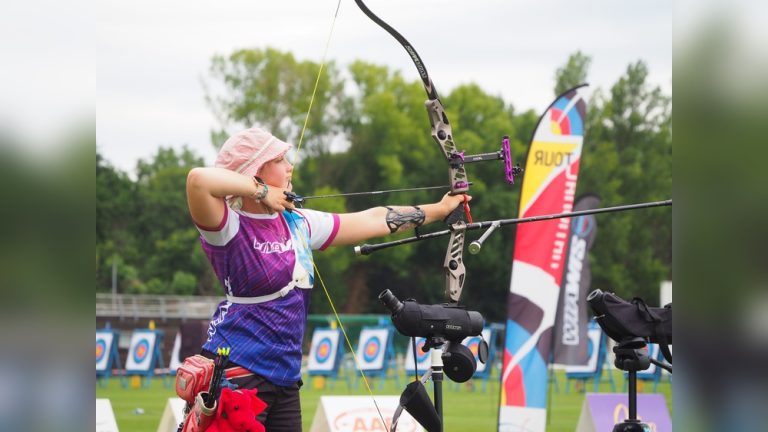
Credit: www.bioennopower.com
Essential Gear For Shore Bowfishing
Bow Types And Modifications
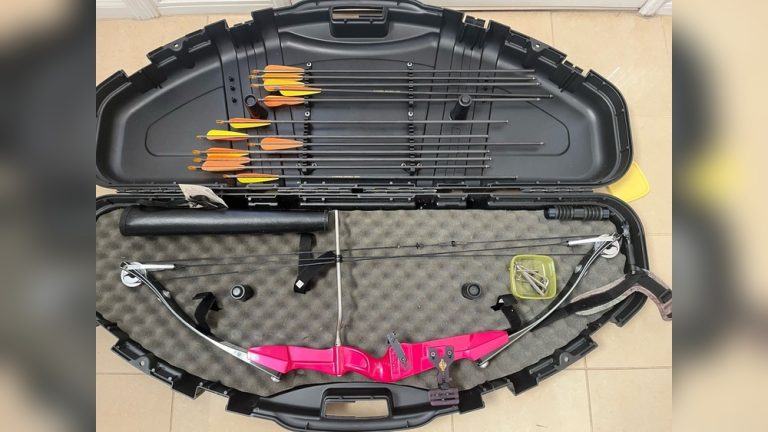
Your choice of bow is foundational to success. Options include:
- Recurve bows: Lightweight, simple, and ideal for quick shots.
- Compound bows: Offer greater power and accuracy; heavier and more complex.
- Bowfishing-specific bows: Purpose-built with corrosion-resistant materials and mounting points.
Most bowfishers use draw weights between 30-50 pounds for optimal penetration without excessive fatigue.
Arrows And Tips
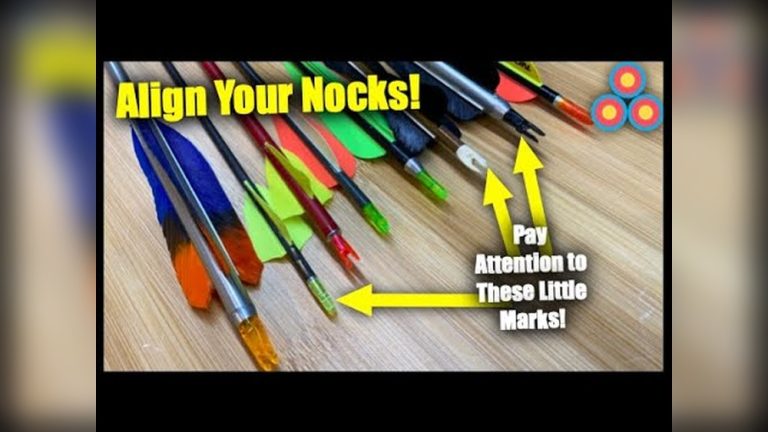
Bowfishing arrows differ from standard archery arrows:
- Material: Typically fiberglass or carbon for strength and durability.
- Weight: Heavier than hunting arrows to penetrate water.
- Tips: Barbed points for secure retrieval; replaceable for versatility.
Pro Tip: Use brightly colored arrows or reflective wraps to track shots in murky water.
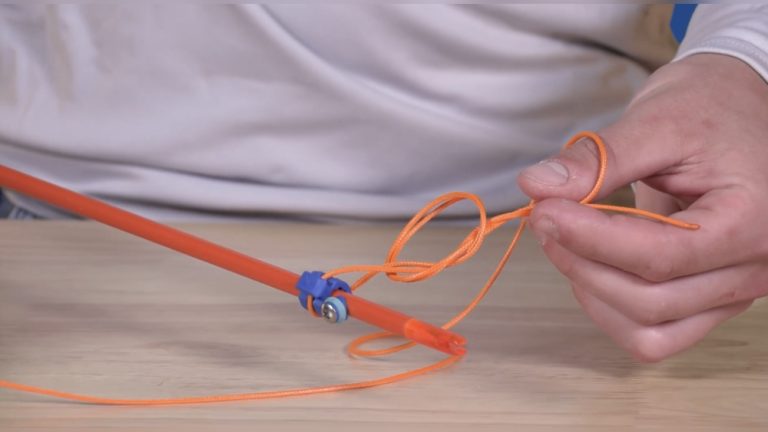
Reels And Retrieval Systems
Three main types of bowfishing reels:
| Reel Type | Advantages | Disadvantages | Best For |
|---|---|---|---|
| Drum Reel | Simple, inexpensive, reliable | Manual winding, slower retrieval | Beginners, budget setups |
| Spincast Reel | Faster, mechanical retrieval | More parts, higher cost | Frequent shooters, larger fish |
| Retriever Reel | No drag, tangle-free, easy use | Expensive, learning curve | Serious bowfishers, tournaments |
Additional Accessories
- Polarized sunglasses: Reduce glare and enhance underwater visibility.
- Gloves: Protect hands from line burns and fish handling.
- Flashlights/headlamps: Essential for night bowfishing.
- Stringers or coolers: Store caught fish.
- Waders or waterproof boots: Navigate shallow or muddy banks safely.
Budgeting For Your Setup
A basic shore bowfishing kit can cost $150-$400, while advanced setups can exceed $1,000. Start with quality essentials and upgrade as your skills and needs evolve.
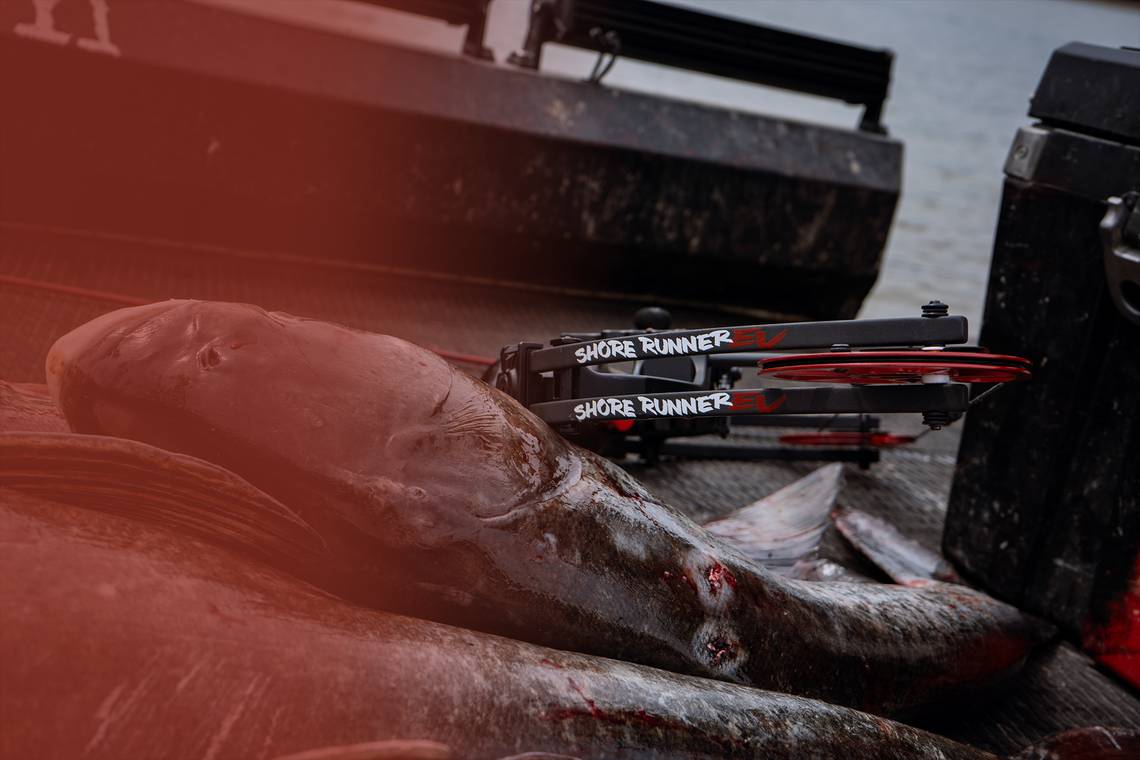
Credit: www.beararchery.com
Locating Fish And Choosing The Right Spots
Understanding Fish Behavior
Target species have unique habits:
- Carp: Prefer warm, shallow, weedy areas, often visible near the surface.
- Gar: Found in slow-moving water, basking or hunting near structure.
- Buffalo: Bottom feeders, active in muddy flats.
- Tilapia: Congregate in rocky areas, especially during spawning.
Learning to recognize movement patterns, feeding signs, and seasonal changes is crucial.
Optimal Times And Conditions
Fish activity varies by time and weather:
- Early morning and late evening: Lower light increases fish movement.
- Spring and early summer: Spawning brings fish to shorelines.
- After rain: Rising water levels push fish into newly flooded areas.
- Calm, sunny days: Improve water clarity for better visibility.
Scouting Techniques
- Walk the shoreline: Look for jumping, feeding, or spawning fish.
- Use polarized sunglasses: Spot submerged fish and underwater structure.
- Mark productive spots: Record GPS coordinates or landmarks for future visits.
Access And Permissions
Not all shorelines are publicly accessible. Always:
- Check land ownership: Seek permission on private property.
- Respect posted signs: Obey all closures and restrictions.
- Use designated access points: Avoid damaging vegetation or wildlife habitat.
Example: Productive Carp Spotting
On a recent spring morning at a local reservoir, I observed a group of carp feeding aggressively in a flooded grassy area. By quietly approaching from downwind and using polarized glasses, I was able to spot their tails breaking the surface, a classic sign of active fish.
This led to multiple successful shots within an hour.
Mastering Shore Bowfishing Techniques
Shooting Form And Aiming Adjustments
Shooting into water requires compensating for refraction, the bending of light as it passes from air to water, making fish appear higher than they are. The key rule: Aim low.
- Rule of thumb: Aim 6-10 inches below the visible target for every foot of water depth.
- Stance: Stand with feet shoulder-width apart for stability.
- Draw and release: Use a smooth, controlled motion; snap shooting is common for quick shots.
Stealth And Approach
Fish are sensitive to vibration and movement:
- Move slowly and quietly: Avoid sudden movements or noise.
- Stay low: Crouch or kneel to minimize your profile.
- Use cover: Approach from behind brush or reeds when possible.
Target Selection
Always prioritize legal, ethical targets:
- Avoid protected species: Misidentification can result in fines.
- Select visible, unobstructed fish: Reduces missed shots and lost arrows.
- Consider fish size: Ensure your gear matches the potential catch.
Retrieval And Handling
- Retrieve arrow promptly: Reduces line tangles and stress on fish.
- Secure fish: Use gloves and stringer to avoid injury.
- Dispatch humanely: If keeping fish, follow best practices for quick, ethical kills.
Example: Night Bowfishing Tactics
Night bowfishing is highly productive as many species move into shallow water to feed. Using a powerful headlamp and a quiet approach, I’ve often spotted large carp in less than two feet of water. The challenge increases with reduced visibility, but the excitement and success rate often make it worthwhile.
Safety, Conservation, And Ethical Practices
Personal Safety Precautions
Shore bowfishing presents unique hazards:
- Slippery banks: Wear non-slip footwear and remain vigilant.
- Sharp equipment: Handle arrows and tips with care.
- Night fishing: Use reflective clothing and carry a first-aid kit.
Warning: Never shoot into murky water without clear target identification, hidden rocks or debris can cause arrow ricochets and injuries.
Respect For Wildlife And Environment
Responsible bowfishers:
- Pack out all trash: Leave no trace.
- Avoid spawning beds: Disturbing these areas harms fish populations.
- Release non-target species: If accidentally shot, release unharmed if possible.
Legal Compliance
- Follow harvest limits: Overharvesting can damage ecosystems.
- Report invasive species: Some states require reporting catches of specific fish.
For more on ethical bowfishing, see the Bowfishing Association of America guidelines at Bowfishing Association of America.
Conservation Impact
Targeting invasive species like carp and tilapia helps restore native fish populations and improves water quality. Many bowfishing tournaments partner with conservation groups for habitat restoration.
Example: Community Clean-up Initiatives
Local bowfishing groups often organize “trash fish” removal events, where participants target invasive species and collect litter along the shoreline. These efforts benefit both the ecosystem and the local community.
Advanced Tips And Strategies For Success
Adapting To Seasonal Changes
- Spring: Target spawning fish near flooded banks.
- Summer: Fish seek shade; focus on overhangs and submerged logs.
- Fall: Cooling water pushes fish deeper, try creek mouths and drop-offs.
- Winter: Activity slows, but sunny afternoons can produce shallow feeders.
Gear Upgrades And Customization
- Laser sights: Improve aiming accuracy, especially for beginners.
- Stabilizers: Enhance bow balance and shot consistency.
- Line upgrades: Use high-visibility, abrasion-resistant line for easy tracking.
Targeting Specific Species
Different species require distinct tactics:
- Gar: Aim for the head or spine, thick scales deflect weak shots.
- Buffalo: Feed in schools; patience and observation pay off.
- Tilapia: Spook easily; long shots and stealth are essential.
Maximizing Shot Opportunities
- Scan ahead: Anticipate fish movement and ready your shot.
- Practice snap shooting: Quick, instinctive releases are often necessary.
- Refine your aim: Regular dryland practice improves accuracy and muscle memory.
Example: Adapting To Changing Conditions
During a recent trip, rapidly rising water from an upstream dam release flooded shoreline grass, drawing carp into previously dry areas. By adjusting my route and focusing on these new zones, I was able to capitalize on increased fish activity, demonstrating the importance of adapting to real-time conditions.
Comparing Shore Vs. Boat Bowfishing
Understanding the differences between shore and boat bowfishing helps refine your strategy and expectations.
| Aspect | Shore Bowfishing | Boat Bowfishing |
|---|---|---|
| Cost | Low (no boat needed) | High (boat, fuel, electronics) |
| Accessibility | High (public access) | Limited (ramps, private land) |
| Mobility | On foot, limited range | Wide coverage, rapid movement |
| Stealth | High (quiet approach possible) | Engine noise, lights can spook fish |
| Fish Size | Small to medium (shore species) | Medium to large (open water species) |
| Social Aspect | Solo or small group | Group events, tournaments |
Pro Tip: Start shore bowfishing to build skills and confidence before investing in boat-based setups.
Real-world Examples And Case Studies
Case Study 1: Urban Pond Success
In a small city park pond, bowfishers have consistently targeted invasive carp populations. Using a recurve bow with a drum reel and polarized glasses, one local angler averaged 5-7 carp per outing during spring spawning runs. The accessible shoreline and clear water made for productive shooting, and regular removal efforts have helped local aquatic plants recover.
Case Study 2: Riverbank Night Bowfishing
A group of friends routinely fish a mid-sized river at night, targeting gar and buffalo. Equipped with headlamps and retriever reels, they focus on slow-moving eddies and shallow sandbars. Their biggest challenge is balancing stealth with adequate lighting, but over several seasons, their expertise has led to consistent catches and growing local interest in bowfishing.
Case Study 3: Youth Outreach Event
A state fish and wildlife agency partnered with a bowfishing club to host a youth event on a public reservoir. After a safety briefing and gear demonstration, participants were led along a weedy shoreline. Under supervision, several first-time bowfishers successfully landed carp, instilling a sense of achievement and stewardship for local waterways.
Lessons Learned
- Accessibility matters: Urban and community waters offer excellent learning grounds.
- Adaptation is key: Night fishing and variable water conditions require flexibility.
- Education boosts success: Outreach and mentorship accelerate skill development.
Preparing And Cooking Your Catch
Cleaning And Filleting Bowfished Species
Most common bowfishing targets are edible and, when prepared properly, can be delicious:
- Carp: Remove all red meat and bloodline; soak in cold water to reduce strong flavor.
- Gar: Tough skin requires a sturdy knife or tin snips; white meat is mild and firm.
- Buffalo: Fillet carefully around bones; excellent for frying or smoking.
- Tilapia: Clean and cook fresh for best flavor.
Popular Recipes
- Fried carp nuggets: Cut boneless pieces, bread, and fry until golden.
- Grilled gar steaks: Marinate in lemon and herbs, grill over high heat.
- Buffalo fish cakes: Mix flaked fish with breadcrumbs and spices, pan-fry until crisp.
Safe Handling And Storage
- Keep fish cool: Use ice or a cooler, especially in warm weather.
- Cook thoroughly: Especially important for wild-caught species.
- Dispose of waste responsibly: Avoid attracting wildlife or polluting water.
Regulations And Recommendations
Some states restrict consumption of certain fish species due to mercury or PCB contamination. Always consult local advisories, available on the EPA’s Fish Consumption Advisories page at EPA.
Pro Tip: Experiment with different cooking methods, smoking, pickling, or making fish cakes, to find the best way to enjoy your catch.
Common Challenges And Solutions
Murky Water And Poor Visibility
- Solution: Use high-contrast arrows, fish during daylight, or focus on shallower areas.
Wind And Weather Changes
- Solution: Seek sheltered spots, fish after storms when water is rising, and adjust your aim for surface chop.
Crowded Or Limited Access
- Solution: Scout less popular locations, fish during off-peak hours, and always respect other anglers.
Equipment Failures
- Solution: Carry spare tips, line, and basic repair tools. Regularly inspect and maintain gear.
Misidentification Of Fish
- Solution: Study field guides, practice fish ID, and err on the side of caution, never shoot if unsure.
Example: Overcoming A Tough Day
On a particularly windy day at my local lake, visibility was poor and fish were scarce near the usual spots. By moving to a sheltered cove with clearer water and using a heavier arrow to cut through surface chop, I was able to salvage the outing and land several fish, demonstrating the importance of adaptability and perseverance.
Frequently Asked Questions
What Fish Species Can I Legally Target When Bowfishing From Shore?
Permitted species vary by state but often include common carp, gar, buffalo, bowfin, and tilapia. These are typically considered invasive or non-game fish. Always check your state’s fish and wildlife regulations for a current list, as some waters may have additional restrictions or protected species. If in doubt, contact your local agency before heading out.
Is Bowfishing From Shore Safe For Beginners?
Yes, with proper preparation and safety precautions. Beginners should start with lower draw weight bows, use polarized glasses for visibility, and fish during daylight hours. It’s wise to fish with a friend and carry a first-aid kit. Taking a bowfishing safety course or joining a local club can further reduce risks and accelerate learning.
What Should I Do With The Fish I Catch?
Many shore bowfishers utilize their catch for food, garden fertilizer, or pet food. If you plan to eat your fish, clean and cook them promptly, following local consumption advisories. If not eating the fish, dispose of remains responsibly, never leave fish on the bank or in the water, as this attracts wildlife and may be illegal.
Some communities offer disposal sites or encourage donation to wildlife rehabilitation centers.
Can I Bowfish At Night From Shore?
Yes, night bowfishing is legal in many areas and often highly productive. You’ll need a strong headlamp, flashlight, or bow-mounted light to spot fish. Check local regulations, as some waters restrict night fishing or require special permits. Use extra caution for safety, visibility, and navigation at night.
How Can I Improve My Aim For Shooting Fish Underwater?
Practicing aim adjustment for refraction is essential. Start with targets placed underwater at various depths to get a feel for aiming low. Use visual cues, such as aiming at the belly or below the line of sight, and refine your technique with real-world practice.
Joining a bowfishing club or practicing with experienced anglers can accelerate skill development.
Bowfishing from shore offers a rewarding, hands-on way to connect with nature, improve your outdoor skills, and contribute positively to local ecosystems. With the right preparation, gear, and ethical mindset, every outing has the potential to be memorable. As with any sport, success comes from patience, adaptability, and a passion for the chase, so grab your bow, head to the water, and experience the excitement of shore bowfishing firsthand.