Are Separate Licenses Required for Spear and Bow Fishing?
Spear and bow fishing are both exciting ways to catch fish, but they also raise important legal questions. Many people wonder if you need separate licenses for each type of fishing, or if a general fishing license covers both. This is not just a simple yes or no answer. The rules can change by country, state, or even the body of water you plan to fish in. Some places have very strict regulations, while others are more flexible. Understanding these details is key if you want to stay legal and enjoy your time outdoors.
In this article, I’ll break down the different rules for spear and bow fishing licenses, explain why they matter, and show you how to find the right permits for your area. Whether you’re a beginner or experienced angler, you’ll find out how to avoid common mistakes and get the most out of your fishing adventures without running into trouble.
What Makes Spear And Bow Fishing Unique?
Spear fishing and bow fishing are both types of active fishing. Instead of waiting for fish to bite, you use special equipment to hunt them directly. Spear fishing uses spears or similar tools, often while snorkeling or diving. Bow fishing uses a bow and arrow, usually from a boat or shoreline.
These methods are different from traditional rod-and-reel fishing. The gear is unique, the skills are different, and the impact on fish populations can vary. That’s why many governments treat them differently when making fishing laws.
Spear Fishing
Spear fishing is an ancient practice. People have used sharpened sticks to catch fish for thousands of years. Today, most spear fishing uses modern tools like spearguns or pole spears. In the US, spear fishing is usually done in saltwater, but some states allow it in freshwater too.
Spear fishing can be very selective. You see the fish before you shoot, so you can avoid protected species or fish that are too small. But it can also be risky for the environment if not done carefully, especially if people target vulnerable species.
Bow Fishing
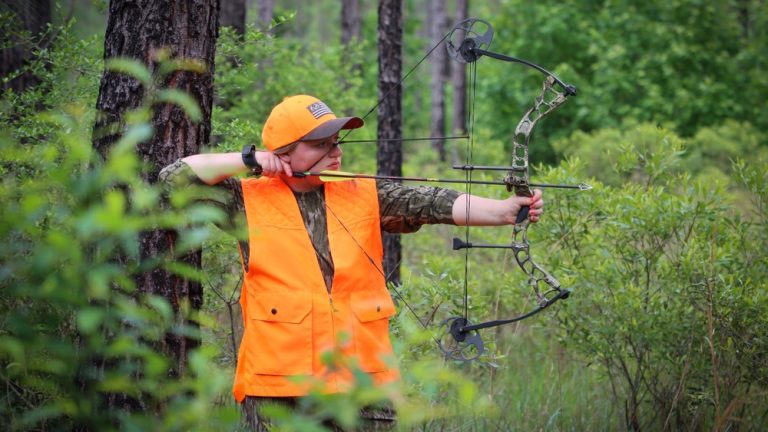
Bow fishing is often done in shallow waters, such as rivers, lakes, or marshes. A special bow shoots arrows with barbed tips that hold the fish. Many bow fishers use boats with bright lights to spot fish at night.
Bow fishing is popular for invasive species like carp, which can damage local ecosystems. Some states encourage bow fishing for these fish, but not for others. That’s why license rules can be quite different.
Why Are Separate Licenses Sometimes Required?
Not all fishing licenses are the same. A standard fishing license often covers rod-and-reel fishing, but not always spear or bow fishing. Some places require additional permits for these methods, while others combine them.
The Reason For Extra Permits
There are a few reasons why extra permits might be needed:
- Conservation: Spear and bow fishing can be more effective than traditional fishing. This means you could catch more fish, which puts extra pressure on populations.
- Species Protection: Some fish are protected or have special seasons. Different methods might be allowed at different times.
- Safety and Training: These methods can be dangerous. Extra permits sometimes require safety courses.
- Equipment Regulation: Authorities want to know who is using certain gear. For example, spearguns are sometimes restricted.
Different Rules For Different Waters
Laws can also change depending on where you fish. In some US states, freshwater and saltwater licenses are totally separate. Some areas only allow spear or bow fishing in certain locations.
Here’s a comparison of how spear and bow fishing licenses are handled in three popular US states:
| State | Spear Fishing License | Bow Fishing License | Notes |
|---|---|---|---|
| Florida | Saltwater fishing license + extra for some gear | Freshwater/saltwater license, depends on location | Spear fishing not allowed in some areas; bow fishing allowed for non-game fish |
| Texas | Freshwater/saltwater license; gear restrictions | Freshwater/saltwater license; species restrictions | Bow fishing popular for rough fish |
| California | General fishing license; specific species only | General fishing license; only for certain species | Extra rules for marine protected areas |
As you can see, even within the US, the rules vary a lot. Always check local regulations before planning a trip.

Credit: castandfly.com
How To Find Out Which License You Need
It’s easy to get confused by all the options. Here’s how to figure out what license you need for spear or bow fishing:
- Check State or Country Laws: Start with the official government fish and wildlife department website.
- Look for Special Regulations: Search for rules about spear fishing or bow fishing. Sometimes they are in a separate section from general fishing laws.
- Identify the Water Type: Rules are often different for freshwater and saltwater.
- Review Species Restrictions: Make sure the fish you want to target are legal for your method.
- Ask Local Experts: Tackle shops, guides, or local clubs often know the details.
- Consider Age and Residency: Some places have special licenses for youth, seniors, or non-residents.
Pro Tip: In my experience, calling the local wildlife office is the fastest way to get a clear answer. Online rules can be hard to understand, but staff can explain exactly what you need.
Example: Getting A Bow Fishing License In Texas
If you want to bow fish in Texas, you need a fishing license (either freshwater or saltwater, depending on the location). You also need to follow gear rules, bows must not be used for game fish. The Texas Parks and Wildlife website has a full list of legal fish for bow fishing. Some counties have extra restrictions, especially near city water supplies.
Do You Need Both Licenses If You Want To Try Both Methods?
Suppose you want to spear fish on one trip and bow fish on another. Do you need two separate licenses? Sometimes yes, sometimes no.
- Combined Licenses: Some states group all special gear under one permit.
- Separate Permits: Others require a separate endorsement for each method.
- No Extra License: A few places let you use spear or bow fishing under the standard license, as long as you follow the rules.
Here’s another quick comparison for reference:
| Location | One License for Both? | Extra Endorsements? |
|---|---|---|
| Michigan | No | Yes, separate for each method |
| Louisiana | Yes (for some species) | Sometimes, depends on fish |
| New York | No | Yes, special license for spearing |
This shows how important it is to read the fine print. Getting the wrong license can lead to fines or even criminal charges.
Common Mistakes And How To Avoid Them
Many beginners make the same errors when trying spear or bow fishing for the first time. Here are some of the most frequent mistakes, and how you can avoid them.
Not Checking Local Rules
One of the biggest mistakes is assuming that your regular fishing license covers all methods. In some places, using a spear or bow without the right permit is illegal, even if you have a fishing license.
Fishing In Restricted Areas
Some lakes or rivers ban spear or bow fishing, even if it’s allowed elsewhere in the state. Always check for local area restrictions.
Targeting Protected Species
Certain fish cannot be legally taken with a spear or bow. Accidentally catching a protected species can result in heavy fines. Learn which fish are allowed before you go.
Ignoring Gear Requirements
There are often rules about what kind of spear, bow, or arrow you can use. For example, some places ban the use of barbed tips, or require a line attached to the arrow for recovery.
Not Carrying Proof Of License
You must always have your license with you when fishing. Some states allow digital copies on your phone, but others require paper.
Underestimating Safety Concerns
Spear and bow fishing come with unique risks, especially if you’re new. Make sure you know how to use your equipment safely and always fish with a buddy.
Special Cases: International Rules
The rules for spear and bow fishing are even more varied outside the US. Here’s a brief look at some popular fishing destinations:
Australia
In Australia, spear fishing is allowed in many coastal areas, but not in marine protected zones. Most states require a recreational fishing license, but some (like Queensland) don’t. Bow fishing is less common and often banned in saltwater.
Europe
European countries have mixed rules. For example, spear fishing is popular in the Mediterranean, but strictly regulated in northern countries. Bow fishing is mostly banned in Europe, except for a few private waters.
Canada
Canada allows spear fishing in some provinces, but usually only for non-game fish. Bow fishing is rare and only legal in certain areas. Licenses are provincial, so rules change across borders.
If you plan to fish abroad, always research the rules for your destination. Ignorance of the law is not a defense.

Credit: gf.nd.gov
Environmental Impact And Ethical Considerations
Spear and bow fishing can be more selective than other methods, which means you can avoid unwanted catches. However, there are still environmental and ethical issues to consider.
Selectivity
Because you aim at specific fish, spear and bow fishing are less likely to result in bycatch (accidentally catching the wrong species). This can be good for conservation, as long as fishers make careful choices.
Risk Of Overharvesting
In areas with many fishers, these methods can lead to overharvesting, especially for slow-growing species. Some local fish populations have declined when regulations were not enforced.
Animal Welfare
Some people argue that these methods cause more suffering to fish, while others believe they are more humane if done correctly. Proper equipment and technique can reduce suffering.
Invasive Species Control
Bow fishing is often promoted for invasive fish like Asian carp in the US. Removing these fish helps local ecosystems. Some states even run tournaments to encourage this.
How To Apply For The Right License
Getting the right license can seem complex, but it usually follows a few simple steps:
- Visit the official wildlife agency website for your state or country.
- Choose the correct license type (resident, non-resident, youth, etc. ).
- Select any special endorsements needed for spear or bow fishing.
- Pay the required fee.
- Print your license or save a digital copy to your phone.
Fees vary by location. For example, a standard fishing license in Florida costs about $17 for residents, but special permits may cost extra.
Pro Tip: Some states offer short-term licenses (like 1-day or 7-day) for visitors. If you’re just trying spear or bow fishing once, this is a good way to save money.
The Role Of Education And Training
Many places now require safety courses before you can get a spear or bow fishing permit. These courses teach:
- How to use equipment safely
- How to identify legal species
- Conservation principles
- First aid and emergency response
Taking a course not only helps you follow the law, but also makes you a more responsible and successful fisher.
Real-world Experience: What I Learned
Testing both spear and bow fishing for the first time in Florida reveals how different the permit process is for each. For spear fishing, I needed a saltwater license and had to avoid certain protected areas.
Bow fishing was easier, but only for specific species. Asking local rangers and reading the state website carefully can help avoid costly mistakes.
This taught me that local knowledge is just as important as the right paperwork. Rules can change fast, especially with invasive species or conservation efforts.

Credit: www.instructables.com
Penalties For Fishing Without The Proper License
Fishing without the correct license or permit can result in serious penalties. These may include:
- Fines ranging from $100 to $1,000 or more
- Confiscation of equipment
- Loss of fishing privileges
- Criminal charges in severe cases
In some states, repeat offenses can even result in jail time. These rules are enforced to protect fish populations and keep the sport sustainable for future generations.
Tips For Responsible Spear And Bow Fishing
If you want to enjoy spear or bow fishing and follow the law, keep these tips in mind:
- Always double-check the latest regulations before each trip.
- Only target species that are legal for your method.
- Respect closed areas and protected seasons.
- Use equipment that meets legal standards.
- Take only what you need, practice catch limits even if not required.
- Dispose of unused arrows or broken gear safely.
- Join a local fishing club to stay informed about changes.
Where To Get More Information
If you’re still unsure about what license you need, start with the official fish and wildlife agency in your area. For the United States, the most reliable source is the U.S. Fish & Wildlife Service. They provide links to every state’s licensing system and the latest regulations.
Local fishing shops and online forums can also be great resources. But remember, official government sources are always the most accurate.
Frequently Asked Questions
Do Children Need A Separate License For Spear Or Bow Fishing?
Many states allow children under a certain age (often 16) to fish without a license, but this may not include spear or bow fishing. In some places, children still need a permit for these methods. Always check the rules for minors in your state.
Can You Use A Crossbow For Bow Fishing?
Crossbows are sometimes allowed for bow fishing, but not everywhere. Some states ban them, while others have special permits. Crossbows may also be restricted to certain fish species. Check local laws before using a crossbow.
Are There Special Seasons For Spear Or Bow Fishing?
Yes, some places have special open seasons for spear or bow fishing, especially for certain species like pike or carp. These seasons may be different from general fishing seasons. Fishing outside of the allowed dates can lead to fines.
Is Spear Or Bow Fishing Allowed At Night?
Night fishing is popular for bow fishing, but not always legal. Some waters ban night fishing for safety or conservation reasons. If allowed, you may need special lights and extra permits. Check local rules before planning a night trip.