Is Archery Still an Olympic Sport? Everything You Need to Know
Archery holds a special place among Olympic sports. The image of an archer, bow drawn, focused on a distant target, is both ancient and modern. Archery combines physical skill, mental focus, and a long history that connects people around the world. But many people ask: Is archery still an Olympic sport? The answer is yes, but the story is more complex and interesting than a simple yes or no. This article explores the journey of archery in the Olympics, how it has changed, who participates, and why it continues to attract both athletes and fans. If you are curious about the rules, the top nations, or how the sport fits into the Olympic program, you’ll find clear answers here.
The History Of Archery In The Olympic Games
Archery has a long tradition, dating back thousands of years. However, its path in the Olympic Games has not always been straightforward.
When the modern Olympics started in 1896, archery was not included. It first appeared in the 1900 Paris Games. In those early years, the rules were not international, and each host country often used its own style. For example, the 1904 St. Louis Games had unique formats not seen again. This lack of standardization made it hard for archery to remain a regular event.
After the 1920 Antwerp Games, archery disappeared from the Olympics for over fifty years. It returned only in 1972, after the creation of the World Archery Federation (WA) (formerly FITA), which introduced clear international rules. Since then, archery has been a regular part of the Summer Olympics.
Here is a summary of archery’s Olympic timeline:
| Year | Event | Notes |
|---|---|---|
| 1900 | First appearance | Paris Games |
| 1904-1920 | Included | Different rules each time |
| 1924-1968 | Not held | No standardized rules |
| 1972 | Reintroduced | Standard international rules |
| 1972-present | Continuous presence | Modern format |
This history shows that archery’s Olympic status was not always secure. It took global agreement and organization to make it a permanent feature.
How Archery Is Played At The Olympics
The version of archery used in the Olympics is different from many local or traditional forms. Understanding the Olympic format helps explain why the sport is challenging and exciting.
Equipment And Rules
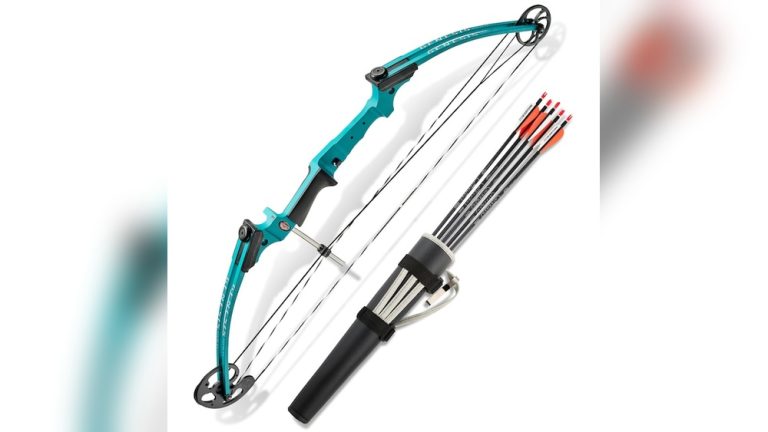
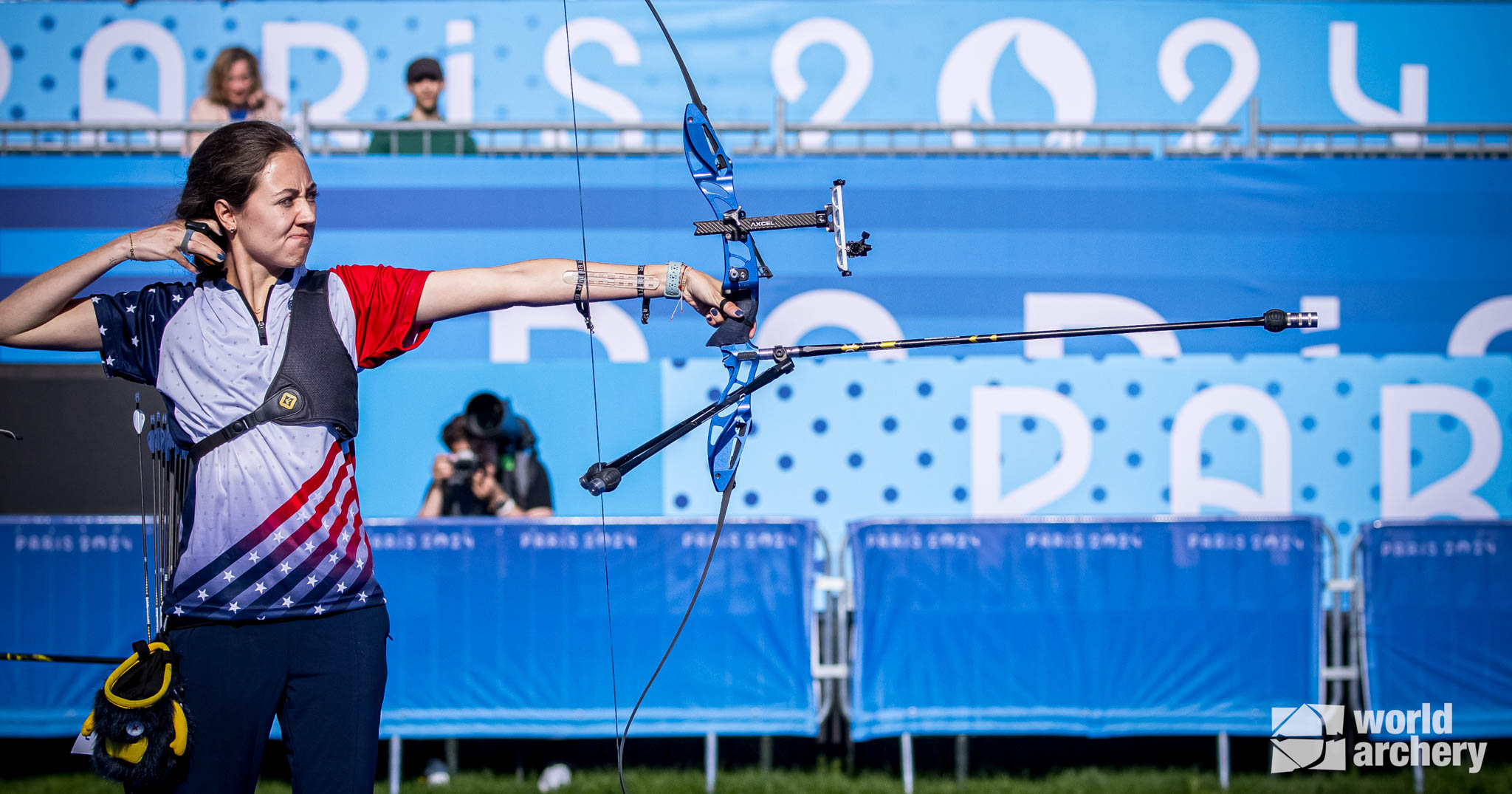
Olympic archers use only recurve bows. Compound bows, crossbows, and traditional longbows are not allowed. The recurve bow is easy to recognize by its curved tips at each end. Each archer must follow strict rules about equipment size and type, including arrow length and bow weight.
The main event is the individual competition. Archers shoot at a target 70 meters away. The target has ten rings, with scores from 1 to 10. The closer to the center, the higher the score.
Each archer shoots 72 arrows in the ranking round. The top 64 archers move to head-to-head elimination matches. In these matches, archers shoot sets of three arrows. The winner is the first to reach six set points.
There are also team events (three archers per team) and, since the Tokyo 2020 Games, a mixed team event (one male, one female). Team competitions use a similar set system, which makes matches fast and dramatic.
Event Structure
Here is a simple breakdown of Olympic archery events:
| Event | Participants | Format |
|---|---|---|
| Men’s Individual | 64 archers | Ranking, elimination |
| Women’s Individual | 64 archers | Ranking, elimination |
| Men’s Team | 3 per team | Elimination rounds |
| Women’s Team | 3 per team | Elimination rounds |
| Mixed Team | 1 man, 1 woman | Elimination rounds |
Archers must show both technical skill and mental control. Even a small mistake can mean the difference between winning and losing.

Credit: www.nbcnews.com
Why Archery Matters In The Olympics
Some sports fans wonder why archery remains part of the Olympic program when new sports often compete for a place. The answer lies in its unique qualities and its global reach.
First, archery is a universal sport. People can practice it in almost any country, regardless of climate or wealth. Unlike some sports that need expensive facilities, a simple bow and arrows are enough to get started. This makes the sport accessible and inclusive.
Second, archery is a test of precision and focus. It is not about speed or strength alone but about steady nerves and perfect technique. Olympic archery is as much a mental game as a physical one. Many top archers use meditation or breathing exercises to keep calm under pressure.
Third, archery’s presence in the Olympics supports gender equality. Men and women compete in similar events, and the mixed team event highlights cooperation between genders.
Finally, archery has strong traditions in many cultures. From the Mongol Empire to Native American history, archery is part of the human story. Its place in the Olympics celebrates both heritage and modern competition.
The Most Successful Nations In Olympic Archery
Since 1972, some countries have become famous for their archery programs. South Korea, in particular, has dominated the sport, but other nations have also produced champions.
Let’s look at the top nations by total Olympic medals:
| Nation | Gold | Silver | Bronze | Total |
|---|---|---|---|---|
| South Korea | 27 | 9 | 7 | 43 |
| United States | 14 | 10 | 8 | 32 |
| China | 4 | 7 | 6 | 17 |
| Italy | 3 | 4 | 2 | 9 |
| France | 2 | 3 | 6 | 11 |
South Korea has won more than half the gold medals since 1984. Their training system is intense, starting with children as young as 10. In my experience visiting archery clubs, Korean coaches focus heavily on mental preparation, which gives their athletes an edge under Olympic pressure.
The United States has a long tradition, especially in the early years. China and Italy have also produced top-level archers in recent decades.
Pro Tip: If you want to understand why some countries win more, look at how they develop young athletes. Regular practice, good coaching, and mental training make a big difference.
Credit: www.usarchery.org
How Athletes Qualify For Olympic Archery
Getting to the Olympics in archery is not easy. Each country has a limited number of spots, and athletes must qualify through international tournaments.
The Qualification Process
The main steps for Olympic qualification are:
- World Championships: The highest-placed archers and teams earn quota spots for their countries.
- Continental Qualifiers: Each continent holds tournaments where more places are awarded.
- Final Qualification Tournaments: Last chance for countries that did not qualify earlier.
- Host Country Place: The host nation always gets a minimum number of entries.
Each country can send a maximum of three men and three women for individual events, plus teams if they qualify. The selection of which athletes go is often decided by national trials.
Common mistake: Some people think any top archer can enter the Olympics. In reality, most countries have more talented archers than spots available, so even national champions sometimes miss out.
Changes And Innovations In Olympic Archery
Olympic archery has not stood still. Over the years, the rules, events, and technology have changed.
Recent Changes
- Mixed Team Event: Added at the Tokyo 2020 Games, this format puts one man and one woman together. It adds excitement and highlights gender balance.
- Set System: Introduced in 2012, matches are now decided by sets, not total points. This makes matches less predictable and more dramatic. An archer can lose a set but still win the match by taking more sets overall.
- Broadcast Technology: High-speed cameras and slow-motion replays help viewers see the skill involved. This has made archery more popular with TV audiences.
Equipment Advances
Modern bows use advanced materials like carbon fiber and aluminum. Arrows are lighter and faster, with precise engineering for consistency. However, strict rules keep the sport fair, every archer uses the same basic recurve bow design.
Example: At the 2016 Rio Games, the winning arrows traveled over 200 kilometers per hour, but each archer had to manage tiny details like wind and humidity.

Credit: www.nytimes.com
Archery’s Role In The Olympic Movement
Some sports are dropped from the Olympics if they lose popularity or don’t fit the Olympic spirit. Archery’s survival shows it brings something special.
Global Participation
Over 140 countries have national archery federations. At the Tokyo 2020 Games, 51 nations sent archers. This wide participation helps keep the sport in the program.
Gender Equality
Archery was one of the first Olympic sports to offer equal medals for men and women. The mixed team event is now a model for other sports.
Youth Appeal
Archery attracts young people through school programs and online content. Social media has made stars out of top archers. This helps the Olympics stay relevant for new generations.
Common Misunderstandings About Olympic Archery
Many people think Olympic archery is just about hitting the bullseye. In reality, there are deeper challenges and strategies.
- Wind and Weather: Outdoor archery means archers must adjust for wind, light, and even temperature. A small breeze can change the arrow’s path.
- Mental Pressure: Olympic matches can last hours, with millions watching. Staying calm is as important as physical skill.
- No Second Chances: In elimination rounds, one bad arrow can mean going home. There are no “do-overs” in the Olympics.
Pro Tip: If you want to improve in archery, practice under different conditions. Don’t just shoot in perfect weather, learn to manage distractions and nerves.
Future Of Archery In The Olympics
With new sports being added, some people worry that older sports like archery might be dropped. However, there are strong reasons to believe archery will stay.
The International Olympic Committee (IOC) looks at factors like global participation, TV ratings, and gender balance. Archery scores well in all these areas. The sport’s ability to adapt, adding new events and using modern technology, also helps.
One area to watch is the rise of compound archery. While not yet part of the Olympics, compound events are popular in the World Games and other tournaments. The World Archery Federation is working to include them, but so far, the Olympics remains focused on recurve bows.
For those who want to see official updates, visit the World Archery Federation website.
Frequently Asked Questions
What Is The Difference Between Recurve And Compound Archery?
Recurve bows are the only type allowed in the Olympics. They have simple curved limbs and require the archer to draw and hold the full weight. Compound bows use pulleys and cables, making it easier to hold at full draw.
Compound archery is popular in world competitions but not yet in the Olympics.
Has Any Archer Won Multiple Olympic Gold Medals?
Yes, several archers have won more than one gold. For example, South Korea’s Kim Soo-Nyung won four golds across multiple Games. Achieving this requires years of dedication and the ability to perform under pressure in different Olympic cycles.
How Do Weather Conditions Affect Olympic Archery?
Weather has a big impact. Wind can push arrows off course, and rain can change the feel of the bowstring. Olympic archers train in all conditions to prepare for anything. Sometimes, unexpected weather has changed the outcome of a match.
Are There Age Restrictions For Olympic Archers?
There is no official minimum or maximum age for Olympic archery. The youngest Olympic archer was just 14, while some competitors have been over 40. Skill and mental strength matter more than age in this sport.
Can Spectators Try Olympic-style Archery?
Many local clubs offer lessons in the same style as Olympic competition. You don’t need expensive gear to start. Look for clubs with certified coaches who can teach safety and technique. Trying the sport gives you a new appreciation for the skill of Olympic athletes.
Archery remains an Olympic sport because it combines history, skill, and modern excitement. Whether you are a fan, a beginner, or just curious, there is always more to discover about this timeless competition.