Is Archery in the Olympics? History and How It Works
The Olympic Games are a stage for the world’s best athletes, but not every sport is guaranteed a place. Many people wonder, was archery included in the 2016 Olympics? The answer is yes, and archery brought excitement, skill, and drama to the Rio de Janeiro Games. For both newcomers and experienced fans, archery’s presence at the Olympics carries a long history and a unique style. This article explains archery’s role in Rio 2016, details about the competition, key athletes, surprising facts, and answers common questions. Whether you’re curious about Olympic sports or want to understand archery’s global impact, you’ll find clear, useful information below.
Archery’s Olympic History
Archery is one of the oldest sports in the world, but its journey in the Olympics has been complicated. The sport first appeared in the 1900 Paris Games, but after 1920, it was removed from the program for over 50 years.
The main reason was lack of standard rules. Archery returned in 1972 with clear regulations and has stayed ever since.
The Olympic version uses recurve bows only, which are traditional and simple compared to compound bows. This rule keeps the competition fair and focuses on skill rather than technology. Over time, the format and rules have evolved, but the core principle remains: archery tests precision, focus, and consistency under pressure.
Archery At The 2016 Rio Olympics
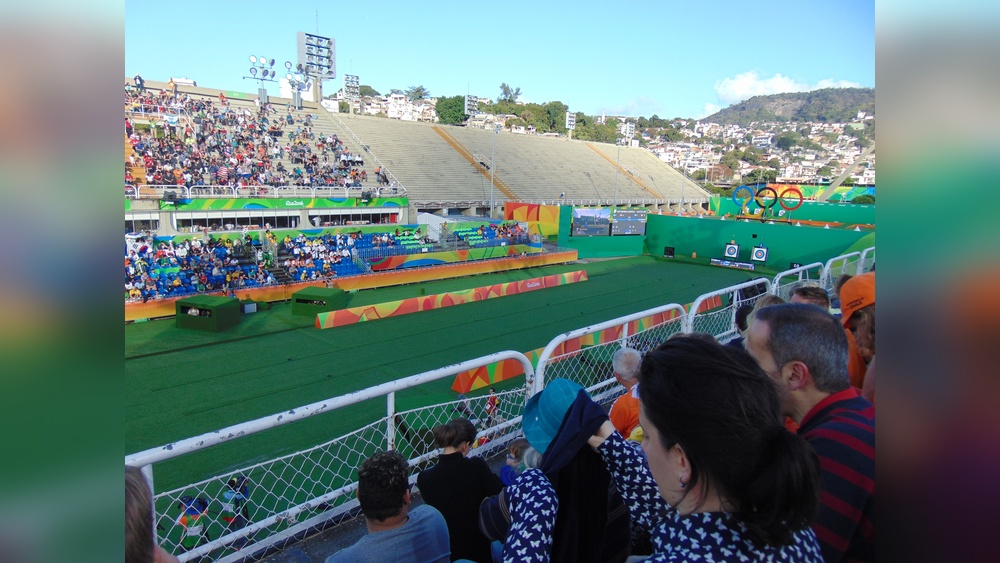
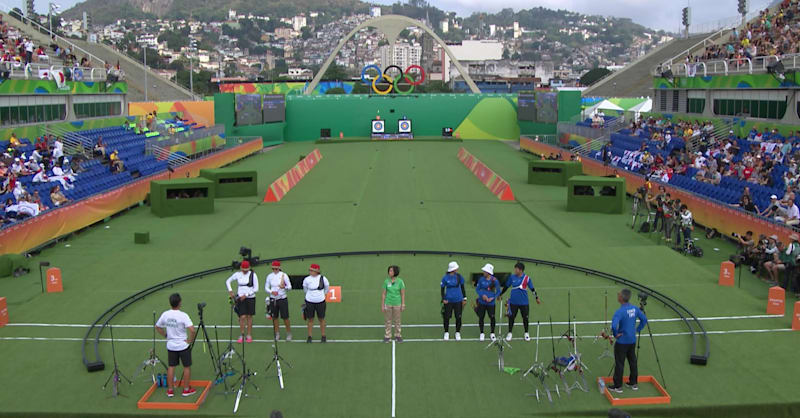
The Rio Games welcomed archery as one of 28 sports. The competition took place at the Sambódromo, a famous venue in Rio used for carnival parades. The event ran from August 5 to August 12, 2016.
Events And Categories
There were four main events:
- Men’s Individual
- Women’s Individual
- Men’s Team
- Women’s Team
All participants used recurve bows. Each team had three archers, and countries could send one team per gender. The individual events featured 64 men and 64 women, each battling for gold.
Schedule And Format
Archery started with a ranking round, where every archer shot 72 arrows. The scores ranked athletes for the elimination rounds. After ranking, archers faced each other in head-to-head matches. In the team events, the three members’ scores combined.
The elimination matches used a set system. Each match had up to five sets, each with three arrows per archer. The winner of a set earned two points, a tie gave one point to each, and the first to six points won the match.
Venue And Atmosphere
The Sambódromo offered a unique atmosphere. Unlike traditional quiet archery venues, the Rio setting was lively, with crowds cheering and music playing. This made the competition more intense for athletes, testing their ability to focus amid distractions.
Top Athletes And Key Performances
The 2016 Olympics featured some of the best archers in history. South Korea dominated, as they often do, but there were also surprises from other nations.
South Korea: The Archery Powerhouse
South Korea has a reputation for excellence in Olympic archery. In Rio, they won all four gold medals:
- Men’s Individual: Ku Bon-chan
- Women’s Individual: Chang Hye-jin
- Men’s Team: Ku Bon-chan, Lee Seung-yun, Kim Woo-jin
- Women’s Team: Chang Hye-jin, Choi Mi-sun, Ki Bo-bae
This clean sweep was historic. South Korea’s training programs use advanced technology and strict discipline. They focus on mental strength as much as physical skill.
Notable Performances From Other Countries
While South Korea led, other archers also made headlines:
- Jean-Charles Valladont (France) won silver in men’s individual, showing strong consistency.
- Lisa Unruh (Germany) took silver in women’s individual, surprising many experts.
- USA Men’s Team: Brady Ellison, Jake Kaminski, and Zach Garrett earned silver, proving America’s growing strength in archery.
Example: Team Usa’s Journey
The US men’s team trained for months with both physical and mental exercises. They adapted to the noisy Rio venue by practicing with distractions, such as loud music and crowds. In my experience watching their matches, their focus was impressive, especially under pressure.
How Olympic Archery Differs From Other Tournaments
Many people think archery is always the same, but the Olympics have unique rules and traditions.
Equipment Restrictions
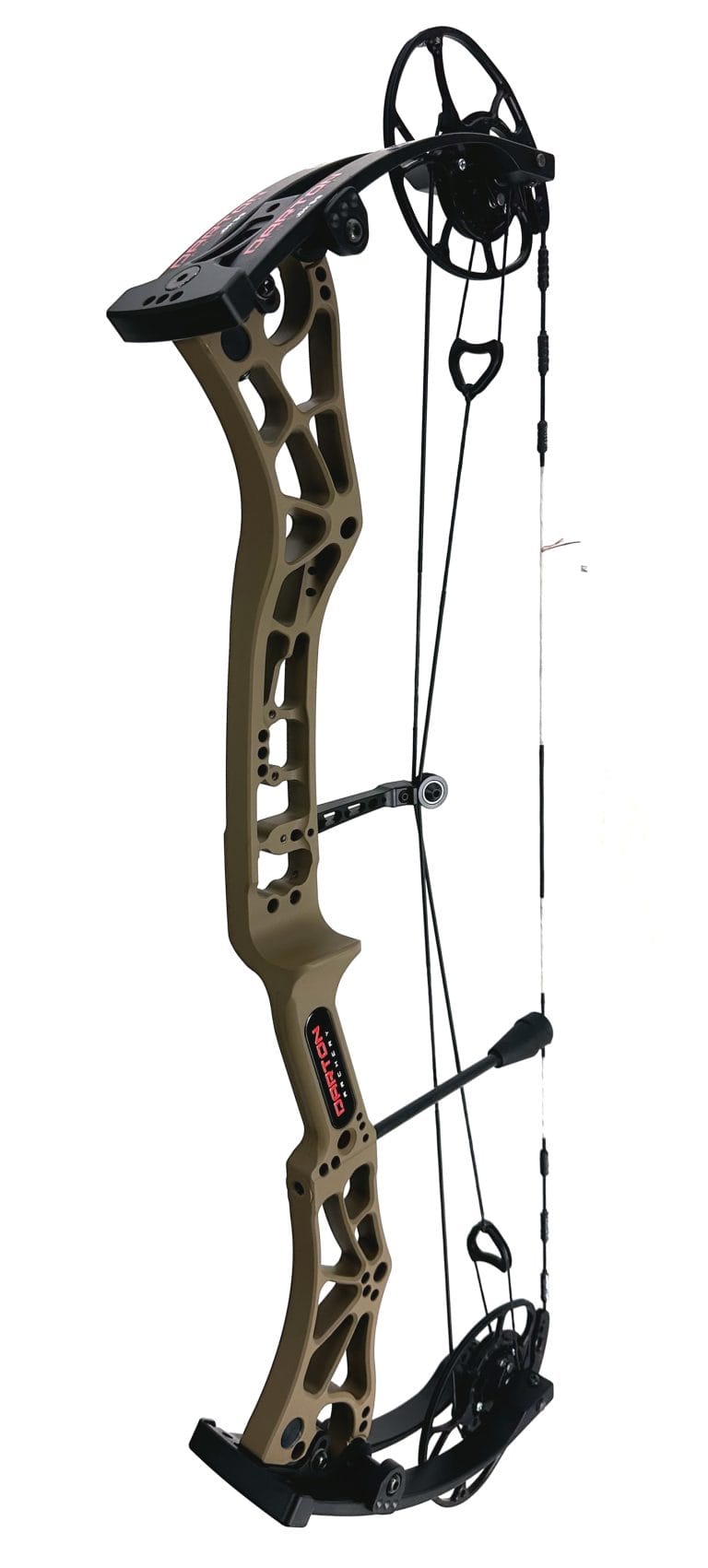
Only recurve bows are allowed. Compound bows, which are common in world championships, are banned. This keeps the playing field level and emphasizes traditional archery skills.
Scoring And Pressure
The set system makes Olympic archery unpredictable. Unlike cumulative scoring, the set system allows archers to recover from mistakes. This creates dramatic comebacks and intense matches.
Team Vs. Individual Play
Olympic archery is one of the few sports where both team and individual events use similar formats. The team event adds extra pressure, as one weak performance can affect the whole group.

Credit: www.youtube.com
Data: Archery Results At Rio 2016
To help visualize the results, here’s a summary of the archery medalists:
| Event | Gold | Silver | Bronze |
|---|---|---|---|
| Men’s Individual | Ku Bon-chan (South Korea) | Jean-Charles Valladont (France) | Brady Ellison (USA) |
| Women’s Individual | Chang Hye-jin (South Korea) | Lisa Unruh (Germany) | Ki Bo-bae (South Korea) |
| Men’s Team | South Korea | USA | China |
| Women’s Team | South Korea | Russia | Chinese Taipei |
Countries And Athletes: Who Competed?
Olympic archery attracts countries from all continents. In Rio 2016, 42 nations sent archers. Some were regulars, while others were new to the sport.
Most Successful Nations
South Korea remains the most successful country in Olympic archery history. Other strong nations include USA, China, Italy, and France.
Number Of Competitors
Each event had 64 athletes, making a total of 128 individual competitors. With team events, the total number of archers was about 137, according to the official Olympic report.
Example: First-time Participants
Bangladesh sent its first archery team to the Olympics in 2016. Although they did not win medals, their presence inspired young athletes back home.
Olympic Archery Rules: Key Details
Understanding the rules helps you appreciate the skill and strategy in Olympic archery.
Equipment Specifications
- Recurve bow only
- Maximum draw weight: About 50 pounds
- Arrows: Aluminum or carbon, typically 6mm diameter
- Sight, stabilizers, and finger tabs allowed
Shooting Distance
All events use a 70-meter distance. The target is 122 cm in diameter, with the gold ring only 12.2 cm wide. Hitting the center from this range requires extreme skill.
Scoring System
The target has 10 rings. The inner gold ring scores 10, next is 9, and so on down to 1. A miss scores zero.
Set Play
Matches are divided into sets. Winning a set earns two points. First to six points wins the match. This system rewards consistency and mental toughness.
Training And Preparation For Olympic Archery
Elite archers prepare for years before the Olympics. Training involves physical, technical, and mental elements.
Physical Training
Archers build strength in the back, shoulders, and arms. Most do daily stretching and weight exercises. Flexibility is important for stable shooting.
Technical Training
Archers spend hours practicing their form. They record their shots, review videos, and work with coaches to fix mistakes. Even small changes in grip or posture can affect accuracy.
Mental Preparation
Mental focus is as important as physical skill. Archers use meditation, visualization, and breathing exercises. Handling stress is key because Olympic archery is high-pressure.
Pro Tip
Many beginners forget to train their mind. Practicing under pressure, such as with crowds or noise, helps prepare for the Olympic stage.
Olympic Archery Compared To World Championships
Archery is part of the World Archery Federation’s annual championships, but the Olympics are special. Here’s a comparison:
| Feature | Olympics | World Championships |
|---|---|---|
| Bow Type | Recurve Only | Recurve & Compound |
| Number of Events | 4 | Several |
| Qualification | Nation-based | Athlete-based |
| Prestige | Highest | High |
Challenges Archers Faced In Rio
Every Olympics has unique challenges. Rio 2016 was no exception.
Weather Conditions
The venue was open-air. Wind and rain changed conditions quickly. Many athletes struggled to adjust their shots.
Noisy Atmosphere
The lively crowds were unusual. Many archers found it hard to concentrate. South Korean archers trained with simulated noise to prepare.
Example: Adjusting For Wind
During one match, wind gusts shifted arrows off course. Archers had to estimate wind speed and direction before each shot. This skill isn’t often needed in indoor tournaments.
Credit: www.olympics.com
Non-obvious Insights: What Newcomers Often Miss
- Archery is not just physical: Many think it’s only about strength and aim, but mental focus is just as critical. Olympic archers often practice meditation and breathing to stay calm.
- Set system changes strategy: In Olympic archery, losing one set does not mean losing the match. Archers can recover and win later sets, making the sport more exciting and less predictable.
How To Watch And Understand Olympic Archery
If you want to enjoy archery as a spectator, understanding key points helps:
- Watch for consistency: Top archers shoot almost identical arrows each time.
- Notice mental reactions: Athletes often close their eyes or breathe deeply before shooting.
- Team events are more dynamic: Teams discuss strategy and encourage each other between sets.
Archery’s Popularity After Rio 2016
Olympic archery’s visibility increased after the Rio Games. According to the World Archery Federation, participation rose in several countries. In South Korea, archery clubs saw more young members join. In the US, local tournaments became more popular.
This growth is partly due to TV coverage and social media. People saw archery as a sport anyone can try, not just professionals.
Gender Balance In Olympic Archery
Archery is known for strong gender balance. Both men and women compete in the same formats, over the same distances, and with similar rules. The only difference is team composition and ranking.
Example: Women’s Achievements
Ki Bo-bae, South Korean Olympic champion, became a national hero after winning gold in London and bronze in Rio. Her story inspired many young girls to start archery.
Safety And Accessibility
Archery at the Olympics is safe, with strict rules for equipment and conduct. Athletes wear protective gear, and officials monitor every shot. Accessibility is improving, with some nations offering archery programs for people with disabilities.
Olympic Archery: Future Directions
Archery’s Olympic future looks stable. The sport is expected to stay in the program, with possible changes to event formats. The mixed team event, first introduced in 2020, may become more important. Technology is helping athletes train smarter, but traditional skills still matter most.

Credit: www.youtube.com
Data: Olympic Archery By The Numbers
Here’s a quick view of key numbers from Rio 2016:
| Statistic | Value |
|---|---|
| Number of countries | 42 |
| Total archers | 137 |
| Events | 4 |
| Gold medals won by South Korea | 4 |
| Distance to target | 70 meters |
| Diameter of gold ring | 12.2 cm |
Why Archery Matters In The Olympics
Archery is more than just a sport; it’s a test of patience, precision, and mental strength. The Olympic stage brings the world’s best together, showing what humans can achieve with practice and focus. For many countries, archery is a source of pride and inspiration.
Many beginners miss the mental side of archery. Watching Olympic archers, you see how calm and focused they are, even when the crowd is loud or the weather changes. This is what separates champions from amateurs.
Frequently Asked Questions
What Type Of Bow Is Used In Olympic Archery?
Olympic archers use only recurve bows. These bows have a simple design, with curved tips that store extra energy. Compound bows, which use pulleys and cables, are not allowed in the Olympics. The rule keeps the competition focused on skill and tradition.
How Do Archers Qualify For The Olympics?
Archers qualify through international tournaments organized by the World Archery Federation. Countries earn spots based on their athletes’ performances at world championships and continental qualifiers. Each nation can send a limited number of archers per event.
Is Archery Safe For Beginners?
Yes, archery is considered safe when practiced with proper equipment and supervision. Beginners should always train with a coach and follow strict safety rules. Most archery clubs offer starter classes and provide all necessary gear.
Are There Age Limits For Olympic Archery?
There is no strict age limit for Olympic archery. However, most competitors are between 18 and