Is Archery in Winter Or Summer Olympics? Find Out Now
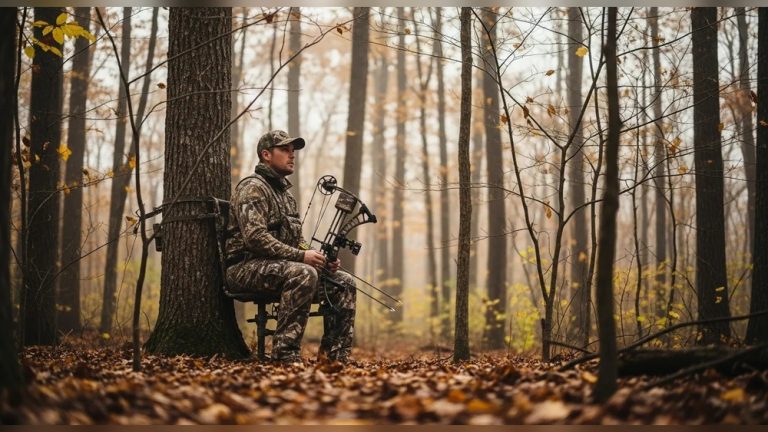
Archery is a sport that combines precision, strength, and focus. The bow and arrow have been part of human history for thousands of years, used for hunting, warfare, and competition. But when it comes to the Olympics, many people wonder: Is archery part of the Winter or Summer Games? If you’re curious about where archery fits in the Olympic world, you’re not alone. This question often comes up because archery can be practiced in many environments, including snowy forests and sunny fields.
In this article, you’ll find a full explanation of archery’s place in the Olympics, its history, how it’s organized, and why it’s not included in the Winter Games. We’ll also compare archery to other Olympic sports, look at how weather affects competitions, and explore related events.
Whether you’re a sports fan, an aspiring archer, or simply curious, you’ll get clear answers and surprising facts.
Archery’s Olympic Status: Summer Or Winter?
Archery is officially a Summer Olympic sport. It has never been part of the Winter Olympic Games. This fact surprises some people, especially since archery can take place outdoors in different weather conditions. The Summer Olympics include sports played on fields, courts, tracks, and pools, while the Winter Olympics focus on snow and ice.
The decision to place archery in the Summer Games is not only about tradition but also about practicality. Most Olympic archery events happen outdoors, where conditions are more predictable and safe for athletes and spectators. The Summer Olympics provide a suitable environment for archery, with warmer weather and less risk of harsh elements interfering with competition.
Why Archery Is Not In The Winter Olympics
The Winter Olympics feature sports that require snow or ice. Classic examples include skiing, ice skating, ice hockey, curling, and snowboarding. Archery does not need these elements. While archery can be practiced in winter, Olympic organizers focus on sports where snow or ice is central to the event.
There are several reasons archery has not been included in the Winter Games:
- Safety concerns: Cold weather and icy surfaces can make archery dangerous. Slippery conditions could lead to accidents.
- Equipment issues: Extreme cold affects bows and arrows, making them harder to handle and less accurate.
- Spectator comfort: Watching archery outdoors in winter is uncomfortable for both fans and athletes.
These points explain why archery remains a sport for the Summer Olympics.
History Of Archery In The Summer Olympics
Archery has a long and interesting history in the Summer Games. It first appeared in the Olympics in 1900 in Paris. However, it was not included every year. For several decades, archery was dropped and then brought back.
Timeline Of Archery In The Olympics
Here’s a summary of archery’s journey in the Olympic Games:
| Year | Host City | Archery Status |
|---|---|---|
| 1900 | Paris | Included |
| 1904 | St. Louis | Included |
| 1908 | London | Included |
| 1912, 1968 | Various | Not Included |
| 1972 | Munich | Reintroduced |
| 1972, Present | Various | Included Every Summer Olympics |
Archery returned to the Olympics in 1972 and has been included in every Summer Games since then. The International Olympic Committee (IOC) recognized the sport’s popularity and its ability to attract athletes from many countries.
Changes In Olympic Archery
When archery rejoined the Olympics in 1972, the competition format changed. Early Olympic archery had different rules, distances, and scoring systems. Today, the event uses a standardized format with set distances and targets. The World Archery Federation (WA), formerly known as FITA, governs the rules and ensures consistency across international competitions.
Olympic archery now features:
- Individual events for men and women
- Team events
- Mixed team events (introduced in Tokyo 2020)
- Standard distances (typically 70 meters for recurve events)
- Strict equipment guidelines
These updates make the sport more accessible and fair for all competitors.

Credit: www.milsport.one
How Olympic Archery Works
Olympic archery is structured to test skill, concentration, and endurance. The current format is designed for both excitement and fairness.
Event Types And Rules
The main Olympic archery events are:
- Individual competition: Archers shoot arrows at a target 70 meters away. Scores are based on accuracy.
- Team competition: Teams of three (men’s, women’s, or mixed) compete together, with combined scores.
- Mixed team competition: One man and one woman form a team.
Each event follows a knockout system. Athletes compete in rounds, with the highest scores advancing. The finals determine gold, silver, and bronze medals.
Equipment Used
Olympic archers use recurve bows. Compound bows and traditional longbows are not allowed in the Olympics. The recurve bow is known for its curved tips and is the only bow style permitted by the IOC.
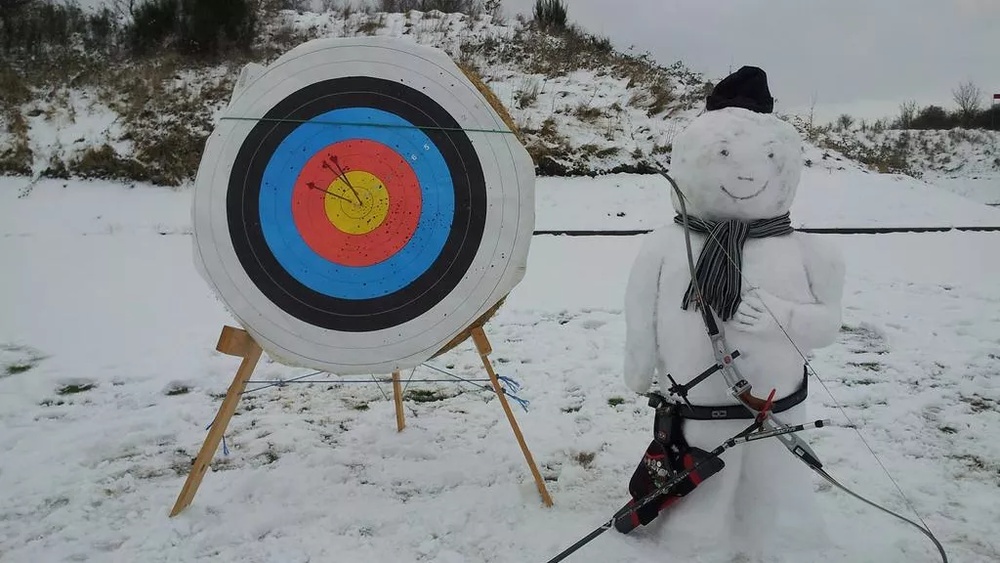
The arrows are made of carbon or aluminum for light weight and strength. The target face is 122 cm in diameter, with ten scoring rings. The center (gold) ring scores the highest.
Scoring System
Archers shoot a set number of arrows per round. The target is divided into rings, with scores ranging from 1 (outer ring) to 10 (center). The highest possible score per arrow is 10.
| Ring Color | Score |
|---|---|
| Gold | 9, 10 |
| Red | 7, 8 |
| Blue | 5, 6 |
| Black | 3, 4 |
| White | 1, 2 |
The scoring system rewards precision and consistency.
Comparison: Archery Vs. Winter Olympic Sports
Many people assume archery could fit into the Winter Games because it’s possible to shoot arrows in snowy environments. However, the nature of archery is very different from typical winter sports.
Key Differences
- Surface Requirements: Archery is played on grass or artificial turf, not ice or snow.
- Equipment: Winter sports need gear adapted for cold, like skis or skates. Archery equipment is built for mild conditions.
- Weather Influence: Cold weather affects archery performance. Wind, rain, and snow can change arrow flight and make aiming harder.
Winter Sports And Their Unique Features
The Winter Olympics focus on sports like:
- Skiing
- Snowboarding
- Ice skating
- Ice hockey
- Curling
- Biathlon (combines skiing and shooting)
These sports require snow or ice, which is not necessary for archery.
Biathlon Vs. Archery
Biathlon is sometimes confused with archery because it involves shooting. However, biathlon uses rifles, not bows. Athletes ski cross-country and stop to shoot at targets. The shooting element is about marksmanship, but the equipment and conditions are completely different.
Pro Tip: If you want a sport similar to archery in the Winter Olympics, biathlon is the closest, but it’s not archery.
Weather Impact On Archery Competitions
Weather plays a crucial role in archery, even in the Summer Olympics. Rain, wind, and temperature can affect both the equipment and the athlete.
Wind Challenges
Wind is the most difficult factor for archers. A strong wind can move the arrow off course, even if shot perfectly. Olympic venues are chosen for their shelter and predictability, but wind is always a concern.
Rain And Temperature
Rain makes the bowstring slippery and can affect arrow flight. Extreme heat causes fatigue and dehydration. Cold weather, though not common in Summer Olympics, can make fingers stiff and reduce accuracy.
When practicing archery in different weather, scores drop significantly in windy conditions. Even experienced archers struggle with unpredictable weather.
Indoor Archery
Some competitions take place indoors to avoid weather problems. However, the Olympics only use outdoor archery. Indoor archery is popular in World Archery events but not part of the Olympic schedule.
Archery In Other International Competitions
Archery is not limited to the Olympics. It is featured in other major sports events around the world.
Paralympics
Archery is also part of the Paralympic Games. Athletes with physical disabilities compete in archery, using specialized equipment if needed. The rules are similar, but there are categories based on the type of disability.
Asian Games And Commonwealth Games
Both the Asian Games and Commonwealth Games include archery. These events use similar rules to the Olympics. Archers from Asia, Africa, Europe, and Oceania compete for medals.
World Archery Championships
The World Archery Championships are organized by the World Archery Federation. These competitions use outdoor and indoor venues and include both recurve and compound bow events.
Local And National Competitions
Many countries have their own archery associations and tournaments. These range from casual events to national championships. Some events are held in winter, but they are not part of the Olympic program.

Credit: www.nationalgeographic.com
Olympic Archery Records And Notable Athletes
Over the years, many archers have made history at the Olympics. Their achievements inspire new generations.
Olympic Records
- The highest score in an Olympic archery round was achieved by Kim Woo-jin (Korea) in Rio 2016, with a perfect 700 in the qualification round.
- The fastest arrow speed in the Olympics is around 240 km/h (149 mph), depending on the archer and equipment.
Notable Olympic Archers
- Kim Soo-Nyung (Korea): Four Olympic gold medals, considered one of the greatest archers.
- Darrell Pace (USA): Two-time Olympic champion and known for setting world records.
- Deepika Kumari (India): Multiple-time Olympian and world number one, though she has not won an Olympic medal yet.
- Chang Hye-jin (Korea): Gold medals in Rio 2016, both team and individual events.
Korea is the dominant country in Olympic archery, winning most gold medals since 1984.
How Countries Qualify For Olympic Archery
Countries must qualify for Olympic archery through international tournaments. The process is competitive and strict.
Qualification Process
- World Archery Championships: Top finishers earn Olympic spots for their country.
- Continental Qualifiers: Each continent has tournaments for Olympic qualification.
- Individual Qualification: Athletes can earn spots through special tournaments if their country has not qualified.
Each country can send a limited number of archers (usually three men and three women). Qualification ensures only the best athletes compete.
Example Of Qualification
In the Tokyo 2020 Olympics, 128 archers competed: 64 men and 64 women. These spots were decided through world and continental events.
How Archery Is Presented At The Olympics
Olympic archery is designed to be viewer-friendly. The events are broadcast with commentary and graphics to help viewers understand the scoring.
Venue And Setup
Olympic archery fields are large, open spaces with clear lines for safety. Targets are placed at set distances, and scoring is visible for spectators.
Tv Coverage
Archery is shown live and with slow-motion replays. Commentators explain the rules and strategy. Graphics show scores, wind conditions, and athlete profiles.
Audience Engagement
Archery is popular with viewers because of its suspense. Each shot can change the outcome, and team events add excitement.
Comparison Table: Archery Vs. Other Olympic Sports
To help understand archery’s unique place in the Olympics, here’s a comparison with other sports.
| Sport | Olympic Season | Main Equipment | Weather Dependency | Surface |
|---|---|---|---|---|
| Archery | Summer | Recurve Bow, Arrows | Moderate | Grass/Turf |
| Skiing | Winter | Skis, Poles | High | Snow |
| Swimming | Summer | Swimsuit | Low | Pool |
| Ice Hockey | Winter | Sticks, Skates | High | Ice |
| Track & Field | Summer | Varied | Moderate | Track |
This table shows why archery belongs in the Summer Olympics and not the Winter Games.

Credit: alcalde.texasexes.org
Non-obvious Insights About Olympic Archery
Many beginners think archery is only about aiming and shooting. However, Olympic archery requires much more.
- Mental Focus: Archers spend hours training their minds. Concentration is as important as physical skill.
- Physical Endurance: Shooting many arrows over hours is tiring. Olympic archers train their muscles to stay strong and steady.
- Adaptation: Olympic archers must adjust quickly to changing weather and wind. This skill often separates winners from others.
Another insight is that Olympic archers use technology to analyze their performance. High-speed cameras and data analysis help improve accuracy.