How To Be In The Olympics For Archery
Every four years, the Olympic Games ignite a global passion for sport, and few disciplines combine precision, composure, and tradition quite like archery. The sight of athletes calmly drawing their bows in front of millions, then loosing arrows with remarkable accuracy, captures the imagination of fans worldwide. For many, the dream of walking onto the Olympic archery field is as powerful as the tension in a drawn bowstring.
But how does a person transform that dream into reality? Competing in the Olympics for archery is a journey that demands years of dedication, strategic planning, and an unwavering commitment to excellence. This article demystifies the path, breaking down every essential step, from picking up your first bow to navigating the challenging world of international qualification.
Whether you’re a young athlete, a dedicated coach, or a parent supporting a rising star, this comprehensive guide delivers actionable insights, data-driven advice, and real-world examples to help you aim for Olympic greatness.
Key Takeaways
- Olympic archery requires years of technical skill development, mental strength, and strategic competition planning.
- The official Olympic discipline is recurve archery, not compound or traditional styles.
- Athletes must qualify both their country and themselves through a rigorous process managed by World Archery and national federations.
- Consistent performance at international events and national championships is critical for selection.
- Physical training, mental conditioning, and expert coaching are as vital as shooting skill.
- Understanding the specific Olympic format and rules is essential for targeted preparation.
Credit: archerygb.org
Understanding Olympic Archery: The Essentials
What Is Olympic Archery?
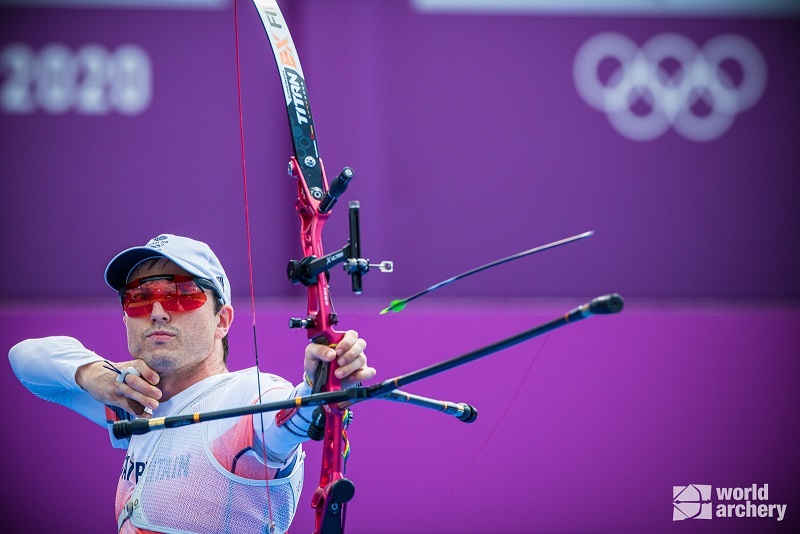
Olympic archery exclusively features the recurve bow, a specific type of bow standardized for all competitors. While compound and traditional archery are popular worldwide, only recurve is permitted in the Summer Games. The competition consists of both individual and team events, with men and women competing separately and in mixed teams.
The Olympic Archery Format
Athletes shoot at a 122 cm target from a distance of 70 meters, with each arrow scoring up to 10 points. The event begins with a ranking round (72 arrows per archer) to seed competitors, followed by head-to-head elimination matches.
Olympic Governing Bodies
- World Archery Federation (WA): Sets global rules, organizes qualifiers, and maintains athlete rankings.
- National Olympic Committees (NOCs): Oversee athlete selection within each country.
- National Archery Federations: Run domestic competitions and national teams.
Key Differences: Recurve Vs. Compound Archery
| Feature | Recurve (Olympic) | Compound (Non-Olympic) |
|---|---|---|
| Bows Used | Recurve only | Compound only |
| Distance | 70 meters | 50 meters (typical) |
| Competition Format | Matchplay, 72-arrow ranking round | Varies, not in Olympics |
| Target Face | 122 cm | 80 cm (typical) |
Example: Olympic Archery In Action
At the Tokyo 2020 Olympics, Korea dominated the recurve events, showcasing technical prowess and mental resilience. Their athletes, who often begin training as children, exemplify the dedication required to reach this elite level.
Building Foundational Skills And Experience
Starting Young, But Not Too Late
While many Olympians start archery by age 10, successful athletes have begun as late as their teens. Key is sustained, structured training and a willingness to learn technical fundamentals from qualified coaches.
Essential Technical Skills
- Stance and posture: Consistent body alignment is the foundation of accurate shooting.
- Draw and anchor: Mastering the draw length and anchor point ensures repeatable form.
- Release and follow-through: A clean release, followed by steady form, minimizes arrow deviation.
Physical Conditioning
Olympic archers maintain high levels of core strength, shoulder stability, and cardiovascular fitness. Training regimens typically include:
- Strength training (3, 4 times/week)
- Flexibility routines (daily)
- Cardiovascular exercise (2, 3 times/week)
Mental Preparation
Elite archery is as much a mental game as a physical one. Top performers use:
- Visualization techniques: Imagining successful shots.
- Breathing exercises: Reducing performance anxiety.
- Goal setting: Tracking progress toward incremental milestones.
Example: Building A Champion
Mete Gazoz, Turkey’s 2020 Olympic gold medalist, began archery at age nine. His journey included years of local competitions, specialized coaching, and rigorous international exposure, highlighting the importance of an early, structured start.
Credit: www.usarchery.org
Training And Coaching For Olympic Success
Finding The Right Club And Coach
The journey to the Olympics starts with joining a reputable archery club. Look for clubs affiliated with your national federation and with coaches certified by World Archery or equivalent bodies.
Structured Training Plans
Top-tier archers follow periodized training cycles, including:
- Technical blocks: Focused on refining form.
- Physical blocks: Strength and conditioning.
- Competition blocks: Mimicking tournament conditions.
Leveraging Technology
Modern archery training uses:
- Video analysis: Slow-motion breakdowns to correct form.
- Electronic scoring apps: Tracking shot groups and progress.
- Biomechanical sensors: Monitoring draw and release mechanics.
International Training Camps
Attending camps, often run by national federations or World Archery, provides exposure to elite coaching and international competitors. These camps simulate high-pressure environments, a critical component for Olympic preparation.
Example: National Training Centers
The Korean Archery Association operates centralized training centers where national team members live and train year-round, contributing to their remarkable Olympic success.

Credit: en.wikipedia.org
Competing And Gaining Experience
Progressing Through Competition Levels
The path to Olympic qualification is built on a ladder of increasingly challenging competitions:
- Local and regional tournaments
- National championships
- International youth events (e.g., World Archery Youth Championships)
- Senior World Cups and World Championships
Ranking And Performance Metrics
Selection committees look for consistent results, not just isolated wins. Key performance metrics include:
- Average arrow scores under pressure
- Podium finishes at major events
- Head-to-head win percentages
The Importance Of National Championships
Winning or ranking highly at your national championship is almost always a prerequisite for Olympic selection, as federations use these events to evaluate and select their teams.
Example: U.s. Olympic Archery Trials
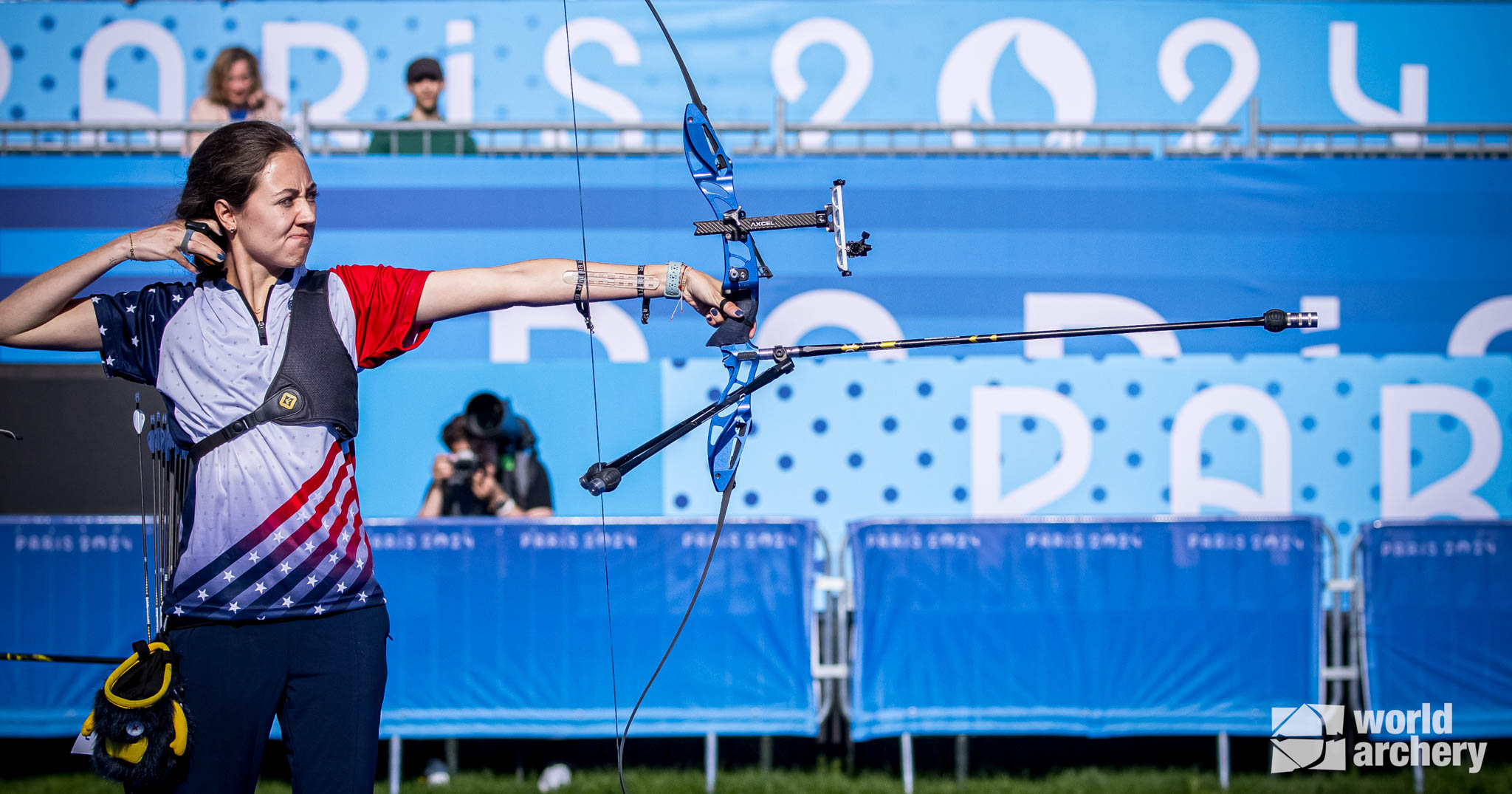
The USA Archery Trials are a multi-stage process, including several tournaments, ranking rounds, and matchplay events. Only the highest cumulative scorers are selected to represent Team USA at the Olympics.
Pro Tip
Record every competition, successes and failures. Analyzing your own performance data is invaluable for identifying weaknesses and planning future training.
Navigating The Olympic Qualification Process
Country Vs. Individual Quotas
Olympic archery quotas are awarded to countries, not individuals. First, a nation must secure a spot via:
- World Archery Championships
- Continental qualification tournaments
- Final qualifying events
Once a country has a quota, the national federation selects the athletes (usually based on trials and championship results).
Key Olympic Qualification Tournaments
| Qualification Event | Quotas Available | Frequency |
|---|---|---|
| World Archery Championships | Majority of quotas | Every 2 years |
| Continental Qualifiers (e.g., Pan American, European) | Several per continent | Pre-Olympic year |
| Final Qualification Tournament | Last few spots | Pre-Olympic year |
National Team Selection
After earning quotas, federations select athletes through:
- Olympic trials (multi-stage, high-pressure competitions)
- Performance at designated ranking events
- Coach recommendations (occasionally)
Eligibility Requirements
- Minimum age: 16 (by December 31 of Olympic year)
- World Archery membership
- Adherence to anti-doping regulations
- Citizenship and passport requirements
Example: Olympic Qualification Timeline
For Paris 2026, most quotas were determined between 2026 and early 2026, with final national selections occurring in spring/summer 2026. Athletes and federations must plan years in advance to align peak performance with this cycle.
Mastering The Olympic Format And Competition Environment
Understanding The Matchplay System
Olympic archery uses a set system for individual matches:
- Each set: 3 arrows per archer
- Win a set: 2 points; tie: 1 point each
- First to 6 set points wins
This format rewards consistency and the ability to recover quickly from mistakes.
Environmental Challenges
The Olympic field can be intimidating, with:
- Large crowds and cameras
- Variable wind and weather conditions
- Strict time limits (20 seconds per arrow)
Elite preparation includes simulated pressure scenarios and shooting in diverse weather to build adaptability.
Equipment Standards And Regulations
All equipment must conform to World Archery rules:
- Maximum draw weight: 60 lbs (rarely used at Olympic level)
- No mechanical release aids (fingers only)
- Only recurve bows permitted
The Role Of Team Events
Competing in team events (3 archers per gender, plus mixed teams) requires precise coordination. Teams practice synchronized shooting and develop strategies for time management and shot order.
Example: Handling Olympic Pressure
At the 2016 Rio Olympics, Brady Ellison, one of Team USA’s most decorated archers, credited his success to years of practicing under intense simulated pressure, including crowd noise played during training sessions.
Physical And Mental Preparation For Elite Archers
Advanced Physical Conditioning
Olympic hopefuls often work with strength and conditioning coaches to build:
- Shoulder endurance
- Core stability
- Injury prevention (rotator cuff, lower back)
- Explosive power for consistent shot execution
A typical training week includes:
| Day | Morning | Afternoon |
|---|---|---|
| Monday | Strength training | Archery practice |
| Tuesday | Cardio/Recovery | Archery practice |
| Wednesday | Strength training | Technique drills |
| Thursday | Cardio/Recovery | Archery practice |
| Friday | Strength training | Match simulation |
| Saturday | Long practice session | Rest/Review |
| Sunday | Rest/Active recovery | |
Mental Skills For The Olympic Stage
High-level archers work with sports psychologists to develop:
- Focus routines before each shot
- Resilience in the face of setbacks
- Stress management for high-stakes matches
Mental toughness is often cited as the difference-maker at the Olympic level.
Nutrition And Recovery
Diet and sleep are vital:
- High-protein, balanced meals
- Hydration strategies
- Regular sleep schedule (8, 9 hours/night)
- Recovery protocols (stretching, massage, physiotherapy)
Example: Mental Preparation In Practice
Ki Bo Bae, 2012 Olympic gold medalist, credits her meditation and mindfulness training for the ability to block out distractions and perform under immense pressure.
Real-world Examples And Case Studies
Case Study 1: Korea’s Systematic Approach
South Korea’s dominance is rooted in a national talent identification system. Promising archers are scouted in school, provided with elite coaching, and supported through a pipeline to the national team. Intensive training camps, sports science, and psychological support are standard.
Case Study 2: Usa’s Grassroots To Elite Pathway
In the United States, archers often progress from local JOAD (Junior Olympic Archery Development) clubs to national events and international competitions. Emphasis is on self-driven improvement, with resources available for those who advance through trials and national championships.
Case Study 3: Individual Perseverance
Deepika Kumari of India, who rose from modest beginnings, demonstrates that world-class talent can emerge from outside established systems. Her journey involved overcoming limited resources, accessing coaching abroad, and relentless self-motivation.
Example: Structured Feedback at Training Camps
At national archery training camps, the most significant growth often comes not from shooting thousands of arrows, but from structured feedback sessions and simulating match conditions with real-time scoring. This highlighted the necessity of both technical skill and psychological readiness for Olympic-level performance.
Frequently Asked Questions
What Age Do Most Olympic Archers Start Training?
Most Olympic archers begin training between ages 8 and 12, though some start later and still reach elite levels. Early exposure helps develop the technical foundation and muscle memory necessary for consistent performance. However, late starters can succeed with intensive, focused training and access to experienced coaching.
Can You Compete In The Olympics With A Compound Bow?
No, only recurve bows are allowed in Olympic archery. While compound archery is popular in events like the World Archery Championships and the World Games, the Olympics exclusively feature recurve events. If you currently shoot compound, you would need to switch and specialize in recurve to pursue Olympic qualification.
How Are Olympic Archers Selected Within Each Country?
Countries use a combination of national championships, ranking events, and multi-stage Olympic trials to select their teams. The specific process varies, but typically, athletes must perform consistently at top national events and may undergo additional matchplay trials. The final selection is made by the national federation in accordance with both performance data and eligibility rules.
What Are The Main Barriers To Reaching The Olympic Level In Archery?
Common barriers include access to quality coaching, financial resources for equipment and travel, and the intense time commitment required for elite training. Some countries provide more support through federations or government funding, while others require athletes to self-fund much of their journey. Overcoming these obstacles often involves seeking sponsorship, scholarships, or training grants.
Where Can I Find Official Information On Olympic Archery Qualification?
The most authoritative sources are the World Archery Federation and your national federation. For detailed qualification systems, event calendars, and rules, visit the official World Archery website: World Archery. National Olympic Committee sites also provide country-specific selection criteria.
Resources And Next Steps
- Visit local clubs affiliated with your national federation to start your journey.
- Study official rules and qualification systems on the World Archery and Olympic websites.
- Seek out experienced coaches and participate in structured training programs.
- Track your progress and set realistic, incremental goals on the road to Olympic qualification.
- For inspiration, explore stories of Olympic archers from around the world on platforms like Wikipedia.
Pursuing a spot at the Olympics in archery is a formidable challenge, requiring unwavering commitment, strategic planning, and world-class skill. By understanding the process, seeking expert guidance, and investing in both technical and mental preparation, you can give yourself the best possible chance of stepping onto the Olympic field, bow in hand, dreams in sight, and history waiting to be made.