How To Bow Fish In Michigan
Michigan, with its thousands of lakes, winding rivers, and sprawling Great Lakes coastline, stands as one of the prime destinations in the United States for the fast-growing sport of bowfishing. The combination of crystal-clear waters, abundant rough fish species, and a strong outdoor culture makes bowfishing not just a pastime, but a way of life for many Michigan anglers. Whether you’re a seasoned bowhunter looking for a new challenge during the fishing off-season or a passionate angler seeking a fresh adventure, Michigan’s waters offer an unmatched platform to test your skills and harvest invasive or nuisance species.
Yet, bowfishing in Michigan is more than just picking up a bow and arrow and heading to the nearest lake. It involves understanding state regulations, choosing the right equipment, identifying target species, and practicing responsible harvesting. This comprehensive guide distills everything you need to know, blending expertise, local tips, real-world examples, and up-to-date legal guidelines, so you can start bowfishing in Michigan with confidence, safety, and respect for the waters.
Key Takeaways
- Bowfishing in Michigan is legal for select rough fish species and offers a unique blend of archery and fishing skills.
- State regulations, including season dates and equipment restrictions, are strictly enforced, always consult the Michigan DNR.
- The best locations include Lake St. Clair, Saginaw Bay, and numerous inland lakes and rivers.
- Specialized gear, such as a bowfishing bow, arrows with barbed tips, and polarized sunglasses, is essential.
- Conservation and ethical practices are critical for maintaining Michigan’s aquatic ecosystems.
- Beginners can benefit from guided trips, local clubs, and practicing shooting in various water conditions.
Credit: www.themeateater.com
Understanding Bowfishing In Michigan
Bowfishing combines the precision of archery with the thrill of fishing, targeting primarily rough fish species. In Michigan, the sport has gained popularity due to its effectiveness in controlling invasive species and providing a challenging, engaging outdoor experience.
What Is Bowfishing?
Bowfishing involves using a specially adapted bow to shoot arrows equipped with barbed tips attached to a line. Once a fish is struck, the line allows the angler to retrieve both the arrow and the fish. Unlike traditional fishing, bowfishing requires quick reflexes, keen eyesight, and a steady hand, making it an active and immersive pursuit.
Legal Fish Species
The Michigan Department of Natural Resources (DNR) restricts bowfishing to specific species, typically those considered invasive or detrimental to native ecosystems. Common legal species include:
- Common carp
- Longnose gar
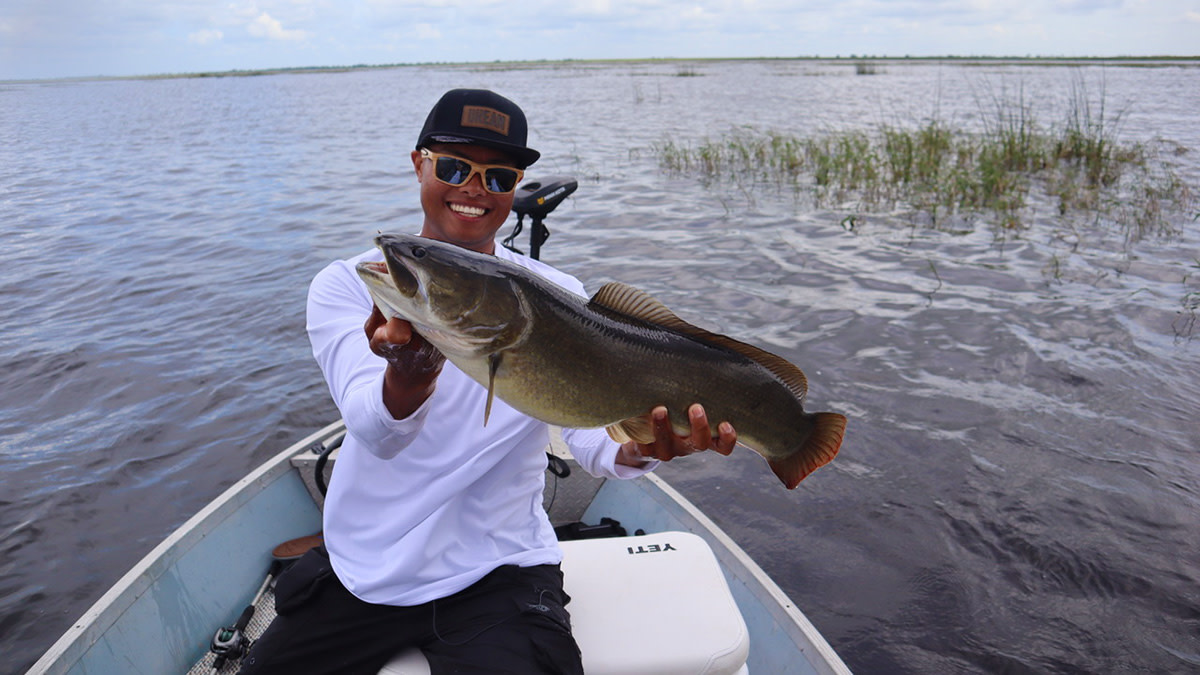
- Bowfin (dogfish)
- Suckers
- Goldfish
- Grass carp (check for local restrictions)
- Quillback carpsucker
It is illegal to target game fish (e.g., bass, walleye, trout) with a bow in Michigan. Always consult the latest DNR regulations before heading out: Michigan DNR Fishing Guide.
Bowfishing’s Role In Conservation
Many of Michigan’s rough fish, especially common carp, are invasive and threaten native species and habitats. Bowfishing helps manage their populations, providing both ecological and recreational benefits. The DNR encourages responsible harvest and proper disposal of all taken fish to minimize environmental impact.
Seasonal Timing
Bowfishing is generally permitted year-round for rough fish, but the best action occurs in late spring and early summer when fish move into shallow waters to spawn. Night bowfishing, using powerful lights, is popular and often more productive than daytime outings.
Michigan Bowfishing Laws And Regulations
Understanding and following Michigan’s legal requirements is essential to ensure ethical and lawful bowfishing.
Licensing And Permits
Anyone bowfishing in Michigan must possess a valid Michigan fishing license. Residents and non-residents can purchase annual or short-term licenses online or at local retailers. There are no additional permits required specifically for bowfishing, but all general fishing regulations apply.
Legal Waters And Access
Bowfishing is allowed on most public waters where rough fish are present, including:
- Great Lakes shorelines
- Inland lakes and reservoirs
- Rivers and streams
Private waters require landowner permission. Some local ordinances may restrict the use of bows in certain areas, always check with local authorities and the DNR before bowfishing a new location.
Equipment Restrictions
Michigan law allows the use of:
- Traditional bows (recurve or longbows)
- Compound bows
- Crossbows (for rough fish only)
Arrows must be barbed and attached to a line. Firearms, explosives, or poisons are strictly prohibited for taking fish.
Season And Time Of Day
Bowfishing for rough fish is open year-round, but night fishing is particularly popular. Use of artificial lights is legal, but be mindful of other boaters and shoreline residents. Some waters have specific restrictions, always consult local rules.
Daily Possession And Size Limits
Most rough fish have no possession or size limits. However, some species, such as grass carp, may be protected in certain waters due to stocking programs. Always verify current limits in the DNR fishing guide.
Penalties For Violations
Violating bowfishing regulations can result in hefty fines, gear confiscation, and license suspension. Ignorance is not a defense, staying informed is your responsibility as a bowfisher.

Credit: www.deeranddeerhunting.com
Choosing The Right Bowfishing Gear
The right equipment is crucial for both success and safety. Michigan’s diverse waters and variable conditions require gear that’s reliable, durable, and tailored to your skill level.
Essential Bowfishing Equipment
To bowfish effectively in Michigan, you’ll need:
- Bowfishing bow: Lightweight compound or recurve bows with adjustable draw weights (30, 50 lbs) are ideal.
- Bowfishing arrows: Fiberglass or carbon shafts with barbed points; never use hunting broadheads.
- Reel and line: Drum, retriever, or spin-cast reels spooled with 80, 200 lb test line.
- Polarized sunglasses: Essential for spotting fish in shallow water.
- Boat or waders: Jon boats with flat decks are common, but wading works well in rivers and marshes.
- Lights: High-intensity LEDs for night fishing.
- Safety equipment: Life jackets, gloves, and first aid kit.
Comparison Of Bow Types
| Bow Type | Pros | Cons | Best For |
|---|---|---|---|
| Recurve | Simple design, light weight, reliable | Lower power, less customization | Beginners, wading |
| Compound | Adjustable, powerful, accurate | Heavier, more moving parts | Boat fishing, experienced archers |
| Crossbow | Easy aiming, high power, accessible | Bulky, slower reload | Mobility-limited anglers, beginners |
Selecting The Right Arrow
Bowfishing arrows are heavier and more robust than hunting arrows. Look for:
- Fiberglass or carbon construction for durability
- Barbed tips for secure retrieval
- Slide systems to prevent snap-back injuries
Pro Tip: Always inspect your arrows for cracks or damage before each trip. A compromised arrow can shatter on impact, posing serious risks.
Boat Vs. Shore Bowfishing
While many anglers prefer boat-based bowfishing for mobility and access, shore and wade bowfishing are effective in rivers and small lakes. Boats should be stable, with raised shooting decks, and equipped with proper navigation and safety lights.
Example: A group of Michigan bowfishers outfitted a 16-foot jon boat with LED light bars, a raised deck, and a trolling motor. This setup allowed them to quietly approach spawning carp in Lake St. Clair’s shallows, resulting in a productive night harvest.

Credit: www.mlive.com
Where To Bowfish In Michigan
The state’s geography provides diverse options for bowfishers. Each type of water body presents unique opportunities and challenges.
Great Lakes Hotspots
Lake St. Clair and Saginaw Bay are premier destinations, known for huge populations of common carp and expansive shallow flats. The clarity and size of these waters make them ideal for both day and night bowfishing.
Inland Lakes And Reservoirs
Michigan’s 11,000+ inland lakes provide countless spots for targeting rough fish. Notable lakes include:
- Houghton Lake
- Muskegon Lake
- Gun Lake
- Kent Lake
These lakes often host spring carp spawning runs, drawing fish into shallow, weedy areas.
Rivers And Streams
The Grand River, Kalamazoo River, and Shiawassee River are popular for wade and shore bowfishing. Flowing waters concentrate fish in predictable spots, such as below dams and in backwater sloughs.
Urban And Suburban Bowfishing
Surprisingly, urban lakes and canals in Detroit, Lansing, and Grand Rapids offer accessible bowfishing, especially for beginners. These areas often hold abundant carp and goldfish populations due to nutrient runoff and limited predation.
Comparing Michigan Bowfishing Locations
| Location Type | Main Species | Best Season | Access | Notes |
|---|---|---|---|---|
| Lake St. Clair | Carp, gar, bowfin | May, July | Boat ramps, marinas | Clear, shallow, high fish density |
| Houghton Lake | Carp, suckers | April, June | Public access sites | Spring runs, easy wading |
| Grand River | Carp, suckers | Spring, Fall | Shore, parks | Urban access, variable clarity |
Guided Bowfishing Trips
For newcomers, guided trips are available on many major lakes and rivers. Guides provide boats, gear, and local knowledge, dramatically increasing success rates. Check with certified operators or local tackle shops for recommendations.
Skills And Techniques For Successful Bowfishing
Success in Michigan bowfishing hinges on mastering several key skills, many distinct from those in traditional fishing or archery.
Spotting And Approaching Fish
Fish in shallow water are wary and easily spooked. Use polarized sunglasses to scan for movement, shadows, or dorsal fins. Move quietly, minimizing splashing or noise, especially in clear water.
- Boat Approach: Use a trolling motor or paddle to glide into range.
- Wading: Shuffle feet to avoid sudden movements.
Aiming And Shooting
Due to light refraction, fish appear higher in the water than they actually are, a phenomenon called the “aim low” rule. Aim several inches below your target, adjusting for depth and distance. Practice this instinctive aiming in various conditions before heading out.
Retrieving And Handling Fish
After a successful shot, reel the fish in steadily to avoid tearing the arrow out. Use gloves for handling, as carp and gar have sharp fins. Store fish in a cooler or designated container, and dispose of them responsibly, never leave dead fish on shorelines or boat ramps.
Night Bowfishing Tactics
Night fishing requires high-powered LED or halogen lights mounted on the boat or held by hand. Fish are less wary at night, often feeding or spawning in the shallows. Always have a backup light source and extra batteries.
Safety Considerations
- Always wear a life jacket when on the water.
- Never shoot toward solid objects or into the unknown.
- Be aware of other boaters, swimmers, and shoreline residents.
- Keep first aid supplies handy for minor cuts or arrow injuries.
Pro Tip: In my experience, practicing with a dull arrow on floating targets before your first trip builds confidence and helps correct for water refraction.
Local Case Study: Lake St. Clair Carp Spawn
In May, thousands of carp move into Lake St. Clair’s marshes. A local bowfishing club organized a tournament, removing hundreds of pounds of invasive carp in one weekend and donating the catch for composting. This both improved local water quality and provided a fun, competitive outlet for members.
Conservation, Ethics, And Responsible Harvest
Bowfishing, when done responsibly, is a powerful tool for conservation. However, poor practices can harm Michigan’s waters and reputation.
Targeting Invasive Species
Focus your efforts on invasive species like carp and goldfish, which outcompete native fish and destroy spawning habitats. Removing these fish supports healthier ecosystems.
Avoiding Bycatch
Never shoot at fish you cannot positively identify. Michigan’s native gar, for example, play a valuable ecological role. Practice patience and ID skills, especially in mixed-species waters.
Proper Disposal Of Fish
Always dispose of harvested fish legally:
- Use composting facilities, landfills, or dedicated fish disposal sites.
- Never dump fish in public areas, which causes odor and health problems.
- Some anglers use carp as fertilizer or bait for trapping.
Ethical Bowfishing Practices
- Take only what you can use or legally possess.
- Participate in local cleanup events and tournaments.
- Educate new bowfishers about rules and conservation.
Example: The Michigan Bowfishing Association hosts annual cleanups at popular lakes, removing debris and educating anglers about responsible fish disposal.
Working With Local Conservation Groups
Join local clubs and conservation organizations that advocate for sustainable bowfishing, habitat restoration, and invasive species control. Participating in these groups enhances both your skills and stewardship.
Preparing For Your First Bowfishing Trip
A successful outing begins with thorough preparation. Michigan’s weather, water conditions, and access points vary widely, so planning ahead is critical.
Choosing The Right Time And Place
Research current fish movements, water clarity, and local reports. Peak bowfishing usually occurs:
- Late April through early July (spawning season)
- Warm evenings or nights with calm water
Consult local tackle shops, online forums, or DNR updates for the most productive spots.
Packing List For Michigan Bowfishing
- Fishing license
- Bow, arrows, reel, and backup equipment
- Polarized sunglasses
- Life jackets, gloves, first aid kit
- Cooler or fish container
- Navigation lights and extra batteries
- Weather-appropriate clothing (rain gear, waders, boots)
- Insect repellent and sunscreen
Practicing Your Shot
Before your trip, set up practice targets in your backyard or at a local archery range. Simulate shooting at various depths and angles to mimic real bowfishing scenarios.
What To Expect On The Water
Be prepared for changing weather, variable water clarity, and periods of slow action. Bowfishing is as much about the experience as the harvest, enjoy the sights and sounds of Michigan’s wild places.
Real-world Example: Guided Trip On Saginaw Bay
A group of beginners booked a guided night trip on Saginaw Bay. The captain provided all gear, safety instructions, and fish identification tips. By the end of the evening, each angler had landed their first carp, gaining hands-on experience and appreciation for the sport.
Advanced Bowfishing Strategies
Once you’ve mastered the basics, Michigan’s diverse waters offer new challenges and techniques to explore.
Targeting Trophy Fish
Experienced bowfishers seek out trophy-sized carp, longnose gar, or bowfin. Larger fish are often found in deeper or less-pressured areas. Use heavier arrows and lines, and scout locations during the day for night trips.
Competing In Bowfishing Tournaments
Michigan hosts several annual tournaments, drawing competitors from across the Midwest. These events emphasize teamwork, quick shooting, and high fish counts. Prizes are often awarded for largest fish, most pounds harvested, and youth divisions.
- Check local tournament rules for legal species and boundaries.
- Practice shooting from elevated platforms, as most events are boat-based.
- Work with a spotter to identify and track fish.
Customizing Your Boat
Many Michigan bowfishers customize their boats for maximum efficiency:
- Raised shooting decks for better visibility
- Powerful, energy-efficient LED light arrays
- Quiet generators or deep-cycle batteries
- Onboard coolers and fish storage
Example: A team retrofitted a pontoon boat with a full walkaround deck, silent trolling motor, and color-changing LED lights, allowing them to bowfish comfortably for hours and adapt to changing water clarity.
Ice Bowfishing
Though rare, bowfishing through the ice is legal for rough fish in Michigan. Anglers cut large holes and shoot at fish swimming below. This technique requires extreme caution and specialized gear.
Bowfishing For Youth And Families
Bowfishing is family-friendly and an excellent way to introduce kids to archery and fishing. Use lighter bows, practice safety, and choose easily accessible locations. Many clubs offer youth clinics and loaner equipment.
Bowfishing Resources, Clubs, And Community
Connecting with Michigan’s active bowfishing community enhances both your skills and enjoyment.
Local Clubs And Associations
Organizations like the Michigan Bowfishing Association provide:
- Group outings and tournaments
- Conservation projects
- Skills workshops and youth events
- Advocacy on regulatory issues
Membership connects you with experienced anglers and valuable resources.
Online Forums And Social Media
Active Michigan bowfishing groups on Facebook, Reddit, and dedicated forums share:
- Real-time fishing reports
- Gear reviews and DIY tips
- Event announcements
- Local water conditions
Pro Tip: Engaging with online groups before your first trip can yield location tips and help you avoid common mistakes.
Where To Buy Gear
Quality bowfishing equipment is available at:
- Large outdoor retailers (e.g., Cabela’s, Bass Pro Shops)
- Local archery shops
- Online specialty stores
Try gear in person before buying, and consult with staff about draw weight, arrow selection, and safety features.
Learning From Experienced Anglers
Attend club meetings, local tournaments, or conservation events to watch skilled bowfishers in action. Most are happy to share tips and welcome beginners.
Guided Trips And Instruction
Professional guides offer personalized instruction, safety briefings, and all necessary equipment. For those new to the sport, a guided trip can dramatically shorten the learning curve and ensure a safe, successful outing.
Frequently Asked Questions
What Are The Best Months For Bowfishing In Michigan?
The most productive months for bowfishing in Michigan are typically late April through early July, coinciding with the spawning period of rough fish like carp and suckers. During this time, fish congregate in shallow waters, making them easier to spot and target. However, bowfishing remains open year-round, with night fishing especially effective during the summer months.
Are There Any Safety Concerns Specific To Bowfishing In Michigan?
Yes, Michigan’s variable weather, cold water temperatures, and busy boating areas pose unique safety concerns. Always wear a life jacket, especially when fishing at night or from a boat. Be cautious of slippery rocks when wading and remain visible to other watercraft by using navigation lights.
It’s also wise to inform someone about your plans and expected return time, particularly in remote areas.
Can I Eat The Fish I Shoot While Bowfishing In Michigan?
Many rough fish species, such as carp and suckers, are edible, but their flavor and texture may not appeal to everyone. Before consuming any fish, check the Michigan DNR’s fish consumption advisories for potential contaminants in your chosen water body. Some anglers use harvested fish for fertilizer, pet food, or bait instead.
Is It Legal To Use A Crossbow For Bowfishing In Michigan?
Yes, Michigan permits the use of crossbows for bowfishing rough fish species. Crossbows must be equipped with barbed arrows attached to a retrieval line, and all other bowfishing regulations apply. However, crossbows are not allowed for taking game fish or in some restricted waters, verify with the DNR before use.
Where Can I Find Bowfishing Tournaments Or Events In Michigan?
Bowfishing tournaments and events are hosted throughout Michigan by local clubs, outdoor retailers, and conservation groups. The Michigan Bowfishing Association regularly updates an events calendar. You can also check with local archery shops, social media groups, and fishing forums for upcoming competitions and social outings.
Bowfishing in Michigan is a dynamic, rewarding pursuit that blends archery precision with the excitement of fishing. With its vast, fish-rich waters and strong community, the state offers endless opportunities for both beginners and seasoned anglers. By understanding the regulations, investing in proper gear, practicing ethical harvest, and connecting with local groups, you can experience the thrill of bowfishing while contributing to the health of Michigan’s aquatic ecosystems. For more information, visit the Michigan Department of Natural Resources and start planning your next adventure.