How To Bow Hunt Dove
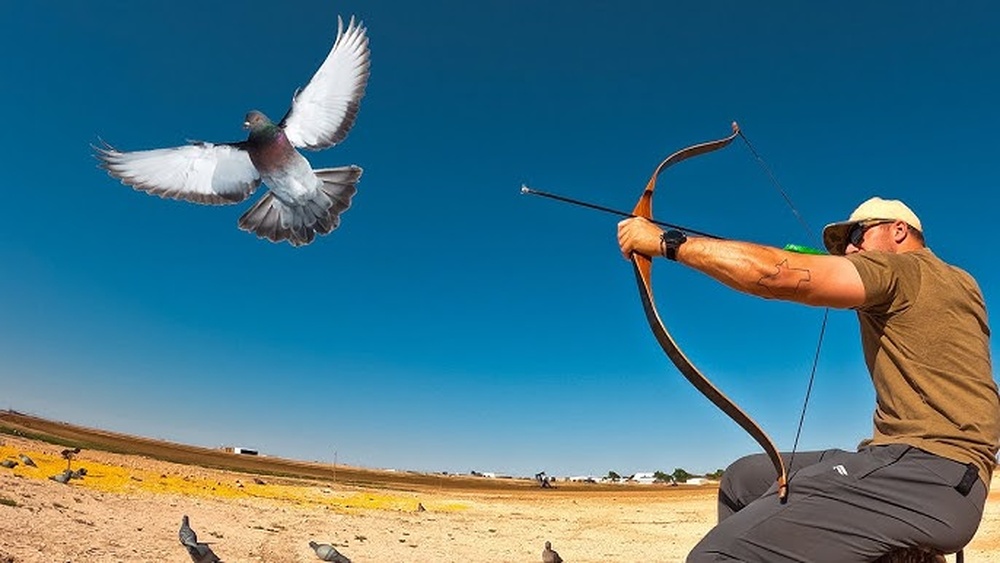
Bow hunting dove combines the finesse of archery with the fast-paced challenge of upland bird hunting. For those drawn to the pursuit of small game with a bow, dove hunting represents one of the most demanding, and rewarding, tests of skill, timing, and patience in the field.
Unlike waterfowl or big game, doves are fast, unpredictable, and small, requiring an archer’s keen eye, quick reflexes, and a deep understanding of avian behavior. This guide delivers a comprehensive blueprint for mastering dove hunting with a bow, from gear selection and fieldcraft to advanced shooting techniques and real-world strategies.
In recent years, bow hunting doves has seen a surge in popularity among both veteran archers and new hunters seeking a unique challenge. The allure lies not just in the hunt, but in the connection it fosters with nature, and the sense of accomplishment when skill and preparation meet success.
Whether you’re a seasoned bowhunter looking to expand your repertoire or a beginner eager to experience dove hunting’s dynamic rhythm, this article covers every aspect you need to succeed, all while adhering to ethical, legal, and conservation best practices.
Key Takeaways
- Bow hunting doves demands specialized equipment, refined shooting techniques, and a detailed understanding of dove behavior.
- Scouting, camouflage, and strategic stand placement are crucial for maximizing shot opportunities.
- Practicing rapid target acquisition and instinctive shooting increases your success rate in the field.
- Ethical hunting and legal compliance ensure the sustainability of dove populations and the sport’s reputation.
- Real-world examples and expert tips provide actionable insights for every skill level.

Credit: www.youtube.com
Understanding The Challenge: Why Bow Hunt Dove?
Bow hunting doves is not a pursuit for the faint of heart. Doves are among the fastest birds in North America, reaching speeds of up to 55 mph in flight (National Audubon Society). Their erratic, twisting movements make them notoriously difficult targets, even for shotgun hunters.
With a bow, the odds are even more demanding, requiring split-second decision-making and a mastery of instinctive shooting.
Yet, the challenge is what draws many archers to this pursuit. Success depends on a combination of factors:
- Superior marksmanship: Hitting a dove in flight with an arrow requires advanced shooting skills.
- Stealth and fieldcraft: Doves have keen eyesight and are wary of movement.
- Efficient equipment: Specialized gear maximizes your chances.
- Deep knowledge of dove habits: Understanding feeding, flight paths, and roosting patterns is essential.
Bow hunting doves also offers a more intimate experience than conventional methods. The slower, quieter approach means hunters are often closer to the action, observing natural behaviors and adapting strategies in real-time.
The Distinctive Skills Required
To consistently harvest doves with a bow, hunters must develop:
- Instinctive shooting: Unlike target archery, dove hunting rarely allows for careful aiming.
- Rapid target acquisition: The ability to quickly draw, anchor, and release in one fluid motion.
- Adaptability: Changing tactics based on bird movement, weather, and terrain.
These skills are honed through dedicated practice and a commitment to continual improvement.
The Conservation Aspect
Ethical bow hunting supports conservation efforts by regulating populations and funding habitat restoration through license fees and excise taxes (U. S. Fish and Wildlife Service). Responsible hunters respect bag limits and take only ethical shots, ensuring the future of both doves and the sport.

Credit: www.youtube.com
Essential Equipment For Bow Hunting Dove
Selecting the right gear is foundational to success in the field. Unlike big game hunting, dove hunting with a bow favors lightweight, maneuverable setups that allow for quick shots and minimal movement.
Choosing The Right Bow
For dove hunting, most archers prefer recurve bows or longbows due to their fast handling and instinctive shooting qualities. Compound bows can be used but are less ideal for rapid target acquisition.
| Bow Type | Advantages | Drawbacks | Recommended Draw Weight |
|---|---|---|---|
| Recurve Bow | Quick draw, lightweight, instinctive shooting | Less power at longer ranges | 30, 40 lbs |
| Longbow | Smooth draw, traditional feel | Larger size, more practice required | 30, 40 lbs |
| Compound Bow | Powerful, adjustable sights | Slower to draw, heavier, less instinctive | 35, 45 lbs |
Pro Tip: For beginners, a recurve bow in the 30, 35 lb range balances power and ease of use. Practice quick draws and smooth releases to prepare for real-world shots.
Arrows And Broadheads
Choosing the right arrows is crucial. Lightweight carbon arrows provide faster flight and flatter trajectories, important for hitting fast-moving targets. Small game tips or blunt points are preferred over standard broadheads, as they deliver sufficient impact without excessive penetration that can damage meat or make retrieval difficult.
Recommended arrow features:
- Length: Sized appropriately for your draw length
- Weight: Lighter arrows for increased speed (350, 400 grains)
- Tip: Blunt, judo, or small game heads for maximum effectiveness
Release Aids And Accessories
Most dove bow hunters shoot fingers rather than release aids to speed up the shot process. Gloves or tabs protect your fingers during rapid shooting. A lightweight quiver mounted on the bow allows quick access to arrows without unnecessary movement.
Camouflage And Clothing
Doves have excellent eyesight. Wear full camouflage, including a face mask and gloves, to blend into your surroundings. Choose lightweight, breathable fabrics to stay comfortable during long periods of waiting in warm weather.
Other Essential Gear
- Decoys: Attract doves to your location and hold their attention.
- Folding stool or portable blind: Increases comfort and helps conceal movement.
- Binoculars: For scouting and tracking birds in flight.
- Rangefinder: Useful for estimating distances, though less critical than for big game.
Scouting And Preparing Dove Hunting Locations
Success in bow hunting doves starts long before you draw your bow. Effective scouting and site preparation are key to finding productive spots and setting up for high-percentage shots.
Identifying Productive Dove Habitats
Doves are creatures of habit, frequenting the same feeding and watering areas daily. Focus your scouting efforts on:
- Grain fields: Sunflower, millet, and wheat stubble attract large flocks.
- Water sources: Ponds, streams, and stock tanks are dove magnets, especially in dry regions.
- Tree lines and fencerows: Serve as flight paths and roosting sites.
- Bare ground: Doves prefer to land and feed on open, bare soil.
Look for concentrations of dove tracks, droppings, and feathers to pinpoint active areas.
Timing Your Hunts
Early mornings and late afternoons are the most productive times for dove activity. Birds feed during these periods and fly between food and water sources. Scouting at these times helps you observe actual flight paths and adjust your setup accordingly.
Setting Up The Perfect Stand
Position yourself along established flight lines or near high-activity feeding areas. Use natural cover, brush, trees, or terrain features, to break up your silhouette. If cover is limited, a portable blind or camo netting can provide extra concealment.
For optimal results:
- Set up with the sun at your back to avoid being silhouetted.
- Ensure a clear shooting lane with minimal obstacles.
- Place decoys within 20, 25 yards to draw birds into bow range.
Case Study: Scouting Success
A group of hunters in Kansas reported a 50% increase in successful shots after systematically scouting and mapping local sunflower fields over several seasons (Kansas Department of Wildlife & Parks). By noting the most active entry and exit points, they were able to set up along the busiest flight lines, maximizing shot opportunities while minimizing disturbance.

Credit: www.youtube.com
Advanced Shooting Techniques For Dove Hunting
Successfully hitting doves with a bow requires more than good aim, it demands mastery of instinctive and quick-reaction shooting methods, as well as understanding your equipment’s limitations.
Instinctive Shooting Vs. Aimed Shooting
In fast-moving scenarios, instinctive shooting, relying on muscle memory and hand-eye coordination, is far more effective than traditional sighted aiming. This technique is honed through repetition, focusing on the target rather than the arrow tip or sights.
How to practice:
- Use aerial targets (foam disks, clay pigeons) for dynamic training.
- Start with slow-moving or stationary targets, then increase difficulty.
- Practice drawing and releasing in one fluid motion.
Leading The Target
Doves rarely fly straight. To compensate for their speed and erratic flight, learn to lead your target, aiming ahead of where the dove is flying so the arrow and bird intersect in space.
Tips for leading:
- Anticipate the bird’s path and speed.
- Adjust lead distance based on arrow velocity and range.
- Practice with a partner tossing aerial targets for realistic scenarios.
Shooting Positions And Timing
Most shots are taken from a seated or crouched position to minimize movement and silhouette. Master drawing your bow smoothly and quietly from a variety of postures.
Timing is everything:
- Draw as the bird approaches, not after it’s overhead.
- Release at the optimal moment, when the dove is at peak visibility and within effective range.
Dealing With Wind And Environmental Factors
Wind can alter both dove flight patterns and arrow trajectory. Practice shooting in a variety of conditions to understand how your arrows respond to crosswinds and adjust your aim accordingly.
Example: In my experience hunting along the Texas Panhandle, light morning breezes frequently pushed doves off their usual routes. Adjusting my stand 10 yards closer to a sheltered draw increased my encounters and shooting opportunities.
Strategies For Attracting And Ambushing Doves
Bow hunting doves is as much about strategy as it is about marksmanship. Using decoys, calls, and natural ambush points can increase your odds of drawing birds into bow range.
Using Decoys Effectively
Decoys are powerful tools for bow hunters. Motion decoys, such as spinning-wing models, can attract doves from a distance and encourage them to land within range. Place several stationary decoys on bare ground or low perches to simulate a relaxed feeding flock.
Best practices:
- Use 6, 12 decoys for a realistic spread.
- Space decoys in small clusters to mimic natural feeding patterns.
- Place decoys no farther than 25 yards from your stand.
Calls And Audio Attractants
While less common than in waterfowl hunting, dove calls can occasionally bring in curious birds or encourage circling flocks to commit. Use sparingly to avoid over-educating local birds.
Ambush Points: Natural And Artificial
Identifying natural choke points, such as gaps in tree lines, fence gates, or narrow strips between cover, funnels doves into predictable paths. If natural cover is lacking, create your own with camo netting, portable blinds, or strategically placed brush.
Example: A bowhunter in Arizona regularly harvested limits by setting up along a narrow creek crossing where doves funneled each morning, using natural willows for concealment and a few decoys to draw birds lower.
Hunting With Partners
While solo hunts are rewarding, hunting with a partner can increase your odds. One hunter can flush birds toward a waiting archer, or multiple shooters can cover several flight paths. Always maintain safe shooting zones and clear communication.
Legal, Ethical, And Safety Considerations
Bow hunting doves is subject to a unique set of legal and ethical standards. Understanding and adhering to these guidelines not only ensures a safe and enjoyable hunt, but also protects the resource and the reputation of the sport.
Understanding Local Laws And Regulations
Each state has specific regulations regarding:
- Legal hunting methods: Not all jurisdictions allow bow hunting for doves, check with your state’s wildlife agency.
- Seasons and bag limits: Doves are migratory and protected under the Migratory Bird Treaty Act.
- Permitted equipment: Some states restrict arrow types or bow draw weights.
Always consult the latest regulations from your state’s department of natural resources before hunting.
Ethical Shot Placement And Recovery
Ethical hunters only take shots within their effective range, aiming for high-probability hits that ensure a quick, humane kill. For doves, the ideal target is the vital zone, the center mass of the bird, just behind the wing.
If a bird is wounded but not retrieved, make every effort to recover it. Use a dog if possible, or mark the location for a thorough search.
Safety Considerations For Bow Hunting
Safety is paramount, especially when hunting with others or in public areas. Key guidelines include:
- Maintain clear communication with hunting partners.
- Never shoot at low-flying birds when others are in range.
- Be aware of your surroundings and backstop before releasing an arrow.
Conservation And Responsible Harvest
Bow hunters play a crucial role in conservation. Respect bag limits, avoid over-harvesting small local flocks, and participate in habitat restoration projects when possible. For more on dove conservation, visit the U.S. Fish and Wildlife Service.
Real-world Examples And Case Studies
Learning from the experiences of others can accelerate your mastery of dove hunting with a bow. Here are three real-world scenarios illustrating different approaches and outcomes.
Example 1: Timing And Flight Path Mastery
A Missouri archer spent several seasons observing local dove activity before achieving consistent success. By charting morning and evening flight paths and setting up along a hedgerow where birds crossed a small creek, he increased his shot opportunities from one or two per hunt to over a dozen. His key takeaway: “Patience in scouting pays off far more than relying on luck.”
Example 2: Decoy Effectiveness In Open Fields
A pair of hunters in Oklahoma experimented with different decoy spreads on a sunflower field. They found that a mix of six stationary decoys and one motion decoy placed 20 yards from their blind drew birds low and within range, resulting in several clean harvests per morning.
Their adjustment to decoy positioning made the difference after several unproductive outings.
Example 3: Overcoming Equipment Challenges
A novice bowhunter in Georgia initially struggled with missed shots due to heavy arrows and broadheads designed for deer. After switching to lighter carbon arrows and small game heads, his accuracy improved dramatically. His experience highlights the importance of matching equipment to the quarry.
Data And Comparison: Shotgun Vs. Bow For Dove Hunting
To illustrate the differences between traditional and archery methods, consider this comparison:
| Factor | Shotgun | Bow |
|---|---|---|
| Effective Range | 30, 40 yards | 15, 25 yards |
| Shots per Minute | 3, 5 | 1, 2 |
| Skill Requirement | High | Very High |
| Meat Damage | Moderate (pellets) | Minimal |
| Noise Level | Loud | Quiet |
| Legal Restrictions | Fewer | More in some states |
While shotguns remain the dominant method, bow hunting offers a quieter, more challenging, and deeply rewarding alternative for those seeking a new experience.
Training And Practice Routines For Success
Mastery in the field starts with diligent practice. Simulating real-world scenarios and building muscle memory are essential for success.
Dynamic Target Practice
Traditional paper targets build accuracy, but moving and aerial targets are far more effective for preparing for doves.
- Use foam disks, clay pigeons, or even tennis balls tossed by a partner.
- Practice from seated and crouched positions.
- Vary distances and angles to simulate unpredictable dove flight.
Building Speed And Fluidity
Bow hunting doves is about speed and efficiency. Drill quick-draw and release sequences, focusing on smooth, controlled movements. Use a timer or metronome to gradually reduce your shot cycle time.
Mental Preparation
Mental discipline is just as important as physical skill. Visualize successful shots, anticipate bird movement, and stay relaxed under pressure. Controlled breathing can help steady nerves during fast-paced action.
Equipment Maintenance
Regularly inspect and maintain your bow, arrows, and accessories. Replace worn strings, check arrow straightness, and sharpen small game heads. Well-maintained gear reduces the risk of missed shots or equipment failure in the field.
Frequently Asked Questions
How Effective Is Bow Hunting For Doves Compared To Shotguns?
Bow hunting doves is significantly more challenging and has a lower harvest rate than shotgun hunting. While shotguns allow for a wider shot pattern and higher success, bow hunting offers a quieter, more intimate hunt with less meat damage. Most bowhunters consider harvesting even a few doves per outing a major achievement, and the pursuit is valued more for the skill and experience than sheer numbers.
What Is The Best Arrow Tip For Hunting Doves?
Small game points, such as blunt or judo tips, are generally the best choice for dove hunting. These tips deliver enough impact to humanely dispatch a dove without excessive penetration that can destroy meat or make recovery difficult. Avoid standard broadheads, which are overkill for such small game.
Can I Use A Compound Bow For Dove Hunting?
Yes, compound bows can be used for dove hunting where legal. However, most bowhunters prefer recurves or longbows due to their lighter weight, quicker handling, and suitability for instinctive shooting. If you choose a compound, ensure it is set to a low enough draw weight to allow rapid, repeated shots and is paired with lightweight arrows and small game points.
How Do I Improve My Accuracy On Fast-moving Targets?
Improving accuracy on doves requires dedicated practice with moving and aerial targets. Focus on instinctive shooting, leading the target, and quick draw-and-release sequences. Simulating real hunting scenarios in practice sessions, such as shooting from a seated position or using decoys, can also enhance real-world performance.
Are There Any Special Permits Required To Bow Hunt Doves?
In most states, a regular small game or migratory bird hunting license is required, along with compliance with federal migratory bird regulations. Some states may have additional requirements or restrictions on bow hunting methods for doves. Always check with your state’s wildlife agency and obtain the necessary permits before hunting.
Additional Resources
For further reading and official guidelines on dove hunting, visit the National Wild Turkey Federation and your local department of natural resources.
Bow hunting doves is a pursuit that demands dedication, adaptability, and a willingness to embrace the learning curve. The challenge is real, but so is the reward: a deeper connection to the outdoors, a refined archery skillset, and the satisfaction of mastering one of hunting’s most demanding disciplines. Whether you’re in the field for your first season or refining your approach after years of practice, every outing brings new lessons and memories, making each feathered trophy that much more meaningful.