How To Adjust Draw Weight On Pse Bow Madness
Precision, control, and adaptability, these are the hallmarks of a well-tuned compound bow, and few models embody these qualities like the PSE Bow Madness. Designed with both versatility and performance in mind, the Bow Madness series has attracted hunters, target shooters, and archery enthusiasts seeking a customizable experience. Yet, one critical aspect often overlooked by new and even intermediate archers is the draw weight adjustment. Properly adjusting the draw weight not only tailors the bow to your physical strength and shooting style but can dramatically affect your accuracy, comfort, and long-term shooting health.
If you’re new to the PSE Bow Madness or looking to refine your skills, understanding how to adjust the draw weight is essential. Many archers invest in top-tier bows but struggle with incorrect settings that lead to fatigue, inconsistent grouping, or even injury.
By mastering the draw weight adjustment process, you can unlock the full potential of your PSE Bow Madness, ensuring that every shot is as effective and enjoyable as possible. This guide walks you through every step, integrates practical examples, and provides a comprehensive reference for bow owners at all levels.
Key Takeaways
- Adjusting draw weight on the PSE Bow Madness is a straightforward process requiring only basic tools and a clear understanding of the limb bolt mechanism.
- Proper draw weight enhances accuracy, comfort, and shooting consistency, and reduces the risk of injury.
- The process involves loosening or tightening limb bolts in equal increments, always following manufacturer guidelines.
- Understanding the relationship between draw weight, arrow speed, and kinetic energy is critical for both hunting and target shooting.
- Regular maintenance and safety checks ensure long-term bow performance and shooter safety.
- Consulting an archery professional or experienced technician is recommended when making significant adjustments.
Understanding Draw Weight: Fundamentals And Impact
What Is Draw Weight?
Draw weight refers to the amount of force, measured in pounds, required to draw the bowstring back to full draw. In the case of compound bows like the PSE Bow Madness, this force is determined by the resistance of the limbs and is adjustable within a specific range (commonly 50, 70 lbs for many models).
Why Draw Weight Matters
Selecting the appropriate draw weight is foundational for:
- Accurate shooting: Too high a draw weight can lead to fatigue and poor form.
- Safety: Excessive draw weight increases the risk of muscle strain and injury.
- Arrow performance: Draw weight influences arrow speed, trajectory, and kinetic energy, key factors for both target archery and hunting.
Manufacturer Specifications For Pse Bow Madness
The PSE Bow Madness series comes in several variants, each with its own draw weight range. Most models offer an adjustable range (e. g. , 50, 70 lbs or 40, 60 lbs). The bow’s manual and riser label specify the minimum and maximum draw weight.
| Model | Draw Weight Range (lbs) | Axle-to-Axle Length (in) | Let-off (%) |
|---|---|---|---|
| Bow Madness Unleashed | 55, 70 | 32 | 80 |
| Bow Madness Epix | 50, 70 | 32.375 | 80 |
| Bow Madness 32 | 50, 70 | 32 | 80 |
Pro Tip
If you’re unsure about your ideal draw weight, start lower. You can always increase it gradually as your strength and technique improve.

Credit: www.youtube.com
Tools And Preparation: Getting Ready To Adjust
Required Tools
Before beginning the draw weight adjustment, gather the following tools:
- Allen wrench set (commonly 3/16″ or 7/32″ for PSE limb bolts)
- Bow scale (to measure draw weight accurately)
- Owner’s manual (for model-specific recommendations)
- Lubricant or bowstring wax (for maintenance if needed)
Safety Precautions
- Never dry-fire a compound bow (releasing the string without an arrow), as this can cause severe damage.
- Make sure the bow is unloaded and pointed in a safe direction.
- Adjust limb bolts evenly (top and bottom) to prevent limb damage and ensure consistent performance.
Inspection Checklist
Before adjusting, inspect your bow for:
- Limb cracks or splinters
- Loose hardware
- Bowstring condition
- Cam alignment
If you notice any significant wear or damage, consult a professional technician before proceeding.

Credit: www.yumpu.com
Step-by-step Guide: Adjusting Draw Weight On Pse Bow Madness
Locating The Limb Bolts
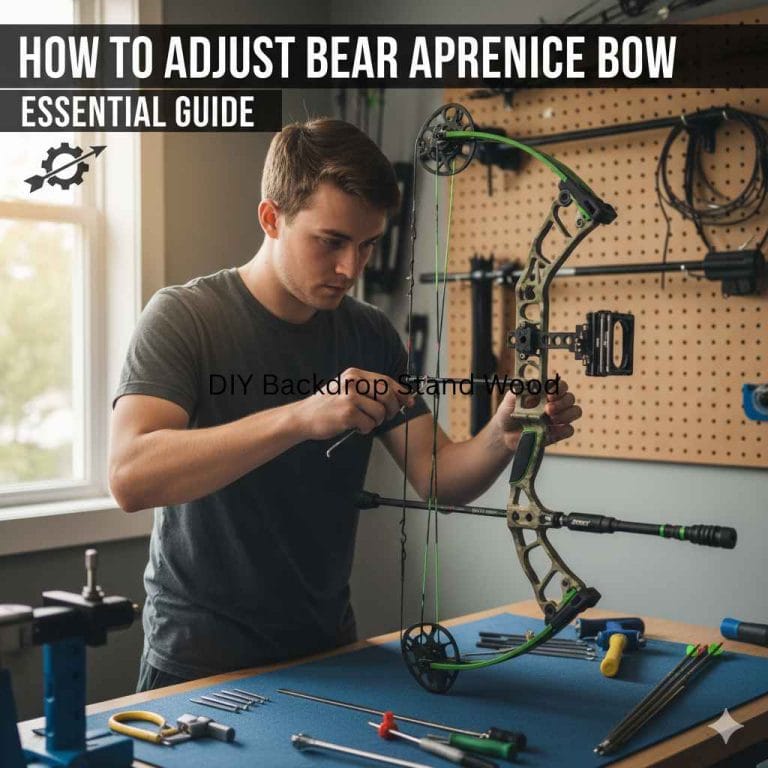
The PSE Bow Madness uses a pair of limb bolts, one at the top limb pocket and one at the bottom, secured into the riser. These are your primary adjustment points.
Measuring Current Draw Weight
- Place the bow on a bow scale and draw the string to full draw (preferably using a draw board or with assistance).
- Record the draw weight reading.
- Compare this to your target weight and manufacturer’s specifications.
Adjusting The Limb Bolts
- To Increase Draw Weight: Tighten (clockwise) both limb bolts in equal increments.
- To Decrease Draw Weight: Loosen (counterclockwise) both limb bolts in equal increments.
It’s crucial to adjust both bolts the same amount, typically in 1/4 to 1/2 turn increments, never more than one full turn at a time.
Example: If you want to increase draw weight by 2 lbs, tighten each limb bolt by 1/4 turn, then re-measure.
Step-by-step Adjustment Process
- Secure the Bow: Place your bow in a bow press if available, or stabilize it on a secure surface.
- Loosen or Tighten Bolts: Using the correct Allen wrench, adjust each limb bolt equally.
- Check Alignment: Ensure limbs remain parallel and cams are centered.
- Measure Draw Weight: After each adjustment, use the bow scale to check the new draw weight.
- Repeat as Needed: Continue small, even adjustments until the desired draw weight is reached.
Manufacturer’s Limits
Never exceed the maximum or minimum number of turns recommended by PSE. Most models allow approximately 4, 5 turns from maximum draw weight. Exceeding these can cause unsafe limb tension or hardware failure.
| Action | Result |
|---|---|
| Tighten limb bolts | Increases draw weight |
| Loosen limb bolts | Decreases draw weight |
| Uneven adjustment | Can cause limb twist or cam misalignment |
Example
Start the Bow Madness 32 with a 55 lb setting and increase to 62 lbs by tightening both limb bolts by a total of one full turn (1/4 turn increments). The increase was smooth, and accuracy improved with proper form.

Credit: shootingcabin.com
Setting Draw Weight For Your Needs: Hunting, Target, And Youth
Draw Weight For Hunting
For whitetail deer, most states recommend a minimum of 40 lbs draw weight. However, 50, 60 lbs is preferred for ethical, effective shots with broadheads. For larger game (elk, moose), archers often choose 60, 70 lbs.
Example: A hunter using the Bow Madness at 65 lbs observed improved arrow penetration, essential for clean kills.
Draw Weight For Target Shooting
Target archers frequently opt for lower draw weights (40, 55 lbs) to maximize endurance and maintain consistent form over extended sessions. Accuracy and repetition matter more than raw power.
Draw Weight For Youth And Beginners
Younger archers or those new to compound bows should start at the lowest draw weight setting. The Bow Madness series allows for substantial adjustment, making it suitable for growing shooters.
Gender And Physical Capability Considerations
- Average adult male: 50, 70 lbs
- Average adult female: 30, 50 lbs
- Teen/youth: 15, 40 lbs (as appropriate)
Matching Draw Weight To Arrow Selection
Arrow spine (stiffness) must match draw weight. Over-spined (too stiff) or under-spined (too flexible) arrows can cause erratic flight.
Fine-tuning And Troubleshooting: Ensuring Peak Performance
Verifying Cam Timing And Synchronization
After major draw weight changes, verify that cam timing remains correct. Improper cam timing can lead to inconsistent arrow flight. Use a bow press or consult a pro shop if cams require re-synchronization.
Checking Nock Point And Peep Sight Alignment
Draw weight adjustments can slightly shift string geometry. After each change:
- Check that the nock point (where the arrow attaches) remains square with the rest.
- Verify peep sight alignment at full draw.
Noise And Vibration
Increasing draw weight may also increase noise and vibration. Consider adding limb dampeners or string silencers if needed.
When To Seek Professional Help
If you encounter:
- Uneven limb movement
- Unusual string wear
- Difficulty reaching desired draw weight
It’s best to visit a certified archery technician or a PSE-authorized dealer.
Example
A target shooter noticed excessive vibration after increasing draw weight. A visit to the local pro shop revealed that the limb bolts were not evenly torqued, and correcting this resolved the issue immediately.
Safety And Maintenance: Prolonging Bow Life
Regular Inspection And Cleaning
- Inspect limb bolts and pockets for rust or debris.
- Clean the riser and cams with a dry cloth.
- Lubricate axles and bushings sparingly, as per PSE recommendations.
Storage Considerations
Store your PSE Bow Madness in a climate-controlled environment. Avoid leaving the bow at full draw for extended periods, as this stresses limbs and string.
Limb Bolt Torque
Do not overtighten limb bolts. Use manufacturer torque specs if available. Over-torquing can damage the riser or strip the threads.
String And Cable Care
- Wax bowstring regularly to prevent fraying.
- Replace string and cables every 1, 2 years or at the first sign of wear.
Pro Tip
Keep a maintenance log. Recording every adjustment and service helps troubleshoot future issues and maintains warranty coverage.
Real-world Examples: Success Stories And Cautionary Tales
Example 1: The Competitive Archer
A regional tournament competitor used a PSE Bow Madness Epix set at 58 lbs. After struggling with fatigue in the final rounds, she reduced the draw weight to 52 lbs. Her scores improved, and she reported less muscle soreness, illustrating the importance of balancing power with comfort.
Example 2: The Bowhunter’s Dilemma
A Midwest hunter increased his draw weight to 70 lbs for elk season but failed to adjust his arrow spine accordingly. He experienced erratic arrow flight and poor penetration until consulting an archery technician, who corrected his setup for optimal performance.
Example 3: Youth Progression
A 14-year-old archer started with the Bow Madness at 35 lbs. Over two years, he incrementally increased to 50 lbs, matching his growing strength and skill, which allowed him to transition from local target leagues to competitive 3D archery.
| Scenario | Initial Draw Weight | Adjusted Draw Weight | Outcome |
|---|---|---|---|
| Competitive Archer | 58 lbs | 52 lbs | Improved accuracy, less fatigue |
| Bowhunter | 70 lbs | Adjusted arrow spine | Restored arrow flight, better penetration |
| Youth Shooter | 35 lbs | 50 lbs | Progressed to advanced competition |
Comparing Draw Weight Adjustments: Pse Bow Madness Vs. Other Compound Bows
Understanding how the Bow Madness compares with other popular bows can help in decision-making and maintenance.
| Bow Model | Draw Weight Adjustment Range | Adjustment Method | Recommended Tools | Ease of Adjustment |
|---|---|---|---|---|
| PSE Bow Madness | Typically 20 lbs | Limb bolts | Allen wrench | Easy |
| Mathews V3 | 10, 15 lbs | Limb bolts | Allen wrench | Easy |
| Hoyt Ventum | 10 lbs | Limb bolts | Allen wrench | Easy |
| Bear Divergent EKO | 15 lbs | Limb bolts | Allen wrench | Easy |
The PSE Bow Madness stands out with its wide adjustment range and straightforward process, making it accessible for both beginners and seasoned archers.
For further information, consult the official PSE Archery Bow Madness page.
Frequently Asked Questions
What Is The Maximum Safe Number Of Turns To Adjust Limb Bolts On The Pse Bow Madness?
PSE typically recommends no more than 4, 5 full turns from the maximum tight position for draw weight adjustment. Exceeding this can risk limb bolt disengagement or limb damage. Always consult your specific model’s manual for the exact limit, as it may vary slightly.
If you’re uncertain, visit a certified pro shop for guidance.
Can I Change The Draw Weight Without A Bow Press?
Yes, you can adjust the draw weight using an Allen wrench without a bow press, as long as you’re only turning the limb bolts. However, if you need to perform maintenance involving string or cam changes, a bow press is required for safety and proper setup.
Does Changing Draw Weight Affect Arrow Speed And Trajectory?
Absolutely. Increasing draw weight generally increases arrow speed and kinetic energy, resulting in a flatter trajectory. However, it may also require switching to a stiffer arrow spine for optimal flight. Lowering draw weight reduces speed but can improve shooting comfort and accuracy for many archers.
Is It Safe To Set My Bow At The Lowest Possible Draw Weight?
It is safe as long as you do not exceed the manufacturer’s minimum limb bolt setting (usually no more than 4, 5 turns out). Going beyond this can reduce limb bolt engagement and compromise the bow’s structural integrity. Always check the bow’s manual and use a bow scale to verify settings.
How Often Should I Re-check My Draw Weight And Bow Tuning?
It’s good practice to check your draw weight and overall bow tuning at the start of every shooting season, after any significant changes, and following extensive use (every 3, 6 months). Regular inspection ensures consistent performance and early detection of wear or issues.
For authoritative recommendations, see the Wikipedia Compound Bow entry.
The process of adjusting the draw weight on your PSE Bow Madness is a critical skill for any archer aiming for peak performance, comfort, and safety. By following the guidelines outlined here, you can confidently customize your bow to fit your unique needs, whether you’re pursuing big game, chasing tighter groups on the range, or nurturing the next generation of archers.
As always, when in doubt, seek guidance from a qualified technician or archery professional to ensure your equipment remains in top condition for every shot.