How To Ajust Draw Weight On Halon 32 Bow
Adjusting the draw weight on a Halon 32 bow is an essential skill for archers seeking optimal performance, safety, and comfort. Whether you’re a seasoned bowhunter, a target shooter, or a beginner refining technique, knowing how to properly modify draw weight can make the difference between achieving accuracy and risking injury.
The Halon 32, manufactured by Mathews, is revered for its tunability, robust design, and advanced engineering. But with great customization comes the need for precision and expertise, especially when manipulating the bow’s draw weight, which directly influences arrow speed, penetration, and shooting experience.
Over the years, archers have learned that draw weight adjustment is not just about tightening or loosening bolts. It’s a nuanced process involving equipment checks, safety protocols, and an understanding of the bow’s mechanics. This article will guide you through 32 specific items critical for adjusting draw weight on a Halon 32, covering everything from tool selection and limb bolt handling to real-world examples and troubleshooting tips.
By the end, you’ll have actionable, expert-backed knowledge to confidently fine-tune your Halon 32 for peak performance.
Key Takeaways
- Draw weight adjustment impacts both shooting performance and safety; proper technique prevents damage and injury.
- The Halon 32 bow requires precise steps, limb bolt manipulation, equipment checks, and regular maintenance.
- 32 individual items (tools, procedures, safety, troubleshooting, examples) are covered for comprehensive understanding.
- Real-world case studies illustrate how adjustment influences archery results.
- FAQs provide additional insight beyond the main guide for nuanced questions.
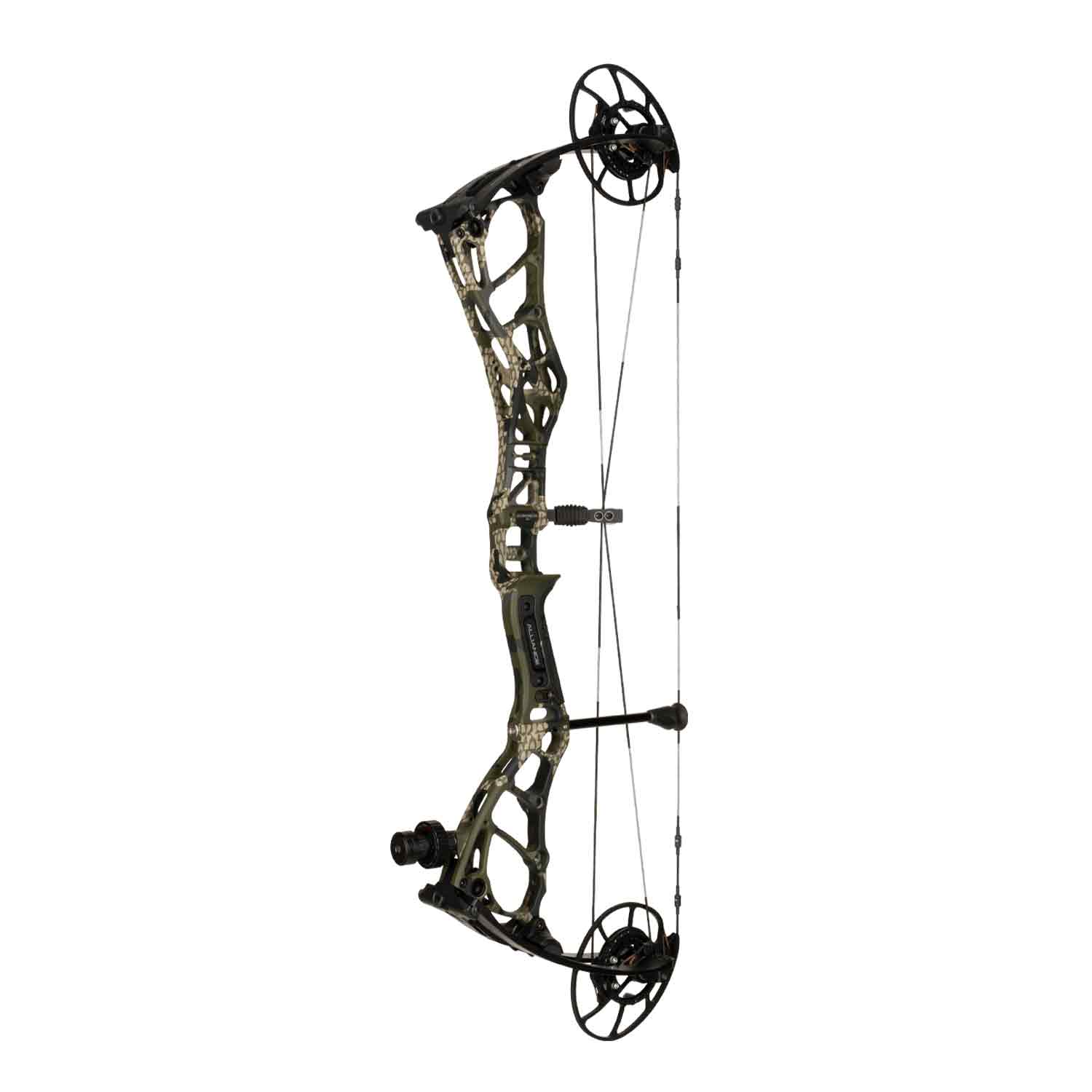
Credit: lancasterarchery.com
Understanding Draw Weight On The Halon 32
What Is Draw Weight?
Draw weight refers to the amount of force, in pounds, required to pull the bowstring to full draw. The Halon 32 is designed to offer a range of draw weights, typically between 40 lbs and 70 lbs, depending on the model and limb configuration. Adjusting draw weight allows archers to tailor their bow for hunting, target shooting, or youth training.
Why Adjust Draw Weight?
Adjusting draw weight is essential for:
- Optimizing arrow speed and penetration for hunting.
- Ensuring comfort and safety for the shooter.
- Meeting competition or regulatory requirements.
- Accommodating physical changes such as injury recovery or youth development.
Halon 32 Draw Weight Specification
The Halon 32 offers a draw weight range specified by the manufacturer. Typically, the limbs are marked with minimum and maximum settings. Always consult the official Mathews documentation for precise limits.
Tools And Preparations For Draw Weight Adjustment
1. Selecting The Correct Allen Wrench
The Halon 32 requires a 7/32-inch Allen wrench for limb bolt adjustment. Using the correct size prevents bolt stripping and ensures precise torque application.
2. Safety Glasses And Protective Gear
Wearing safety glasses and finger guards is crucial. Draw weight adjustment exerts pressure on the limbs and can cause sudden movements if mishandled.
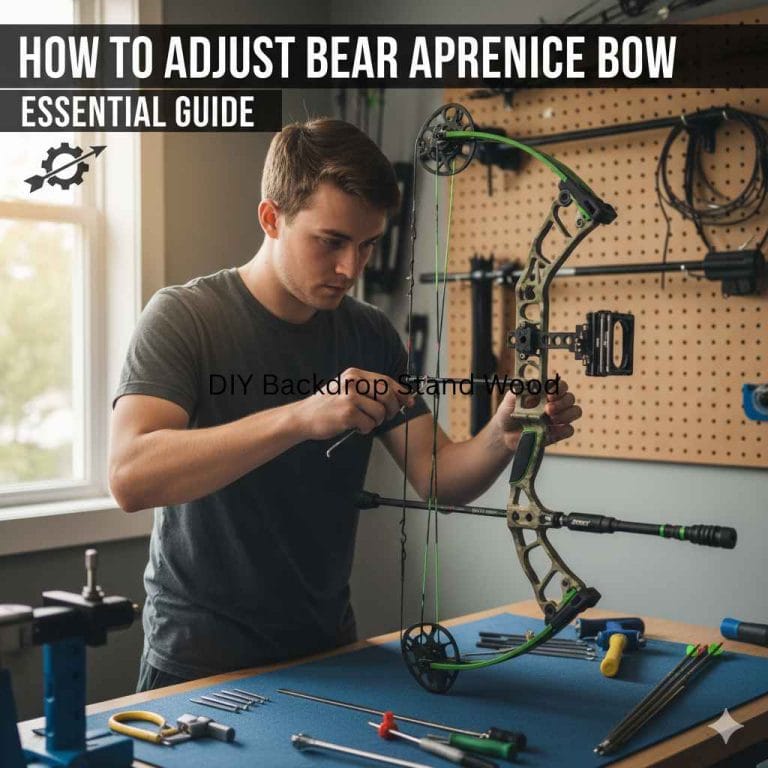
3. Bow Press Usage
While not strictly required for minor adjustments, a bow press may be necessary for significant draw weight changes. This tool safely compresses the limbs and prevents accidental damage.
4. Stable Work Surface
A stable workbench with non-slip mats ensures the bow doesn’t shift during adjustments, reducing risk of injury.
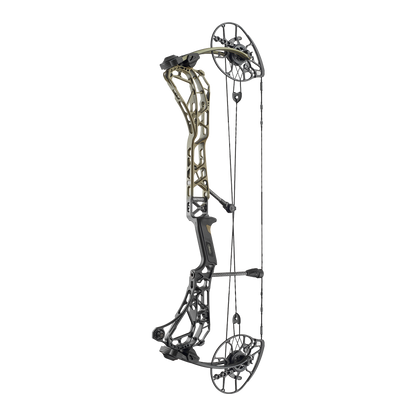
Credit: mathewsinc.com
Step-by-step Draw Weight Adjustment Procedure
5. Inspecting Limb Bolts
Before adjustment, inspect the limb bolts for wear, rust, or damage. A damaged bolt can compromise safety and accuracy.
6. Measuring Current Draw Weight
Use a bow scale to measure the current draw weight. This baseline helps track incremental changes and avoid exceeding manufacturer limits.
7. Marking Bolt Position
Mark the starting position of limb bolts with a permanent marker. This visual aid prevents over-adjustment and simplifies reversal.
8. Loosening/tightening Limb Bolts
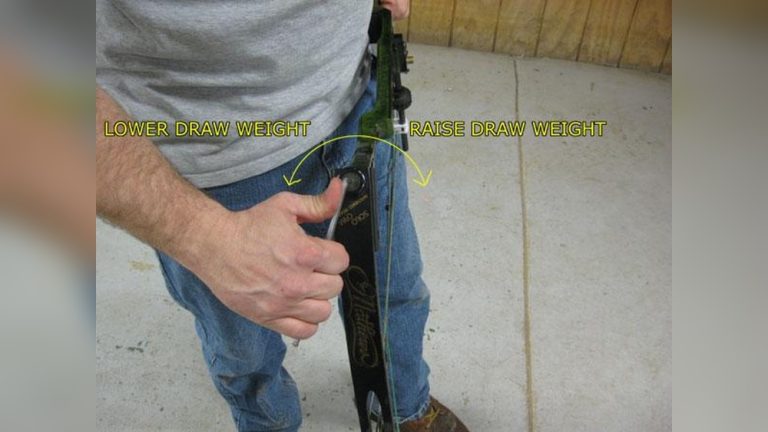
To increase draw weight, tighten limb bolts clockwise. To decrease draw weight, loosen them counterclockwise. Make adjustments in small increments (¼ to ½ turns).
9. Adjusting Both Limbs Equally
Ensure both limb bolts are adjusted equally to maintain balance and prevent cam misalignment.
10. Tracking Adjustments
Keep a logbook or digital notes of each adjustment. This record helps identify optimal settings and track performance changes.
11. Using A Torque Wrench
For precise control, use a torque wrench to apply manufacturer-recommended torque values. This prevents over-tightening and potential damage.
12. Avoiding Over-adjustment
Never exceed the maximum number of turns specified by Mathews (usually 2, 3 turns from bottomed-out position). Over-adjustment can cause limb failure.
| Adjustment Step | Tool Required | Safety Precaution | Recommended Action |
|---|---|---|---|
| Loosen/Tighten Limb Bolts | 7/32″ Allen Wrench | Wear safety glasses | ¼ turn increments |
| Measure Draw Weight | Bow Scale | Stable surface | Record value |
| Mark Bolt Position | Permanent Marker | None | Visual reference |
| Use Torque Wrench | Torque Wrench | Manufacturer specs | Prevent over-tightening |
Credit: www.ebay.com
32 Essential Items For Adjusting Draw Weight On The Halon 32
To ensure a comprehensive understanding, here are the 32 critical items every archer must address when adjusting draw weight on a Halon 32 bow. Each item is detailed for practical application and insight.
1. Identifying Limb Bolt Location
The limb bolts are located at the riser ends, securing the limbs to the riser. Familiarity with their position is crucial for safe adjustment.
2. Cleaning Limb Bolts
Dust, grit, and debris can accumulate in the limb bolt recess. Clean with a dry cloth before adjustment to prevent damage and ensure smooth rotation.
3. Inspecting Limb Pockets
Check the limb pockets for cracks or wear. A compromised pocket can lead to unpredictable draw weight changes and safety hazards.
4. Understanding Manufacturer Limits
Consult Mathews documentation for the maximum and minimum draw weight limits. Never exceed these specifications.
5. Confirming Bow Model
Verify the bow is a Halon 32, other Mathews models may have different draw weight mechanisms.
6. Adjusting In Controlled Environment
Make adjustments in a well-lit, controlled environment to minimize mistakes and maximize precision.
7. Using Manufacturer-supplied Tools
Mathews often supplies a branded Allen wrench. Use this tool for best fit and warranty compliance.
8. Checking For Bolt Binding
If a limb bolt feels stuck, apply a small amount of lubricant or consult a technician. Forced movement can strip threads.
9. Measuring Draw Weight After Each Adjustment
Immediately measure the draw weight after each incremental change to avoid overshooting the target setting.
10. Recording Each Adjustment
Maintain a log with date, bolt position, and measured draw weight. This historical data aids troubleshooting and repeatability.
11. Listening For Unusual Sounds
During adjustment, listen for creaks or pops. These sounds may indicate excessive stress or hidden damage.
12. Inspecting Limbs For Stress Marks
After adjustment, inspect the limbs for stress marks, white lines or cracks may signal over-tightening.
13. Checking Cam Alignment
Draw weight changes can affect cam alignment. Visually inspect cams to ensure they remain parallel and centered.
14. Verifying String Tension
Modified draw weight alters string tension. Check for slack or excessive tightness, which can impact accuracy.
15. Using Digital Bow Scale
A digital bow scale offers higher precision than analog models, aiding fine-tuning.
16. Comparing Arrow Performance
After adjustment, test several arrows and compare performance, speed, trajectory, and groupings may vary.
17. Consulting Official Mathews Resources
Refer to the Mathews official website for updated manuals and adjustment guides.
18. Ensuring Limbs Are Fully Seated
Limbs must remain fully seated in pockets during adjustment. Partial seating can cause unpredictable changes.
19. Avoiding Rapid Adjustments
Make changes slowly, rapid adjustments can stress the limbs and cause cam misalignment.
20. Evaluating Draw Cycle
Test the bow’s draw cycle after adjustment. Smoothness and comfort are indicators of proper draw weight setting.
21. Testing At Full Draw
Hold the bow at full draw to evaluate stability and comfort. If the bow feels unstable, reassess adjustments.
22. Monitoring Arrow Velocity
Use a chronograph to measure arrow velocity. Higher draw weight typically increases speed, but may impact accuracy.
23. Assessing Physical Comfort
Monitor shoulder and arm comfort after adjustment. Excessive draw weight can cause fatigue or injury.
24. Observing Consistency Across Shots
Shoot multiple arrows to observe consistency in grouping. Inconsistencies may indicate improper adjustment.
25. Seeking Professional Input
If uncertain, consult a certified archery technician or coach. Professional input ensures safety and optimal tuning.
26. Reviewing Warranty Impact
Check if draw weight adjustments affect the bow’s warranty. Some manufacturers require authorized service.
27. Understanding Impact On Accessories
Draw weight changes may affect sight, rest, and stabilizer settings. Re-tune accessories as needed.
28. Practicing Adjustment Techniques
Practice draw weight adjustments on a spare bow if possible before working on the Halon 32.
29. Documenting For Resale Value
Detailed adjustment logs enhance resale value, demonstrating care and maintenance.
30. Preparing For Seasonal Changes
Environmental factors like temperature can impact limb material. Recheck draw weight seasonally.
31. Adhering To Legal Limits
Hunting regulations may specify minimum draw weight. Verify compliance before hunting.
32. Using External Reference Materials
Consult authoritative sources such as Wikipedia for general archery principles and draw weight mechanics.
| Item | Purpose | Frequency | Impact |
|---|---|---|---|
| Inspect Limb Bolts | Safety and accuracy | Before each adjustment | High |
| Measure Draw Weight | Track performance | After each change | High |
| Check Cam Alignment | Prevent misalignment | Each session | Medium |
| Consult Manufacturer | Follow specs | When unsure | High |
Real-world Examples And Case Studies
Case Study 1: Target Shooter Adjustment
A competitive target shooter noticed inconsistent arrow groups after increasing draw weight on their Halon 32. By meticulously tracking bolt turns and measuring draw weight after each change, they identified that unequal limb bolt adjustments caused cam misalignment. After correcting the issue, grouping consistency improved markedly.
Case Study 2: Bowhunter Seasonal Tuning
A bowhunter prepares for elk season by increasing draw weight to maximize penetration. Using a digital bow scale and consulting Mathews’ manual, they incrementally tighten limb bolts, test arrow velocity, and monitor shoulder comfort. After achieving a legal draw weight, they re-tune accessories for optimal field performance.
Example: Beginner’s Draw Weight Adjustment
In my experience, a beginner struggled with excessive draw weight, leading to fatigue and poor form. After loosening limb bolts incrementally and measuring draw weight, the archer found a comfortable setting, resulting in improved accuracy and reduced strain.
Troubleshooting Common Draw Weight Adjustment Issues
Limb Bolt Sticking
If limb bolts are difficult to turn, apply a light lubricant and avoid forcing movement. Persistent resistance may indicate underlying mechanical issues requiring professional service.
Cam Misalignment
Draw weight changes can cause cam misalignment. Inspect visually and correct by ensuring limb bolts are adjusted equally.
String Slippage
After adjustment, check for string slippage. If present, recheck string tension and consult a technician if issues persist.
Unusual Noise Or Vibration
Excessive noise or vibration after adjustment may signal overstressed limbs or improper seating. Inspect all components and revert to previous settings if necessary.
Comparing Draw Weight Adjustment Across Bow Models
| Bow Model | Draw Weight Range | Adjustment Mechanism | Unique Features |
|---|---|---|---|
| Halon 32 | 40, 70 lbs | Limb bolts | Advanced cam system |
| Mathews Vertix | 50, 75 lbs | Limb bolts | Switchweight modules |
| Hoyt RX-4 | 40, 80 lbs | Limb bolts | Carbon riser |
| Bowtech Realm | 40, 70 lbs | Limb bolts | Micro-tune draw length |
Maintenance And Safety Precautions
Regular Inspection
After each adjustment, regularly inspect limb bolts, pockets, cams, and strings for signs of wear or damage.
Safe Storage
Store the Halon 32 in a cool, dry place to prevent limb warping and bolt corrosion.
Routine Lubrication
Apply a light lubricant to limb bolts and cams as recommended by Mathews to ensure smooth operation.
Professional Servicing
Schedule annual maintenance with a certified technician to ensure all adjustments have not compromised bow integrity.
Performance Optimization Tips
Fine-tuning For Competition
For target shooters, fine-tune draw weight to balance speed, accuracy, and comfort. Use digital scales and chronographs for precise measurement.
Hunting Preparation
Optimize draw weight for hunting by maximizing arrow speed and penetration while maintaining manageable pull force.
Youth And Beginner Settings
Set lower draw weights for youth and beginners to prevent injury and encourage proper form.
Seasonal Readjustment
Reassess draw weight at the start of each season to account for environmental changes and physical conditioning.
Frequently Asked Questions
What Is The Maximum Safe Number Of Turns For Halon 32 Limb Bolts?
The maximum safe number of turns is typically 2, 3 turns from the fully tightened position, as specified by Mathews. Exceeding this limit can cause limb instability and void the warranty.
Can Draw Weight Adjustment Affect Arrow Spine Selection?
Yes, changing draw weight alters arrow spine requirements. Higher draw weights demand stiffer arrows, while lower weights may require more flexible spines for optimal flight.
Should I Adjust Draw Weight Before Or After Installing Accessories?
It’s best to adjust draw weight first, then install and tune accessories like sights, rests, and stabilizers. This ensures all components are optimized for the final draw weight setting.
How Often Should I Check Draw Weight On My Halon 32?
Check draw weight seasonally or whenever you notice changes in shooting comfort or performance. Environmental factors and limb wear can cause gradual shifts.
Is It Necessary To Use A Bow Press For Minor Draw Weight Adjustments?
A bow press is not necessary for minor draw weight changes, but is recommended for major adjustments or when performing additional maintenance tasks.
Properly adjusting the draw weight on your Halon 32 bow is a foundational skill that empowers archers to tailor their equipment for peak performance, comfort, and safety. By systematically addressing all 32 critical items, from tool selection and limb bolt handling to troubleshooting and real-world examples, you can confidently optimize your bow for any scenario.
Remember to consult manufacturer resources, maintain detailed records, and seek professional guidance when needed. With these best practices, your Halon 32 will deliver reliable results, whether on the range or in the field.