Does Bow Draw Weight Adjustment Improve Your Accuracy?
Adjusting the draw weight of a bow is a topic that interests many archers, from beginners to seasoned hunters. People often wonder if bow draw weight adjustment is possible, how it works, and why it matters. If you’re new to archery or looking to improve your skills, understanding this topic can help you choose the right bow, shoot comfortably, and avoid injuries. This article covers everything you need to know about adjusting draw weight, including practical tips, common mistakes, and expert advice. By the end, you’ll know how to adjust your bow correctly, what tools you need, and how to avoid problems that beginners usually face.
What Is Bow Draw Weight?
Draw weight is the amount of force needed to pull back the bowstring to its full draw. It is measured in pounds (lbs). For example, a bow with a 40 lbs draw weight requires you to pull with 40 pounds of force.
Draw weight affects arrow speed, accuracy, and how hard it is to shoot. A higher draw weight means faster arrows, but it also needs more strength. If the draw weight is too high for you, it can cause fatigue, poor aim, and even injuries.
Why Draw Weight Matters
Choosing the right draw weight is important for:
- Comfort: Too much draw weight can strain your muscles.
- Accuracy: You shoot better with a draw weight you can handle.
- Safety: Using a draw weight that’s too high can cause injury.
Different activities need different draw weights. Target shooting, hunting, and bowfishing all require their own ideal ranges.
Types Of Bows And Draw Weight Adjustment
Not all bows allow easy draw weight adjustment. The possibility and method depend on the bow type.
Compound Bows
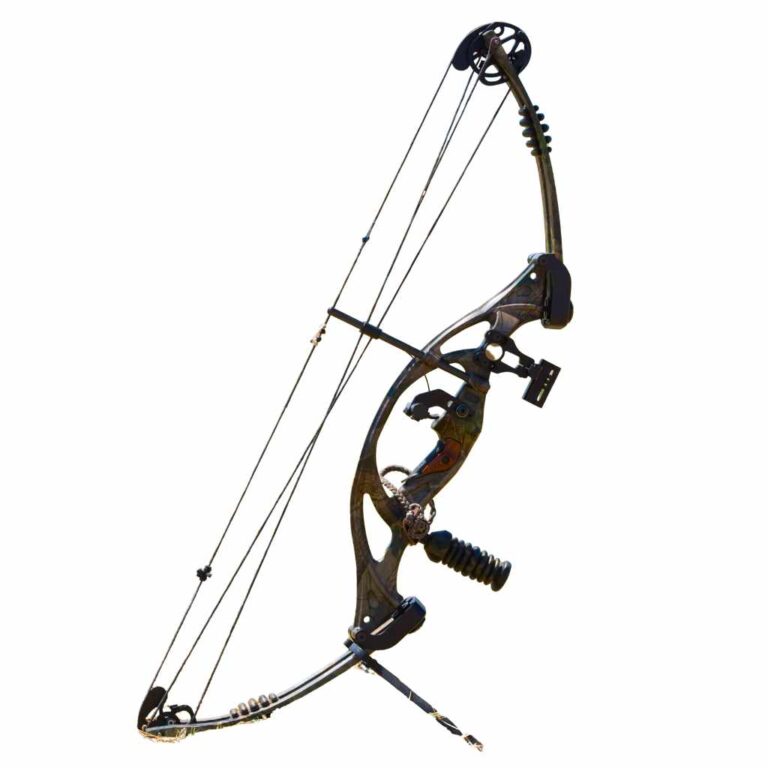
Most compound bows have adjustable draw weights. Manufacturers design them with limbs and cams that can be tweaked. You can often adjust the draw weight by turning limb bolts.
Compound bows usually have a range. For example, a bow may adjust from 40 lbs to 70 lbs. This makes them popular with beginners and experienced archers.
Recurve Bows
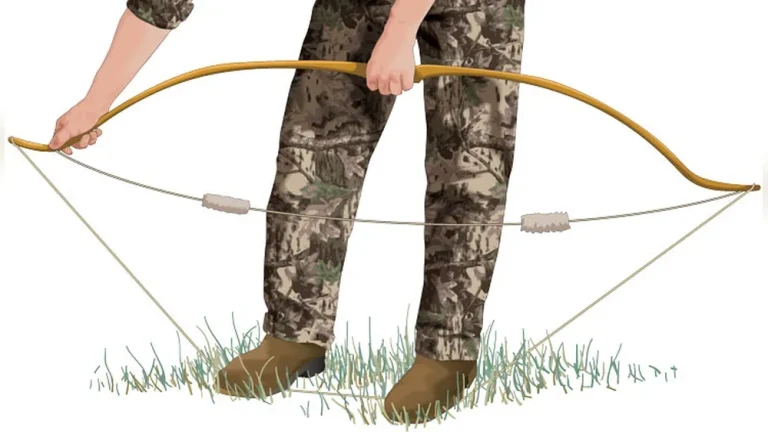
Some recurve bows allow adjustment if they have take-down limbs. You can swap limbs for different weights. However, most traditional recurve bows do not have an easy system for fine-tuning draw weight.
Longbows
Traditional longbows do not offer draw weight adjustment. Their design is simple and fixed. If you want a different draw weight, you must buy a new bow.
Crossbows
Crossbows are different. Most do not allow draw weight adjustment. The mechanism is fixed, and changing draw weight usually means buying another crossbow.
Comparison Of Bow Types And Draw Weight Adjustment
Here’s a quick reference comparing bow types:
| Bow Type | Draw Weight Adjustable? | Adjustment Method |
|---|---|---|
| Compound | Yes | Limb bolts |
| Recurve (Take-down) | Limited | Swap limbs |
| Longbow | No | Buy new bow |
| Crossbow | No | Buy new crossbow |
How Draw Weight Adjustment Works
Adjusting draw weight is simple for compound bows, but can be tricky for other types.
Compound Bow Adjustment
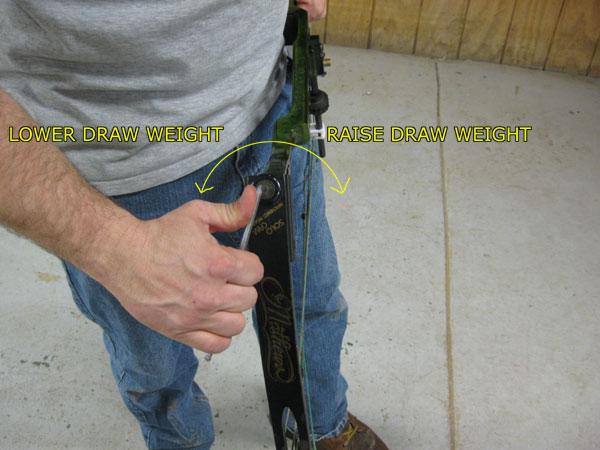
Most compound bows have two limb bolts near the riser. Turning these bolts changes the tension in the limbs.
- To increase draw weight: Turn bolts clockwise.
- To decrease draw weight: Turn bolts counterclockwise.
A typical compound bow allows about 10, 20 lbs of adjustment. Always adjust both bolts equally to keep limb alignment correct.
Recurve Bow Adjustment
If you have a take-down recurve bow, you can change the limbs. Higher poundage limbs increase draw weight. Lower poundage limbs decrease it.
- Remove limbs: Unscrew bolts holding limbs to riser.
- Install new limbs: Attach and tighten bolts.
There’s no fine adjustment; you must buy limbs of the desired weight.
Pro Tip
Always check your bow’s manual before adjusting. Some bows have special tools or instructions.
Why Adjust Draw Weight?
There are several reasons archers adjust draw weight:
- Growing Strength: Beginners often start with low draw weight. As they get stronger, they increase it.
- Changing Activity: Target shooting needs less draw weight than hunting.
- Injury Recovery: If recovering from injury, lowering draw weight helps.
- Tuning for Accuracy: Sometimes, small adjustments improve accuracy.
Adjusting draw weight can make archery more comfortable and enjoyable. In my experience, changing draw weight helped me shoot longer sessions without fatigue.
Tools Needed For Draw Weight Adjustment
To adjust draw weight, you need a few simple tools:
- Allen wrench: Usually needed for limb bolts on compound bows.
- Bow scale: Measures the actual draw weight.
- Limb bolts: Some bows require special bolts; check your manual.
Many beginners skip using a bow scale. This leads to guessing draw weight, which can cause problems. Always use a scale for accuracy.
Step-by-step Guide To Adjusting Draw Weight
Adjusting draw weight is not difficult if you follow the right steps. Here’s how to do it for a compound bow:
- Check Manual: Read your bow’s manual for instructions.
- Get Tools: Prepare an Allen wrench and bow scale.
- Loosen Limb Bolts: To lower draw weight, turn both bolts counterclockwise. For higher draw weight, turn clockwise.
- Adjust Evenly: Turn each bolt the same number of turns. This keeps the limbs balanced.
- Measure Draw Weight: Use a bow scale after each adjustment.
- Test Shoot: Try a few shots. Make sure the new weight feels comfortable.
For a recurve take-down bow:
- Remove Limbs: Unscrew bolts and take off old limbs.
- Install New Limbs: Attach limbs of desired draw weight.
- Check Fit: Make sure limbs are secure.
- Test Shoot: Try a few arrows to check comfort and accuracy.
Credit: shootingtime.com
Common Mistakes In Draw Weight Adjustment
Many beginners make mistakes when adjusting draw weight. These can cause damage or injury.
Over-tightening Limb Bolts
Turning limb bolts too far can damage the bow. Manufacturers set a maximum number of turns. Going beyond this can break limbs or void the warranty.
Uneven Adjustment
Adjusting one limb more than the other makes the bow unstable. Always turn both bolts equally.
Ignoring Draw Weight Range
Every bow has a safe draw weight range. Adjusting outside this range is dangerous.
Not Using A Bow Scale
Guessing draw weight is risky. Use a scale for accuracy.
Example
A friend increased his draw weight beyond the safe limit. The bow limbs cracked, and he had to replace them. Always respect the manufacturer’s limits.
Choosing The Right Draw Weight
The best draw weight depends on your strength, activity, and experience.
For Beginners
Start low, 20 to 30 lbs for adults is common. For youth, 10 to 20 lbs is better. Increase gradually as you gain strength.
For Target Shooting
Target archers use 30, 40 lbs. High draw weight is not needed for accuracy.
For Hunting
Hunters often use 40, 70 lbs. This is needed for ethical shots and deeper penetration.
Comparison Of Draw Weight By Activity
| Activity | Recommended Draw Weight |
|---|---|
| Target Shooting | 30, 40 lbs |
| Small Game Hunting | 35, 45 lbs |
| Big Game Hunting | 45, 70 lbs |
| Youth | 10, 20 lbs |
How Draw Weight Affects Shooting
Draw weight changes how you shoot. Higher draw weight means:
- Faster arrows
- More penetration
- More muscle effort
- Harder to hold steady
Lower draw weight means:
- Easier to shoot
- Less fatigue
- Slower arrows
- Less penetration
If you struggle to pull the bow, accuracy drops. If your draw weight is comfortable, you shoot longer and better.
Safety Tips When Adjusting Draw Weight
Safety is important. Here are tips to keep you safe:
- Follow Manufacturer’s Limits: Never adjust outside the recommended range.
- Use Proper Tools: Don’t force bolts with the wrong tool.
- Check Limbs for Damage: Inspect limbs before and after adjustment.
- Test After Adjustment: Shoot a few arrows to check stability.
Impact On Arrow Selection
Draw weight affects what arrows you use. Higher draw weight requires stiffer arrows. Lower draw weight can use lighter arrows.
Using the wrong arrow can cause:
- Poor accuracy
- Arrow breakage
- Bow damage
Always match arrow spine (stiffness) to your draw weight.
Arrow Spine Chart By Draw Weight
| Draw Weight | Recommended Arrow Spine |
|---|---|
| 20, 30 lbs | 600, 800 |
| 30, 40 lbs | 500, 600 |
| 40, 50 lbs | 400, 500 |
| 50, 70 lbs | 300, 400 |
Non-obvious Insights For Beginners
- Draw weight changes with technique. If you anchor differently, your draw weight can feel higher or lower. Consistency matters.
- Cold weather affects draw weight. In cold conditions, limbs can stiffen, making the bow harder to draw. Adjust accordingly or warm up before shooting.

Credit: www.youtube.com
Should You Adjust Draw Weight Often?
Frequent draw weight changes are not recommended. It’s best to set your bow to a comfortable weight and stick with it. Adjust only if your strength changes, you switch activities, or you recover from injury.
Changing draw weight too often can affect your muscle memory and accuracy.
When Professional Help Is Needed
If you’re unsure about adjusting your bow, seek help from a professional archery shop. They can measure your draw weight, check limb alignment, and give advice. This is especially important for expensive bows.

Credit: www.youtube.com
Legal Restrictions And Draw Weight
Some regions have legal minimum draw weights for hunting. For example, many states in the US require at least 40 lbs for deer hunting. Always check local laws before hunting.
You can find more details at the Minnesota Department of Natural Resources.
Maintaining Your Bow After Adjustment
After you change draw weight, inspect your bow:
- Check limb bolts for tightness
- Inspect limbs for cracks
- Check bowstring for wear
- Lubricate moving parts
Regular maintenance keeps your bow safe and accurate.
Expert Advice For Draw Weight Adjustment
Archery coaches recommend:
- Adjust slowly, one turn at a time
- Test after each adjustment
- Record your settings in a notebook
In my experience, keeping a log helps track what works best. Small changes can make a big difference.
Frequently Asked Questions
Can I Adjust Draw Weight On All Bows?
No. Only compound bows and some take-down recurve bows allow easy adjustment. Traditional longbows and most crossbows have fixed draw weight.
How Do I Know My Ideal Draw Weight?
Try different weights at an archery shop. The best draw weight is one you can pull comfortably for 20, 30 shots without fatigue.
Does Changing Draw Weight Affect Accuracy?
Yes. If the new draw weight is too high, accuracy drops due to muscle fatigue. If it’s too low, you may lose arrow speed and penetration.
What Happens If I Use Arrows With The Wrong Spine?
Using arrows that are too weak or too stiff for your draw weight causes poor accuracy and can damage the arrows. Always match arrow spine to your draw weight.
Should I Consult A Professional Before Adjusting Draw Weight?
Yes, especially if you are new to archery or own an expensive bow. A professional can help you avoid mistakes and ensure your bow is safe.
Adjusting bow draw weight is a practical skill that helps archers of all levels shoot better and more safely. Whether you’re just starting or improving your technique, understanding how to adjust draw weight, why it matters, and how to avoid mistakes makes a big difference.
Remember to use the right tools, follow safety tips, and seek expert help if needed. With careful adjustment, archery becomes more comfortable and enjoyable.