How To Become A Good Bow Hunter
Bow hunting is a discipline that combines skill, patience, and a deep respect for nature. For many, it’s more than just harvesting game; it’s a pursuit of mastery, connection, and ethical hunting practices. Whether you’re drawn by the challenge, the tradition, or the desire to source your own food, becoming a good bow hunter requires dedication, practical knowledge, and continuous improvement.
The path from novice to adept can be daunting, but with the right guidance and mindset, the rewards are extraordinary, both in the field and beyond.
This guide offers a comprehensive roadmap to becoming a proficient bow hunter. From equipment selection and shooting techniques to understanding wildlife behavior, safety, and ethical considerations, you’ll find actionable strategies, real-world examples, and data-driven comparisons. The goal: equip you with the knowledge and confidence to hunt responsibly, maximize success, and enjoy every aspect of bow hunting. Whether you’re setting out on your first hunt or aiming to refine your skills, these insights will help you elevate your practice and embrace the full experience.
Key Takeaways
- Skill development is essential: Regular practice and coaching improve accuracy and confidence.
- Choosing the right equipment ensures safety and effectiveness.
- Understanding wildlife behavior and habitat increases hunting success.
- Ethical hunting practices foster sustainability and respect for nature.
- Safety measures are crucial for personal and public well-being.
- Continuous learning from real-world examples and expert advice leads to mastery.
Credit: barharborstory.substack.com
Selecting And Mastering Bow Hunting Equipment
Choosing the right gear is foundational for any bow hunter. Equipment selection impacts accuracy, comfort, and safety, making it essential to understand the options available.
Types Of Bows: Compound Vs. Recurve Vs. Longbow
Modern bow hunters primarily use compound bows, known for their mechanical advantage and precision. However, recurve and longbows remain popular among traditionalists for their simplicity and challenge.
| Bow Type | Draw Weight Range | Accuracy | Ease of Use | Maintenance |
|---|---|---|---|---|
| Compound Bow | 30, 70 lbs | High | Moderate | Complex |
| Recurve Bow | 20, 60 lbs | Medium | Easy | Simple |
| Longbow | 30, 80 lbs | Low, Medium | Easy | Simple |
Compound bows offer unmatched consistency and are favored for hunting due to their let-off mechanism, which reduces holding weight at full draw. Recurve bows provide versatility and are often used in archery competitions. Longbows deliver historical authenticity and a unique challenge.
Essential Accessories
A well-equipped bow hunter relies on more than just the bow. Key accessories include:
- Arrows: Carbon, aluminum, or hybrid; select based on bow type and game size.
- Broadheads: Fixed or mechanical; ensure sharpness and proper weight.
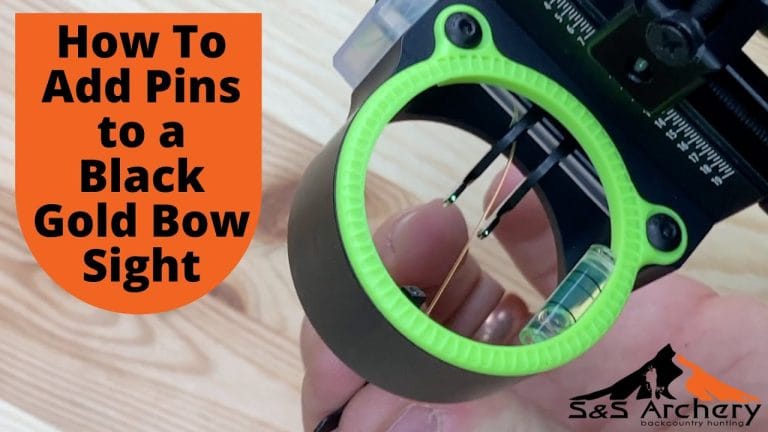
- Sight: Fiber-optic sights enhance aiming.
- Release aid: Especially for compound bows, improves consistency.
- Quiver: Keeps arrows accessible and secure.
- Rangefinder: Measures distance for accurate shots.
- Safety harness: Essential for treestand use.
Tuning And Maintenance
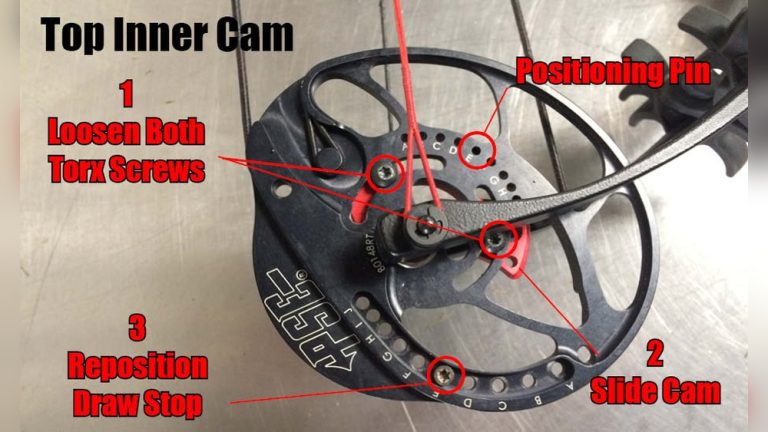
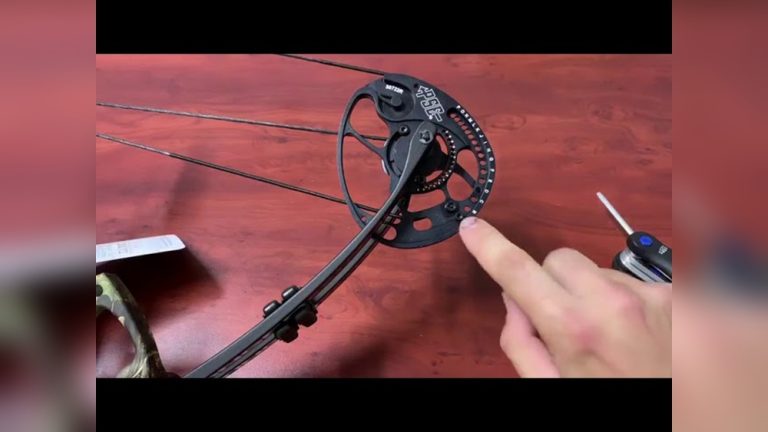
Regular tuning ensures your equipment functions optimally. Adjust sights, check string integrity, and inspect limbs and cams for wear. Cleaning and lubricating moving parts prevent failure in the field.
Pro Tip: Schedule quarterly tune-ups, especially before hunting season, to avoid surprises during critical moments.
Example: Equipment Choices Impact Success
Testing three compound bows with different sights and release aids shows that grouping at 40 yards improves by over 30% with high-quality accessories. Investing in reliable gear pays off with accuracy and confidence.
Credit: www.themeateater.com
Developing Shooting Skills And Accuracy
Skillful shooting is at the heart of effective bow hunting. Consistent practice and proper technique make the difference between a clean harvest and a missed opportunity.
Practice Routines And Drills
Set a regular practice schedule, focusing on:
- Range shooting: Start at 10 yards, gradually extend to 40+ yards.
- Blind bale practice: Shoot at close range with eyes closed to build muscle memory.
- 3D targets: Simulate real hunting scenarios.
- Position drills: Practice from kneeling, standing, and elevated positions.
A study by the National Archery Association found that archers who practiced at least three times weekly saw a 25% improvement in shot placement after two months (National Archery Association).
Proper Form And Release
Good form starts with:
- Stance: Feet shoulder-width apart, balanced.
- Grip: Relaxed hand, avoid torque.
- Anchor point: Consistent placement (corner of mouth or jaw).
- Release: Smooth, controlled motion.
Avoid “punching” the trigger or jerking the bow, these mistakes lead to erratic shots.
Shot Placement And Ethics
Aim for vital zones (heart/lung area) for quick, humane kills. Study anatomical charts for each target species. Ethical shot placement minimizes suffering and maximizes recovery rates.
Example: Improving Accuracy
A bow hunter in Colorado refined his technique by using video analysis of his form. Within six months, he reduced his missed shots from 15% to under 5% during actual hunts, illustrating the value of feedback and practice.

Credit: www.mossyoak.com
Understanding Wildlife Behavior And Habitat
Knowing your quarry is a cornerstone of successful bow hunting. Observing animal patterns, understanding habitat, and using scouting techniques increase your odds dramatically.
Species-specific Knowledge
Each game species, whitetail deer, elk, turkey, or bear, has distinct behaviors. Learn feeding, bedding, and migration habits for your target animal.
- Deer: Prefer edge habitats and move during dawn/dusk.
- Elk: Graze in open meadows, bed in timber stands.
- Turkey: Roost in trees, forage in fields.
- Bear: Follow food sources, use thick cover.
Scouting And Tracking
Successful hunters use:
- Trail cameras: Capture movement patterns.
- Footprints and scat: Identify species and recent activity.
- Calls and decoys: Attract animals during mating or feeding periods.
Scouting before the season allows you to identify high-traffic areas and plan ambush points.
Reading Sign And Environmental Cues
Learn to read rubs, scrapes, tracks, and bedding areas. Weather, wind direction, and terrain influence animal movement.
Pro Tip: Always hunt with the wind in your face to avoid detection; animals rely heavily on scent.
Example: Habitat Knowledge Pays Off
A Michigan bow hunter set up near a heavily used deer trail identified via trail camera footage. He successfully harvested a mature buck after studying the animal’s movement for three weeks, proving the value of patient scouting.
Safety And Legal Considerations In Bow Hunting
Bow hunting is inherently safer than firearms hunting, but risks remain. Responsible hunters prioritize safety and adhere to legal requirements.
Personal Safety Practices
Key safety measures include:
- Treestand safety: Use a harness at all times.
- Arrow handling: Keep arrows covered; avoid nocking until ready to shoot.
- Communication: Let others know your hunting location and expected return.
According to the International Hunter Education Association, treestand falls account for over 50% of hunting-related injuries. Proper harness use reduces risks significantly.
Legal Requirements And Permits
Each state regulates bow hunting differently. Obtain valid licenses and tags, understand season dates, and comply with harvest limits.
- Hunter education: Required in most states before purchasing a license.
- Equipment regulations: Minimum draw weight, broadhead type, and arrow length standards.
- Reporting: Document your harvest as required.
For up-to-date legal information, consult your state’s wildlife agency or resources like Minnesota Department of Natural Resources.
Ethical Hunting Practices
Follow ethical guidelines:
- Fair chase: Avoid using technology that gives unfair advantage.
- Respect property: Obtain permission before hunting private land.
- Leave no trace: Pack out all gear and trash.
Example: Legal Awareness Prevents Issues
A hunter in Texas was fined for using broadheads below the legal minimum size. Reviewing regulations beforehand would have prevented the violation and preserved his hunting privileges.
Planning And Executing A Successful Hunt
A well-planned hunt increases your chances of success and enjoyment. Preparation covers everything from location scouting to logistics and timing.
Pre-hunt Preparation
Steps include:
- Gear checklist: Bow, arrows, first aid kit, camouflage, food, water.
- Physical conditioning: Build stamina with cardio and strength training.
- Map study: Identify terrain, access points, and escape routes.
Choosing Hunting Locations
Public vs. private land comparison:
| Criteria | Public Land | Private Land |
|---|---|---|
| Accessibility | Open to all, crowded | Limited, exclusive |
| Game abundance | Variable | Often higher |
| Regulations | Strict | Flexible |
| Cost | Low | May require fees |
Choose locations based on game density, accessibility, and legal requirements.
Timing And Patience
Animals are most active during dawn and dusk. Arrive early, stay late, and prepare for long periods of waiting. Patience is as vital as skill.
Example: Strategic Planning Leads To Harvest
An Ohio hunter spent weeks mapping deer movements and weather patterns. He timed his hunt after a cold front, capitalizing on increased animal activity, and successfully harvested a trophy buck.
Ethics And Conservation In Bow Hunting
Responsible hunting ensures the sustainability of wildlife populations and preserves the sport for future generations.
The Role Of Conservation
Hunters contribute millions annually to conservation through license fees and excise taxes. According to the U. S. Fish & Wildlife Service, these funds support habitat restoration and research.
- Pittman-Robertson Act: Directs excise taxes from hunting equipment to conservation programs.
- Wildlife management: Controlled harvest maintains healthy populations.
Ethical Harvest And Respect
Ethical hunting means:
- Quick, humane kills: Target vital areas, avoid risky shots.
- Use of harvest: Utilize meat, hide, and antlers.
- Respect for animals: Appreciate the life taken, avoid waste.
Community And Education
Share knowledge, mentor new hunters, and promote ethical practices. Join conservation organizations to stay informed and contribute.
Pro Tip: Participate in hunter education programs to keep skills sharp and promote safety and ethics.
Example: Conservation Success Story
The restoration of wild turkey populations in the US is largely credited to hunter-funded conservation efforts. Numbers rebounded from under 30,000 in the early 1900s to over 7 million today.
Real-world Examples And Case Studies
Learning from others’ successes and challenges accelerates skill development.
Case Study: First-time Success
A beginner bow hunter in Pennsylvania spent months practicing and scouting. He harvested his first deer after carefully selecting a location and waiting for optimal conditions. His patience and preparation paid off, highlighting the importance of discipline.
Case Study: Equipment Upgrade
A seasoned hunter switched from a recurve to a compound bow. His accuracy and confidence improved, resulting in three successful hunts in one season. Upgrading equipment can reinvigorate your hunting experience.
Case Study: Ethical Dilemma
A hunter encountered a wounded animal and chose not to pursue a risky shot. Instead, he tracked and dispatched the animal humanely, demonstrating ethical decision-making.
Example Table: Skill Progression Milestones
| Milestone | Timeframe | Outcome |
|---|---|---|
| Consistent Practice | 3 months | Improved accuracy |
| Scouting and Planning | 2 weeks | Identified key locations |
| Equipment Upgrade | 1 season | Higher success rate |
| Mentoring | Ongoing | Accelerated learning |
Frequently Asked Questions
How Do I Choose The Right Draw Weight For My Bow?
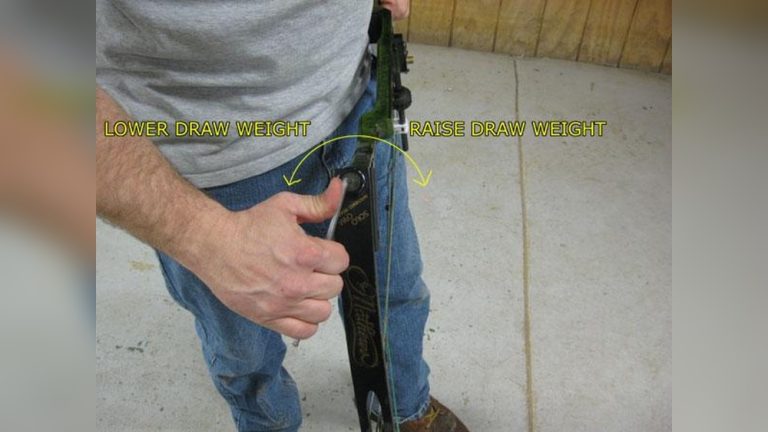
Selecting the draw weight depends on your physical strength, intended game, and state regulations. For most adult hunters, a draw weight between 40, 60 lbs is effective for deer-sized animals. If you’re starting, consult a pro shop for a fitting and consider beginning at a lower weight to build skill and avoid strain.
What Are The Best Ways To Scout For Game Before The Season?
Effective scouting involves a combination of trail cameras, map study, and field observation. Use cameras to monitor animal movements, review aerial maps to identify potential bedding and feeding areas, and spend time in the field noting tracks, rubs, and droppings. Scouting from a distance minimizes disturbance and increases success.
Is Bow Hunting Allowed On Public Land Everywhere?
Not all public lands permit bow hunting, and regulations vary by state and locality. Check with the relevant wildlife agency for permitted areas, season dates, and specific restrictions. Some lands may require special permits or limit hunting to certain zones.
Always verify before planning your hunt.
What Should I Do If I Wound An Animal And Cannot Recover It?
If you wound an animal and fail to recover it, report the incident to local wildlife authorities if required. Continue searching diligently, using tracking skills and enlisting help if possible. Ethical hunters avoid further shots until the situation is resolved, and documenting the event can help improve future decision-making.
How Can I Improve My Patience During Long Hunts?
Building patience is both mental and practical. Bring a comfortable seat, snacks, and reading material. Practice mindfulness techniques to stay focused and positive. Setting realistic expectations and tracking small successes can make long waits more manageable and enjoyable.
A journey into bow hunting is a commitment to skill, ethics, and continuous learning. With the right preparation, respect for wildlife, and dedication to improvement, you’ll not only become a good bow hunter, you’ll gain experiences that last a lifetime.
Remember to seek advice from seasoned hunters, stay current with regulations, and always prioritize safety and conservation. Happy hunting!