How To Bow Hunt Blacktail Deer
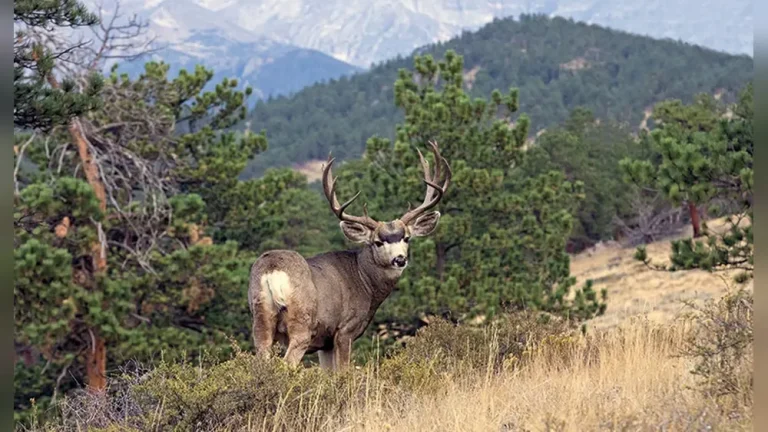
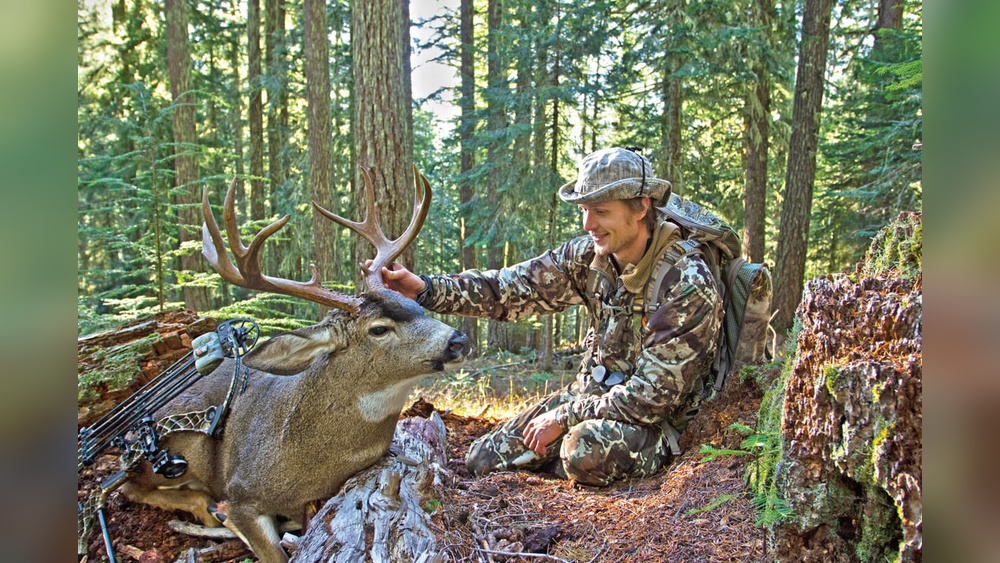
The thrill of pursuing blacktail deer with a bow is a unique adventure that tests every aspect of a hunter’s skill, patience, and knowledge of the wild. These elusive creatures, native to the dense forests and rugged terrain of the Pacific Northwest and California, are known for their wariness and cunning. Unlike their whitetail or mule deer cousins, blacktails are masters of concealment, making bow hunting them a true challenge even for seasoned hunters. Their unpredictable movements, small home ranges, and the thick cover they inhabit demand a thoughtful, strategic approach that blends woodsmanship, marksmanship, and deep respect for the animal.
Bow hunting blacktail deer isn’t just about the shot, it’s a holistic pursuit that begins months before the season opens and continues through the final tracking. From understanding their seasonal habits to selecting the right gear, reading sign, and executing a stealthy approach, every detail matters.
In this comprehensive guide, you’ll learn proven tactics, real-world examples, and expert insights to help you stack the odds in your favor on your next blacktail bow hunt.
Key Takeaways
- Blacktail deer are among the most challenging North American big game species to hunt with a bow due to their elusive nature and dense habitat.
- Scouting, understanding seasonal movements, and adapting to weather conditions are critical for consistent success.
- The right gear setup, including bows, arrows, broadheads, and camouflage, directly impacts your effectiveness in the field.
- Mastering stealth techniques and shot placement is essential for ethical, quick harvests.
- Real-world case studies show that patience, adaptability, and detailed preparation often separate successful hunters from the rest.
Understanding Blacktail Deer Behavior And Habitat
Blacktail Deer Subspecies And Distribution
There are two primary subspecies of blacktail deer: the Columbian blacktail (Odocoileus hemionus columbianus) and the Sitka blacktail (Odocoileus hemionus sitkensis). The Columbian blacktail is found predominantly along the Pacific Coast from Northern California to British Columbia, while the Sitka blacktail ranges across coastal Alaska and British Columbia. Each subspecies adapts to its unique ecosystem, influencing movement patterns and hunting strategies.
Seasonal Patterns And Movements
Blacktails are creatures of habit but respond quickly to environmental changes. In the early season (late summer and early fall), they often frequent open feeding areas at dawn and dusk but retreat quickly to thick cover. As the rut approaches in October and November, bucks become more active during daylight, covering more ground in search of does.
Post-rut, blacktails return to heavy cover, focusing on recovery and security.
Preferred Habitat Features
Blacktails thrive in landscapes with a mix of dense coniferous forests, brushy clearcuts, and rugged terrain. These deer rarely venture far from thick escape cover, using it to evade predators and hunters alike. Key habitat features include:
- Edge habitats between timber and open areas
- Overgrown logging roads and clearcuts with regrowth
- Steep slopes and brushy draws
Senses And Survival Instincts
Blacktails rely heavily on their acute sense of smell and hearing. Their vision is adapted for detecting movement in low light. They are extremely sensitive to pressure and can pattern hunters quickly. Understanding their reliance on cover and escape routes is crucial for planning ambushes and stalks.
Credit: www.bowhunter.com
Pre-season Preparation: Scouting And Planning
Map Study And E-scouting
Before setting foot in the woods, smart hunters turn to digital mapping tools like OnX, Google Earth, and state GIS resources. E-scouting helps identify likely bedding areas, feeding zones, travel corridors, and access routes. Key features to mark include:
- South-facing slopes (early season feeding)
- Creek bottoms (water sources)
- Old logging roads (travel corridors)
Trail Cameras And Sign Interpretation
Deploying trail cameras provides invaluable real-time data on blacktail movement. Place cameras on game trails, funnels, and water sources well before the season. In addition, reading sign, tracks, rubs, scrapes, and droppings, helps confirm active areas and timing.
In-person Scouting And Patterning
Boots-on-the-ground scouting is essential. Focus on low-impact approaches:
- Glass from afar with binoculars or spotting scopes
- Look for fresh tracks and droppings in soft ground
- Note the direction of beds and feeding trails
Pro Tip: Always scout with the wind in your favor to avoid educating deer about your presence.
Hunting Pressure And Access Strategies
Blacktails become increasingly nocturnal and wary with pressure. Seek out hard-to-reach areas, steep ridges, thick timber, and overlooked pockets. Avoid popular access points and consider using boats or bikes for quiet entry.
Credit: www.bowhunter.com
Essential Gear For Bow Hunting Blacktail Deer
Bow And Arrow Setup
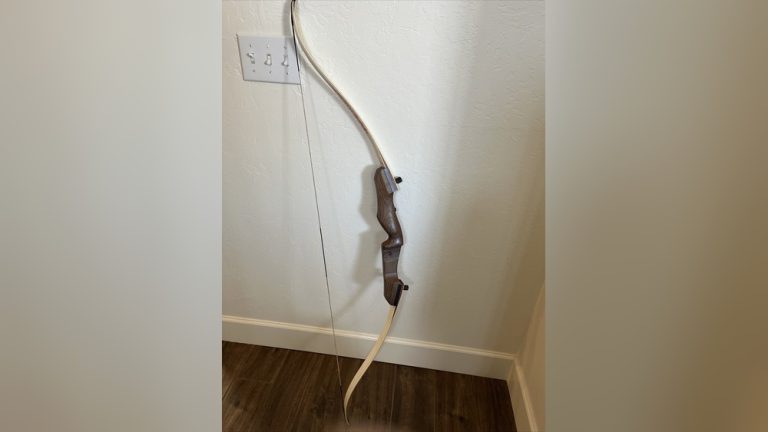
A properly tuned bow is non-negotiable. Most hunters choose a compound bow in the 50-70 pound draw weight range, but traditional recurves or longbows also work if you’re comfortable with their limitations. Key specs:
- Draw weight: 50-70 lbs (compound)
- Arrow length: Matched to draw length
- Broadheads: Fixed-blade or mechanical, 100-125 grains
Arrow selection should focus on durability and penetration. Heavier arrows (400-500+ grains) carry more kinetic energy, crucial for shots through brush or at odd angles.
| Bow Type | Draw Weight Range | Effective Range | Best For |
|---|---|---|---|
| Compound | 50-70 lbs | Up to 50 yards | Precision, versatility |
| Recurve | 40-55 lbs | Up to 25 yards | Traditional hunting, close-range |
| Longbow | 40-55 lbs | Up to 20 yards | Purists, heavy cover |
Camouflage And Clothing
Effective camouflage is key due to the blacktail’s reliance on cover. Choose patterns that match your hunting environment, mossy greens for coastal rainforests, or browns and grays for drier, open country. Layering is essential for Pacific Northwest weather, which can shift rapidly.
Waterproof outerwear and silent fabrics reduce noise and scent.
Boots, Packs, And Accessories
- Waterproof, lightweight boots with aggressive tread for steep, wet terrain
- Compact daypacks for carrying essentials
- Rangefinder for precise distance estimation
- Scent control sprays and storage bags
Optics And Navigation
Quality binoculars (8×42 or 10×42) help spot deer in dense foliage. A GPS or smartphone app with offline maps is invaluable for navigating remote areas and marking sign.

Credit: westernhunter.net
Proven Hunting Tactics For Blacktail Success
Stand Hunting: Tree Stands And Ground Blinds
Tree stands and ground blinds are effective when placed near active trails, feeding areas, or bedding edges. Elevation provides a better view and helps keep your scent above deer level. Ground blinds offer concealment in brushy or open settings.
- Set stands/blinds weeks before hunting to allow deer to acclimate
- Use natural cover to blend in
- Avoid overhunting a single spot to minimize pressure
Still-hunting And Spot-and-stalk
Still-hunting involves moving slowly and quietly through likely habitat, using binoculars to scan ahead. Blacktails often bed in thick cover, so patience and sharp eyes are vital.
- Move only when wind is in your favor
- Pause frequently to scan and listen
- Use terrain features to break your silhouette
Spot-and-stalk is more effective in areas with open ground or clearcuts. Glass from a distance, mark the animal’s location, and plan a route that keeps you out of sight.
Calling And Rattling Techniques
During the pre-rut and rut, blacktail bucks respond to:
- Doe bleats: Simulate estrus does
- Buck grunts: Attract rival males
- Rattling antlers: Mimic fighting bucks
Use calls sparingly and only when conditions are right, too much noise can spook wary deer.
Wind, Thermals, And Scent Control
Understanding wind and thermals is fundamental. Blacktails circle downwind of suspicious sounds or scents. Always hunt with the wind in your face, and consider rising or falling thermals (air movement caused by temperature changes) in hilly areas.
Effective scent control includes:
- Showering with scent-free soap
- Washing clothes in unscented detergent
- Storing gear in airtight containers
Real-world Example: Success In Coastal Oregon
A hunter in coastal Oregon placed a tree stand on the edge of a clearcut bordered by thick alder. After patterning a mature buck with trail cameras, he waited for a consistent wind and entered the stand before first light. The buck appeared at 8:30 am, following a doe. The hunter’s preparation, stand placement, and scent discipline resulted in a clean 20-yard shot.
Reading Sign And Interpreting Blacktail Activity
Identifying Tracks And Trails
Blacktail tracks are smaller and rounder than mule deer. Look for well-worn trails along ridges, creek bottoms, and through dense brush. Fresh tracks indicate recent activity, especially after rain, when old tracks wash away.
Rubs, Scrapes, And Bedding Areas
- Rubs: Bucks mark territory by stripping bark from saplings. Fresh rubs with moist wood indicate recent presence.
- Scrapes: Shallow pawed areas, often with an overhanging branch, signal rutting activity.
- Beds: Depressions in leaves or grass, often on slopes with good visibility and escape routes.
Fresh Vs. Old Sign
Distinguishing recent sign from old is critical. Fresh droppings are moist and dark, while old ones are dry and faded. Rubs with shavings on the ground are new; weathered, faded rubs are from previous seasons.
Example: Tracking After A Rainstorm
After a Pacific Northwest downpour, a hunter found fresh blacktail tracks in soft mud leading into a patch of young fir. Following the trail slowly, he located a bedding doe and eventually spotted a trailing buck, resulting in a successful close-range encounter.
Shot Placement, Ethics, And Recovery
Vital Zones And Shot Angles
The ideal shot is broadside or slightly quartering away, targeting the lungs and heart behind the front shoulder. Avoid head, neck, and hard quartering-to shots, which risk wounding.
| Shot Angle | Recommended? | Reason |
|---|---|---|
| Broadside | Yes | Maximum vital area exposed |
| Quartering Away | Yes | Arrow angles through vitals |
| Head-on | No | Small target, high risk of wounding |
| Quartering To | No | Heavy bone, poor penetration |
Arrow Penetration And Blood Trails
Blacktails are smaller than mule deer but tough. A sharp, durable broadhead is essential for quick kills and easy recovery. After the shot:
- Wait 30-60 minutes before tracking unless you see the deer fall
- Mark the last place you saw the deer and the direction it ran
- Look for blood sign: Bright red (lung), dark (liver), bubbles (lung)
Ethical Considerations
Ethical hunting means only taking shots you are confident in. Practice year-round, know your effective range, and never force shots through heavy brush.
Recovery Tactics
Tracking wounded blacktails can be challenging in thick cover. Move slowly, marking blood with flagging tape. If you lose the trail, circle downwind and grid search the area.
Example: Difficult Recovery In Dense Timber
In the dense redwoods of Northern California, a marginal shot often results in a light blood trail. By carefully marking each spot and moving slowly, I eventually recovered the deer 150 yards from the hit site, demonstrating the importance of patience and methodical tracking.
Timing Your Hunt: Seasonal And Weather Strategies
Early Season Tactics
Early season blacktails are focused on feeding and building fat reserves. Hunt:
- Edges of clearcuts and berry patches at dawn/dusk
- South-facing slopes with abundant forage
- Water sources during hot spells
Deer are less pressured and more predictable, but foliage limits visibility.
Rut And Pre-rut Tactics
The rut (October-November) is prime time for bow hunters. Bucks become less cautious and daylight movement increases. Focus on:
- Doe bedding areas
- Natural funnels and pinch points
- Calling and rattling to attract cruising bucks
Late Season And Post-rut
After the rut, blacktails revert to security mode. They bed in thickest cover and limit movement to dusk and dawn. Target:
- Sunny slopes during cold snaps
- Areas with remaining food sources (acorns, berries)
Weather And Moon Phase Impact
Rainy, windy days can suppress deer movement but mask hunter noise. Clear, calm days often see less daytime activity. While some hunters believe moon phases influence rutting activity, scientific evidence is mixed. Focus more on weather and pressure than the moon.
Example: Adapting To Weather In Washington State
A rainy October morning in western Washington saw minimal deer movement until the weather cleared. As the sun broke through, deer began filtering into a recently logged area, allowing for a successful stalk.
Legal, Conservation, And Safety Considerations
Licensing, Tags, And Regulations
Always consult your state’s wildlife agency for current blacktail hunting regulations. Common requirements include:
- Valid hunting license and tag
- Bowhunting education certificate (in some states)
- Minimum draw weight and broadhead specs
For detailed regulations, refer to the Washington Department of Fish and Wildlife.
Private Vs. Public Land Access
Respect all property boundaries. Secure written permission for private land hunts, and understand public land access rules. Some areas require special permits or have restricted entry dates.
Conservation And Population Management
Blacktail deer are a vital part of the Pacific Northwest ecosystem. State agencies use hunting as a management tool to maintain balanced populations and healthy habitats. Ethical hunters play a critical role by reporting harvests and participating in conservation programs.
Safety Protocols And Emergency Preparedness
Hunting in remote, rugged terrain carries risks:
- Always tell someone your plans and expected return
- Carry a first aid kit, extra food, and water
- Know basic navigation and survival skills
- Dress in layers to prevent hypothermia
Pro Tip: Carry a whistle and signal device in case of emergency.
Frequently Asked Questions
How Does Blacktail Deer Behavior Differ From Whitetail Or Mule Deer?
Blacktail deer are generally more reclusive and occupy denser cover than whitetail or mule deer. Their home ranges are smaller, and they are less likely to travel long distances, making them harder to pattern but more predictable once you locate their core area.
They are also more sensitive to hunting pressure and quickly adapt their movements when disturbed.
What Is The Best Time Of Day To Hunt Blacktail Deer With A Bow?
The most productive times are typically the first and last 90 minutes of daylight, when blacktails move between bedding and feeding areas. During the rut, midday movement can increase, especially if does are active. Overcast or rainy conditions can also extend movement periods into daylight hours.
Are There Special Broadheads Recommended For Blacktail Deer?
Both fixed-blade and mechanical broadheads work well, as long as they are sharp and reliable. Fixed-blade broadheads are preferred by many for their durability and consistent penetration, especially in heavy cover. Mechanical broadheads offer larger cutting diameters but require careful shot placement and sufficient arrow energy.
How Can I Improve My Stealth In Wet, Noisy Conditions?
In wet conditions, natural sounds mask your movement, but slick rain gear can be noisy. Choose soft-shell or fleece outer layers for still-hunting, and move slowly with deliberate steps. Use the natural breaks in wind and rain to cover your approach, and avoid stepping on sticks or dry debris whenever possible.
What Should I Do If I Wound A Blacktail Deer And The Blood Trail Disappears?
If the trail vanishes, mark the last blood with tape or a GPS point, then wait quietly for at least 30 minutes. Begin a slow, methodical search in concentric circles from the last sign, focusing on thick cover and downhill routes.
Consider enlisting help, and never give up the search prematurely, blacktails may travel significant distances before bedding down.
References
- USDA Forest Service: Black-tailed Deer
- Washington Department of Fish and Wildlife
Bow hunting blacktail deer is a pursuit that rewards the most dedicated, patient, and adaptable hunters. Each outing offers new lessons in woodsmanship, wildlife behavior, and self-reliance. By combining careful preparation, the right gear, and an understanding of blacktail habits, you can increase your chances of success and deepen your connection to the wild places these remarkable deer call home.
Happy hunting, and may your next blacktail adventure be both challenging and rewarding.