What is Formula Olympic Archery? Rules, Scoring & Key Facts
Every four years, millions of eyes turn to a quiet, focused sport that combines tradition, precision, and nerves of steel: Olympic archery. Unlike the bows and arrows from fairy tales or hunting stories, Olympic archery has a strict set of rules, a unique format, and a fascinating blend of ancient heritage and modern technology. But what exactly is Formula Olympic Archery? How is it different from other types of archery, and why does it capture the imagination of fans and athletes worldwide? This article will guide you through all aspects of the Olympic archery formula, its structure, rules, history, and what makes it so special.
The Basics Of Olympic Archery
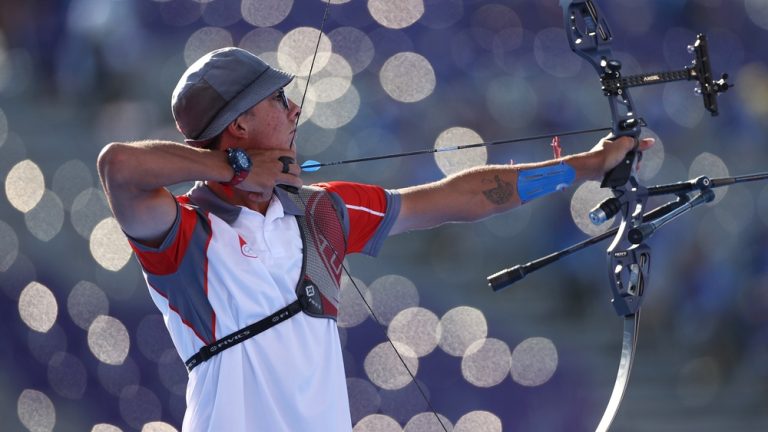
Olympic archery is not just about shooting arrows at a target. It’s a highly regulated sport with international standards. Athletes use a recurve bow, the only bow allowed in the Olympics, and compete on a level playing field, regardless of nationality or background.
Each competitor stands 70 meters away from a circular target. The target measures 122 centimeters in diameter and has ten concentric scoring rings, with the innermost gold ring (the “10”) as the highest score. Every arrow counts, and the pressure is intense.
Key Elements Of The Olympic Formula
- Recurve bow only: No compound or traditional longbows are allowed.
- Standardized equipment: All archers must follow strict regulations for their gear.
- 70-meter distance: Both men and women shoot from this exact range.
- Timed shots: Archers get a fixed amount of time to shoot each arrow.
- Match play format: Individual and team matches follow a set structure, making the competition easy to follow and fair.
History And Evolution Of Olympic Archery
The roots of archery go back thousands of years, but its Olympic story is modern. Archery first appeared in the Olympic Games in 1900, then disappeared for decades due to inconsistent rules. It returned permanently in 1972, thanks to the creation of international standards.
The World Archery Federation (WA), formerly FITA, established the rules that define the Olympic format. Since then, the sport has grown in popularity and professionalism.
Milestones In Olympic Archery
- 1900: Archery debuts at the Paris Olympics.
- 1920: Archery is dropped due to lack of standard rules.
- 1972: Reintroduced with unified rules and recurve-only bows.
- 1988: Team events added.
- 2012: Mixed team introduced as a demonstration.
The format has evolved, but the essence remains: skill, focus, and the ability to perform under pressure.
Understanding The Competition Structure
When people talk about the “formula” of Olympic archery, they mean the official structure that governs every aspect of the competition. This includes how matches are set up, how archers qualify, and how medals are decided.
Qualification And Ranking Round
Before the main event, all archers compete in a ranking round. Each archer shoots 72 arrows, and their total score determines their seed in the elimination bracket. Higher scores earn better seedings, which can be a strategic advantage.
Elimination Rounds
After the ranking round, the real drama begins. Archers face off in head-to-head matches. The winner advances; the loser is eliminated.
Matches use the set system:
- Each set consists of three arrows per archer.
- The highest score in a set earns two points; a tie gives one point each.
- The first to six set points wins the match.
- If tied after five sets, a single-arrow shoot-off decides the winner.
This system rewards consistency and nerves. Even if an archer starts poorly, they can recover by winning later sets.
Team And Mixed Team Events
Olympic archery also features team competitions:
- Men’s team: Three male archers per country.
- Women’s team: Three female archers per country.
- Mixed team: One man and one woman from each country.
Team matches follow a similar set system, with each member shooting two arrows per set.
Essential Equipment In Olympic Archery
The equipment formula is tightly controlled to ensure fairness. Every piece must meet exact specifications set by the World Archery Federation.
The Recurve Bow
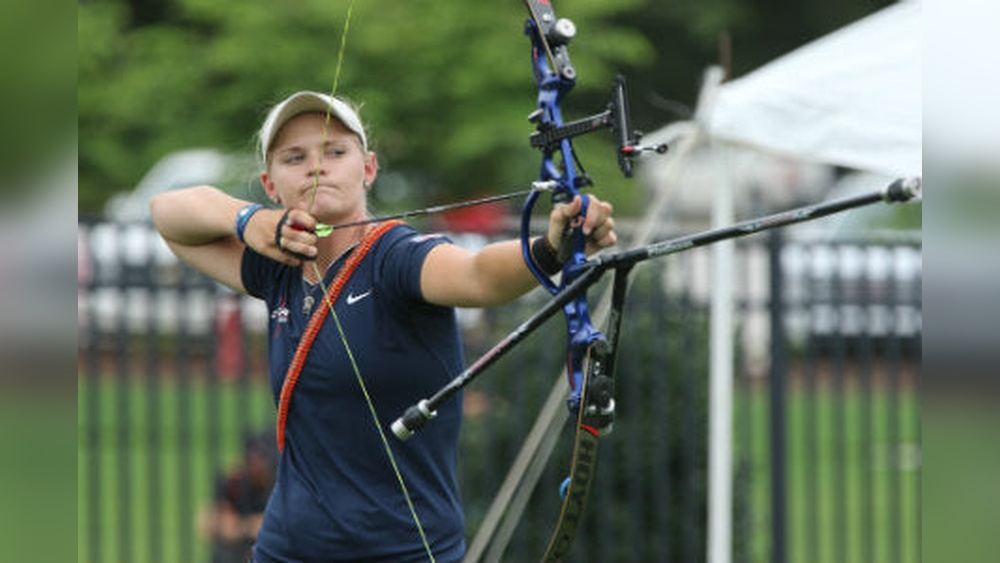
The only bow allowed in Olympic competition is the recurve bow. Its limbs curve away from the archer when unstrung, creating more power and speed.
Key features:
- Made from carbon, wood, or fiberglass.
- Equipped with a sight for aiming.
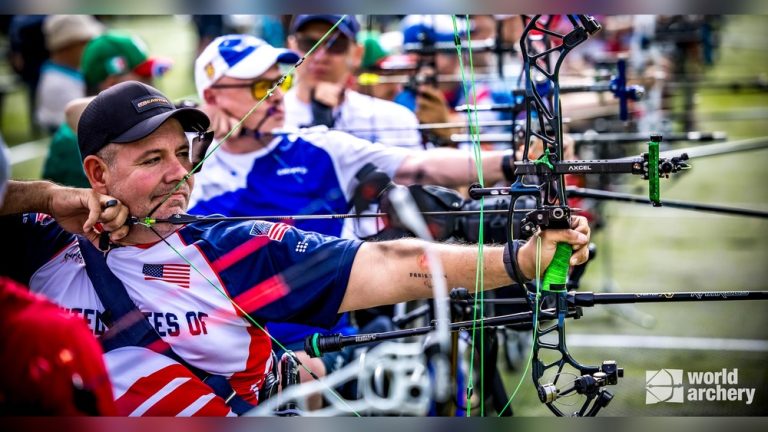
- Stabilizers help balance the bow.
- Clickers ensure consistent draw length.
Arrows
Olympic arrows are lightweight but strong, usually made from carbon or aluminum. Each arrow has an exact weight, length, and tip shape.
Other Gear
- Finger tab: Protects the fingers during release.
- Arm guard: Prevents the string from hitting the forearm.
- Chest guard: Keeps clothing clear of the string.
Pro Tip: In my experience, the smallest difference in arrow weight or bow tuning can change the outcome of a shot at 70 meters. Many beginners underestimate how sensitive Olympic gear is.
The Scoring System: How Points Are Won
Olympic archery’s scoring is simple but ruthless. The target is divided into ten rings, each worth 1 to 10 points. The closer to the center, the higher the score.
Here’s a quick breakdown of the target:
| Ring Color | Score | Diameter (cm) |
|---|---|---|
| Gold (Inner) | 10 | 12.2 |
| Gold (Outer) | 9 | 24.4 |
| Red | 8, 7 | 36.6, 48.8 |
| Blue | 6, 5 | 61.0, 73.2 |
| Black | 4, 3 | 85.4, 97.6 |
| White | 2, 1 | 109.8, 122.0 |
Each arrow’s score is added for each set, and set points decide the match. In team events, all arrows from each member are combined per set.
Comparison: Olympic Archery Vs. Other Archery Types
Olympic archery is just one style among many. How does it compare to other popular formats like compound archery or field archery?
| Feature | Olympic Archery | Compound Archery | Field Archery |
|---|---|---|---|
| Bow Type | Recurve only | Compound only | Recurve or compound |
| Distance | 70 meters | Varies, up to 50 meters | Varied, outdoors |
| Scoring | 10-ring target, set system | 10 or 6-ring target, cumulative | Multiple targets, terrain |
| Venue | Outdoor stadium | Outdoor or indoor | Woodland/fields |
| Olympic Event? | Yes | No | No |
Olympic archery is strict and standardized, while other forms allow more variety in bows, distances, and formats. This makes Olympic archery both challenging and fair.
The Mental And Physical Demands
Archery may look calm, but the Olympic formula is both mentally and physically tough. Competitors must combine strength, focus, and emotional control.
Physical Demands
- Upper body strength: Drawing a recurve bow hundreds of times per day builds muscle.
- Stamina: Competitions last several hours.
- Coordination: Fine motor skills are essential for aiming and releasing.
Mental Challenges
- Focus under pressure: The crowd is silent, but the stakes are high.
- Routine and ritual: Archers develop strict shot routines to maintain consistency.
- Dealing with setbacks: One bad arrow can cost a match, so archers must reset quickly.
Example: At the 2016 Rio Olympics, Korean archer Ku Bon-chan showed perfect composure, shooting a 10 in a one-arrow shoot-off to win gold. His calm routine under pressure is studied by archers worldwide.
Training For Olympic Archery
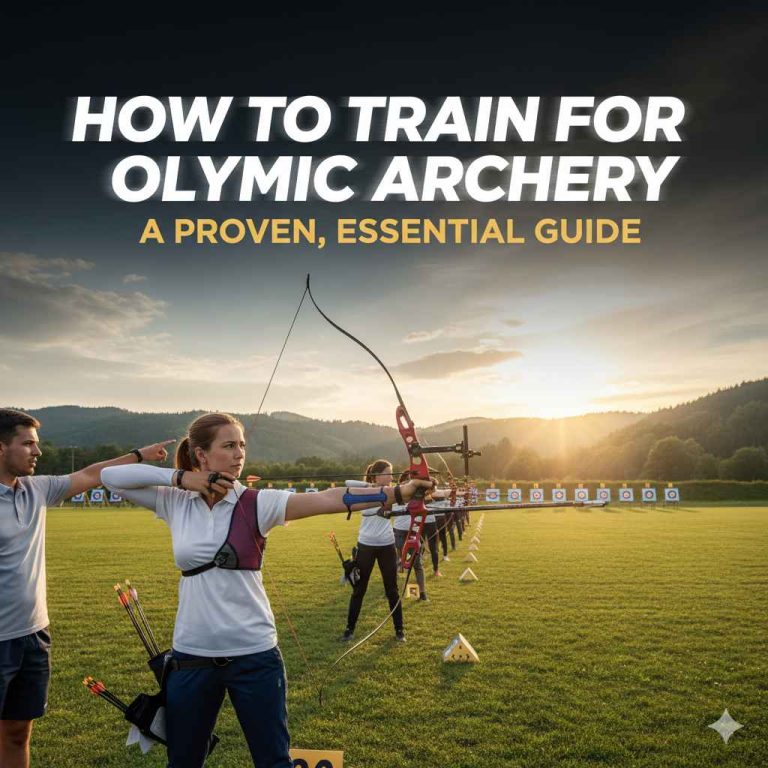
Becoming an Olympic archer is a long journey. Most start in childhood and train for years.
Key Elements Of Training
- Technical skill: Repeated practice of the shooting form.
- Strength training: Building muscles used in drawing and holding the bow.
- Mental preparation: Visualization, meditation, and focus exercises.
- Equipment tuning: Learning to adjust the bow for weather and personal style.
Typical Training Day
Many Olympic hopefuls practice six days a week, shooting 200, 300 arrows per session. They also review video footage, work with coaches, and compete in local and international tournaments.
Pro Tip: Beginners often focus only on hitting the target. Experienced archers spend just as much time on their mental game, developing routines to handle nerves and distractions.
Strategies And Tactics In Olympic Archery
Winning at the Olympics is not just about raw skill. The formula also tests an archer’s strategy.
Adapting To Weather
Wind and rain are constant threats. Archers must adjust their aim and timing. Some even use wind flags on the range to judge conditions.
Shot Timing
With a time limit for each arrow (20 seconds in matches), archers must stay calm. Rushing leads to mistakes, but going too slow risks a penalty.
Psychological Warfare
In head-to-head matches, archers can feel pressure from a rival’s fast or slow pace. Staying focused on one’s own routine is key.
Example: At the Tokyo 2020 Olympics, Mete Gazoz of Turkey won gold by staying calm under pressure, even when his opponent was ranked higher and the crowd was noisy.
The Role Of Technology And Innovation
Olympic archery is not stuck in the past. Modern technology plays a big part in training and equipment.
Equipment Advances
- Carbon-fiber limbs: Lighter and more consistent than wood.
- Precision sights: Allow for micro-adjustments.
- High-tech arrows: Designed for minimal wind drift.
Training Tools
- Slow-motion cameras: Help analyze technique.
- Electronic scoring systems: Speed up results and reduce errors.
- Wind simulators: Let archers practice in controlled conditions.
Example: The Korean national team uses advanced biomechanics labs to measure every aspect of an archer’s form, giving them a competitive edge.
Olympic Archery Around The World
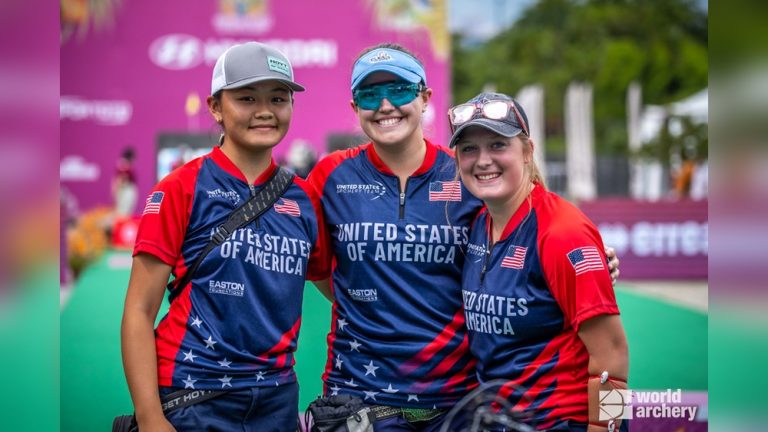
While South Korea dominates Olympic archery, the sport is growing globally. Countries like the United States, Italy, and Mexico have strong programs.
Popularity And Growth
- South Korea: Known for producing top champions.
- Europe: Italy and France have invested in youth programs.
- Americas: The US and Mexico have produced medalists.
More countries are investing in archery clubs and coaching, making the Olympic formula more competitive each year.
Gender Equality
Olympic archery is one of the few sports with full gender equality:
- Equal events and medals for men and women.
- Mixed team event encourages cooperation.
Common Mistakes And Beginner Misunderstandings
New archers often misunderstand the Olympic formula. Here are two mistakes I’ve seen as a coach:
- Focusing only on accuracy: Hitting the gold is important, but consistency and set play matter more. One perfect shot can’t make up for several misses.
- Ignoring mental training: Many beginners don’t realize the importance of focus and routine until they compete.
Pro Tip: Don’t get discouraged by early results. Even Olympic champions started with missed targets and shaky hands.
Olympic Archery: Facts And Records
Some records and facts show the high standard of this sport:
| Record | Holder | Details |
|---|---|---|
| Highest 72-arrow ranking round (Men) | Kim Woo-jin (South Korea) | 700 points (2016 Olympics) |
| Most Olympic gold medals (Individual) | Kim Soo-nyung (South Korea) | 4 golds (1988, 2000) |
| Youngest gold medalist | Denise Parker (USA) | 14 years old (1988, Team event) |
How To Watch And Appreciate Olympic Archery
If you want to enjoy Olympic archery, it helps to understand what to look for:
- Watch the shooter’s routine before each arrow.
- Notice how teams support each other during matches.
- Pay attention to how archers adjust for wind or pressure.
- Follow the storylines, many archers have years of training behind each shot.
Live broadcasts often include expert commentary that explains the small details.
How To Get Started In Olympic Archery
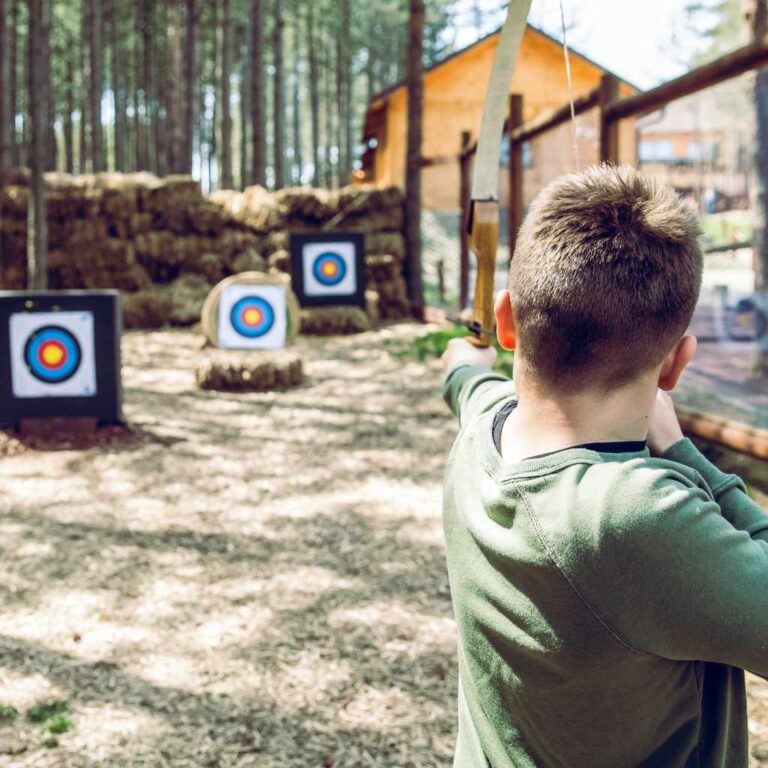
If the Olympic formula inspires you, you can try archery at a local club. Most clubs offer beginner lessons and have recurve bows to rent.
Steps To Start
- Find a club: Look for one affiliated with your national archery federation.
- Take a beginner course: Learn safety, form, and basic rules.
- Practice regularly: Consistency is key, even for fun.
- Upgrade equipment slowly: Start with club gear before buying your own.
Warning: Always follow safety