Is Archery Hard to Make Olympics? Tips to Qualify Faster
Archery captures the imagination of many, whether you picture Robin Hood, Olympic champions, or simply enjoy the feel of drawing a bowstring. But for those who dream of standing on the Olympic archery line, the path looks long and challenging. How hard is it, really, to make the Olympics in archery? The answer is more complex than just “very hard” or “not so hard.” It depends on skill, training, resources, and sometimes, a bit of luck. Let’s explore what it actually takes to reach the Olympics as an archer, from beginner level to that moment when your arrow flies at the world’s highest stage.
Understanding Olympic Archery
Archery in the Olympics is a specialized discipline. Only recurve archery is included in the Olympic Games, even though other styles like compound and traditional archery are popular worldwide. The competition uses a 70-meter distance, with a target only 122 cm in diameter. The bullseye, the gold ring, is just 12.2 cm wide. Hitting it even once is hard; doing it consistently under pressure is another level entirely.
The Olympic format has both individual and team events. Athletes compete through ranking rounds, then head-to-head elimination matches. The pressure is intense. One poor shot can end years of preparation.
The Journey: From Beginner To Olympic Hopeful
Most Olympic archers start young. Many pick up a bow before age 12, but some begin later and still reach high levels. Early years focus on basic technique: stance, grip, anchor point, and release. It is not just about strength or eyesight; it’s about developing repeatable form and mental focus.
After basic skills, archers enter local competitions. They learn to handle pressure, distractions, and weather. Coaches play a huge role in this stage, helping athletes build good habits and avoid injuries.
As skills grow, archers join regional and national events. Selection for national teams often happens in the teenage years. Many Olympic-level archers are on national squads by their late teens or early 20s. Some countries, like South Korea, have structured youth development programs and deep talent pools.
Pro Tip: Consistency matters more than “talent.” Coaches look for archers who can shoot strong scores every day, not just personal bests once in a while.
Training Demands And Time Commitment
Olympic hopefuls train much more than casual archers. A typical high-level archer practices 4 to 6 days a week. Sessions last 2 to 6 hours, often split between physical training, technique, and mental conditioning.
How Olympic Archers Structure Their Week
- Technical Shooting: 200, 400 arrows per session
- Physical Training: Core, back, shoulder, and cardio workouts
- Mental Training: Visualization, focus drills, breathing exercises
- Equipment Tuning: Adjusting bows, arrows, and sights for maximum accuracy
- Competition Simulation: Practicing with timers, scoring, and distractions
High school and college-age archers often balance this with studies. Some take online courses or attend schools with flexible schedules. In countries where archery is a top sport, such as South Korea, special schools support athlete training.
What Makes Olympic Archery So Difficult?
Reaching the Olympics in any sport is hard, but archery has unique challenges:
1. Small Margins Of Error
At 70 meters, a tiny mistake in release or aim sends the arrow far from the bullseye. Olympic-level archers must be nearly perfect, shot after shot.
2. Intense Competition For Spots
Each country has limited quota spots, usually just 3 men and 3 women per nation. Even if you’re one of the best in your country, you might not make the team if others perform better at selection trials.
3. Mental Pressure
Archery is as much a mental game as a physical one. Anxiety, nerves, and focus lapses can ruin a competition. Olympic archers train with sports psychologists to handle pressure.
4. Access To Resources
Not all countries have equal training facilities, coaching, or funding. In nations with smaller programs, athletes may struggle to find top-level coaches or get enough competition experience.
5. Long-term Dedication
Most Olympic archers spend 8, 12 years reaching the top. Progress is slow. There are plateaus and setbacks, injuries, slumps, or even burnout.
6. Equipment Demands
A top-level recurve setup can cost over $2,000, and archers often need multiple sets for travel or emergencies. Equipment must be carefully maintained and tuned.
7. International Qualification System
It’s not enough to be the best in your country. You must earn a quota spot at international tournaments, such as the World Archery Championships or continental qualifiers.

Credit: www.usarchery.org
Comparing Olympic Archery Difficulty To Other Sports
To understand how hard it is, let’s compare Olympic archery to a few other well-known sports.
| Sport | Global Participants | Olympic Quota Spots | Typical Years to Elite Level | Major Barriers |
|---|---|---|---|---|
| Archery | 5-10 million | 128 (total) | 8-12 | Precision, mental pressure, funding |
| Swimming | 30 million+ | 900+ | 8-12 | Physical, competition depth |
| Track & Field | Millions | 2000+ | 8-12 | Physical, depth, injuries |
| Gymnastics | 10 million+ | 320 | 10-15 | Injury, early specialization |
Archery is less popular than swimming or track, but the number of Olympic spots is much smaller. This makes it highly competitive, especially in countries with strong programs.
Olympic Archery Qualification Process
The path to the Olympics has several steps:
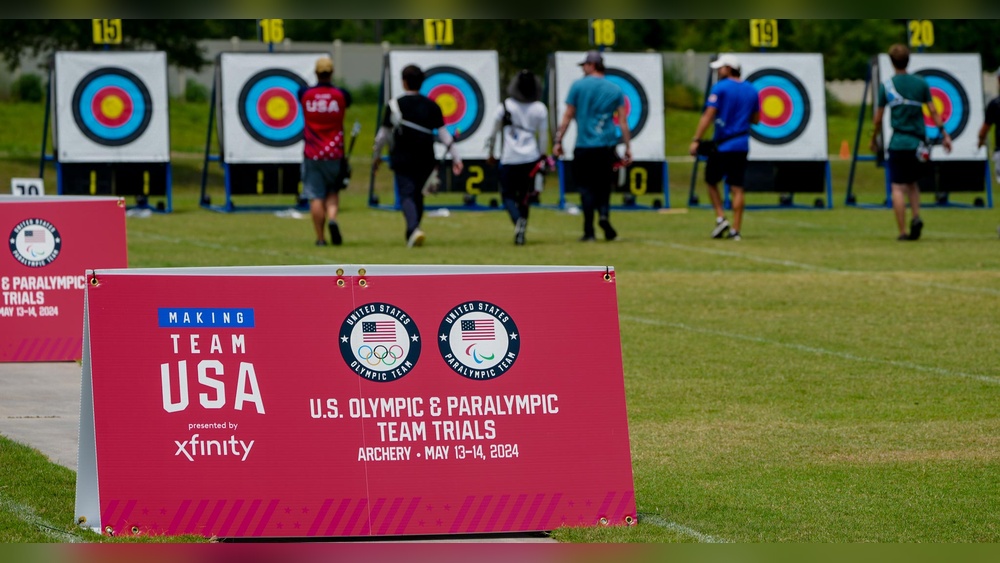
- National Trials: Each country holds selection events. Only the top archers make the national team.
- International Qualifiers: Teams or individuals must earn quota spots at events like the World Archery Championships, Continental Games, or Final Qualification Tournaments.
- Olympic Selection: If a country wins quota places, it selects its final team, sometimes based on a separate trial.
Example: South Korea’s Selection
South Korea has the world’s strongest archery program. Their national team trials are tougher than some international competitions. Even world champions sometimes fail to make the Olympic squad.
Key Insight
Making the Olympics often requires not just being a national champion, but performing at your peak during trials, which happen every 2, 4 years.
Typical Training Costs And Support
Training for the Olympics is expensive:
- Coaching fees: Private lessons can cost $50, $100 per hour.
- Equipment: A full setup (bow, arrows, sights, accessories) can cost $2,000, $4,000.
- Travel: Competing in national and international events requires frequent travel.
- Facilities: Range fees or club memberships add up.
Some countries support athletes with stipends, coaching, and training centers. In others, athletes pay most costs themselves. Sponsorships are rare outside the top ranks.
Training Costs Comparison
| Item | Yearly Cost (Low Estimate) | Yearly Cost (High Estimate) |
|---|---|---|
| Coaching | $2,000 | $8,000 |
| Equipment | $500 | $2,000 |
| Travel & Tournaments | $1,000 | $6,000 |
| Range Fees | $300 | $1,000 |
Pro Tip: Some archery clubs offer scholarships or reduced fees for junior athletes with high potential.
The Role Of National Archery Programs
Countries with strong archery traditions, like South Korea, China, the USA, Italy, and France, have national training centers. These programs offer:
- Full-time coaching
- Sports science support (physiotherapy, psychology, nutrition)
- Regular competition
- Financial support (stipends, travel funding)
In contrast, athletes from smaller programs may have to train alone, pay their own way, and travel abroad for top-level competition.
Success Story: South Korea
South Korea’s dominance in Olympic archery is legendary. Since 1984, Korean women have won every individual gold medal. The country’s system combines school archery programs, scientific coaching, and tough selection trials. The result: a steady stream of world-class archers.

Credit: www.nytimes.com
Mental Skills: The Hidden Challenge
Physical skill is not enough. Olympic archers must master their minds. Archery requires calm, focus, and the ability to reset quickly after mistakes.
Techniques Used By Top Archers
- Visualization: Picturing the perfect shot before drawing the bow.
- Breathing control: Using deep breaths to stay calm under pressure.
- Routine building: Doing the same process every shot to reduce nerves.
- Self-talk: Positive phrases to build confidence and block out distractions.
In my experience, even talented archers can struggle with the mental side. I’ve seen great shooters lose matches to nerves or lose focus in big moments. Working with a sports psychologist can make a big difference.
Common Misconceptions About Olympic Archery
Many believe archery is just about aiming well. But there are several misunderstandings:
- It’s all about eyesight.
- Actually, focus, form, and mental strength matter more than 20/20 vision.
- Strength is the key.
- While strong muscles help, too much tension ruins accuracy. Good archers use relaxed power.
- You need to start as a child.
- Early training helps, but some Olympic archers started in their late teens or twenties.
- Winning small tournaments is enough.
- Local wins are steps, but international experience is crucial.
- It’s a solo sport.
- Even in individual events, archers rely on coaches, trainers, and teammates for support.
Realistic Odds: How Many Make It?
Every four years, about 128 archers compete at the Olympics. In the US alone, there are thousands of competitive archers. Globally, the number is even higher.
The odds depend on your country and gender. In a strong country, the bar is higher. In countries with smaller archery programs, it might be easier to qualify, but harder to compete for medals.
Global Representation At Olympics
| Continent | Typical Number of Countries Represented | Notable Teams |
|---|---|---|
| Asia | 8-12 | South Korea, China, Japan, India |
| Europe | 10-15 | Italy, France, Germany, Russia |
| Americas | 6-10 | USA, Mexico, Brazil |
| Africa | 2-4 | Egypt, South Africa |
| Oceania | 2-3 | Australia, New Zealand |
Non-obvious Insights For Aspiring Olympians
1. International Experience Matters: Traveling for tournaments, facing unknown competitors, and shooting in different conditions build mental toughness. Many archers who focus only on local events struggle when they step onto the world stage.
2. Adaptability is Crucial: Archers who can adjust quickly to wind, rain, or unexpected delays perform better at big events. Practicing in different environments, indoors, outdoors, in the rain, prepares you for anything.
3. Networking Opens Doors: Connecting with coaches, national team members, and sponsors can provide opportunities and advice that aren’t found in books or videos.
4. Plateaus Are Normal: Progress is not always steady. Many archers hit long plateaus before making breakthroughs. Patience and smart adjustments are essential.
5. Small Injuries Can End Careers: Overuse injuries are common. Early treatment and careful physical training keep careers on track.

Credit: www.usarchery.org
Is It Worth The Effort?
The journey to the Olympics in archery is long, demanding, and sometimes frustrating. Most who try will not make it. But the process builds resilience, discipline, and friendships. Even those who fall short often find success in coaching, judging, or growing the sport.
Olympic archery is hard to reach, but not impossible. With structured training, support, and a willingness to learn from setbacks, talented archers can rise to the world stage.
If you are considering this path, start with local clubs, find a good coach, and set realistic goals. Be ready for years of hard work. Celebrate small wins. And remember: the Olympic dream is not just about medals, it’s about becoming the best version of yourself.
For more on Olympic archery and qualification details, see the official Archery at the Summer Olympics page.
Frequently Asked Questions
What Age Do Most Olympic Archers Start Training?
Many begin between ages 8 and 12, but some start later. The key is consistent training and access to good coaching, not just early specialization.
Can Someone Make The Olympics In Archery Without A National Training Program?
It is possible, but much harder. National programs provide coaching, funding, and competition experience. Without these, athletes must seek out opportunities independently, which can limit progress.