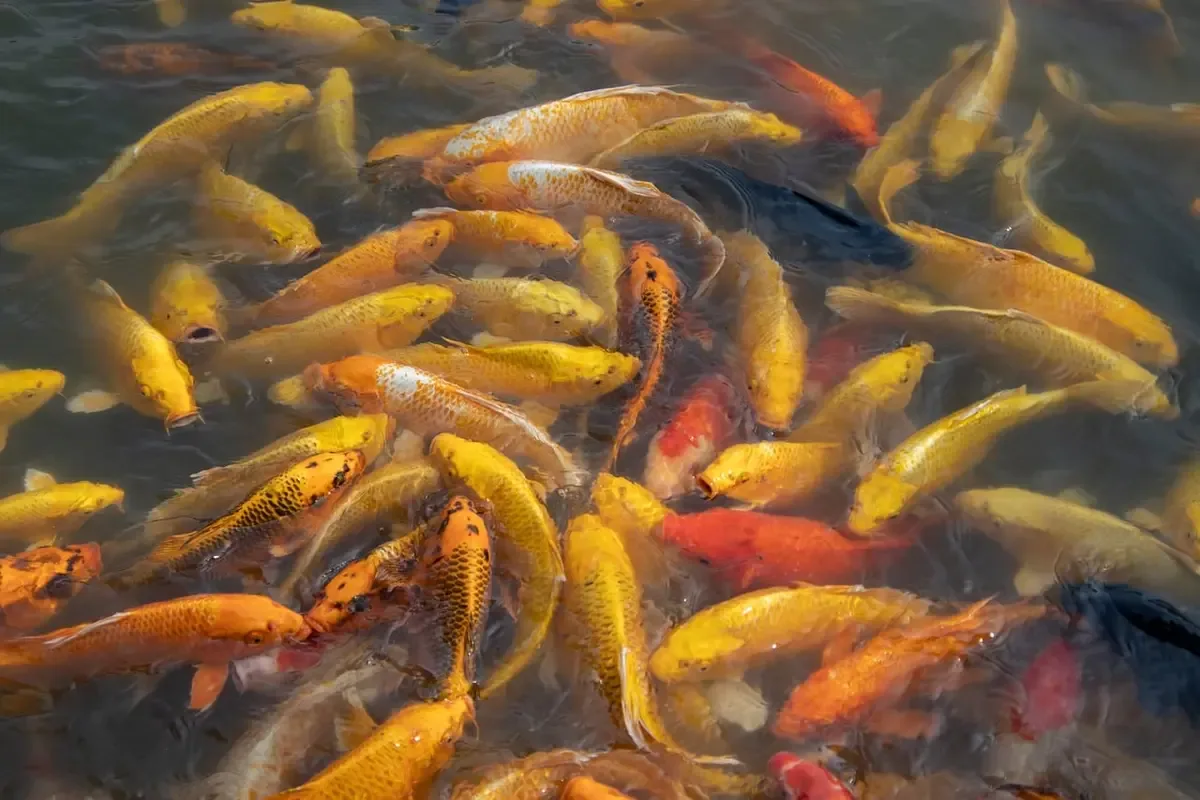
How To Bow Fish Carp
Bowfishing for carp is a thrilling combination of archery, fishing, and the challenge of pursuing an invasive species that puts up a fight. Whether you’re an avid angler seeking a new adventure or a bowhunter looking to extend your season, bowfishing carp can deliver both excitement and a sense of stewardship for local waterways.
With their abundance, size, and the positive environmental impact of reducing their population, carp are the quintessential target for beginners and seasoned bowfishers alike.
The sport has grown in popularity across North America, offering unique experiences on rivers, lakes, and even urban canals. Yet, effective bowfishing requires more than just shooting arrows into the water, it demands preparation, skill, respect for regulations, and an understanding of carp habits.
This guide provides a comprehensive, step-by-step approach to mastering the art of bowfishing carp, covering gear selection, scouting, technique, safety, and practical tips drawn from real-world success stories.
Key Takeaways
- Bowfishing for carp merges archery and fishing, targeting an invasive species that’s widely available and challenging.
- Success hinges on choosing the right gear, understanding carp behavior, and following local regulations.
- Techniques like compensating for refraction, stealthy stalking, and optimal shot placement dramatically increase your chances.
- Real-world case studies and expert tips help new and experienced bowfishers improve their skills.
- Safety, ethical harvest, and environmental stewardship are central to responsible bowfishing.
- A well-planned trip, with the right preparation and mindset, turns bowfishing into a rewarding outdoor pursuit.
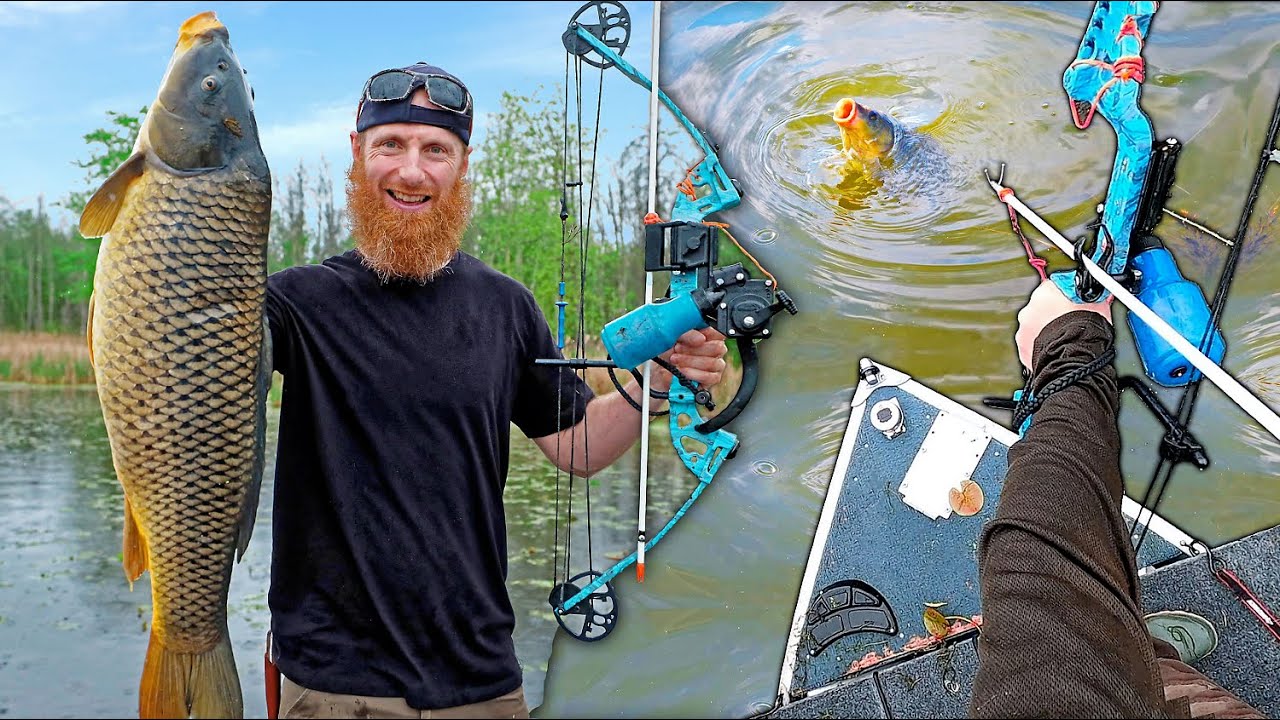
Credit: www.youtube.com
Understanding Carp And Their Role In Bowfishing
Carp, particularly the common carp (Cyprinus carpio), are considered one of the most widespread and problematic invasive fish in North America. Originally introduced in the 19th century, carp now thrive in lakes, rivers, and ponds across the continent. Their resilience and adaptability allow them to outcompete native fish, uproot aquatic vegetation, and degrade water quality, a major concern for fisheries managers and conservationists.
Why Target Carp?
- Abundance: Carp are present in most states, providing consistent bowfishing opportunities.
- Size: Average carp weigh between 8, 15 pounds, with trophy specimens exceeding 30 pounds.
- Environmental Impact: Removing carp helps restore native habitats and supports conservation efforts.
Bowfishing for carp isn’t just sport, it’s a practical way to contribute to healthier aquatic ecosystems.
Carp Behavior And Habitat
Understanding carp behavior is key for successful bowfishing. Carp are bottom-feeders that root in mud for food, which makes them visible in shallow, muddy water during feeding periods. Key behavioral traits include:
- Spawning in spring/summer: Carp gather in shallow, warm water, making them easier to spot.
- Feeding at dawn and dusk: Low-light conditions draw carp into the shallows.
- Sensitivity to noise and movement: Carp spook easily, requiring stealthy approaches.
Legal Considerations And Ethics
Before heading out, consult local fishing regulations. Many states encourage or even require the removal of invasive carp, but rules on methods, seasons, and licensing vary. Always:
- Obtain the correct fishing license for bowfishing.
- Respect size and bag limits (if any).
- Dispose of harvested carp responsibly, never leave fish on the bank.
For the latest regulations, visit your state’s official wildlife resources page or the U.S. Fish & Wildlife Service.
Essential Gear For Bowfishing Carp
Bowfishing requires specialized equipment that differs from both traditional archery and rod-and-reel fishing. Choosing the right gear ensures both safety and success.
Bow Types And Setup
You can bowfish with recurve bows, compound bows, or dedicated bowfishing bows. The choice depends on personal preference, budget, and experience.
| Bow Type | Pros | Cons | Typical Price Range |
|---|---|---|---|
| Recurve Bow | Lightweight, simple, affordable | Less power, requires more skill | $100, $250 |
| Compound Bow | More power, adjustable draw weight, accurate | Heavier, pricier | $250, $600 |
| Dedicated Bowfishing Bow | Designed for water, durable, often pre-set for quick shots | May lack versatility for other archery uses | $150, $500 |
Pro Tip: For beginners, a lightweight recurve or entry-level compound bow with 30, 50 lbs of draw weight is ideal for most carp.
Bowfishing Arrows
Bowfishing arrows differ significantly from hunting arrows. Key features include:
- Material: Fiberglass or carbon-fiber shafts for durability and weight.
- Barbed tips: Securely hold fish after impact.
- Slide systems: Prevent line tangling and reduce the risk of “snapback.”
Most arrows are heavier than hunting arrows, improving underwater penetration.
Reels And Line
Three main reel types are used in bowfishing:
- Drum reels: Simple, durable, affordable, but slow to retrieve.
- Retriever reels: Quick line pickup, reliable, great for beginners.
- Spincast reels: Fastest retrieval, familiar to anglers, but prone to tangles.
Choose 80, 200 lb braided line for strength and abrasion resistance.
| Reel Type | Strengths | Weaknesses | Ideal User |
|---|---|---|---|
| Drum | Simple, almost indestructible | Slow retrieval, manual winding | Budget-conscious, DIY |
| Retriever | Fast retrieval, few tangles | Medium price, some learning curve | Most bowfishers |
| Spincast | Very fast, familiar | Can jam, more maintenance | Anglers transitioning from fishing |
Polarized Sunglasses And Lighting
Polarized sunglasses help spot carp below the water’s surface by reducing glare. For night bowfishing, high-lumen LED lights are essential for illuminating shallow areas and attracting fish.
Safety Equipment
Always bring:
- Gloves for handling arrows and fish.
- Waders or waterproof boots for shore or shallow wading.
- Life jackets if bowfishing from a boat.
Accessories And Maintenance
- Arrow rests designed for bowfishing reduce friction and improve accuracy.
- Bowfishing points (tips) should be sharpened and checked for damage after each outing.
Example: When I tested several arrow tips on a muddy riverbank, the difference in holding power between a cheap barbless tip and a premium barbed point was dramatic, half my shots with the barbless tip resulted in lost fish.

Credit: fishingbooker.com
Scouting And Locating Carp
Success in bowfishing depends on finding carp in accessible, shootable water. Carp are abundant, but not every body of water or shoreline offers equal opportunity.
Best Locations For Carp Bowfishing
- Shallow river backwaters: Carp feed and spawn in slow, warm water.
- Lake shallows: Look for muddy flats, weed beds, and inflows.
- Urban canals: Many cities have carp-infested waterways open to bowfishing.
- Flooded fields and ditches: After heavy rains, carp often move into temporary shallows.
Seasonal Patterns
Carp are most visible and active during late spring and early summer, especially during spawning:
- Spring: As water warms to 60, 75°F, carp move into shallows to spawn. Look for splashing, rolling fish in 1, 3 feet of water.
- Summer: Early morning and dusk are prime times as carp feed along shorelines.
- Fall: Activity slows, but carp can still be found sunning in shallow areas.
- Winter: In colder climates, carp move to deeper water and are less accessible.
Reading Water And Spotting Fish
- Watch for muddy clouds or wakes in shallow water, signs of feeding carp.
- Look for tailing, where the carp’s tail breaks the surface as it roots for food.
- Listen for splashing or rolling during the spawn.
Pro Tip: Move slowly and keep a low profile. Sudden movement or shadows will spook wary carp.
Real-world Example: Urban Bowfishing Success
A group of bowfishers in St. Louis, Missouri, regularly harvests over 100 carp in a single evening from the city’s urban canals. Their secret: scouting outflows where warm water attracts spawning carp, and using high-powered LED lights to spot them at night.

Credit: www.pyramydair.com
Bowfishing Techniques: Accuracy, Stealth, And Shot Placement
Bowfishing is not just about shooting arrows into water, it’s about mastering technique to maximize hits and minimize lost fish.
Compensating For Refraction
One of the most common mistakes is misjudging the fish’s actual location due to refraction. Water bends light, making submerged objects appear higher than they are.
- Rule of thumb: Aim 6, 8 inches below where you see the fish if it’s 3, 4 feet away.
- For deeper or farther shots, aim even lower.
Stalking And Stealth
Carp are wary. To get within shooting range:
- Wear drab or camouflage clothing.
- Approach from downwind or downstream to avoid detection.
- Move slowly, minimizing ripples and noise.
Drawing And Shooting
Bowfishing requires quick, instinctive shooting:
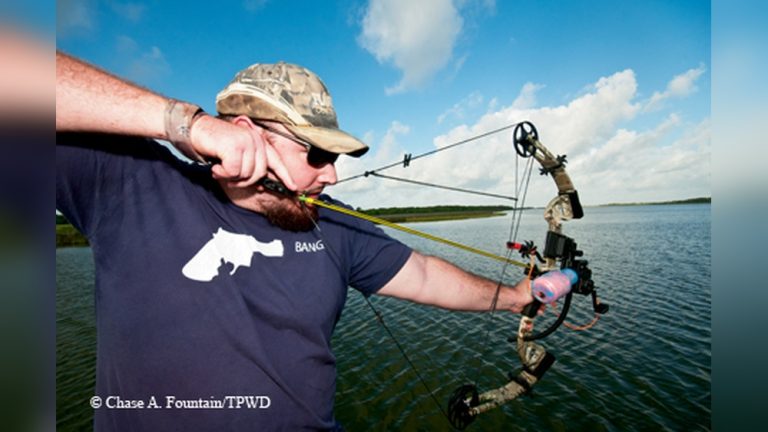
- Nock the arrow and draw quickly but smoothly.
- Aim low to compensate for refraction.
- Release with a fluid motion, don’t overthink the shot.
Unlike hunting, there’s no need to anchor or use a sight, most bowfishing shots are taken instinctively within 5, 15 feet.
Shot Placement And Retrieval
Carp have tough scales and a bony head. For the best results:
- Aim for the mid-body just behind the gills, avoiding the thick skull.
- Once the arrow hits, immediately retrieve the line to secure the fish.
- Use gloves when handling large carp to avoid spines and sharp fins.
Example: On a recent morning trip, I missed several shots by aiming too high. After adjusting my aim 8 inches below the fish, I connected with three carp in a row, a simple fix that dramatically improved my accuracy.
Night Bowfishing Tactics
Night bowfishing opens new opportunities, as carp are less wary and more active. Use LED floodlights to illuminate the shallows and scan for reflective eyes or shadows. Keep noise to a minimum and approach from dark, unlit banks for the best results.
Safety, Ethics, And Environmental Impact
Bowfishing is inherently safe when basic precautions are followed, but it also carries ethical responsibilities.
Personal Safety Precautions
- Wear safety glasses to protect eyes from snapped lines or arrows.
- Never shoot unless you have a clear line of sight and are sure of your target.
- Use a safety slide on every arrow to prevent “snapback,” which can cause serious injury.
- Wear a personal flotation device if bowfishing from a boat or in deep water.
Ethical Harvest And Disposal
Carp are often considered “trash fish,” but ethical bowfishers respect every animal taken:
- Harvest only what you can use or legally dispose of.
- Bury unused fish or donate to local farmers for fertilizer or animal feed.
- Never dump fish in public areas or leave them to rot.
Environmental Stewardship
Bowfishing can positively impact local ecosystems by reducing carp populations. However, always:
- Target only non-native/invasive species unless regulations allow otherwise.
- Report large carp removals to local conservation authorities if required.
- Participate in organized carp removal events to maximize impact.
Example: In 2019, bowfishers in Minnesota removed over 300,000 pounds of carp from lakes, significantly improving water clarity and restoring native vegetation (Minnesota DNR report).
Pro Tip: Community Involvement
Many states offer bowfishing tournaments and cleanup days. Participating not only sharpens your skills but also helps build a positive reputation for the sport.
Planning And Executing A Successful Bowfishing Trip
Preparation is the foundation of any memorable and productive bowfishing outing. From scouting locations to assembling gear, every step influences your chances of success.
Pre-trip Preparation
- Check local regulations and secure the necessary license or permits.
- Inspect and test all gear, bows, arrows, reels, and lines.
- Pack essentials: Extra arrows, polarized sunglasses, gloves, water, snacks, and a first-aid kit.
- Scout locations in advance, noting water clarity, carp activity, and access points.
Choosing The Right Time
- Early morning and late evening are prime for shallow-water carp.
- Night trips can be highly productive with proper lighting.
- Post-storm periods often see carp moving into flooded, accessible areas.
On-the-water Strategy
- Divide the area into zones: Work systematically to cover every likely spot.
- Alternate between stalking and still-hunting: In clear water, wait motionless; in murky water, move slowly.
- Work as a team: If bowfishing in a group, communicate and rotate shooting positions to avoid spooking fish.
Managing Your Catch
- Secure carp in a cooler or fish basket to prevent spoilage.
- Record your harvest if participating in tournaments or citizen science projects.
- Clean up the area after your trip, leave no trace.
Real-world Example: Team Bowfishing Tournament
In the Texas Bowfishing Association’s annual “Carp Roundup,” teams of four compete to harvest the most pounds of carp in 12 hours. Success hinges on dividing the lake into sections, rotating shooters, and using both boat and shore tactics to maximize coverage.
Advanced Tips And Troubleshooting Common Challenges
As you gain experience, you’ll encounter situations that test your skills and adaptability. Here are proven solutions to frequent bowfishing challenges.
Dealing With Murky Or Deep Water
Carp are often found in turbid or deep water, making sighting and shooting difficult.
- Use high-powered lights at night to penetrate murky water.
- Focus on shallow, muddy inflows where carp stir up the bottom.
- Rely on movement cues, look for wakes, bubbles, or subtle ripples.
Wind And Weather Conditions
Wind can create surface chop, obscuring fish.
- Bowfish on the leeward (sheltered) shore where water is calmer.
- Use a drift sock or anchor to stabilize your boat or kayak.
- Wait for sunny days for better visibility.
Arrow And Equipment Issues
Lost arrows or tangled lines can ruin a trip.
- Carry at least three arrows per person.
- Inspect lines for frays and replace as needed.
- Lubricate reel mechanisms before each outing.
Improving Accuracy
If you’re missing shots:
- Practice aiming below floating targets in a pool or shallow water before your trip.
- Film your shots with a GoPro to analyze form and adjustment needs.
- Switch to brighter arrow nocks for better tracking.
Pro Tip: If carp are repeatedly spooking, switch to a smaller group or try night bowfishing, when fish are less wary.
Cooking And Utilizing Carp: From Water To Table
While carp have a reputation for being bony and “muddy” tasting, proper preparation can yield delicious results. In many cultures, carp is a prized food fish.
Cleaning And Filleting Carp
- Bleed the fish immediately after harvest to improve flavor.
- Remove the dark “mud vein” along the lateral line to reduce off-flavors.
- Use a sharp fillet knife to work around bones.
Popular Carp Recipes
- Smoked carp: Slow-smoked over hardwood, great for sandwiches or spreads.
- Fried carp nuggets: Bite-sized pieces breaded and fried, served with dipping sauce.
- Carp cakes: Ground carp mixed with breadcrumbs and spices, pan-fried.
Donating Or Repurposing Carp
- Many bowfishers donate unwanted carp to local food banks (where legal) or animal shelters.
- Carp make excellent fertilizer for gardens due to their high nutrient content.
Example: In Illinois, a local community garden program collects carp from bowfishers and composts the fish, boosting vegetable yields.
Sustainable Harvest Practices
- Take only what you can use, freeze, or share.
- Participate in local “carp cook-off” events to encourage creative recipes.
Learn more about bowfishing safety and best practices here.
Frequently Asked Questions
What Is The Best Time Of Year To Bowfish For Carp?
While carp can be bowfished year-round in many regions, the late spring and early summer months are typically the most productive. During this period, carp move into shallow water to spawn, making them highly visible and accessible. Water temperatures between 60, 75°F trigger spawning behavior, and bowfishers often report the highest success rates during these weeks.
Can I Bowfish For Carp At Night?
Yes, night bowfishing is not only possible but often more productive. Carp are less wary in the dark and tend to feed actively along the shallows. Using powerful LED floodlights mounted on boats or handheld spotlights from shore can illuminate carp and make for exciting action. Always check your local regulations to ensure night bowfishing is permitted.
What Should I Do With Unwanted Carp After Harvesting?
Proper disposal is critical to responsible bowfishing. Options include:
- Composting the fish for garden fertilizer.
- Donating to local farms as animal feed (with permission).
- Participating in community carp removal programs.
Never leave carp on the bank or in public areas, as this can harm the reputation of bowfishing and may violate local ordinances.
Is Bowfishing Dangerous?
Bowfishing is generally safe when basic precautions are taken. Always use a safety slide on arrows, wear protective eyewear, and ensure you have a clear shooting lane. If bowfishing from a boat, wear a life jacket. Awareness and preparation are your best safeguards against injury.
Can I Use Any Bow For Bowfishing?
While technically possible, not all bows are ideal for bowfishing. Specialized bowfishing bows, or older recurve/compound bows set up with a reel and heavy arrows, are best. Avoid using expensive hunting bows, as exposure to water and rough conditions can cause damage. Dedicated bowfishing rigs are designed for the unique challenges of the sport and offer the best performance.
Bowfishing carp is an accessible and rewarding pursuit that offers both adventure and environmental benefits. With the right gear, preparation, and respect for local regulations, anyone can enjoy the thrill of sighting, stalking, and harvesting these challenging fish. As you gain experience, you’ll discover new techniques, favorite spots, and the satisfaction of making a positive impact on your local waterways, one arrow at a time.