How To Bow Hunt In Texas
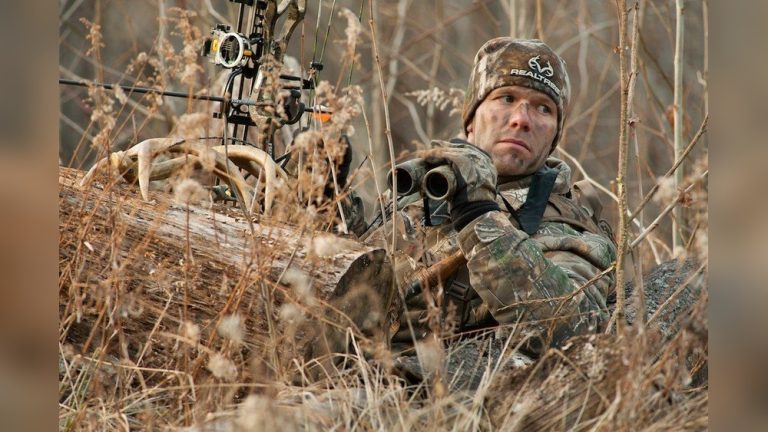
Texas is renowned for its expansive landscapes, diverse wildlife, and a deep-rooted hunting culture that stretches back generations. Bow hunting in Texas, in particular, is more than just a pastime, it’s a way to connect with nature, test your skills, and participate in a tradition that blends challenge with responsible conservation.
Whether you’re a lifelong Texan or someone new to the state, learning how to bow hunt here means mastering a unique mix of regulations, techniques, and local knowledge.
But with over 1 million licensed hunters and vast private lands, Texas presents both opportunities and challenges for bow hunting enthusiasts. From selecting the right equipment and understanding state laws to scouting prime locations and ensuring ethical harvests, there’s a lot to know before you draw your bow.
This guide breaks down everything you need to successfully and legally bow hunt in Texas, drawing from expert advice, firsthand experience, and the most current state regulations.
Key Takeaways
- Texas offers abundant bow hunting opportunities on both public and private lands, with seasons for whitetail deer, turkey, hogs, and exotics.
- Strict regulations and licensing requirements apply; understanding these is essential for legal and ethical hunting.
- Equipment choices, scouting, and preparation are crucial to success in the field.
- Safety, ethics, and conservation are at the heart of responsible Texas bow hunting.
- Public land access is limited compared to private land, but there are strategies to maximize your options.
- Continuous skill improvement and adaptation to local conditions will set you apart as a successful bow hunter.
Understanding Texas Bow Hunting Regulations
Navigating Texas hunting laws is the foundation of a safe and legal bow hunting experience. The Texas Parks and Wildlife Department (TPWD) strictly regulates hunting activities, so it’s important to familiarize yourself with all relevant rules before heading out.
Licensing And Hunter Education
To bow hunt in Texas, you must possess a valid Texas hunting license. Residents and non-residents alike can purchase annual licenses, with special options for youth, seniors, and disabled veterans. Additionally, those born after September 2, 1971, are required to complete a Hunter Education Course approved by the TPWD.
- Licenses are available online and at authorized retailers.
- The Hunter Education Course covers safety, ethics, and wildlife conservation.
- Proof of certification must be carried while hunting.
Bow Hunting Seasons And Legal Game
Texas offers dedicated archery-only seasons for certain species, notably white-tailed and mule deer. These typically run from early October through early November, with additional late-season opportunities in some counties.
- White-tailed deer: Archery season often starts the first Saturday in October.
- Wild turkey: Fall archery season usually coincides with deer season.
- Feral hogs and exotics: No closed season, can be hunted year-round.
Always consult the latest TPWD Outdoor Annual for current season dates and county-specific regulations: Texas Parks & Wildlife.
Legal Equipment And Methods
Texas law defines what constitutes a legal bow and arrow for hunting:
- Compound, recurve, and longbows are permitted; crossbows may have separate regulations.
- Broadheads must be sharp and at least 7/8 inch wide.
- No mechanical devices that lock the bow at full or partial draw are allowed for archery-only seasons (except for disabled hunters with permits).
- Hunting from vehicles or using spotlights is strictly prohibited.
Public Vs. Private Land Rules
While private land accounts for roughly 95% of Texas land, public hunting areas are available through the Public Hunting Program. Rules may differ between Wildlife Management Areas (WMAs) and private ranches, so always check for additional restrictions.
Pro Tip: Permission from landowners is mandatory before hunting on private property. Written consent is highly recommended.

Credit: www.onxmaps.com
Choosing The Right Bow Hunting Gear For Texas
Success in the field starts with selecting the appropriate equipment tailored to the Texas environment and your target species. The right gear enhances accuracy, comfort, and ethical harvests.
Bows: Compound, Recurve, And Longbow Options
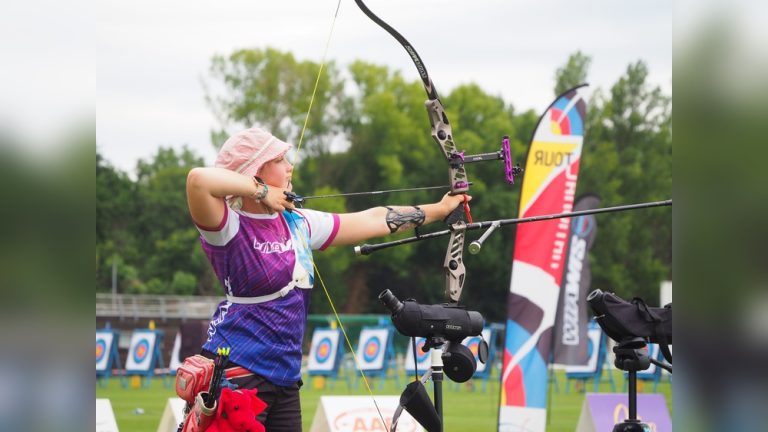
Most Texas bow hunters prefer compound bows for their power and accuracy, but recurve and longbows offer a traditional experience. Each type has advantages:
| Bow Type | Draw Weight Range | Best For | Ease of Use |
|---|---|---|---|
| Compound | 40-70 lbs | Deer, Hogs, Turkey | High (with practice) |
| Recurve | 35-60 lbs | Small/Medium Game | Moderate |
| Longbow | 40-65 lbs | Traditional Experience | Challenging |
Arrows And Broadheads
Selecting the right arrows and broadheads is essential for a clean, ethical shot.
- Carbon arrows are lightweight and durable, ideal for Texas brush country.
- Fixed-blade broadheads are reliable and less prone to mechanical failure.
- Mechanical broadheads offer larger cutting diameters but may require more energy to deploy.
Choose broadheads with a cutting diameter of at least 7/8 inch to comply with TPWD regulations.
Clothing And Accessories
Texas weather can fluctuate dramatically, especially in fall. Dress in moisture-wicking base layers and camouflage that matches your hunting environment (e.g., mesquite brush, piney woods).
- Boots: Waterproof, snake-proof boots are recommended.
- Backpack: Carry essentials like water, snacks, first aid, and a field dressing kit.
- Safety harness: Mandatory when hunting from a tree stand.
Optics And Rangefinders
A quality rangefinder helps compensate for distance estimation errors, especially in open country. Binoculars are invaluable for glassing game at dawn and dusk.
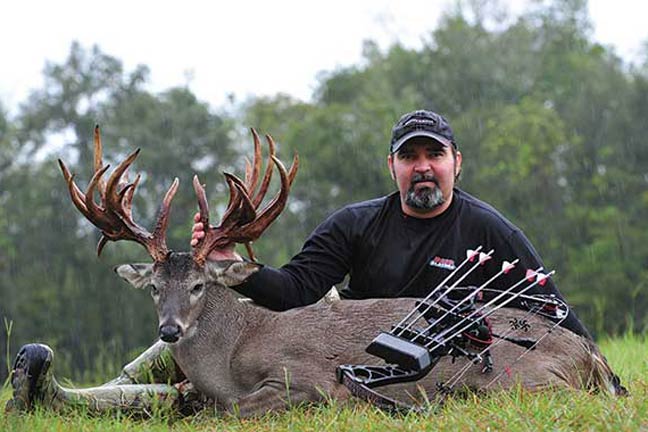
Example: In my experience hunting the Hill Country, a rangefinder helped me accurately gauge distances through thick cedar, improving my shot placement and success rate.
Credit: www.northamericanwhitetail.com
Scouting And Locating Game In Texas
Effective scouting is the backbone of successful bow hunting. Understanding animal behavior, habitat preferences, and movement patterns allows you to set up in high-traffic areas.
Reading Texas Terrain
The state’s diverse habitats include hill country, brushlands, pine forests, and river bottoms. Each presents unique scouting challenges:
- Hill Country: Look for bedding areas on shaded slopes and food sources in open clearings.
- Brushlands: Focus on water sources and travel corridors between thickets.
- Forests: Identify mast-producing trees (oak, pecan) and clear game trails.
Identifying Game Sign
Key signs to watch for include:
- Tracks and trails: Fresh prints indicate recent movement.
- Droppings: Fresh scat helps confirm activity.
- Rubs and scrapes: Bucks mark trees and ground during rut.
- Wallows and rooting: Hogs disturb soil near water or food.
Using Trail Cameras
Deploying trail cameras can provide invaluable insight into game movement times and frequency. Place cameras along known trails, near water, and at food sources.
Pro Tip: Check your cameras every 1-2 weeks to avoid excessive disturbance and to update your hunting plan.
Securing Access And Permissions
On private land, build relationships with landowners. Offer to help with property maintenance or provide regular updates on your hunting activity. On public land, study maps and regulations for each WMA, and arrive early to secure your preferred spot.

Credit: freerangeamerican.us
Effective Bow Hunting Techniques For Texas Game
Mastering bow hunting techniques tailored to Texas conditions increases your odds of a successful, ethical harvest. Adapt your approach based on species, terrain, and weather.
Stand Hunting Vs. Spot-and-stalk
Two primary techniques dominate Texas bow hunting:
| Method | Description | Best Used For |
|---|---|---|
| Stand Hunting | Hunting from elevated tree stands or ground blinds | Deer, Turkey, Hogs |
| Spot-and-Stalk | Actively searching and approaching game on foot | Hogs, Exotics, Open Terrain Deer |
Tree Stands And Ground Blinds
Tree stands provide excellent visibility and help reduce your scent signature. Always use a safety harness and select sturdy, well-concealed trees. Ground blinds are effective in open areas or where tree cover is sparse; brush them in with local vegetation for better concealment.
Calling And Attractants
Use grunt calls, rattling antlers, or turkey decoys to draw animals into range. Scent attractants can also be effective, but be mindful of wind direction, Texas winds can be unpredictable.
Shot Placement And Ethics
Aim for the vital zone (heart/lung area) to ensure a quick, humane harvest. Texas law requires prompt recovery and utilization of all edible meat.
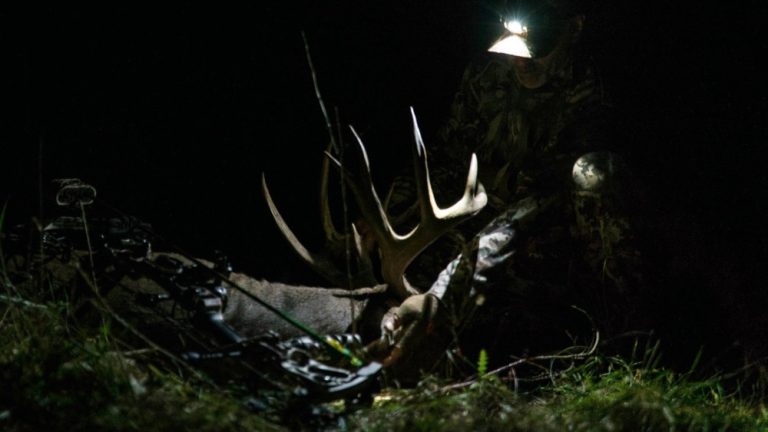
Example: A hunter in South Texas waited patiently for a broadside shot at a mature buck, ensuring ethical placement and a clean harvest. The patience paid off, with minimal tracking required.
Public Vs. Private Land Bow Hunting In Texas
Texas offers a unique mix of public and private hunting opportunities, each with its own advantages and challenges.
Public Hunting Lands
Although public land is limited, TPWD’s Public Hunting Program opens over 1 million acres each year to hunters. Popular areas include Sam Houston National Forest and Matador Wildlife Management Area.
- Purchase an Annual Public Hunting Permit (APHP) for access.
- Public land hunts are often lottery-based or first-come, first-served.
- Expect higher hunter density and increased competition.
Private Land Access
With most of Texas in private ownership, many hunters lease land or pay for guided hunts. This offers:
- Greater control over hunting pressure.
- Improved access to prime locations.
- Ability to manage habitat and game for long-term success.
Lease Vs. Day Hunt Comparison
| Option | Cost Range | Access | Game Management |
|---|---|---|---|
| Season Lease | $2,000, $5,000 per season | Full season, exclusive | High (hunter-managed) |
| Day Hunt | $150, $400 per day | Single day, non-exclusive | Low to moderate |
Navigating Access Challenges
Building a network of contacts and joining local hunting associations can increase your chances of finding quality private land. Always respect landowner rules and Texas laws regarding trespassing and liability.
Pro Tip: Texas law allows for Managed Lands Deer Permits (MLDP), giving landowners flexibility in managing deer populations and providing extended hunting seasons.
Safety, Ethics, And Conservation In Texas Bow Hunting
Ethical hunting and safety are non-negotiable in Texas. They ensure the longevity of the sport and the health of wildlife populations.
Bow Hunter Safety
- Always inspect your gear before each hunt.
- Use a safety harness when elevated.
- Clearly identify your target and what’s beyond it.
- Carry a first aid kit and let someone know your hunting location.
Ethical Harvest And Fair Chase
Texas hunters are expected to follow fair chase principles, hunting without the use of illegal bait, motor vehicles, or artificial lights. Promptly recover and process all game to prevent waste.
Conservation And Habitat Management
Hunting license fees and excise taxes on archery equipment directly support Texas wildlife conservation. Responsible hunting helps control populations of deer and invasive species like feral hogs, which cause over $400 million in annual agricultural damage in Texas according to Texas A&M AgriLife Extension.
Legal Reporting And Tagging
Deer and turkey harvests must be tagged immediately and reported via the My Texas Hunt Harvest app or online. Failure to comply can result in severe penalties.
Example: A Central Texas bow hunter reported a harvested doe via the app within minutes, streamlining game management and contributing valuable data for TPWD biologists.
Real-world Bow Hunting Scenarios In Texas
Learning from real experiences can provide valuable insight into the nuances of Texas bow hunting.
Hill Country Whitetail: Timing And Patience
During the October archery season, a hunter set up near a natural funnel between a bedding area and a water source. After several mornings with no activity, the hunter finally observed a mature buck at 8:30 a.m. Patience and careful scent management led to a successful harvest.
South Texas Brush Country: Spot-and-stalk For Hogs
A group of bow hunters utilized spot-and-stalk techniques along creek bottoms. By staying downwind and moving quietly, they closed the distance to within 25 yards of a sounder of hogs, taking multiple animals over a weekend. The flexible hunting season for hogs allowed for repeat trips without seasonal constraints.
Piney Woods Turkey: Ground Blind Setup
In East Texas, a hunter set up a ground blind near a roosting area. Using turkey decoys and soft yelps, the hunter enticed a tom into range at first light. The dense cover and calling strategy were crucial to success.
Tips For New And Experienced Texas Bow Hunters
Bow hunting in Texas requires ongoing skill development and adaptability. Here are actionable tips for hunters at any experience level:
For Beginners
- Take a bow hunting education course for hands-on instruction.
- Practice regularly at varied distances and angles.
- Start with ground blinds if you’re not comfortable with tree stands.
- Scout heavily before the season to identify high-traffic areas.
For Experienced Hunters
- Refine your scent control strategy, Texas winds can shift quickly.
- Experiment with new calling techniques to adapt to changing animal behavior.
- Volunteer for habitat improvement projects on local properties.
- Mentor a new hunter to give back to the hunting community.
Gear Maintenance And Upgrades
- Inspect strings and limbs for wear before each outing.
- Upgrade broadheads or arrows based on past performance.
- Keep blades sharp for ethical, effective harvests.
Weather And Seasonal Adjustments
- Monitor weather patterns for optimal hunting days, cool fronts often trigger increased game movement.
- Adjust camouflage and layers based on habitat and temperature changes.
Frequently Asked Questions
What Is The Minimum Draw Weight For Bow Hunting Deer In Texas?
Texas does not specify a minimum draw weight for bows, but the TPWD recommends at least 40 pounds of draw weight for ethical deer hunting to ensure sufficient penetration and humane harvests.
Can I Use A Crossbow During The Archery-only Season?
Crossbows are legal for all hunters during the general season, and for disabled hunters during archery-only season with a physician’s note. Otherwise, only compound, recurve, and longbows are permitted during archery-only deer season. Always verify with the TPWD regulations.
Do I Need To Wear Hunter Orange While Bow Hunting In Texas?
Hunter orange is not required during archery-only seasons on private land, but it is mandatory on public hunting lands where firearms are allowed during concurrent seasons. It’s a good safety practice to wear orange when moving to and from your stand.
What Are The Best Public Hunting Areas For Bow Hunting In Texas?
Some of the top public bow hunting destinations include Sam Houston National Forest, Matador WMA, and Chaparral WMA. Each area has unique habitats and game populations; review specific rules and permit requirements before hunting.
How Do I Find Private Land To Bow Hunt In Texas?
Options include contacting local landowners, joining a lease, or booking through reputable outfitters. Websites like Texas Hunting Forum and local hunting associations can connect you with available properties. Always obtain written permission and clarify the terms of access.
Texas bow hunting is a rewarding pursuit that balances tradition, challenge, and conservation. By respecting the regulations, honing your skills, and embracing ethical practices, you can enjoy memorable hunts across the state’s varied landscapes. Whether chasing whitetails in the Hill Country or stalking hogs in the brush, each outing offers an opportunity to connect with nature and contribute to Texas’s outdoor legacy.
Happy hunting!