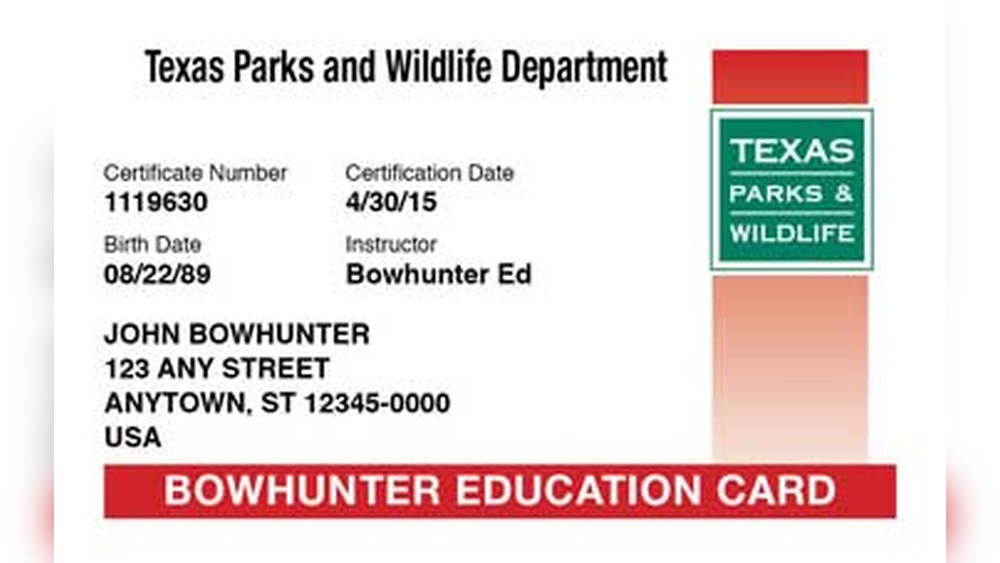
Is Bow Hunter Education Required in Texas? What You Need to Know
Bowhunting is a tradition in Texas, where open land and diverse wildlife make it a popular activity for many hunters. But before you pick up a bow and head into the woods, you may wonder: Is bow hunter education required in Texas? The answer is not as simple as a yes or no, and understanding the laws can help you avoid legal trouble and become a safer, more effective hunter. This article explains Texas regulations, what the education course covers, and why investing in bow hunter education can benefit both new and experienced hunters.
Bow Hunter Education Laws In Texas
Current Legal Requirements
Texas does not require a separate bow hunter education certification for most hunters. Instead, the state requires a general Hunter Education Certificate for anyone born on or after September 2, 1971. This rule applies to all hunting methods, including bowhunting. If you are under 17, you can hunt without this certificate, but you must be accompanied by a certified adult.
For bowhunters, there is an optional Bow Hunter Education Course. While not mandatory statewide, this course is recommended and sometimes required if you plan to hunt in other states or certain special Texas hunts. Many states, such as Colorado and Montana, require proof of bow hunter education for non-resident hunters. If you want to travel for hunting, this extra certification can be important.
Special Cases And Exceptions
Although the state does not require bow hunter education for hunting with archery equipment, some public hunting lands or specific managed hunts may set their own rules. For example, certain city-managed deer culls or controlled hunts may require all participants to show proof of bow hunter education. Always check the regulations for the area where you plan to hunt.
What Is The Texas Hunter Education Course?
The Texas Hunter Education Course is the main requirement for legal hunting in Texas. It covers gun safety, ethical hunting practices, wildlife laws, and first aid. The course is available online or in-person, and you must pass a test at the end.
Key Topics Covered
- Firearm and Bow Safety: Proper handling, transport, and storage
- Wildlife Identification: Recognizing game species and protected animals
- Hunting Laws: Bag limits, seasons, tagging, and reporting requirements
- Ethics and Responsibility: Fair chase, respect for landowners, and conservation
- First Aid and Survival: Basic medical care and outdoor emergency tips
Course Structure
The course typically takes 4, 6 hours, depending on the format. After passing the test, you receive a Hunter Education Certificate. This certificate is valid for life and is recognized in all 50 states, as well as Canada and Mexico.
Optional Bow Hunter Education Course
Although not required by Texas law, the Bow Hunter Education Course offers specialized training for archery hunters. This course is designed by the International Bowhunter Education Program (IBEP) and is available through Texas Parks and Wildlife Department (TPWD).
Why Take The Bow Hunter Education Course?
- Travel and Reciprocity: Many states require this certification for non-resident bowhunters. If you hunt outside Texas, it may be mandatory.
- Advanced Skills: The course covers bowhunting-specific topics such as shot placement, tracking wounded game, and treestand safety.
- Improved Safety and Ethics: You learn best practices that reduce injury risk and promote ethical harvest.
- Access to Special Hunts: Some urban or special management hunts in Texas may require completion of this course.
Course Content Overview
- Equipment Selection and Maintenance
- Tree Stand Safety
- Game Recovery and Blood Trailing
- Shot Placement and Anatomy
- Bowhunting Laws and Regulations
Courses can be taken in-person or online. Upon completion, you receive a certification card valid in North America.
How To Get Certified
Hunter Education
- Online Course: Complete at your own pace. Some parts may require an in-person field day.
- In-Person Class: Led by certified instructors, usually held in local community centers or hunting clubs.
- Combination: Online study with a required field day for hands-on practice.
Bow Hunter Education
- Online Option: Offered through the National Bowhunter Education Foundation.
- In-Person Classes: Sometimes available before hunting seasons at local archery shops or outdoor retailers.
Texas Parks and Wildlife Department provides schedules and registration on their website.
What Happens If You Hunt Without Certification?
Hunting without the required Hunter Education Certificate is a violation of Texas law. Penalties can include:
- Fines: Ranging from $25 to $500
- License Suspension: For repeat offenses
- Confiscation: Of game animals and hunting equipment
In my experience, Texas game wardens regularly check for hunter education cards during field inspections, especially on public land and during high-traffic hunting seasons.
Pro Tip: Always carry your certification card with your hunting license. Digital copies on your phone are accepted but having a printed backup is wise.
How Texas Compares To Other States
Different states have different rules for bow hunter education. Here’s a quick comparison:
| State | Is Bow Hunter Education Required? | Notes |
|---|---|---|
| Texas | No (except special cases) | General hunter education required |
| Colorado | Yes (for archery hunters born after 1949) | Non-residents must show proof |
| Montana | Yes (for archery license) | IBEP certification required |
| Oklahoma | No | General hunter education required |
| New York | Yes | Separate bowhunter education certificate needed |
As you can see, Texas is less strict than some states, but if you plan to travel, earning the extra certification is smart.
Bow Hunter Education: What You Learn
Bow hunter education is more than just a formality. The skills and knowledge you gain can make you a safer, more ethical, and more successful hunter. Here’s what you can expect:
Equipment And Shooting
- Choosing the right draw weight and arrow type
- Proper maintenance of bows, strings, and accessories
- Safe drawing and shooting techniques
Treestand Safety
Falls from treestands are a common hunting accident. The course teaches:
- Using a full-body harness at all times
- Safe climbing and descending
- Positioning your stand for best visibility and shot angle
Shot Placement
Understanding deer and other game anatomy is critical for humane kills. You learn:
- Where to aim for quick, ethical kills
- How to judge distances and angles
- When not to take a shot
Blood Trailing And Recovery
Wounded animals may run. The course covers:
- Reading blood sign and tracks
- Planning recovery routes
- When to back out and wait
Legal And Ethical Issues
- Laws about baiting, tagging, and reporting harvests
- Respect for private property and other hunters
- Fair chase principles
Benefits Of Bow Hunter Education
Even though Texas doesn’t require bow hunter education for most hunters, there are many good reasons to take the course.
Improved Safety
Most bow hunting accidents are preventable. Education teaches safe handling, treestand safety, and emergency response. You’ll also learn to recognize risky situations before they become problems.
Higher Success Rate
Understanding shot placement and animal behavior leads to cleaner kills and fewer lost animals. This means more successful hunts and fewer wasted opportunities.
Better Ethics And Reputation
Hunters are often judged by the public. Responsible bowhunters who follow ethical guidelines help improve the image of hunting and ensure that the tradition continues for future generations.
Access To More Opportunities
Some urban hunts or special management areas in Texas require bowhunter education, even if the state does not. Being certified increases your chances of being selected for these hunts.
Reciprocity With Other States
If you travel for hunting, IBEP certification is often mandatory. Taking the course now saves you hassle later.
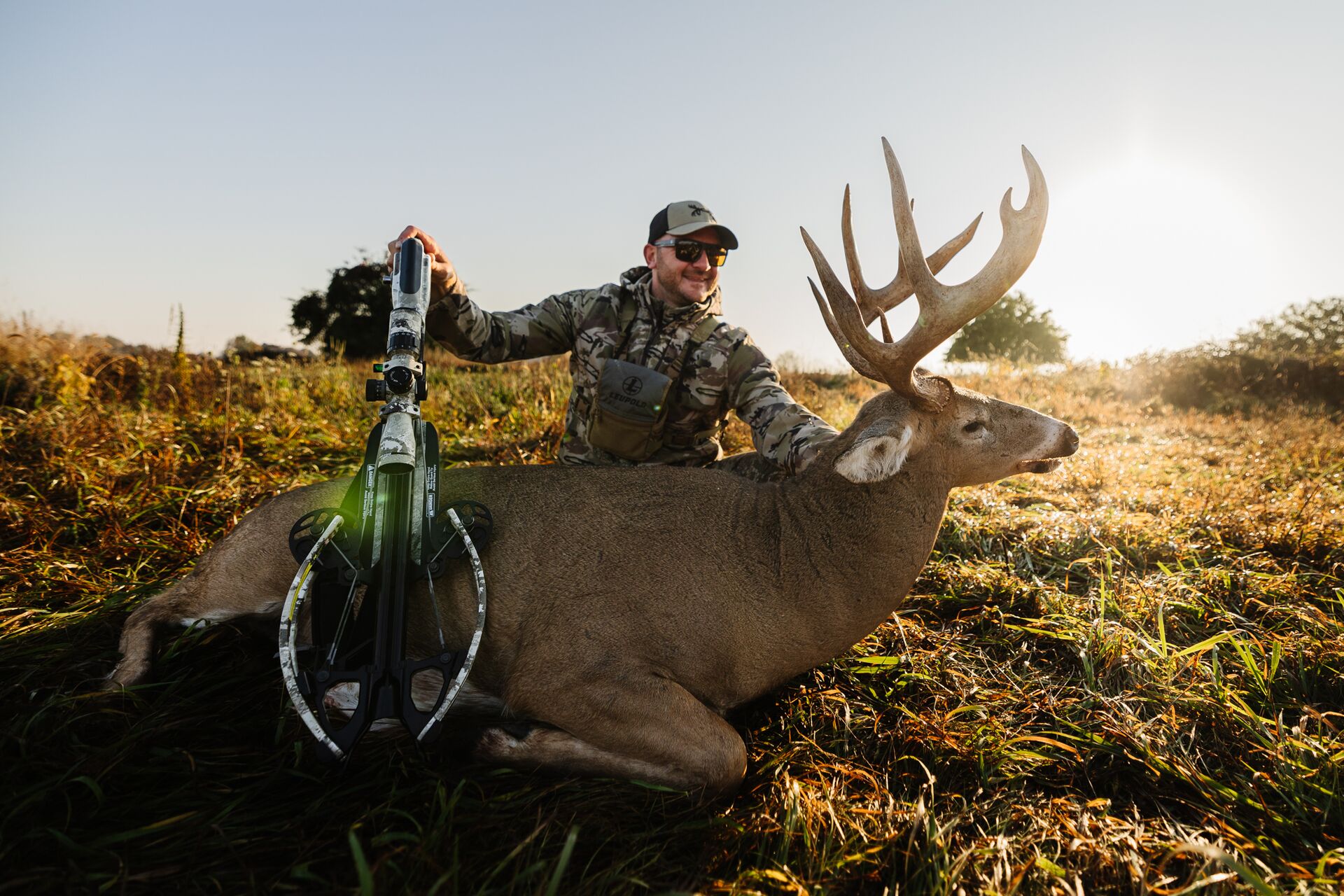
Credit: www.hunter-ed.com
Common Misunderstandings About Bow Hunter Education
“i Don’t Need It Because I Hunt Private Land”
While private landowners set their own access rules, Texas law still requires a Hunter Education Certificate for all hunters born after September 2, 1971, regardless of where they hunt.
“i’ve Been Bowhunting For Years, I Don’t Need Training”
Even experienced hunters can benefit from a refresher on new regulations or safety advances. Treestand accidents, for example, remain one of the top causes of hunting injuries, even for veterans.
“online Courses Aren’t As Good As In-person Classes”
Online bowhunter education covers the same material, but in-person field days add hands-on experience that is hard to replace. Consider combining both for the best learning.
Who Should Take Bow Hunter Education?
- New Bowhunters: Learn the basics and avoid dangerous mistakes.
- Experienced Hunters: Refresh knowledge, especially if you haven’t hunted in recent years.
- Traveling Hunters: Meet requirements for other states.
- Youth Hunters: Gain confidence and skills before hunting alone.
Pro Tip: If you mentor a new hunter, encourage them to take both hunter and bowhunter education. It’s easier to build good habits from the beginning.
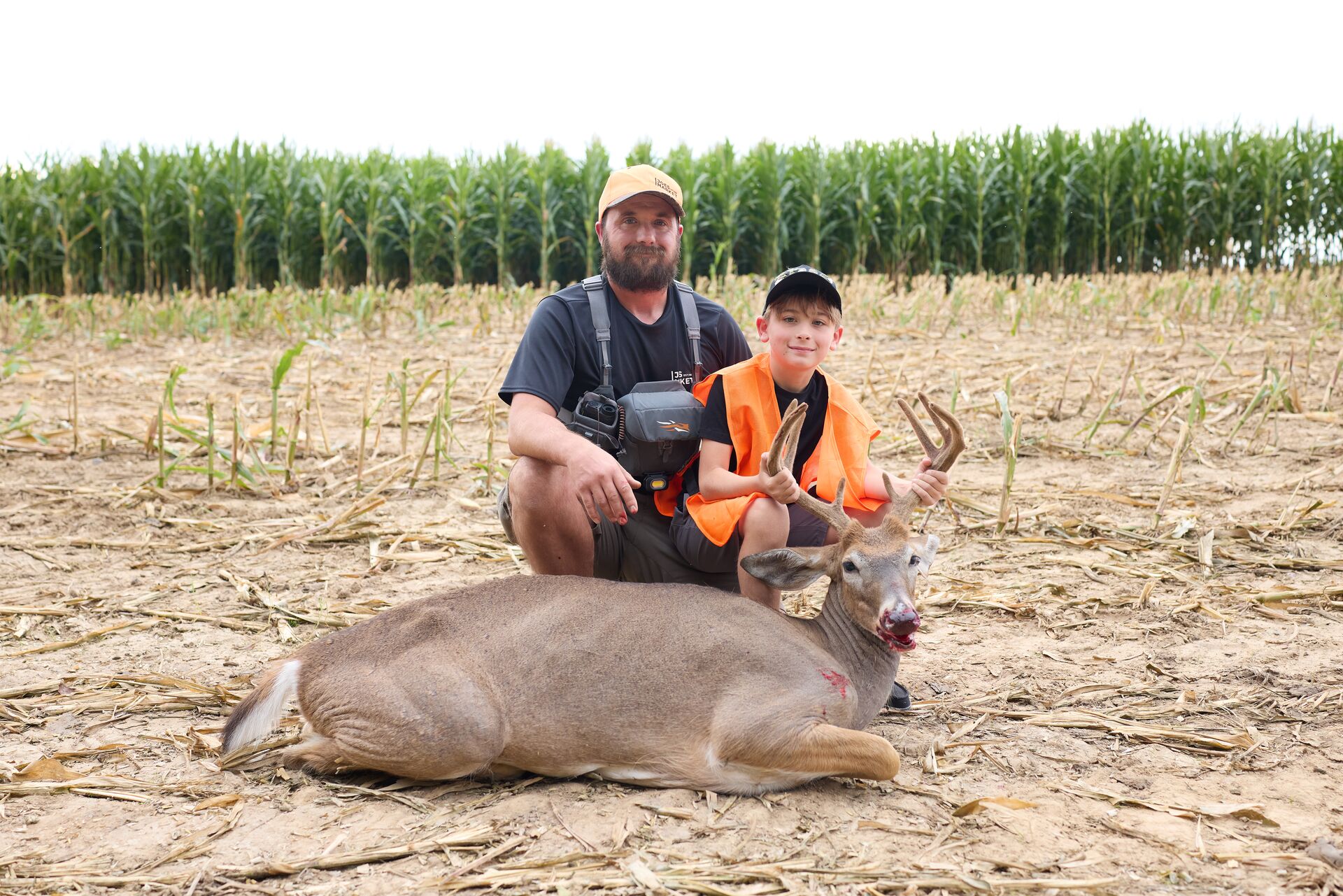
Credit: www.hunter-ed.com
How To Register And What To Expect
Registration Process
- Visit the Texas Parks and Wildlife Department website.
- Choose your preferred course (Hunter Education, Bow Hunter Education, or both).
- Register online or find a local in-person class.
- Complete the course and pass the final test.
Cost And Time Commitment
- Hunter Education Course: $15, $25, 4, 6 hours
- Bow Hunter Education Course: $30, $40, 4, 5 hours
Financial assistance may be available for youth or special groups.
After Certification
Once you pass, you will receive a wallet-sized card or a digital certificate. Always carry this when hunting. If you lose your card, you can request a replacement through the TPWD.
Example: Why I Took Bow Hunter Education
When I prepared for my first out-of-state elk hunt, I needed an IBEP card to buy a Colorado archery tag. Taking the course gave me more than just paperwork. I learned about blood trailing and how to judge shot angles from a treestand, which helped me recover a deer quickly during the next Texas season. The extra training made me a safer, more confident hunter.
Practical Tips For Texas Bowhunters
- Always check rules for the specific area you plan to hunt.
- Carry all required documents (license, certification, ID).
- Practice with your equipment before hunting season begins.
- Review local regulations each year, laws can change.
- Consider taking both hunter and bowhunter education, even if not required.
Texas Youth And First-time Hunters
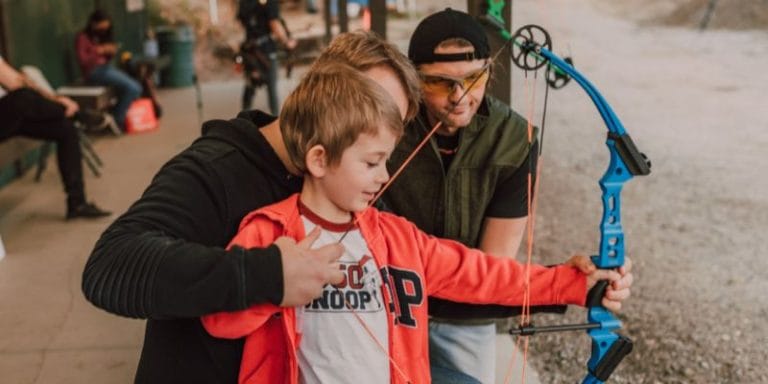
Young hunters under 17 can hunt without certification if supervised by an adult who is certified. However, taking the Hunter Education Course early is wise. It builds strong habits and makes the transition to solo hunting smoother. Many youth hunting events and camps encourage or require this training.
Common Mistakes To Avoid
- Assuming your general hunter education covers other states’ requirements.
- Leaving your certification card at home.
- Skipping the field day for hands-on learning.
- Not updating yourself on new laws and regulations each year.
- Neglecting to practice with your actual hunting setup.
Table: Texas Hunter Education Vs. Bow Hunter Education
| Aspect | Hunter Education | Bow Hunter Education |
|---|---|---|
| Required by State | Yes | No (optional) |
| Applies to | All hunters born after Sept. 2, 1971 | Bowhunters (recommended, sometimes required) |
| Content | General hunting safety, laws, ethics | Archery safety, shot placement, game recovery |
| Recognition | All states, Canada, Mexico | Most states, required by some for archery tags |
| Format | Online or in-person | Online or in-person |
Data: Growth Of Bowhunting In Texas
While exact numbers vary, data from the Texas Parks and Wildlife Department shows that the number of archery deer hunters has increased steadily over the last decade. More than 10% of all deer hunters in Texas now use archery equipment during the regular and special archery seasons.
This growth highlights the need for specialized education and responsible hunting practices.
Where To Find More Information
The best source for current laws and course registration is the official Texas Parks and Wildlife Department site. They offer up-to-date information, course schedules, and links to online options.
For hunters planning to travel, the National Bowhunter Education Foundation also lists state-by-state requirements and accepted certifications.
Pro Tip: Always double-check specific hunt rules. Private ranches, city hunts, and special draws may have their own education requirements.
For more details, see the official Texas Parks & Wildlife Department page.

Credit: recademics.com
Frequently Asked Questions
What Happens If I Lose My Hunter Or Bowhunter Education Card?
You can request a replacement through the Texas Parks and Wildlife Department website for a small fee. Carrying a digital copy on your phone is also accepted during hunts, but a physical card is recommended as a backup.
Is Bowhunter Education Required For Youth Hunters In Texas?
No, but youth hunters under 17 must be accompanied by a certified adult. Taking the course early is a good idea to build safe habits and qualify for more opportunities as they get older.
Does Texas Accept Bowhunter Education From Other States?
Yes, Texas recognizes bowhunter education certifications from other states if they follow the International Bowhunter Education Program (IBEP) standards. This is useful for out-of-state hunters or those who move to Texas.
How Often Do I Need To Renew My Certification?
Both the Hunter Education and Bow Hunter Education certificates are valid for life. You do not need to renew them, but you should review new hunting laws and safety recommendations each year.
Can I Use My Texas Bowhunter Education Certificate In Other States?
Most states that require bowhunter education accept the IBEP standard, which