Is Archery a Olympic Event? Discover the History and Facts
Archery is a sport with deep roots in human history. People first used bows and arrows for hunting and survival thousands of years ago. Today, archery is a competitive sport that challenges skill, focus, and mental strength. Many wonder if archery is part of the Olympics, and what makes it unique compared to other events. For more on this, see our related guide on Is Archery Expensive? Cost Breakdown for Beginners.
This article explores the role of archery in the Olympic Games, its history, rules, equipment, famous athletes, and what makes Olympic archery so special. If you are new to archery or want to understand its Olympic status and appeal, you will find clear answers and practical insights here.
The Olympic Status Of Archery
Archery is an official event in the Olympic Games. It was first included in 1900, during the second modern Olympics in Paris. However, archery’s Olympic journey has not been smooth. After its debut, archery disappeared from the Olympics for decades. It returned in 1972, and since then, archery has been a regular part of the Summer Games.
Today, archery is governed by the World Archery Federation (WA). This organization sets the rules and oversees international competitions, including the Olympics. Archery events are held for both men and women, with individual and team competitions.
Olympic Archery Events
There are four main archery events at the Olympics:
- Men’s Individual
- Women’s Individual
- Men’s Team
- Women’s Team
Since 2020, a Mixed Team event was added, featuring one man and one woman from each country. This promotes gender equality and teamwork.
Why Archery Matters In The Olympics
Archery is more than hitting a target. It tests concentration, technique, and nerves under pressure. Olympic archers must shoot at targets from 70 meters away, with only seconds to aim and release. The sport combines tradition and modern technology, as athletes use advanced bows and sights.
History Of Archery In The Olympics
Archery’s history in the Olympics is unique. It was present at the 1900, 1904, 1908, and 1920 Games, but then vanished until 1972. The reason was simple: there were no unified rules. Each country had its own style, making fair competition difficult.
World Archery Federation (formerly FITA) created standardized rules in the 1930s, but it took 40 years for archery to return to the Olympics. When it did, it brought new excitement and a clear, global standard.
Key Moments In Olympic Archery
- 1900: First Olympic archery competition in Paris.
- 1972: Archery returns with unified rules.
- 1988: Team events introduced.
- 2020: Mixed Team event debuts.
These milestones show how archery has adapted and grown within the Olympics. The sport now reaches millions of viewers worldwide and attracts athletes from over 80 countries.
Olympic Archery Rules And Format
Olympic archery follows strict rules to ensure fairness and excitement. The main competition is called the Recurve event, because athletes use recurve bows. Compound bows are not allowed in the Olympics, though they are popular in other tournaments.
Competition Structure
Olympic archery uses a ranking round and then elimination matches. Here’s how it works:
- Ranking Round: Each archer shoots 72 arrows at a target 70 meters away. Scores decide seeding for the next stage.
- Elimination Matches: Archers compete head-to-head. The winner advances; the loser is eliminated.
- Team Matches: Teams of three (or two for mixed teams) compete together. The combined score decides the winner.
Scoring System
The target has ten rings. The gold ring at the center scores 10 points, and each ring outward scores one point less. Precision is critical; a single point can decide a match.
| Ring | Score |
|---|---|
| Center (Gold) | 10 |
| Second Ring | 9 |
| Third Ring | 8 |
| Fourth Ring | 7 |
| Fifth Ring | 6 |
| Sixth Ring | 5 |
| Seventh Ring | 4 |
| Eighth Ring | 3 |
| Ninth Ring | 2 |
| Outer Ring | 1 |
Time Limits
Archers have a limited time to shoot each arrow. For individual matches, it’s 40 seconds per arrow. For team matches, each member must shoot within two minutes for their set.
Warning: Time management is crucial. If an archer shoots late, the arrow scores zero. Many beginners forget this under Olympic pressure.
Equipment Used In Olympic Archery
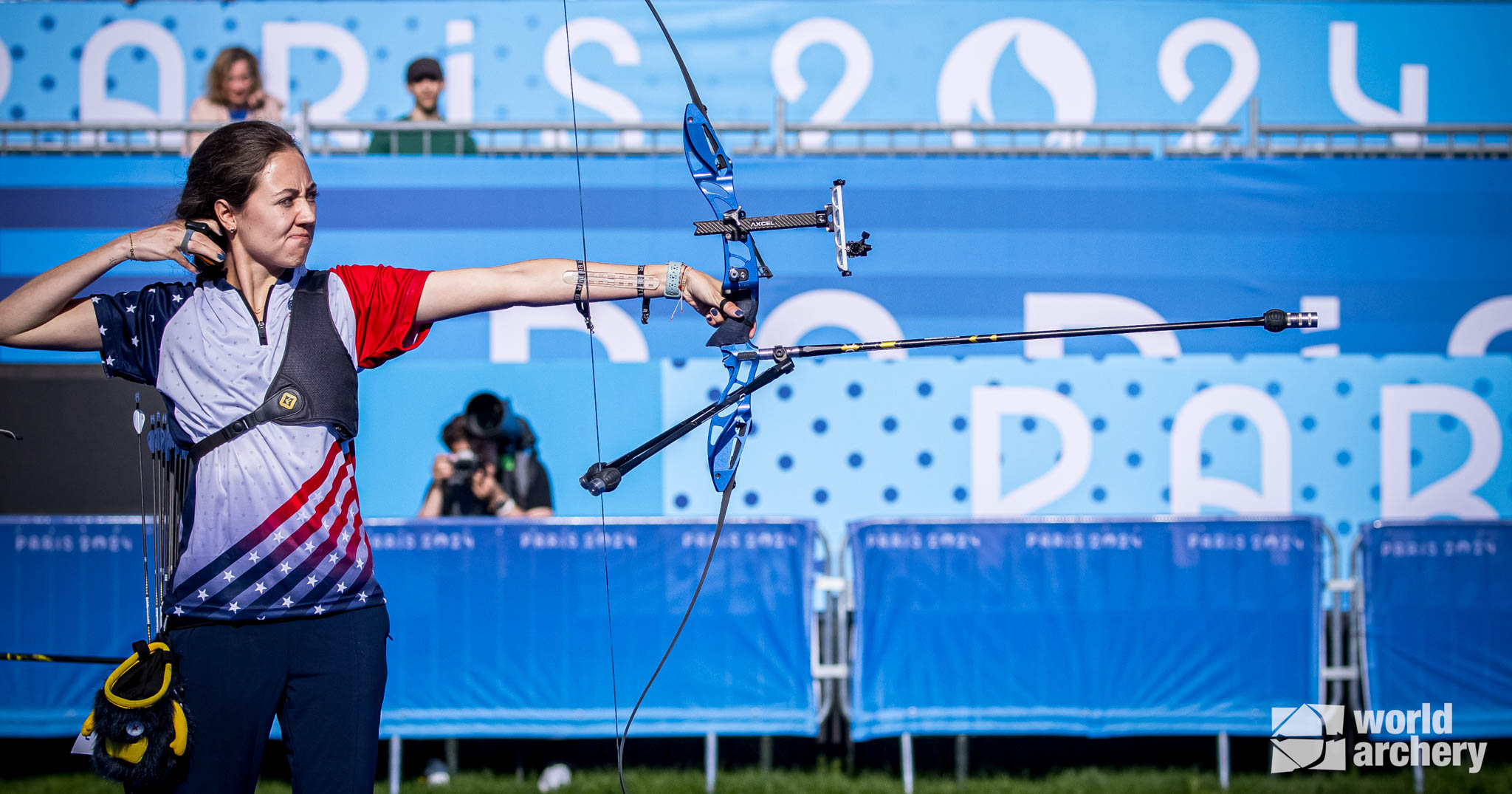
Olympic archers use recurve bows, not compound bows. The recurve bow has tips that curve away from the archer, making it more efficient and accurate for long-distance shooting.
Essential Gear
- Recurve bow: The only type allowed in the Olympics.
- Arrows: Made from carbon or aluminum for speed and accuracy.
- Sight: Helps aim more precisely.
- Finger tab: Protects fingers during release.
- Chest guard: Prevents string from hitting the chest.
- Arm guard: Shields the forearm.
Olympic equipment is carefully regulated. The World Archery Federation checks each item for safety and fairness.
Comparison: Recurve Vs. Compound Bow
Let’s compare the bows:
| Feature | Recurve Bow | Compound Bow |
|---|---|---|
| Allowed in Olympics | Yes | No |
| Design | Curved limbs | Pulleys and cables |
| Power | Manual draw | Mechanical advantage |
| Use in other competitions | Yes | Yes |
Pro Tip: Beginners often choose compound bows for ease, but recurve bows teach better form and are the only choice for Olympic dreams.
Famous Olympic Archers And Countries
Some athletes and countries have become legends in Olympic archery. South Korea is the most successful nation, winning more than 40 medals since 1984. Their training system is intense, starting from a young age, focusing on mental and physical discipline.
Notable Archers
- Kim Soo-Nyung (South Korea): Won four gold medals. Many consider her the greatest female archer.
- Oh Jin-Hyek (South Korea): First Korean man to win individual gold.
- Darrell Pace (USA): Two-time Olympic champion. Known for his calm under pressure.
These athletes show that archery is not just physical. Mental strength and discipline are essential for success.
Medal Statistics
Here’s a quick look at Olympic archery medal counts (since 1972):
| Country | Total Medals |
|---|---|
| South Korea | 43 |
| United States | 18 |
| France | 9 |
| China | 8 |
| Italy | 7 |
Example: South Korea’s archers often use meditation and visualization techniques. This gives them an edge, especially in high-pressure finals.
Training And Preparation For Olympic Archery
Olympic archers train for years before competing. Their routines are strict, mixing physical workouts, mental exercises, and technical practice.
Physical Training
Archers need strong upper bodies, steady hands, and excellent core strength. Training often includes:
- Weightlifting for arm and shoulder strength
- Stretching for flexibility
- Cardio exercises for endurance
Mental Training
Mental focus is as important as physical skill. Archers practice:
- Breathing techniques to stay calm
- Visualization exercises to picture success
- Mindfulness to control nerves
In my experience, even small distractions can ruin a shot. Olympic archers learn to block out noise, wind, and crowd pressure.
Technical Practice
Archers spend hours practicing their form, aiming, and release. Coaches use video analysis to spot mistakes and improve accuracy.
Pro Tip: Beginners often ignore mental training. But Olympic archers say mental focus is what separates winners from the rest.
Credit: www.usarchery.org
How Olympic Archery Differs From Other Archery
Olympic archery is not like hunting or casual shooting. The rules, equipment, and competition style are unique. The Olympics use only recurve bows, strict scoring, and timed rounds.
Olympic Vs. Field Archery
Field archery is popular, but very different. In field archery:
- Targets are at varying distances (not fixed 70 meters)
- Terrain changes (woods, hills)
- Scoring is often less strict
Olympic archery is predictable but challenging. Every shot is at the same distance, but the pressure is much higher.
Olympic Vs. Compound Bow Competitions
Compound bow events are faster and often score higher because the bow is easier to aim and hold. But the Olympics focus on tradition and skill with recurve bows.
Olympic Archery And Technology
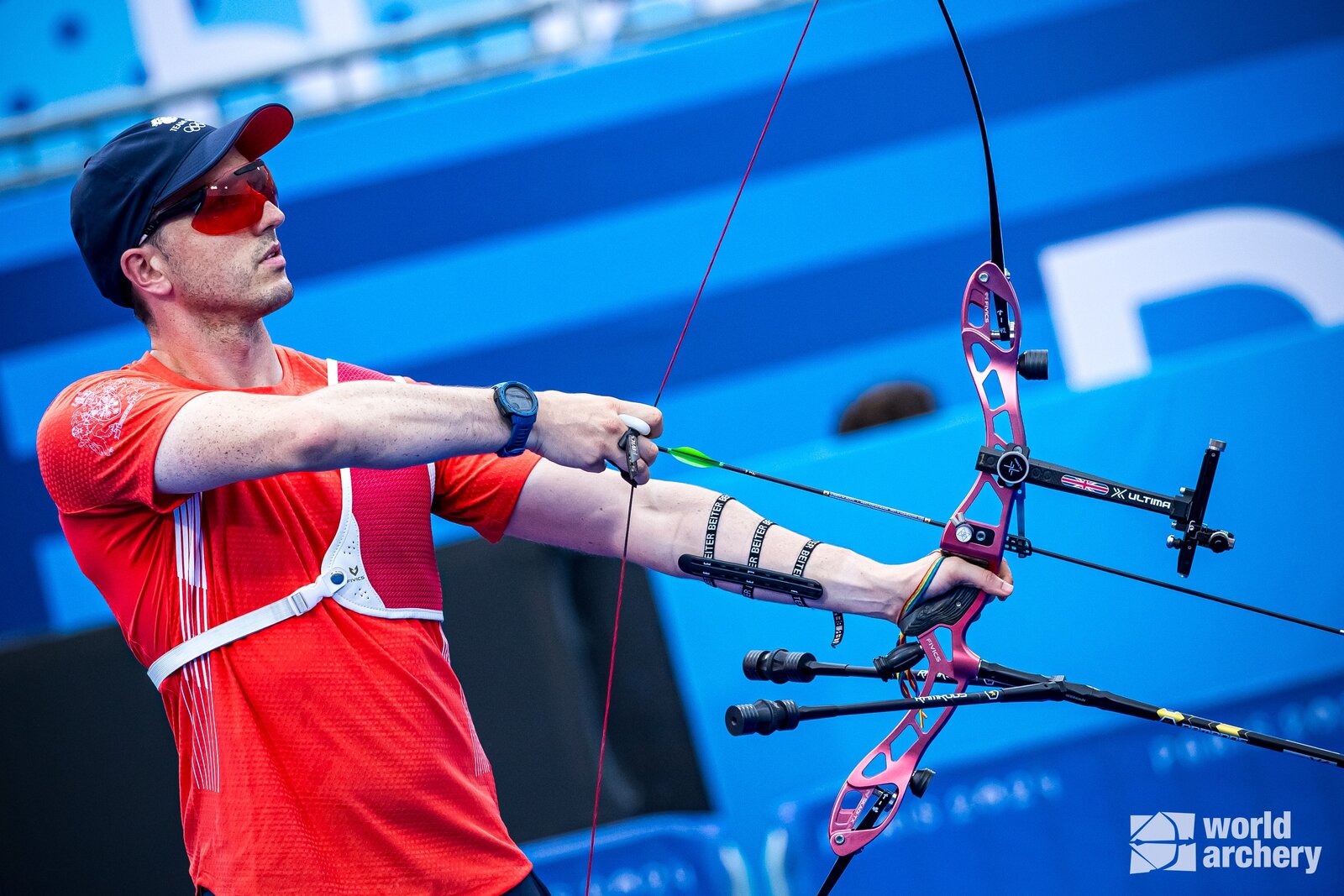
Modern Olympic archery uses advanced technology. Bows are lighter, more powerful, and more accurate. Arrows are made from carbon for speed and straightness.
Innovations
- Stabilizers: Reduce vibrations, improve accuracy.
- Advanced sights: Allow precise aiming.
- Weather sensors: Help athletes adjust for wind.
Coaches use data and video to analyze every shot. This level of detail was not possible years ago.
Pro Tip: Many beginners believe expensive gear will make them better. But Olympic archers say skill matters more than technology.
Credit: archerygb.org
The Olympic Archery Experience
Watching archery at the Olympics is exciting. Fans see athletes compete under extreme pressure, aiming for medals in front of millions. The sport is quiet but intense, with every shot shown in slow motion.
Spectator Appeal
Olympic archery is easy to understand. You see the target, the arrows, and the score. But the real drama is in the athletes’ faces, focus, fear, and triumph.
Accessibility
Many Olympic sports require expensive facilities. Archery is different. Anyone can practice with a simple bow and target. This makes archery popular worldwide, from schools to elite clubs.
The Future Of Olympic Archery
Archery continues to grow in the Olympics. The mixed team event shows a shift toward gender balance. More countries are investing in archery programs, and young athletes are bringing fresh energy.
Possible Changes
- New formats: More mixed events or new distances.
- Technology: Even smarter equipment and coaching tools.
- Global growth: More countries winning medals.
The World Archery Federation is working to make the sport more exciting for viewers and easier for beginners to join.

Credit: www.youtube.com
Frequently Asked Questions
Is Archery Only In The Summer Olympics?
Archery is part of the Summer Olympics. It is not included in the Winter Olympics, since it is not a snow or ice sport. However, archery is also featured in the Paralympics, where athletes with physical disabilities compete. These events use similar rules but often allow different equipment.
Are There Age Limits For Olympic Archers?
There is no strict age limit for Olympic archers. The World Archery Federation requires athletes to be at least 16 years old to compete in the Olympics. Some archers compete well into their 40s, as skill and experience can matter more than age.
Young athletes often start training early, but older archers can still qualify and win medals.
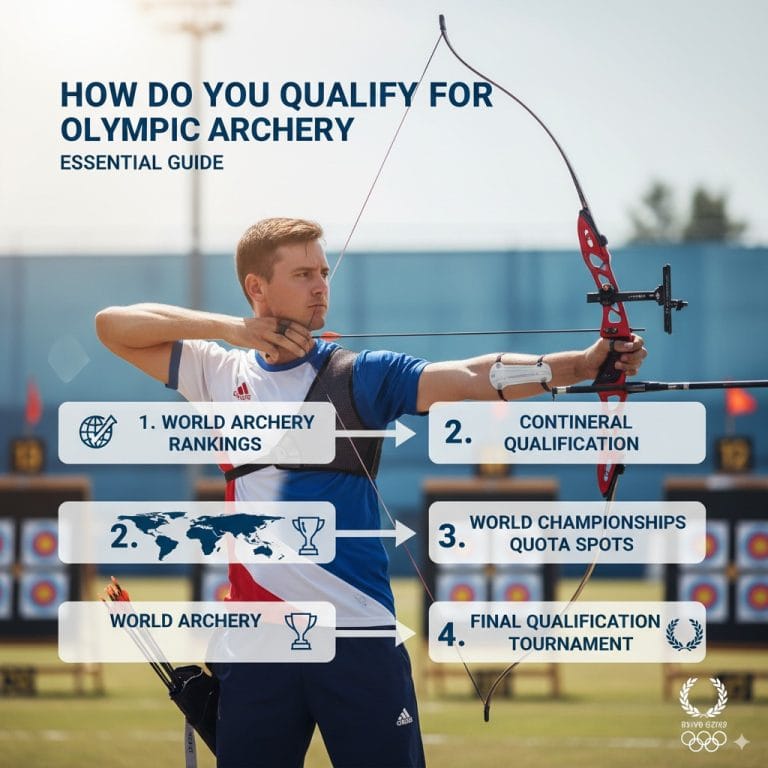
How Can Someone Qualify For Olympic Archery?
To qualify for Olympic archery, athletes must compete in international tournaments and earn a spot through their country’s selection process. The World Archery Federation organizes qualifying events. Each country has its own rules, but most require athletes to meet high standards and win national trials.
The process is competitive and demanding.
Is Archery Expensive To Start?
Archery can be affordable or expensive, depending on your goals. Beginners can start with a basic bow and arrows for a low price. Olympic-level gear costs more, with recurve bows, sights, and accessories adding up. Many clubs offer rental equipment and lessons.
If you want to compete internationally, expect to invest in training and gear.
Where Can I Watch Olympic Archery?
Olympic archery is broadcast on major sports channels and streaming platforms during the Games. The World Archery Federation also streams events online. For complete schedules, visit the official Olympic website or World Archery. Local clubs sometimes organize viewing parties for fans.
Archery’s place in the Olympics is secure and growing. Whether you are a fan, athlete, or beginner, Olympic archery offers a mix of tradition, skill, and modern excitement. The sport welcomes everyone, and its history shows that focus and perseverance can lead to greatness.
If you dream of becoming an Olympian, archery is a sport where anyone can aim for the gold, one arrow at a time.