Do I Need a Hunter Safety for Bow in Wisconsin? Key Requirements
Thinking about hunting with a bow in Wisconsin? Many people wonder if they need a hunter safety certificate. The rules can feel confusing, especially for beginners or those who learned hunting from family. Understanding Wisconsin’s laws about hunter safety for bowhunters is not just about following regulations, it’s about safety, respecting wildlife, and protecting yourself from legal trouble.
This article explains everything you need to know in clear, simple language.
We’ll look at who needs hunter safety certification for bowhunting, why it matters, the process of getting certified, and what happens if you hunt without it. You’ll also find practical tips, real examples, and a section answering common questions. Whether you’re new to bowhunting or returning after years away, you’ll find detailed guidance for safe, legal hunting in Wisconsin.
Wisconsin Hunter Safety Requirements For Bowhunters
Wisconsin’s hunting laws apply to many types of hunting, but not everyone knows the details for bowhunting. The main rule: if you were born on or after January 1, 1973, you must complete a hunter safety course to hunt with any weapon, including bows and crossbows. This requirement comes from the Wisconsin Department of Natural Resources (DNR).
So, if you were born before 1973, you do not need hunter safety certification. But younger hunters must take and pass the course before buying a hunting license.
Why Is Hunter Safety Mandatory For Bowhunters?
The hunter safety course teaches important skills:
- Safe handling of bows and arrows
- Identifying legal hunting hours and seasons
- Recognizing wildlife species
- Understanding ethical hunting practices
- Avoiding common accidents
Wisconsin’s DNR started this rule to reduce hunting injuries and improve safety. According to the DNR, hunting accidents dropped by more than 80% after introducing mandatory hunter safety in the 1970s. The course covers both firearms and archery, so bowhunters learn skills that help them in the field.
Age Restrictions And Exceptions
If you are under age 12, you cannot hunt alone, even if you have hunter safety certification. Instead, children ages 10-11 can participate in the Mentored Hunting Program. This allows young hunters to hunt while supervised by an adult with a valid hunting license.
There are a few exceptions:
- Landowners and their immediate family can hunt on their own land without hunter safety, but only if hunting on family-owned property.
- Active duty military and veterans may qualify for certain waivers, but must check with the DNR.
Pro Tip: Always check the latest DNR rules before hunting. Regulations can change, and special waivers may apply for unique situations.
How To Get Hunter Safety Certification In Wisconsin
Getting certified is straightforward but requires planning and effort. Wisconsin offers two main ways:
Traditional In-person Course
This option is popular for beginners. You attend classes taught by trained instructors, usually over several days. Classes include lectures, videos, hands-on practice, and a written exam. The course covers both firearm and bow safety.
Online Course With Field Day
Busy hunters often choose the online course. You study at your own pace using interactive lessons, then attend a field day for practical skills and testing. The field day is required to ensure you can safely handle hunting equipment.
To sign up, visit the Wisconsin DNR website or local hunting clubs. The cost is typically $10-20 for the course, plus any small fees for materials.
What The Course Teaches
The hunter safety course covers:
- Wisconsin hunting laws
- Safe equipment handling (bows, crossbows, firearms)
- Wildlife identification
- First aid basics for hunting accidents
- Ethical and responsible hunting
- Conservation principles
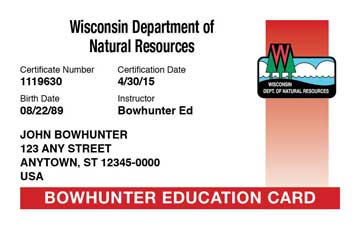
After completing the course and passing the exam, you receive a hunter safety certificate. You must present this certificate when buying your hunting license.
Buying A Bowhunting License In Wisconsin
Once you have your hunter safety certificate, you can buy a hunting license. Wisconsin offers several types:
- Archery license: Allows hunting with a bow and arrow during archery season.
- Crossbow license: For those who prefer crossbows.
- Combination license: Lets you use both methods in one season.
Hunting licenses are available online, at DNR offices, or through authorized retailers. You must show your hunter safety certificate if asked.
License Fees
Fees for bowhunting licenses vary:
- Resident archery license: $24
- Nonresident archery license: $160
- Crossbow license: Similar prices
Discounts may be available for youth, seniors, and veterans.
License Validity
Licenses are valid for one hunting season, usually from September to January. Always check specific dates and rules for each season.
What Happens If You Hunt Without Hunter Safety Certification?
Hunting without the required certification is illegal. If caught, you may face:
- Fines up to $2,000 (according to Wisconsin DNR)
- Loss of hunting privileges for several years
- Confiscation of hunting equipment
- Possible criminal charges
In my experience, even honest mistakes, like forgetting your certificate at home, can lead to trouble. Wardens often check licenses and certificates during hunting season.
Wisconsin takes these rules seriously to protect hunters and wildlife. If you’re unsure about your status, contact the DNR before hunting.

Credit: www.hunter-ed.com
Comparing Bowhunter Safety Rules In Wisconsin And Other States
Many people hunt in multiple states or move to Wisconsin from elsewhere. It’s helpful to see how Wisconsin’s laws compare. Here’s a quick overview:
| State | Hunter Safety Required for Bow? | Minimum Age | Mentored Hunting Option? |
|---|---|---|---|
| Wisconsin | Yes, if born after 1973 | 10 (with mentor) | Yes |
| Minnesota | Yes, for all hunters born after 1980 | 12 | Yes |
| Illinois | Yes, for all hunters | 12 | Yes |
| Michigan | Yes, for hunters born after 1960 | 10 (with mentor) | Yes |
Wisconsin’s rules are similar to nearby states, but always check each state’s regulations before traveling to hunt.
The Importance Of Hunter Safety For Bowhunters
Hunter safety is more than just a legal requirement. It protects you, other hunters, and wildlife. Bowhunting has unique risks compared to firearm hunting:
- Silent shooting: Bows are quiet, so hunters may not realize someone is nearby.
- Range mistakes: Estimating distance for bow shots is tricky, and mistakes can lead to wounded animals.
- Arrow handling: Mishandling arrows can cause serious injuries.
Completing hunter safety ensures you understand these risks and know how to avoid them. Wisconsin’s course includes special tips for bowhunters, like tree stand safety and ethical shot placement.
Real-life Example
A bowhunter in Wisconsin once shot at a deer, missing the animal but hitting a nearby tree stand. The incident could have been avoided with proper safety training. Hunter safety courses teach you to always check your surroundings before shooting.
Credit: www.bowhunter-ed.com
Common Mistakes Beginners Make
New bowhunters often make mistakes that can be costly or dangerous. Here are some frequent errors:
- Ignoring hunter safety rules: Some think the rules only apply to firearms, but they cover bows too.
- Not checking license requirements: Forgetting to buy the correct license or show your certificate.
- Unsafe tree stand use: Not wearing a harness or checking stand stability.
- Poor shot placement: Taking shots at the wrong angle or distance, leading to wounded animals.
- Not identifying targets: Shooting at movement without confirming it’s a legal animal.
Pro Tip: Always double-check your equipment and paperwork before heading out. It saves time and trouble.
Step-by-step Guide To Getting Certified
If you want to bowhunt in Wisconsin, follow these steps:
- Check your birth date: If born after January 1, 1973, certification is required.
- Choose a course: Decide between in-person or online with field day.
- Register: Sign up through the DNR website or local hunting club.
- Study: Complete all lessons and practice skills.
- Attend field day: Show your ability to handle hunting equipment safely.
- Pass the exam: Demonstrate knowledge of laws, safety, and ethics.
- Receive your certificate: Keep it safe and ready for license purchase.
Example Timeline
- Register for course: Early August
- Complete online lessons: 2 weeks
- Attend field day: Late August
- Buy hunting license: September
- Start hunting: Archery season opens
Credit: www.battlbox.com
Bowhunting Safety Tips For Wisconsin
Wisconsin’s landscape is diverse, with forests, fields, and wetlands. Follow these safety tips:
- Wear blaze orange: During gun deer season, bowhunters must wear visible orange clothing.
- Check tree stand safety: Use a harness and inspect stands before each hunt.
- Be aware of surroundings: Look for other hunters, hikers, or animals before shooting.
- Practice ethical hunting: Only take shots you are sure will kill the animal quickly and humanely.
- Carry first aid: Injuries can happen. A small kit can help in emergencies.
Bowhunting is rewarding, but preparation is key. Wisconsin’s hunter safety course covers these tips and more.
How Hunter Safety Improves Your Hunting Experience
Many hunters see certification as an obstacle, but it actually improves your experience:
- Confidence: Knowing you follow rules gives peace of mind.
- Better skills: Training helps with accuracy, tracking, and animal identification.
- Community respect: Ethical hunters earn trust from others.
- Legal protection: You avoid fines and keep hunting rights.
In my experience, certified hunters enjoy hunting more and worry less. The course is not just about rules, it makes you a better hunter.
Comparing Bowhunting And Firearm Hunting Rules
Some people wonder if bowhunting has different safety rules from firearm hunting. Here’s a comparison:
| Aspect | Bowhunting | Firearm Hunting |
|---|---|---|
| Hunter Safety Required? | Yes, for most | Yes, for most |
| Minimum Age | 10 (with mentor) | 10 (with mentor) |
| Course Content | Bow and crossbow safety, tree stand use | Firearm safety, handling, storage |
| Required Clothing | Blaze orange during gun season | Blaze orange always |
| Typical Injuries | Arrow wounds, falls from stands | Gunshot wounds |
Both types require hunter safety, but the skills and risks are different. Wisconsin’s course covers both, so you are prepared for any hunting method.
Where To Find Reliable Information
The best source for up-to-date hunting laws and safety rules in Wisconsin is the DNR website. They offer detailed guides, course registration, and contact details for questions. For national comparisons, the National Bowhunter Education Foundation is also helpful.
If you need more information, check this Wisconsin DNR Hunter Safety page.
Frequently Asked Questions
Is Hunter Safety Required For Bowhunting In Wisconsin If I Only Hunt On Private Land?
Yes, hunter safety certification is required for bowhunting even on private land if you were born after January 1, 1973. The only exception is for landowners and their immediate family hunting on their own property, but this does not apply to guests or renters.
Can I Use My Hunter Safety Certificate From Another State In Wisconsin?
Wisconsin recognizes hunter safety certificates from other states if the course meets national standards. You should bring your certificate when buying a license and may need to show it to a warden. If in doubt, contact the DNR to confirm your certificate is valid.
How Long Does The Hunter Safety Course Take To Complete?
The traditional in-person course usually takes 8-12 hours, spread over several days. The online course can be completed in a few days, but you must also attend a field day. It’s best to register early, as spots fill up before hunting season.
What Happens If I Lose My Hunter Safety Certificate?
If you lose your certificate, you can request a replacement from the DNR. They keep records of all certified hunters. You’ll need identification and may pay a small fee for a new card. It’s important to keep your certificate safe and make a backup copy.
Are There Special Hunter Safety Courses Just For Bowhunting?
Wisconsin’s hunter safety course covers both firearms and bows. However, there are extra bowhunter education courses available, especially for those wanting advanced skills or hunting in other states. These are optional but useful for learning specialized archery techniques.
Safe, legal bowhunting in Wisconsin starts with understanding hunter safety requirements. By following the rules, completing your certification, and practicing safe hunting, you protect yourself and others, and enjoy a better hunting experience. If you have questions, always check with the DNR or local experts.