Do Rifle Hunters Go Hunting With Bow Hunters? Surprising Facts
Do Rifle Hunters Go Hunting With Bow Hunters
Some people hunt with rifles. Others use bows. But do these hunters ever go hunting together? This question matters because hunting is not just about weapons, it’s also about style, safety, rules, and respect. If you’ve ever wondered if rifle hunters and bow hunters share the same hunting trips, you’re not alone.
Many beginners ask about this, hoping to find the best way to hunt or even join a group.
Let’s explore how rifle hunters and bow hunters might hunt together, what challenges they face, and how hunters really feel about mixing these two styles. You’ll find real examples, practical advice, and facts, not just opinions. By the end, you’ll understand why this topic is more complex than it first appears, and you’ll know how to approach hunting with people who use different gear.
Understanding Rifle Hunting And Bow Hunting
Rifle hunting and bow hunting are both popular ways to hunt. However, they are very different in terms of equipment, skill, and approach.
Rifle hunters use firearms. These weapons are powerful, can shoot from far away, and require less physical strength. Rifle hunting often involves spotting game from a distance and taking a quick, accurate shot. Many hunters prefer rifles because they increase the chance of a successful hunt. In the US, rifle hunting is the most common method for big game like deer, elk, and bear.
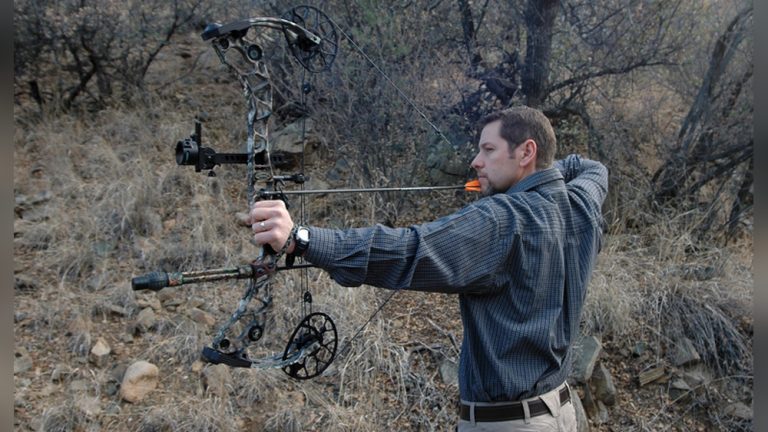
Bow hunters use bows, either compound, recurve, or traditional. Bow hunting is quieter and requires the hunter to get much closer to the animal, usually less than 40 yards. It demands patience, stealth, and careful movement. Many bow hunters say the challenge is what makes it fun. The bow season often starts before rifle season, giving bow hunters a longer window.
These differences matter when hunters plan a trip together. For example, a bow hunter may move slowly and quietly, while a rifle hunter may be comfortable moving quickly or covering more ground.
Can Rifle Hunters And Bow Hunters Hunt Together?
The short answer: Yes, but it depends. There are situations where rifle hunters and bow hunters hunt together, but it’s not always easy. Let’s look at the main factors that affect this.
Rules And Regulations
Most states and countries have laws about hunting seasons and weapons. For example, some areas have special archery-only seasons when rifles are not allowed. At other times, both rifles and bows are permitted. Hunters must follow these rules to avoid fines or losing their licenses.
Here’s a comparison of typical hunting seasons:
| State | Archery Season | Rifle Season | Mixed Season |
|---|---|---|---|
| Colorado | Early September | Late October | Some units in November |
| Pennsylvania | Late September | Early December | Rarely overlaps |
| Texas | October-November | November-January | Yes, in many zones |
So, rifle hunters and bow hunters can only hunt together if the season allows both weapons. Always check local regulations before planning a mixed hunt.
Hunting Styles And Group Dynamics
There are differences in how rifle hunters and bow hunters hunt. This affects whether they can work together. For example:
- Rifle hunters often move quickly, cover more ground, and can take shots from longer distances.
- Bow hunters move slowly, stalk carefully, and need to get very close to game.
If a bow hunter is in a group with rifle hunters, they might feel rushed or worry that noise will scare away animals. Rifle hunters might feel frustrated if they have to slow down for bow hunters. In my experience, mixed groups work best when everyone agrees on a plan and respects each other’s needs.
Safety Concerns
Safety is a big issue. Hunting with different weapons means different risks. Rifle hunters must be careful about their shooting direction and range. Bow hunters are usually quieter, so rifle hunters need to be extra aware to avoid accidents. When hunting together, clear communication and bright clothing are important.
Pro Tip: Always use hunter orange when hunting with rifles. It’s required in most states and helps everyone stay visible.
Land And Access
Some private lands allow only one type of hunting. Public lands may have restrictions. It’s important to ask landowners or check maps. In some places, bow hunting is allowed in areas where rifles are banned for safety reasons (like near towns).
This affects whether you can plan a mixed hunt.
Real-life Examples Of Mixed Hunting Groups
Hunters often share stories about mixed groups. Here are a few scenarios:
- Family Hunts: In many families, some members use rifles and others use bows. They hunt together, but split up during the day or hunt different spots. At the end of the day, they meet to share stories.
- Guided Hunts: Some hunting guides offer trips for mixed groups. They help plan routes so bow hunters can stalk quietly while rifle hunters cover larger areas. Guides make sure everyone understands the plan.
- Hunting Camps: At camps, hunters may use any weapon allowed by the season. They hunt in pairs or solo, then gather at camp to share advice. Camps often have rules to avoid conflicts.
Example: In my experience, hunting with both rifle and bow hunters works best when everyone knows the area well and talks honestly about their preferences. One year, I joined a camp where half the group used bows. We made a rule: rifle hunters would stay on the north side, bow hunters on the south. This avoided problems and made the hunt safer.
Advantages And Challenges Of Mixed Hunting Groups
Mixed hunting groups can be fun and educational, but there are real challenges.
Advantages
- Learning from Others: Hunters learn new techniques from each other. Rifle hunters might try bow hunting later, and vice versa.
- Shared Experience: Mixed groups often bond over their differences. They share tips and celebrate each other’s successes.
- Covering More Ground: With both rifles and bows, the group can hunt in more ways and more places.
Challenges
- Noise: Rifle hunters are often louder, which can ruin the stealth needed by bow hunters.
- Pace: Bow hunters move slowly; rifle hunters sometimes get impatient.
- Safety: Mixing weapons increases risk if hunters do not communicate well.
- Planning: Extra planning is needed to keep everyone happy and safe.
Here’s a quick comparison of group hunting styles:
| Group Type | Noise Level | Speed | Game Approach |
|---|---|---|---|
| Rifle Only | Medium | Fast | Long-range spotting |
| Bow Only | Low | Slow | Close stalking |
| Mixed | Medium-High | Varies | Depends on hunter |
How To Plan A Successful Mixed Hunt
If you want to hunt with both rifle and bow hunters, planning is key. Here are practical steps to make it work:
- Check Regulations: Make sure the season allows both weapons. Get permits for each type.
- Discuss Expectations: Talk about how each hunter likes to hunt. Agree on the pace, routes, and times.
- Safety First: Wear hunter orange. Agree on signals for communication. Know each other’s location.
- Split Up When Needed: Sometimes, it’s better to hunt separately and meet later. This avoids conflict.
- Respect Differences: Understand that bow hunting is harder and slower. Rifle hunters should support bow hunters, and vice versa.
Example: One group I know uses walkie-talkies to stay in touch. They set rules for how close rifle hunters can be to bow hunters. They also agree to celebrate each type of success, whether it’s a deer taken with a bow or a rifle.

Credit: www.agfc.com
Social Dynamics And Attitudes
Hunters often have strong opinions about their chosen method. Some bow hunters see their style as more “sporting” or “challenging. ” Rifle hunters may value efficiency and tradition. There can be friendly rivalry, but most groups respect each other.
The Role Of Clubs And Organizations
Many hunting clubs allow both rifle and bow hunters. They organize events for both types. Clubs often provide training and safety courses. This helps bridge the gap between the two groups.
For example, the National Rifle Association and Archery Trade Association both encourage safe, ethical hunting. They provide resources for mixed groups.
Online Communities
Online forums and social media groups give hunters a place to share experiences. Many posts show mixed groups sharing photos and advice. This helps new hunters learn how to join mixed hunts.
Environmental Impact And Ethics
Both rifle and bow hunting can affect the environment. Hunters must follow ethical rules to avoid harming wildlife.
Conservation
Hunters play a role in conservation. By following rules and hunting responsibly, they help manage animal populations. Both rifle and bow hunters must report their harvests and follow bag limits.
Ethics
Ethical hunting means respecting animals and other hunters. Mixed groups must agree on what’s fair, such as not shooting at animals that another hunter is stalking.
Pro Tip: Always talk about ethics before the hunt. Agree on rules for sharing game and respecting each other’s shots.
The Future Of Mixed Hunting Groups
The future looks bright for mixed hunting groups. As more people try both rifles and bows, the lines between the two styles blur. Many young hunters start with rifles, then learn to use bows. Technology also helps, better gear, GPS, and safety equipment make mixed hunting safer.
However, some challenges remain. Hunters must keep up with changing rules. They must learn to work together and respect each other’s style. Clubs, guides, and online groups play a big role in helping hunters adapt.
Comparison Of Equipment And Success Rates
Let’s compare typical equipment and success rates for rifle and bow hunters. This helps show why some hunters choose one method over the other.
| Weapon | Typical Range | Success Rate | Cost |
|---|---|---|---|
| Rifle | 100, 300 yards | Higher (varies by state) | Moderate ($400, $1,500) |
| Compound Bow | 20, 40 yards | Lower | Moderate ($300, $1,200) |
| Recurve Bow | 10, 30 yards | Lowest | Low ($100, $500) |
Success rates are often higher for rifle hunters because of the longer range and easier aiming. However, many bow hunters value the challenge more than the success rate.

Credit: www.hunter-ed.com
Tips For First-time Mixed Hunting Groups
If you’re new to mixed hunting, here are some tips:
- Start Small: Try hunting with one or two people using different weapons before joining a big group.
- Take Training: Attend a safety course for both rifle and bow hunting.
- Share Knowledge: Ask experienced hunters for advice. Listen to their stories.
- Stay Flexible: Be ready to change your plan if needed. Mixed hunts require teamwork.
Warning: Do not hunt with mixed weapons unless everyone understands the rules and safety needs. Accidents can happen if hunters are careless.
Frequently Asked Questions
Do Rifle Hunters And Bow Hunters Use The Same Hunting Grounds?
No, not always. Some areas are reserved for archery-only hunting, especially near cities or parks where rifle hunting is unsafe. Other lands allow both, but hunters should always check maps and local rules before planning a hunt.
Is It Legal To Hunt With Rifles And Bows At The Same Time?
It depends on local regulations. Some states have mixed seasons where both weapons are allowed, but others have separate seasons. Always check with your state wildlife agency or game commission before hunting.
How Do Mixed Hunting Groups Avoid Accidents?
Groups use several methods: wearing hunter orange, clear communication, setting zones for each hunter, and regular check-ins. Some groups use walkie-talkies or GPS tracking to keep everyone safe.
Do Rifle Hunters And Bow Hunters Share Hunting Tips?
Yes, but the advice is often different. Rifle hunters may teach about spotting game from afar, while bow hunters focus on stalking and patience. Sharing tips helps both types learn new skills and improve their hunts.

Credit: www.mossyoak.com
Are There Organizations That Support Mixed Hunting?
Yes. Many clubs, such as National Rifle Association and Archery Trade Association, welcome both rifle and bow hunters. They offer training, events, and resources for mixed groups. For more details, see National Rifle Association.
Hunting with both rifle and bow hunters can be a rewarding experience if done carefully. With good planning, respect, and clear communication, mixed hunting groups can learn from each other and enjoy the hunt together. The key is understanding the differences and making safety the top priority.
Whether you’re a beginner or an expert, trying both styles can make you a better hunter, and open new ways to enjoy the outdoors.