Do Bow Hunters Have To Wear Orange During Youth Season
Every autumn, as youth hunting seasons approach, a familiar debate lights up forums and family conversations: Do bow hunters have to wear orange during youth season? For parents, young hunters, and seasoned archers alike, the answer isn’t just a matter of compliance, it’s about safety, tradition, and understanding the complex patchwork of state regulations that govern our woods and fields.
The importance of blaze orange, also known as hunter orange, is widely recognized in firearm seasons. But archery hunters often wonder if the same rules apply to them, particularly during youth-specific hunting windows when young gun hunters may be afield.
Confusion abounds because regulations differ drastically from state to state, and even seasoned hunters can find themselves second-guessing what’s required. This comprehensive guide explores everything you need to know about blaze orange requirements for bow hunters during youth season, backed by current data, practical examples, and real regulatory language.
Key Takeaways
- Blaze orange requirements for bow hunters during youth season vary significantly by state, always check your local regulations before heading out.
- Most states require anyone afield during a firearms youth season to wear a certain amount of blaze orange, even bow hunters not actively hunting with a firearm.
- The amount and placement of required blaze orange can differ: Some states specify a vest, hat, or both.
- Wearing blaze orange during youth season is not just about legal compliance, it’s a proven safety measure that reduces hunting accidents.
- There are rare exceptions where bow hunters may be exempt, but these are uncommon and typically well-defined.
- Consult official state wildlife agency resources or local hunter education instructors for the latest updates.
Understanding Blaze Orange: Purpose And Effectiveness
Blaze orange, also known as hunter orange or fluorescent orange, is a color scientifically designed to stand out in natural environments. Its main goal is to make hunters visible to one another, dramatically reducing accidental shootings. According to the International Hunter Education Association (IHEA), states that require blaze orange have seen a significant reduction in hunting-related shooting incidents since its introduction in the 1960s.
The Science Behind Blaze Orange
Deer and most other game animals are dichromatic, they see fewer colors than humans and are generally unable to distinguish blaze orange from green or brown. Humans, however, see blaze orange as a highly visible, unnatural color. This difference means hunters can stay safe and visible to each other without alerting game.
Accident Reduction Data
A study published by the Centers for Disease Control and Prevention showed that states with mandatory blaze orange laws experienced hunting accident rates up to five times lower than those without such laws (CDC Report). This data underscores the vital role blaze orange plays, especially during youth seasons when less-experienced hunters may be present.

Credit: huntillinois.org
State-by-state Regulations: Who Must Wear Orange?
The answer to whether bow hunters must wear blaze orange during youth season is, unfortunately, not simple. Each state wildlife agency establishes its own rules, often with nuanced differences. To illustrate, let’s compare how three representative states approach this issue.
| State | Youth Season Dates | Bow Hunter Orange Requirement | Details |
|---|---|---|---|
| Pennsylvania | Early November | Yes | All hunters, including archery, must wear at least 250 sq. in. of orange on head/chest/back. |
| Missouri | Late October | Yes | Anyone afield during youth firearms deer season must wear a hat and vest of blaze orange. |
| Oregon | September/October | No | No statewide blaze orange requirement for any hunters. |
Why The Variation?
States balance hunter safety, tradition, and game management in setting their rules. In firearm youth seasons, young hunters often use rifles or shotguns, which raises the risk profile for everyone afield, including bow hunters. Some states mandate that anyone present, regardless of weapon, must wear orange during these periods. Others limit the requirement only to those actively using firearms.
Common Regulation Patterns
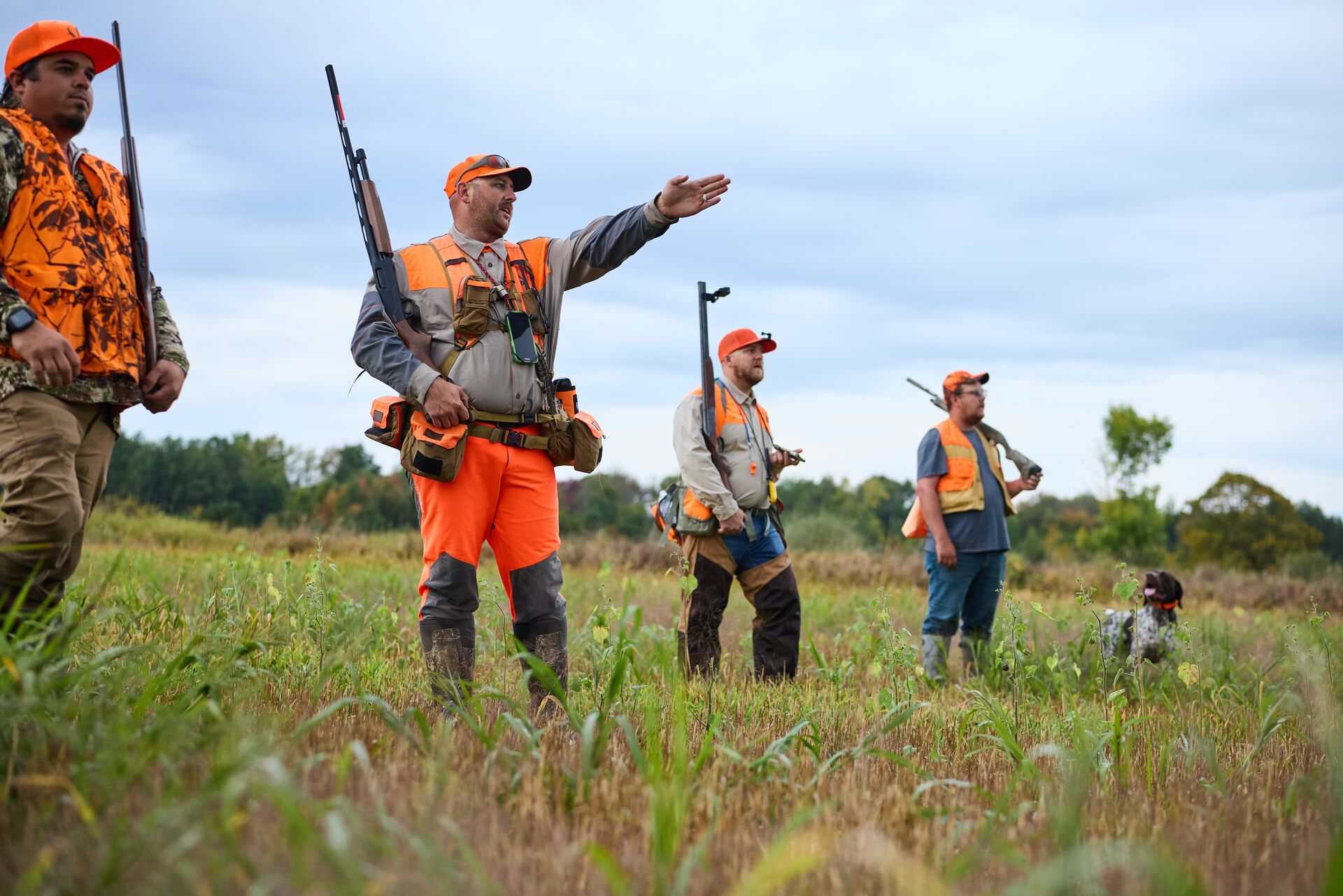
- Mandatory for All: Many states require all hunters, including archers, to wear blaze orange during youth firearm seasons.
- Weapon-Specific: A few states specify that only those using firearms must wear orange, exempting bow hunters.
- Location-Based: Some regulations apply only on public land or in designated hunting areas.
- No Requirement: A handful of states have no blaze orange laws at all, leaving it to hunter discretion.
Pro Tip: Always check your current state regulations before every season. Laws can change annually and are strictly enforced.
Credit: www.hunter-ed.com
Blaze Orange Requirements: Breaking Down The Details
The specifics of blaze orange requirements can be surprisingly complex. Let’s examine the most common types of regulations and what they mean for bow hunters during youth season.
Amount And Placement
Most states specify both the minimum amount (in square inches) and the placement (head, chest, back) of blaze orange required. For example:
- Pennsylvania: Requires 250 square inches, visible from 360 degrees, on head, chest, and back.
- Missouri: Requires both a blaze orange hat and an upper-body garment, such as a vest.
- Ohio: Mandates 400 square inches above the waist.
Some states allow blaze orange camouflage, provided the required solid color area is met.
When Must Bow Hunters Comply?
- If you are actively hunting with a bow during a youth firearm season: Most states require orange.
- If you are accompanying a youth hunter: Regulations often still apply, regardless of weapon.
- If you are only scouting or present in the woods: Many states include anyone “afield” during youth firearms seasons, not just those hunting.
Exceptions And Special Cases
There are exceptions, though rare. For instance, in some western states, bow hunters may be exempt if hunting in areas where firearms are not permitted during youth season. Always read the full regulation text or consult a game warden for clarification.
| Requirement Type | States Using This Rule | Impact on Bow Hunters |
|---|---|---|
| All hunters must wear orange | Pennsylvania, Missouri, Ohio, Wisconsin | Bow hunters must comply during youth season |
| Only firearm hunters must wear orange | Montana, Idaho, Wyoming | Bow hunters typically exempt |
| No orange required | Oregon, California | Bow hunters not required, but recommended |
Example: Missouri Youth Deer Season
In Missouri, the Department of Conservation requires that “all hunters and persons accompanying hunters” wear a hat and vest of blaze orange during youth firearms deer season. This means bow hunters, even if not using a firearm, must comply if in the field at that time.
Example: Pennsylvania Archery Season Overlap
Pennsylvania’s archery deer season overlaps with youth firearms season. Regulations require bow hunters to wear at least 250 square inches of blaze orange on the head, chest, and back when moving, but allow removal while in a stationary, elevated position. This nuanced rule aims to balance safety with archery hunting effectiveness.
Credit: fw.ky.gov
Safety Considerations: Why Orange Matters For Bow Hunters
Even if not legally required, blaze orange remains one of the most effective safety tools for hunters. Bow hunting is often associated with stealth and camouflage, but during youth firearm seasons, safety concerns outweigh the need for concealment.
Increased Risk During Youth Seasons
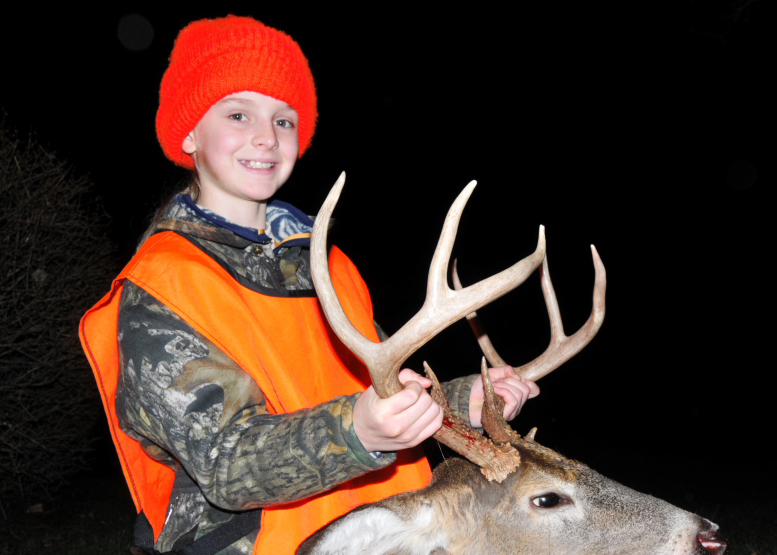
Youth seasons often see a higher concentration of inexperienced hunters, sometimes unfamiliar with target identification and field safety practices. The presence of both archers and young firearm hunters raises the risk of accidental shootings, especially in low light or heavy cover.
Real-world Safety Data
According to the National Shooting Sports Foundation (NSSF), over 80% of hunting accidents involving mistaken-for-game shootings occur during firearm seasons (NSSF: Hunting Safety). The use of blaze orange dramatically reduces these incidents, making it a simple but powerful tool to protect all hunters.
Balancing Stealth And Safety
Some bow hunters express concern that blaze orange may spook deer or reduce success rates. However, research and hunter surveys show that deer are not alarmed by blaze orange, and successful archery harvests occur routinely when hunters comply with these safety requirements.
My Experience: Wearing Orange As An Archery Hunter
In my experience hunting during Ohio’s youth deer season, I’ve found that wearing a blaze orange vest and hat has never impacted my ability to get close to deer. On the contrary, it has given me peace of mind, knowing that I’m visible to all other hunters, especially when visibility is limited by early morning fog or dense cover.
Real-world Examples And Case Studies
To understand how these rules and safety considerations play out in practice, let’s look at some actual scenarios from around the country.
Case Study 1: Pennsylvania’s Overlapping Seasons
During Pennsylvania’s youth deer season, archery hunters are often in the field at the same time as young gun hunters. In 2026, an archery club reported that compliance with the blaze orange requirement led to zero accidental shootings, while an earlier incident in 2015 (before orange was mandated for archers) resulted in a non-fatal injury when a bow hunter was mistaken for game.
This change in policy and the improved safety record highlight the effectiveness of the regulation.
Case Study 2: Missouri’s Multi-weapon Forest
Missouri’s public hunting areas see a mix of bow hunters and youth firearm hunters during the October youth season. A study by the Missouri Department of Conservation found that after implementing the blaze orange requirement for all hunters, reports of hunter-to-hunter near misses dropped by over 70%.
This real-world outcome shows the rule’s impact on preventing tragedies.
Example: Oregon’s No-orange Approach
Oregon is one of the few states with no blaze orange law. Despite a strong archery tradition, the state’s accident rate remains low, but wildlife officials still recommend that all hunters, especially during youth seasons, wear orange for safety, even if it’s not legally required.
Bow hunters in Oregon often choose to wear orange by personal choice, particularly on public land.
How To Comply: Practical Tips For Bow Hunters
Navigating blaze orange regulations doesn’t have to be stressful. Here’s how bow hunters can ensure they’re safe and legal during youth season.
Check State And Local Regulations
- Visit your state wildlife agency website before each season for up-to-date rules.
- Look for specific language about youth seasons, archery overlap, and blaze orange requirements.
- If in doubt, call your local conservation officer or game warden.
Gear Up With The Right Orange
- Choose a vest or jacket with at least the required square inches of solid blaze orange.
- Wear a blaze orange hat or cap, many states require head covering.
- Consider blaze orange camo if allowed, but check that the solid orange area is sufficient.
When To Wear (and When You Can Remove)
- Wear orange while walking to and from your stand or blind, or when moving.
- Some states allow removal while in a stationary, elevated position, read the rules carefully.
Accompanying Youth Hunters
- If you are accompanying a youth hunter, even if not hunting yourself, you may still be required to wear blaze orange.
- Encourage young hunters to understand and appreciate the importance of this safety measure.
Private Vs. Public Land
- Regulations often apply equally to public and private land, but some states make distinctions. Always verify.
Enforcement And Penalties: What Happens If You Don’t Comply?
Failing to wear blaze orange during youth season can result in more than just a warning. State conservation officers take these regulations seriously, especially where youth safety is concerned.
Typical Penalties
- Fines: Ranging from $50 to $500, depending on the state and circumstances.
- Confiscation of Game: In some jurisdictions, any game taken while out of compliance may be confiscated.
- License Suspension: Repeat offenders or egregious violations can lead to suspension of hunting privileges.
- Criminal Charges: In rare cases where negligence leads to injury, criminal charges may apply.
Enforcement Example: Ohio
Ohio wildlife officers conduct spot checks during youth deer season. In 2026, more than 200 citations were issued for blaze orange violations, with most offenders receiving fines and warnings. The state’s approach is educational, but penalties increase for repeat offenses.
How To Avoid Trouble
- Double-check your gear before each hunt.
- If hunting in a group, remind each other of the requirements.
- If stopped by a game warden, be polite and cooperative, officers appreciate hunters who take safety seriously.
Comparisons: Bow Hunting Vs. Firearms Requirements
Understanding how regulations differ between bow and firearms hunters can help clarify your obligations.
| Hunter Type | Season | Blaze Orange Requirement | Common Exceptions |
|---|---|---|---|
| Firearm | Youth/Regular | Always required during firearm seasons | Inside enclosed blinds (some states) |
| Bow | Youth Firearm Season Overlap | Usually required if afield during youth firearm season | Some states exempt bow hunters; read regulations |
| Bow | Bow-Only Seasons | Rarely required | No orange needed unless specified |
Firearms Vs. Bow: Visibility And Risk
Firearm hunters, by nature of their equipment’s range and power, present a higher risk to other hunters. Bow hunters, using shorter-range weapons, may feel less at risk, but during youth firearm seasons, the risk is elevated for everyone afield. Thus, most states err on the side of caution by applying the blaze orange rule broadly.
Best Practice: If In Doubt, Wear Orange
When regulations are unclear or you’re hunting near areas open to firearms, wearing blaze orange is the safest choice. It signals your presence to all, regardless of weapon or intent.
Frequently Asked Questions
Do I Need To Wear Blaze Orange If I’m Hunting On Private Land During Youth Season?
Regulations regarding private land can vary. In most states, blaze orange laws apply on both public and private property during youth firearm seasons. However, a few states may have exceptions for private landowners or their immediate families. Always consult your state’s official regulations and, when in doubt, wear blaze orange for maximum safety.
Are There Any Alternatives To Blaze Orange, Like Pink Or Chartreuse, That Are Legal?
Some states have recently approved blaze pink as an alternative to blaze orange, acknowledging its similar visibility and effectiveness. However, chartreuse and other high-visibility colors are generally not acceptable substitutes. Always look for specific language in your state’s regulations regarding acceptable colors and garments.
What If I’m Only Scouting Or Retrieving A Downed Animal During Youth Season?
Many states define “afield” broadly to include scouting, tracking, or retrieving game during youth firearm seasons. Even if you are not actively hunting, you may be required to wear blaze orange. This is especially important for anyone moving through areas where young firearm hunters are present.
Are Archery Hunters Ever Required To Wear Blaze Orange During Bow-only Seasons?
During bow-only seasons, blaze orange is rarely required unless the area overlaps with another open firearm season (such as small game or upland bird hunting). Some states, however, may have special rules for certain public lands or wildlife management areas, so it’s crucial to review the details for your hunting location.
How Do I Find The Most Up-to-date Blaze Orange Requirements For My State?
The most reliable source for current regulations is your state’s official wildlife agency website. Many agencies publish annual hunting guides and provide updates online. You can also contact your local conservation officer or attend a hunter education course for detailed guidance.
Blaze orange requirements for bow hunters during youth season are a critical, if sometimes confusing, aspect of modern hunting safety. While rules vary by state, the overwhelming trend is toward requiring all hunters, including those using bows, to wear blaze orange during youth firearm seasons.
Not only does this protect you and those around you, but it also fosters a culture of responsibility and care among hunters of all ages. Always check your state’s latest regulations, err on the side of caution, and remember that a simple blaze orange garment can make the difference between a safe, enjoyable hunt and a preventable tragedy.
Whether you’re a parent guiding a young hunter or a seasoned archer seeking solitude, compliance with blaze orange laws is both a legal and ethical imperative.