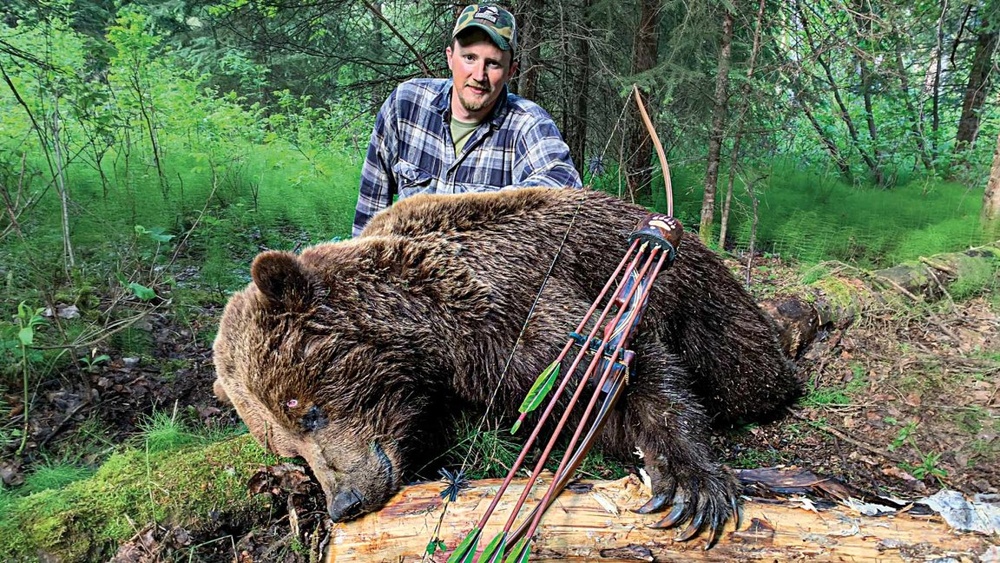
Do People Bow Hunt Grizzly Bear? Myths, Facts, and Safety Tips
When people think of grizzly bears, they picture one of the wildest, most powerful animals in North America. The idea of hunting such a formidable creature with a bow and arrow sounds almost legendary, a true test of skill, nerve, and respect for nature.
But do people actually bow hunt grizzly bears? The answer is yes, but the story is complex. Laws, ethics, skill, and history all play a part. For those curious about the reality of grizzly bear bow hunting, whether you’re a hunter, wildlife enthusiast, or just interested in human-wildlife interactions, this guide will walk you through what’s real, what’s myth, and what matters most.
The Reality: Is Bow Hunting Grizzly Bears Legal And Practiced?
Grizzly bears are protected in many places. In the lower 48 states of the United States, grizzly bear hunting has been mostly banned since the 1970s when they were listed as a threatened species under the Endangered Species Act. But in parts of Alaska and Canada, hunting grizzlies, including with a bow, is still legal under strict rules.
Here, some hunters do pursue grizzlies with bows, but it is far less common than using firearms.
The Alaska Department of Fish and Game allows both rifle and bow hunting for brown bears (including grizzlies) in many regions. Hunters must get special permits and follow regulations on timing, methods, and reporting. In Canada, especially in the Yukon and certain parts of British Columbia, grizzly bear hunting is allowed but highly regulated. Notably, British Columbia banned grizzly hunting in 2017 except for First Nations sustenance needs.
So, while bow hunting for grizzly bears is rare, it does happen legally in specific regions. Most hunters who attempt it are highly experienced and aware of the risks involved.
The Challenge: Why Bow Hunting Grizzly Bears Is Rare And Risky
Bow hunting any large animal is challenging. Bow hunting grizzly bears raises the stakes to a different level. Grizzlies can weigh between 300 and 800 pounds, with some males reaching over 1,000 pounds. They are fast, strong, and known for their unpredictable nature.
Key Challenges For Bow Hunters
- Close Range Required: To ensure a humane kill, bow hunters must get very close, often within 30 yards or less. This is much closer than with a rifle.
- Bear Behavior: Grizzlies are intelligent, can be aggressive, and may charge if wounded or surprised.
- Physical Barriers: Dense forests, open tundra, and unpredictable weather in grizzly country make stalking even harder.
- Equipment Demands: Hunters must use powerful bows and heavy, razor-sharp broadheads to ensure penetration through thick muscle and bone.
Pro Tip: Most bow hunters who go after grizzlies are accompanied by a backup guide with a firearm for safety.
Personal Experience
In my experience guiding in Alaska, most hunters who consider bow hunting a grizzly quickly realize the preparation needed goes far beyond normal big game hunts. Respect for the animal, and understanding the risks, are essential.
Legal Requirements And Hunting Ethics
Regulations In The Us And Canada
Laws vary not just by country but by state and province. Even within Alaska, some areas are closed to bear hunting, while others require specific draw permits. Hunters must check local laws every season.
| Region | Grizzly Hunting Allowed? | Bow Hunting Permitted? | Permit Type |
|---|---|---|---|
| Alaska | Yes | Yes | General or Draw |
| Yukon, Canada | Yes | Yes | Limited Entry |
| British Columbia | Mostly No | Mostly No | First Nations Only |
| Lower 48 US States | No | No | Not Available |
Ethical Considerations
Many hunters debate the ethics of hunting grizzly bears, especially with a bow. The main concerns are:
- Animal Suffering: Bow shots must be extremely precise to avoid unnecessary suffering. Not all hunters have the skill to guarantee this.
- Fair Chase: Bow hunting is seen as fair chase because of the difficulty, but it increases risk to both hunter and animal.
- Population Management: Some argue that limited hunting helps manage populations and fund conservation. Others believe grizzlies should be left alone due to their low numbers.
Many hunting groups, like the Pope and Young Club, set strict standards for ethical bow hunting, including minimum draw weights and arrow specifications.
Equipment: What Kind Of Bow And Arrows Are Used?
Not all bows are suitable for grizzly bears. Hunters need equipment that delivers maximum power and penetration. The right setup is critical for both safety and humane kills.
Typical Grizzly Bowhunting Gear
- Compound Bows: Most common, with draw weights of 70 pounds or more.
- Recurve Bows: Used by traditionalists, but require even higher draw weights for similar power.
- Broadheads: Heavy, fixed-blade broadheads, usually 200 grains or more, are preferred for deep penetration.
- Arrows: Arrows are heavy (500, 700 grains total) to maximize impact energy.
| Bow Type | Draw Weight (lbs) | Arrow Weight (grains) | Broadhead Type |
|---|---|---|---|
| Compound | 70, 80+ | 500, 700 | Fixed-blade, 200+ grains |
| Recurve | 75, 85+ | 600, 800 | Fixed-blade, 200+ grains |
Non-obvious Insight
A common beginner’s mistake is thinking any big game bow setup will work for grizzlies. In reality, grizzlies have thick hides, dense muscle, and heavy bone. Many standard deer or elk setups lack the power needed for a clean kill.
Warning: Using underpowered equipment can result in wounded animals and dangerous situations for the hunter.
Preparation: Training, Safety, And Physical Demands
Bow hunting grizzly bears requires more than just the right gear. It demands mental and physical preparation, advanced marksmanship, and an understanding of bear behavior.
Physical And Mental Training
- Fitness: Hunters must be in excellent shape. Tracking and stalking can mean hiking miles in rough terrain while carrying heavy gear.
- Marksmanship: Hunters practice for months, focusing on quick, accurate shots at close range, often under pressure.
- Bear Behavior: Knowledge of bear body language, feeding habits, and reaction to humans is crucial.
Safety Considerations
- Backup Plan: Most guides carry a large-caliber firearm as a backup. Some regions require this by law.
- First Aid: Hunters prepare for emergencies, including bear attacks, severe weather, and injuries far from help.
- Communication: GPS devices and satellite phones are standard, as cell coverage is rare in grizzly country.
Example: The Importance Of Shot Placement
A perfect heart-lung shot is needed for quick, ethical kills. Shots that are too far back or high may not stop a grizzly, leading to dangerous follow-up situations.
Hunting Methods: How Grizzly Bow Hunts Actually Work
Bow hunting grizzlies is not a casual activity. It involves careful planning, patience, and often days of preparation.
Common Hunting Approaches
- Spot and Stalk: Hunters glass open areas, spot a bear, and carefully stalk within bow range. This method requires patience and stealth.
- Baiting: Legal in some regions, this method uses scent or food to attract bears. It allows for a controlled shot but is controversial and banned in many places.
- Calling: Some hunters use predator calls to bring in curious or territorial bears. This is risky, as it can bring the bear straight to the hunter.
Realistic Success Rates
Most bow hunts for grizzlies are unsuccessful. Even with good planning, getting within range and making a clean shot is very hard. Many hunters spend days or weeks and never get a shot.
Risks And Dangers Unique To Grizzly Bow Hunting
No other North American hunt carries the same level of risk as bow hunting a grizzly. The threat is not just theoretical, hunters have been injured and killed by wounded or surprised bears.
Specific Dangers
- Close Encounters: At bow range, bears can reach the hunter in seconds if they charge.
- Wounded Bears: A bear hit but not killed may become aggressive, unpredictable, and harder to track.
- Environmental Hazards: Weather in grizzly country changes quickly. Hunters may face snow, rain, or freezing temperatures at any time.
Non-obvious Insight
A surprising risk is the “false sense of security” some hunters get from having a backup firearm. In a real charge, even experienced guides may not have time to react. The best safety is careful planning and never taking risky shots.
Conservation And The Role Of Hunting
Grizzly bear populations are slowly recovering in some areas, but they remain vulnerable. In places where hunting is allowed, it is tightly controlled to prevent overharvest.
Funding And Population Control
In Alaska and parts of Canada, hunting licenses, permits, and fees help fund wildlife conservation and research. Controlled harvests may also help manage bears in areas with too many human-bear conflicts.
However, critics argue that any hunting of grizzlies is risky for long-term survival. Conservationists stress that hunting should only occur where populations are stable and science supports it.
For more on grizzly bear conservation and hunting regulations, see the US Fish & Wildlife Service.

Credit: www.youtube.com
Comparing Bow Hunting To Rifle Hunting For Grizzly Bears
To better understand the differences, here’s a comparison of bow and rifle hunting for grizzlies:
| Factor | Bow Hunting | Rifle Hunting |
|---|---|---|
| Effective Range | 20, 40 yards | 100, 300+ yards |
| Success Rate | Lower | Higher |
| Risk to Hunter | High | Moderate |
| Skill Needed | Very High | High |
| Ethical Concerns | Debated | Debated |
Example: Decision Factors
A hunter must consider personal skill, safety, and legal requirements when choosing between bow and rifle. For most, the increased risk and difficulty of bow hunting make it an option only for the most experienced.
Stories And Notable Grizzly Bow Hunts
Throughout history, only a small number of hunters have successfully taken grizzly bears with a bow. These stories are often shared in hunting magazines and documentaries, highlighting the courage and preparation required.
Famous Bow Hunts
- Fred Bear: One of the first modern bowhunters to take a grizzly, Fred Bear’s hunts in the 1960s are legendary and inspired many to try traditional archery.
- Recent Records: The Pope and Young Club maintains records for grizzly bears taken with a bow, but entries are rare compared to other big game.
What Makes These Hunts Stand Out
Each successful hunt involves months (or years) of training, expert guidance, and often, multiple failed attempts. The hunters usually stress respect for the animal and the importance of not taking unnecessary risks.
Non-obvious Insights For Beginners
Two important points often missed by newcomers:
- Not Every Hunter is Allowed: Just because bow hunting grizzlies is legal in some areas does not mean everyone can get a permit. Drawing a tag can take years, and non-residents often need to hire a licensed guide.
- After the Shot: Tracking a wounded bear is extremely dangerous. Blood trails can be hard to follow, especially in thick brush, and a wounded bear may circle back or hide.
Understanding these less obvious realities can help beginners make safer, more ethical decisions.
Frequently Asked Questions

Credit: www.outdoorlife.com
What Is The Minimum Bow Draw Weight Required For Hunting Grizzly Bears?
Most hunting regulations in Alaska and Canada require a minimum draw weight of 50, 65 pounds for bow hunting big game, but most experts recommend at least 70 pounds for grizzly bears. This ensures enough force for deep penetration through thick muscle and bone.
Always check the specific local laws, as requirements can change each year.
Can You Hunt Grizzly Bears With A Crossbow?
Crossbows are allowed in some regions, but not all. In Alaska, for example, crossbows are only legal for disabled hunters with special permits. In parts of Canada, crossbows may be legal for grizzly hunting, but local laws vary. Crossbows must meet the same minimum power and arrow weight requirements as regular bows.

Credit: www.wildernessenterprises.com
How Do Guides Protect Clients During Grizzly Bow Hunts?
Professional guides typically carry a large-caliber firearm, such as a. 375 H&H rifle or 12-gauge shotgun with slugs, ready for emergencies. They also teach clients about bear behavior, safe shot angles, and how to react if a bear charges. Many guides have protocols for backing up a client’s shot and dealing with wounded animals safely.
What Happens If You Wound A Grizzly And Cannot Find It?
Hunters are legally and ethically required to make every effort to recover a wounded bear. This includes tracking for hours or days and reporting the situation to wildlife officials. Failing to recover an animal can result in fines, revoked hunting privileges, or even criminal charges in some areas.
Guides and trackers may use dogs or other resources to help in recovery.
Are There Alternatives To Hunting For People Who Want To Experience Grizzlies Up Close?
Wildlife photography and bear viewing tours are popular alternatives, especially in Alaska and Canada. These trips offer the thrill of seeing grizzlies in their natural environment