What Loop String Goes on a Traditional Recurve Bow?
When you pick up a traditional bow, whether a longbow or recurve, the string is more than just a simple piece of cord. The string holds the bow together, transfers energy, and affects accuracy, speed, and even the bow’s lifespan. Yet, one detail often confuses both beginners and even some experienced archers: what loop string goes on a traditional bow? This question matters because choosing the right loop string isn’t just about fitting, it’s about safety, performance, and respecting centuries of archery tradition. Let’s explore the world of bowstrings, loops, and how to select the right fit for your traditional bow.
Understanding Traditional Bow Strings
Traditional bows use a string with loops at both ends. These loops attach to the bow’s tips, allowing the string to pull the limbs when you draw and release. Unlike modern compound bows, traditional bows don’t have pulleys or cables, just a single string and two loops.
But the way those loops are made and attached can change how the bow shoots.
String Materials: From Ancient To Modern
Early archers used natural materials like linen, silk, and even animal sinew. Today, most traditional bowstrings are made from synthetic materials such as Dacron (polyester), Fast Flight (a high-strength material), or Spectra. Here’s a quick comparison:
| Material | Durability | Stretch | Recommended Use |
|---|---|---|---|
| Dacron | High | Medium | Traditional bows, safe for wood limbs |
| Fast Flight | Very High | Low | Modern recurve bows, reinforced tips |
| Sinew | Low | High | Historical reenactment |
Dacron is the go-to for most traditional bows because it’s gentle on the bow’s tips and provides a classic feel. Fast Flight is stiffer and gives more speed, but it’s not safe for every bow unless the tips are reinforced.
What Is A Loop String?
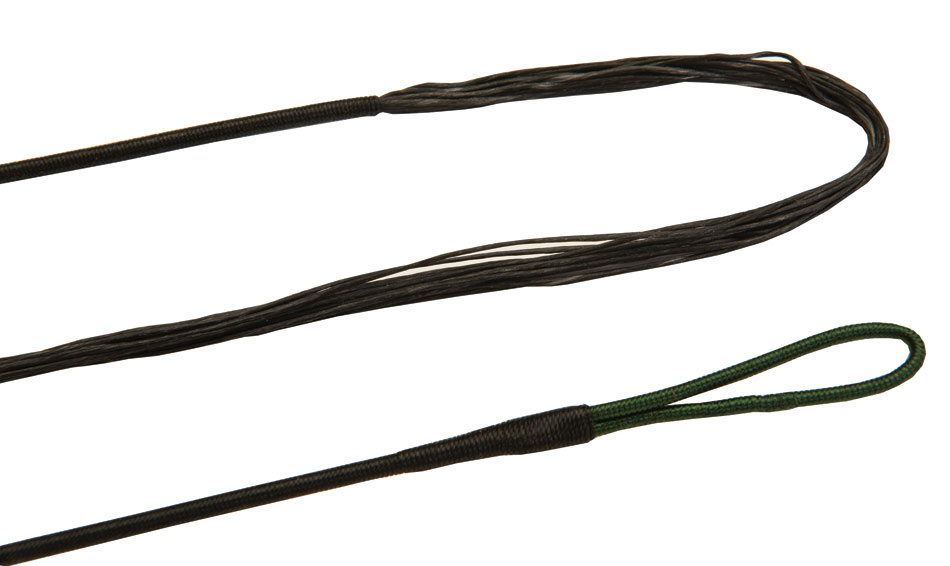
A loop string is simply a bowstring with closed loops at both ends. These loops are designed to fit over the bow’s nocks (the notches at the tip of each limb). There are two main types:
- Endless loop strings: Made from one continuous strand, wrapped in a loop. The loops are formed by winding and securing extra strands at each end.
- Flemish twist strings: Made by twisting strands together, forming a braided loop at each end. These have a traditional look and are often found on longbows and vintage recurves.
Why does this matter? Each loop type fits and acts differently on the bow, affecting how the string stretches, how easy it is to replace, and how well it matches the bow’s aesthetics.
Flemish Twist Vs Endless Loop: Key Differences
Choosing between Flemish twist and endless loop strings is one of the first decisions for a traditional archer. Here’s how they compare:
| Feature | Flemish Twist | Endless Loop |
|---|---|---|
| Appearance | Traditional, braided, rustic | Smooth, uniform, modern |
| Adjustability | Easy to adjust, can untwist slightly | Fixed length, less adjustable |
| Durability | Strong, but may unravel if damaged | Very durable, stable |
| Compatibility | Great for wooden bows | Works well on recurve, fiberglass |
Flemish twist strings have a handmade, classic look and are popular among traditional bow enthusiasts. Endless loop strings are easier to mass-produce and often used in competitions for their consistency.
Sizing The String Loops
The size of the loops matters. Too large, and the string slips; too small, and you can’t fit them on the bow tips. Most traditional bows need loops about 1/2 inch to 3/4 inch wide. The bottom loop is often smaller, and the top loop larger. This helps with stringing the bow and ensures a snug fit.
Loop Sizing Example
When I tested different strings on my vintage recurve, I found that a top loop around 3/4 inch and a bottom loop near 1/2 inch gave the best fit. The top loop slid easily over the tip during stringing, while the bottom loop stayed tight, preventing slippage.
Pro Tip: Always measure your bow’s nocks before buying or making a string. Some bows, especially custom or older models, can have unique tip sizes.

Credit: legendarchery.com
Why Loop Type And Size Matter
Using the wrong loop string can cause:
- Poor performance: A loose string reduces accuracy.
- Safety risks: A string that slips off can damage the bow or cause injury.
- Wear and tear: Wrong materials or loop sizes can grind down the bow tips over time.
- Difficulty stringing: Too-tight loops make it hard to string the bow, especially with a stringer tool.
Many beginners miss that loop sizing isn’t just about fitting, it’s about how the string moves during shooting. Even a 1/8 inch difference can affect arrow flight.
How To Choose The Right Loop String
Step 1: Identify Your Bow Type
- Longbow: Usually prefers Flemish twist strings, with smaller loops on the bottom.
- Recurve: Can use either Flemish twist or endless loop. Modern recurves often use endless loop for consistency.
Step 2: Check Bow Tip Design
Older bows have delicate tips. If your bow has reinforced tips (often seen on newer recurve or hybrid bows), you can use high-performance materials and tighter loops. If not, stick to Dacron with medium-sized loops.
Step 3: Measure Nock Width
Use a ruler or calipers to measure the width of the tip nocks. Add about 1/8 inch for a snug fit.
Step 4: Choose String Material
For safety and tradition, Dacron is best for wood or vintage bows. Fast Flight is only for bows with reinforced tips.
Step 5: Decide Loop Style
If you value tradition and the classic look, go with Flemish twist. If you want reliability and easy replacement, choose endless loop.
Credit: www.hunter-ed.com
Installing The Loop String
Attaching the loop string properly is crucial for performance and safety.
- Start with the larger loop: Slide it over the top limb, past the string groove.
- Attach the smaller loop: Place it in the bottom limb’s nock.
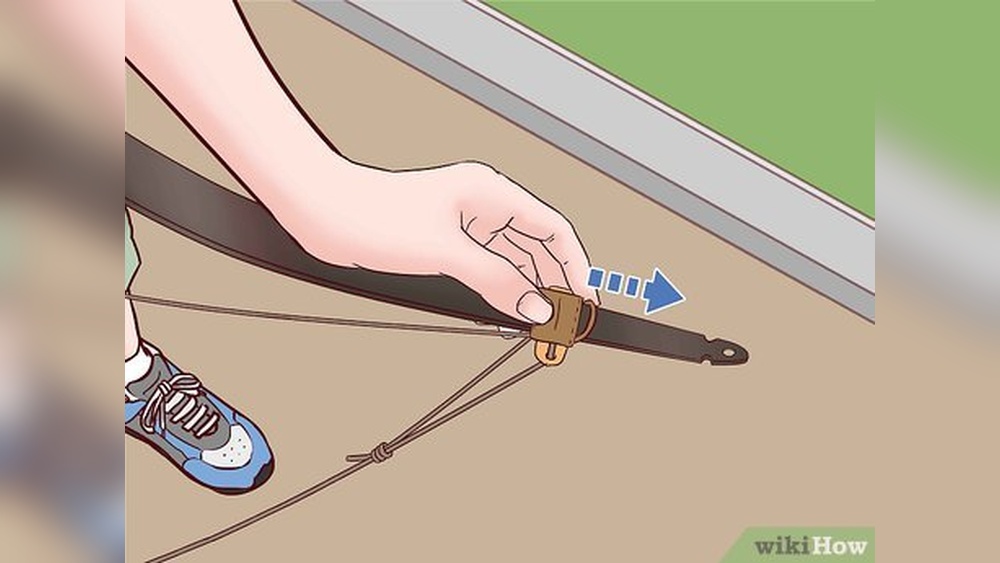
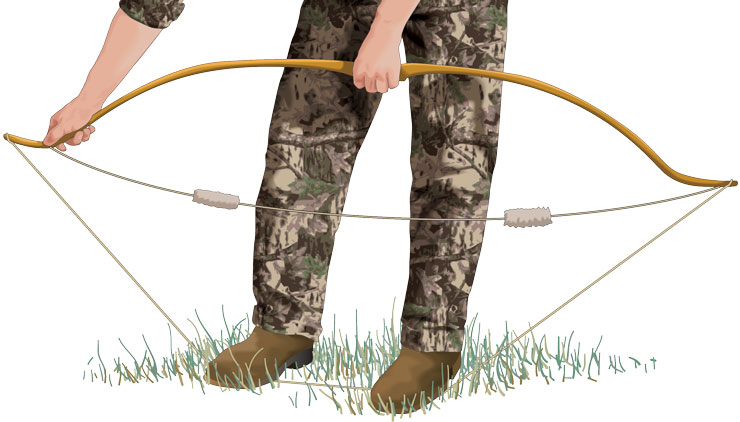
- Use a bow stringer: This tool helps string the bow safely, preventing limb twisting.
- Check for fit: The loops should sit firmly in the grooves, without slipping or excessive movement.
Warning: Never string a bow without a stringer if you’re unsure. It’s easy to damage the limbs or injure yourself.
Caring For Loop Strings
Loop strings need care to last. Here’s what I’ve found works best:
- Apply string wax regularly. This prevents fraying and keeps the string waterproof.
- Inspect loops before every shooting session. Look for loose fibers, unraveling, or wear.
- Store properly: Keep the bow unstrung if not in use. Hang the string to avoid kinks.
- Replace as needed: Most strings last about 1-2 years with regular use, but heavy shooters may need replacements every few months.
Common Mistakes Beginners Make
Even skilled archers sometimes make errors when choosing or using loop strings. Here are a few to avoid:
- Ignoring loop size: Buying a string without measuring the bow tips can lead to poor fit.
- Using the wrong material: Fast Flight on a vintage wooden bow can crack the tips.
- Incorrect string length: Too long or too short strings change brace height, affecting accuracy.
- Not waxing: Dry strings fray and break faster.
- Storing the bow strung: This stresses the limbs and shortens both string and bow lifespan.
Loop String And Bow Compatibility
Matching the loop string to the bow isn’t just about tradition, it’s about engineering. Here’s a quick compatibility table:
| Bow Type | Recommended Loop String | Material |
|---|---|---|
| English Longbow | Flemish twist | Dacron |
| Vintage Recurve | Flemish or endless | Dacron |
| Modern Recurve (reinforced tips) | Endless loop | Fast Flight |
| Horsebow | Flemish twist | Dacron or natural fiber |
Choosing the right string ensures both safety and performance. If you’re unsure, ask a bowyer or archery shop for guidance.
How Loop Strings Affect Shooting
The loop string isn’t just a connector; it changes how the bow shoots.
- String stretch: Dacron stretches a bit, making the shot softer. Fast Flight is stiff, giving more speed but less forgiveness.
- Noise: Thicker strings and larger loops can mute vibration, making the bow quieter.
- Arrow speed: Endless loop strings, when made from high-performance materials, can add a few feet per second to arrow velocity.
- Accuracy: A properly sized loop string keeps the arrow path consistent.
Example: When I switched from a poorly sized endless loop to a custom Flemish twist string on my longbow, I noticed tighter groups and less hand shock.
Making Your Own Loop String
Some archers prefer to make their own strings. This gives control over materials, loop size, and length.
Steps To Make A Flemish Twist String
- Choose material: Dacron is best for beginners.
- Cut strands: For a 68-inch bow, cut about 70 inches per strand, using 12-14 strands for strength.
- Lay out strands: Arrange them parallel, then separate into two bundles.
- Twist ends: Twist each bundle separately, then twist together to form a loop.
- Secure loop: Tie off with serving thread.
- Repeat for other end: Form the second loop, adjusting size as needed.
This process takes practice. In my experience, the first few strings are rough, but with patience, you can create a perfectly fitting string.
Signs You Need A New Loop String
Strings don’t last forever. Look for these signs:
- Fraying or broken fibers
- Loose or unraveling loops
- Loss of tension or excessive stretch
- Visible wear at the nocks
If you notice any of these, replace the string before shooting again.
Loop String Innovations
While tradition matters, technology has improved loop strings. Modern materials like Spectra and Dyneema offer low stretch and high strength. Some archers use double-served loops or extra padding to reduce wear. However, not every innovation is compatible with traditional bows.
Always check your bow’s tip design and material before upgrading.
Loop String Maintenance Schedule
Keeping your loop string in top shape is easier with a schedule:
- Weekly: Inspect for fraying, wax if needed.
- Monthly: Check loop tightness and serving thread.
- Yearly: Replace string if used regularly.
Example: For my competition recurve, I replace strings every six months, but for my longbow, yearly is enough unless I notice wear.
Loop String Costs And Availability
Loop strings aren’t expensive, but prices vary based on material and craftsmanship. Handmade Flemish twist strings can cost more due to labor. Endless loop strings are often cheaper and sold in bulk. Specialty materials like Fast Flight or Spectra increase price.
Archery shops, online retailers, and bowyers all offer loop strings. Always check reviews and ask for advice if unsure.
Advanced Loop String Features
Some loop strings include:
- Double padding: Extra thread around the loop for protection.
- Colored serving: For visibility and style.
- Custom lengths: Tailored to your bow’s exact specs.
These features help with durability and aesthetics but aren’t required for most traditional bows.
Loop String And Brace Height
The string’s length and loop size affect brace height, the distance from the bow’s grip to the string when strung. Too short a string raises brace height, making the shot harsher. Too long lowers it, causing instability.
Pro Tip: Always check brace height after installing a new string. Most traditional bows have a recommended range in their manual or from the maker.
Loop Strings For Youth And Beginners
For young archers, safety is key. Choose Dacron strings with medium loops for easy handling. Avoid high-performance materials until the bow’s tips are strong enough.
Where To Learn More
For more detailed information on bowstring materials and history, the Wikipedia Bowstring page gives a good overview.
Credit: www.3riversarchery.com
Frequently Asked Questions
What Is The Difference Between Flemish Twist And Endless Loop Strings?
Flemish twist strings are braided and have a classic look. They are adjustable and often used on traditional bows. Endless loop strings are made from continuous strands and are more uniform, typically found on modern bows. Endless loop strings offer consistency, while Flemish twist provides easier adjustment.
Can I Use Fast Flight Material On Any Traditional Bow?
No. Fast Flight and similar high-performance materials require reinforced bow tips. Using them on bows with non-reinforced tips can cause cracks or breaks. Always check with your bow manufacturer or a professional before using Fast Flight strings.