Do I Need a String Stop on My Bow? Here’s How to Tell
If you shoot a bow, whether for hunting, target practice, or competition, you might have seen a small device behind the riser called a string stop. At first glance, it looks simple. But many archers wonder, “Do I need a string stop on my bow?” This question can be confusing, especially if you’re new to archery or just looking to improve your shooting experience. Let’s explore what a string stop does, how it affects performance, and whether it’s a must-have for you.
What Is A String Stop?
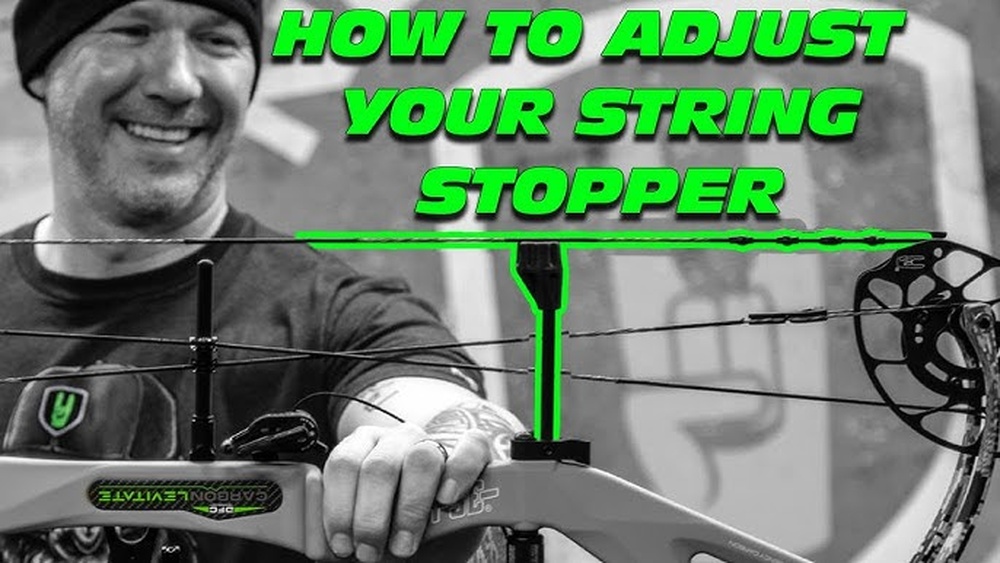
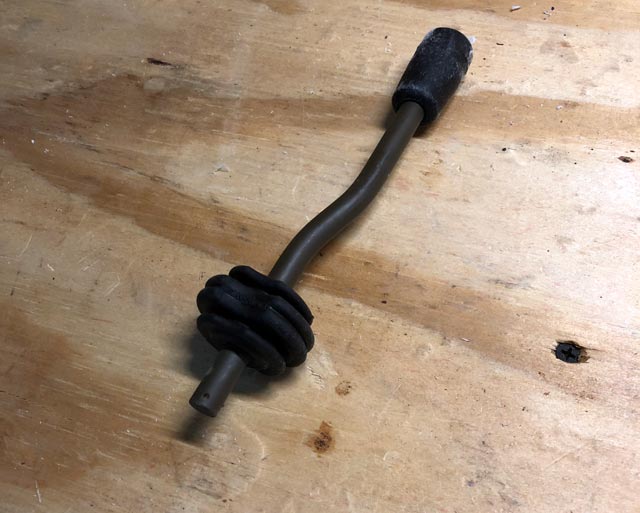
A string stop is a rod (usually made of carbon or aluminum) attached to the bow’s riser, ending with a rubber bumper. When you release the arrow, the string moves forward and hits this bumper, stopping its motion quickly. The main goal is to reduce vibration, noise, and string oscillation.
Most modern compound bows come with a string stop installed. Recurve and traditional bows usually don’t have them, but some archers add aftermarket versions.
How Does It Work?
The string stop absorbs energy from the moving string. This energy would otherwise cause the string to bounce and vibrate after every shot. By halting this movement, the string stop makes the bow quieter and more stable.
Example: Imagine hitting a drum and then immediately putting your hand on it to stop the sound. That’s similar to what a string stop does for a bowstring.
Why Use A String Stop?
Adding a string stop is not just a cosmetic upgrade. There are several practical benefits to consider.
Reduced Noise
When you release an arrow, the string vibrates. This vibration can create noise. For hunters, noise is a big concern because it can alert game. A string stop reduces this noise by stopping the string quickly.
Less Vibration
Vibration travels through the bow after every shot. Too much vibration can make shooting uncomfortable, especially over many shots. A string stop absorbs much of this energy, making the bow feel smoother.
Improved Accuracy
Some archers notice better accuracy with a string stop. When the string stops vibrating, it returns to its resting position faster. This can make each shot more consistent.
Protects The String
A string stop prevents the string from overextending. Over time, this can help reduce wear and tear, potentially extending the life of your bowstring.
Do All Bows Need A String Stop?
Not every bow needs a string stop. The answer depends on your bow type and shooting style.
Compound Bows
Most compound bows are designed for high speed. They often have string stops installed by the manufacturer. These bows benefit the most from a string stop because they create more vibration and noise.
Recurve And Traditional Bows
Older or traditional bows usually don’t have string stops. Their design doesn’t require it, and adding one may not offer significant benefits. However, some recurve archers use aftermarket stops to reduce vibration.
Youth And Beginner Bows
Youth bows are often lightweight and produce less vibration. For beginners, the need for a string stop is less urgent. As skill and draw weight increase, adding one may become more useful.
Comparing Bows With And Without String Stops
To make this clear, here’s a comparison of bow performance with and without a string stop:
| Feature | With String Stop | Without String Stop |
|---|---|---|
| Noise Level | Lower | Higher |
| Vibration | Reduced | More noticeable |
| String Life | Longer | Shorter (potentially) |
| Accuracy | More consistent | Can vary |
| Suitability for Hunting | High | Moderate |
Credit: shootingtime.com
How To Decide If You Need A String Stop
If you’re unsure whether to add a string stop, consider these factors:
1. Your Bow Type
Compound bows almost always benefit from a string stop. For recurve and traditional bows, the impact is smaller.
2. Your Shooting Purpose
Hunters need quiet bows. Target shooters may care more about accuracy and comfort. If you hunt, a string stop is highly recommended.
3. Your Draw Weight
Higher draw weights produce more vibration. If your bow is set above 40 pounds, a string stop can make a noticeable difference.
4. Noise Sensitivity
If you shoot in your backyard and don’t mind noise, a string stop may not be necessary. For hunting or competition, reducing noise is important.
5. Comfort
If you feel too much vibration after each shot, a string stop can help.
Pro Tip: Try shooting with and without a string stop. Notice the difference in noise and vibration. In my experience, the change is most noticeable in fast, high-poundage bows.
Installing A String Stop
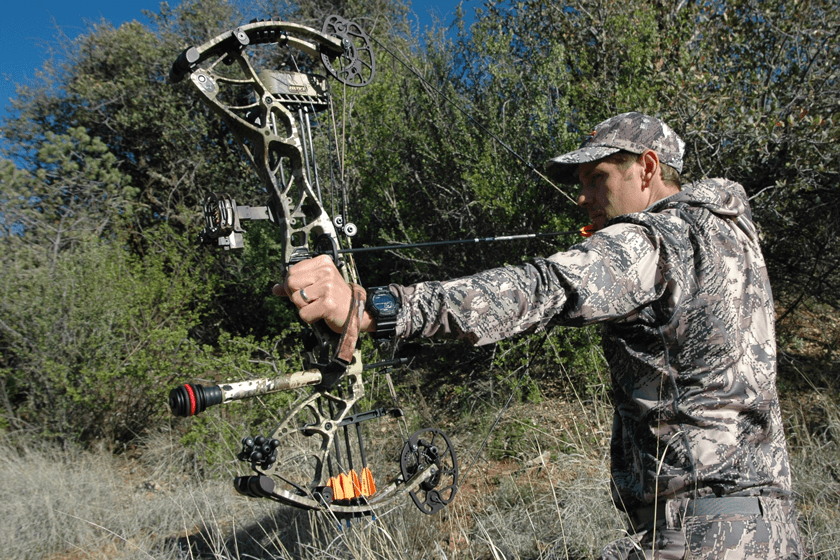
If you decide to add a string stop, installation is usually straightforward. Most compound bows have a mounting hole. For recurve bows, you may need an aftermarket kit.
Step-by-step Installation
- Check if your bow has a mounting hole behind the riser.
- Choose a string stop that fits your bow model.
- Attach the rod securely, making sure the rubber bumper is aligned with the string.
- Adjust the bumper so it touches the string at rest (not too tight).
- Test by shooting a few arrows and listen for noise reduction.
Warning: Do not overtighten the bumper against the string. This can cause premature wear.
Credit: www.bowhunter.com
Common Mistakes When Using String Stops
Many beginners make mistakes when adding or adjusting a string stop. Here are some to watch out for:
- Incorrect alignment: The stop must be centered behind the string.
- Too much pressure: If the bumper presses too hard, it can damage the string.
- Wrong size: Some stops are too short or too long for certain bows.
- Loose installation: If the rod is not tight, it can rattle and cause more noise.
String Stop Materials And Designs
String stops come in different materials and designs. Choosing the right one depends on your bow and preferences.
Common Materials
- Carbon: Lightweight and strong.
- Aluminum: Durable but slightly heavier.
- Rubber bumper: Absorbs vibration.
Design Variations
Some string stops are adjustable, allowing you to set the exact position of the bumper. Others are fixed and only fit certain bows.
| Material | Weight | Durability | Best Use |
|---|---|---|---|
| Carbon | Light | High | Competition, hunting |
| Aluminum | Medium | Very high | General use |
| Steel | Heavy | Highest | Heavy draw bows |
Is A String Stop Worth The Money?
String stops are not expensive. Prices usually range from $10 to $40 depending on material and brand. For most archers, this is a small investment for the benefits received.
Value For Hunters
Hunters especially value string stops. Quieter shots mean less chance of spooking game.
Value For Target Shooters
If you shoot for accuracy, reducing vibration can help you stay consistent. But the improvement may be minor compared to other accessories.
Value For Beginners
Beginners may not notice a big difference. As skills improve, the benefits become clearer.
How String Stops Compare To Other Noise And Vibration Dampeners
String stops are not the only tool for reducing noise and vibration. Let’s compare with other popular dampeners:
| Accessory | Main Function | Effectiveness | Notes |
|---|---|---|---|
| String Stop | Stops string movement | High | Works best on compound bows |
| Limb Dampener | Absorbs limb vibration | Moderate | Good for all bow types |
| Silencers (cat whiskers) | Reduces string noise | Low to moderate | Easy to install |
| Riser Dampener | Reduces riser vibration | Moderate | Works for recurve/compound |
Non-obvious Insights About String Stops
While many archers focus on noise and vibration, there are other subtle effects.
String Stops And Arrow Speed
Some archers worry that a string stop might reduce arrow speed. Studies show the effect is negligible. The bumper stops the string after the arrow has left, so speed isn’t affected.
Arrow Flight Consistency
A string stop can help the string return to the same position after each shot. This consistency can improve grouping in target shooting.
Cold Weather Performance
Rubber bumpers may harden in cold conditions, reducing their effectiveness. If you shoot in cold climates, choose a bumper rated for low temperatures.
Should You Diy Or Buy A String Stop?
Some archers try to make their own string stops using rods and rubber pieces. While this can work, store-bought models are usually more reliable. They are tested for durability and performance.
Pro Tip: If you want to experiment, try a DIY stop before committing to a purchase. But for regular use, a branded string stop is safer and more effective.
Potential Downsides Of String Stops
String stops are generally positive, but there are a few downsides:
- Added weight: May slightly increase the bow’s weight.
- Maintenance: Bumper can wear out and need replacement.
- Compatibility: Not all bows have mounting holes.
For most archers, these are minor issues compared to the benefits.
String Stop Myths And Misconceptions
Some myths surround string stops. Let’s clear up a few:
- “String stops make bows less accurate.” Actually, they often improve accuracy by reducing vibration.
- “String stops reduce arrow speed.” As mentioned, the effect is minimal.
- “Only hunters need string stops.” Target shooters can benefit too.
Expert Opinions On String Stops
Many professional archers use string stops. On forums and in product reviews, most agree they help with noise and comfort. Some competitive shooters say they notice tighter arrow groups.
Example: On ArcheryTalk, several users report that after installing a string stop, their bow felt “more solid” and “quieter.” For hunters, the difference can mean the ability to take a shot without alerting deer.
How To Maintain Your String Stop
Maintenance is simple but important.
- Check alignment: Before each session, make sure the bumper is centered.
- Inspect for wear: Look for cracks or hardening in the rubber.
- Clean: Wipe dirt and debris from the rod and bumper.
Replacement bumpers are available for most models.
When A String Stop Isn’t Necessary
There are cases where a string stop isn’t needed:
- Low-poundage bows: Less vibration means less benefit.
- Traditional archery: Design doesn’t support stops.
- Indoor target shooting: Noise isn’t a concern.
If your bow is comfortable and quiet, you may not need a string stop.
What Happens If You Remove A String Stop?
If your bow came with a string stop and you remove it, expect more vibration and noise. Some archers report a “buzzing” feel. Accuracy may suffer if the string moves unpredictably.
Pro Tip: If you remove the stop, monitor string wear. Without a stop, strings can fray faster.
String Stop Alternatives
If you can’t use a string stop, try these alternatives:
- Limb dampeners: Attach to limbs to absorb vibration.
- String silencers: Reduce noise, though not as effective.
- Riser dampeners: Lower vibration in the handle.
These options can help if your bow doesn’t support a string stop.
Choosing The Right String Stop
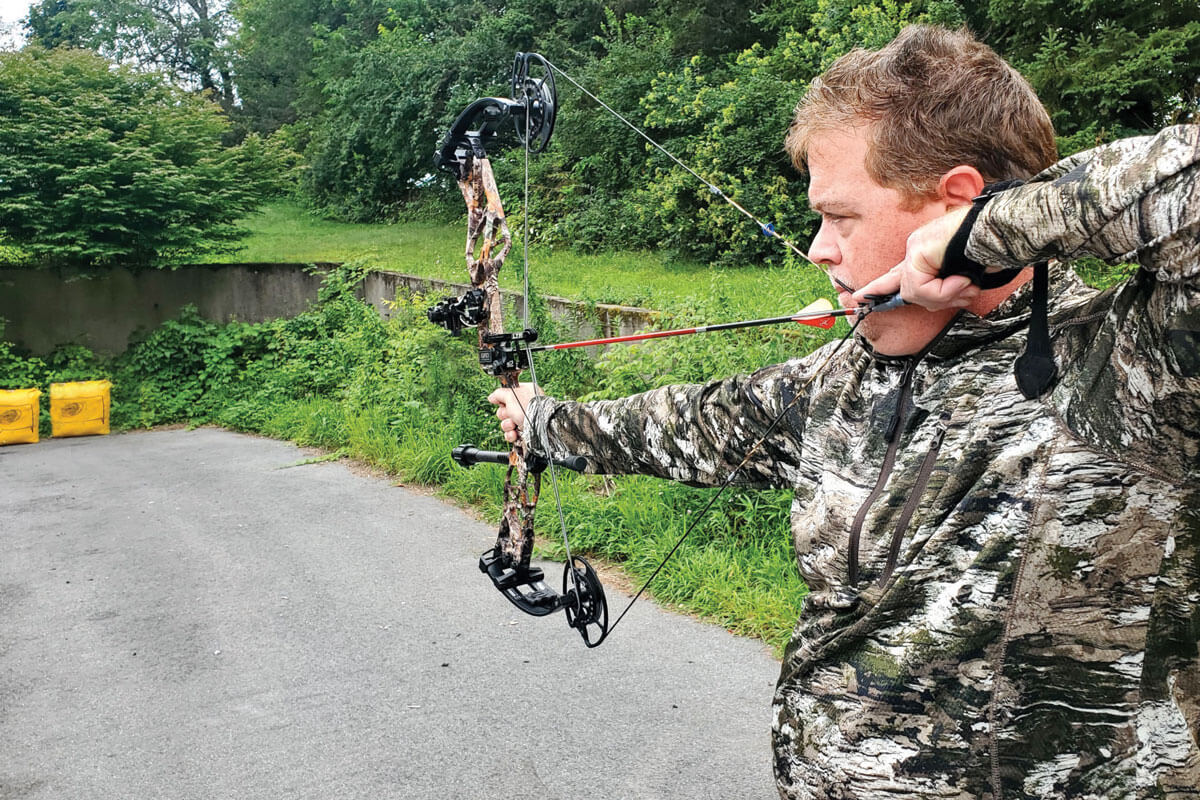
When buying a string stop, consider:
- Material: Carbon is light; aluminum is strong.
- Length: Must fit your bow’s design.
- Bumper quality: Look for durable rubber.
Read reviews and check compatibility with your bow model.
Credit: www.bowhunter.com
Frequently Asked Questions
What If My Bow Doesn’t Have A Mounting Hole For A String Stop?
You can use aftermarket kits that attach with adhesive or clamps. These work for some recurve bows but may not be as stable as factory-installed stops. Always check your bow’s manual before installing.
Can String Stops Affect My Arrow Spine Or Tuning?
String stops don’t change arrow spine or tuning directly. However, by reducing vibration, they can help you see issues with your setup more clearly. If your arrows group tighter after installation, you may want to check your tuning.
How Often Should I Replace The Rubber Bumper?
Rubber bumpers last about 1-2 years with regular shooting. If you notice cracks, hardening, or loss of noise reduction, replace it sooner. Cold weather and heavy use can shorten the lifespan.
Are String Stops Allowed In Archery Competitions?
Most compound archery competitions allow string stops. Some traditional or barebow classes may restrict them. Always check the competition rules. For example, World Archery rules specify equipment types for each class.
Does A String Stop Make My Bow Safer?
A string stop can help prevent string over-travel, which reduces the risk of string slap on your wrist or arm. It also protects the string from excess wear. However, always use proper arm guards and follow safety guidelines.
If you’re looking for more details, check out the archery bow overview on Wikipedia.
Final Thoughts
A string stop is a simple device that can make your bow quieter, smoother, and more consistent. For most compound bow shooters, it’s a valuable accessory. Hunters and target shooters alike notice real