Do Shorter Bows Shoot Faster? The Truth Revealed
The world of archery is full of questions, myths, and technical debates. One of the most common questions from both new and experienced archers is: Do shorter bows shoot faster? Many believe that a smaller, compact bow automatically means more speed and power. Others argue that bow length is not the main factor. If you’re curious about whether bow length impacts arrow speed, you’ll find practical answers here. This article explores the science, real-world data, and expert opinions about short bows, speed, and performance. By the end, you’ll know what matters most for your shooting style, and how to choose the right bow for your needs.
Understanding Bow Length And Speed
Before comparing short and long bows, it’s important to understand bow length. In archery, bow length usually means the distance from tip to tip, measured along the bow’s curve when unstrung. For recurve bows, common lengths range from 48 to 72 inches. Compound bows are often shorter, from 28 to 40 inches. Traditional longbows can reach up to 72 inches or more.
Arrow speed is measured in feet per second (fps). Modern bows can shoot arrows anywhere from 150 to over 350 fps, depending on the design, draw weight, arrow type, and other factors. Many assume that a shorter bow must be faster simply because it’s easier to handle. But the truth is more complex.
The Physics Of Bow Speed
Bow speed depends on how efficiently the bow transfers energy to the arrow. When you pull back the string, you store energy in the bow’s limbs. When you release, this energy moves to the arrow. The main factors affecting speed include:
- Draw weight: Higher draw weight generally gives more energy for speed.
- Draw length: Longer draw length allows more energy storage.
- Bow efficiency: The design, materials, and limb shape matter.
- Arrow weight: Lighter arrows can fly faster, but may not be as stable.
Shorter bows can feel snappier, but the actual speed is determined by these factors, not just bow length.
How Bow Length Affects Shooting
Short bows are popular for hunting, archery competitions, and use in tight spaces. They are easier to maneuver and carry. Longer bows are often favored for target shooting and traditional archery because they are more stable and forgiving. The length affects:
- Stability: Longer bows vibrate less, giving smoother shots.
- Comfort: Shorter bows can be harder to draw smoothly for tall shooters.
- Accuracy: Longer bows tend to be more accurate for beginners.
Pro Tip: If you are new to archery, try shooting both short and long bows at a range. Notice how each feels, not just how fast the arrow goes.
Comparing Short And Long Bows: Real-world Performance
Let’s look at actual performance differences between short and long bows. Archery experts and manufacturers often test bows for speed, accuracy, and usability. These tests reveal that bow length alone does not decide arrow speed.
Data Table: Bow Length Vs. Arrow Speed
Here’s a comparison of typical arrow speeds for recurve and compound bows of different lengths. Note: These numbers are averages based on manufacturer specs and archery tests.
| Bow Type | Bow Length (inches) | Draw Weight (lbs) | Average Arrow Speed (fps) |
|---|---|---|---|
| Short Recurve | 54 | 40 | 180 |
| Long Recurve | 68 | 40 | 185 |
| Short Compound | 30 | 60 | 320 |
| Long Compound | 38 | 60 | 325 |
You can see that the difference in arrow speed between short and long bows of the same draw weight is usually small, often just a few fps.
Practical Example: Field Testing
A 54-inch recurve and a 68-inch recurve, both set to 40 lbs draw weight, yield almost the same arrow speed when measured with a chronograph. The shorter bow felt quicker in hand, but the longer bow had less vibration and was easier to aim.
Key insight: Bow length affects feel and handling more than raw speed. Most archers won’t notice a difference in arrow speed between bows of different lengths, unless other factors (like draw weight or limb design) change.

Credit: shrewbows.com
The Role Of Bow Design And Materials
Modern bows use advanced materials like carbon, fiberglass, and aluminum. These can improve efficiency, regardless of bow length. Limb design, cam systems (for compound bows), and riser shape all impact how energy moves to the arrow.
Compound Bows: Why Shorter Models Are Popular
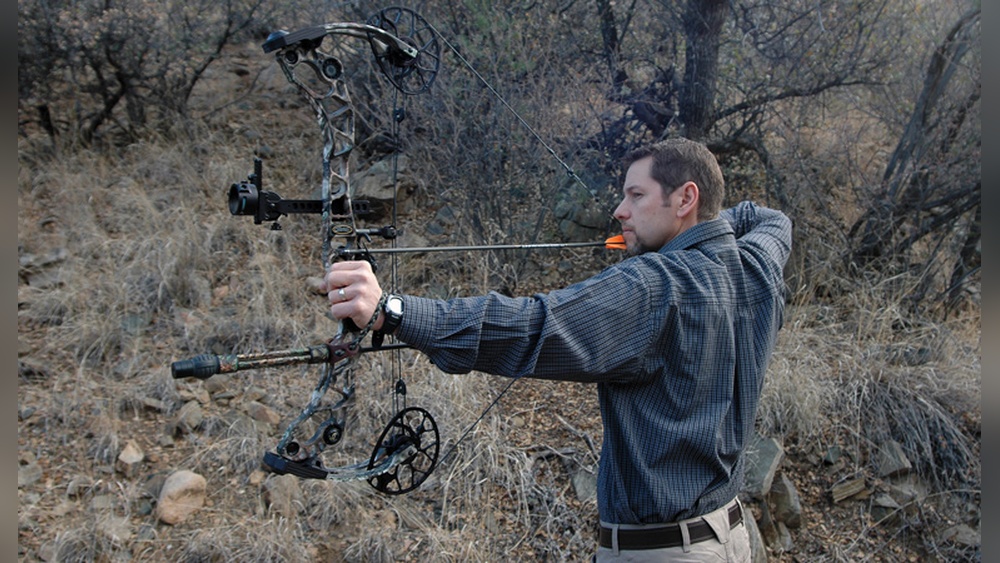
Compound bows are often much shorter than traditional recurves or longbows. Many hunters use compound bows as short as 28, 32 inches axle-to-axle. This is because compound bows use cams and pulleys to store more energy in a compact design.
| Compound Bow Model | Axle-to-Axle Length (inches) | IBO Speed Rating (fps) |
|---|---|---|
| Hoyt Carbon RX-7 | 30 | 342 |
| Mathews V3X | 33 | 334 |
| Bowtech Revolt XL | 33 | 340 |
The speeds are similar, even though the bow lengths vary. Manufacturers rate bows using the IBO standard (draw weight 70 lbs, draw length 30 inches, arrow weight 350 grains).
Recurve And Longbows: Material And Limb Shape
For recurve and longbows, limb shape and material matter more than length. Modern recurves use carbon-fiber limbs for higher efficiency. Traditional longbows use wood, which is heavier and less efficient. The curve of the limb (recurve vs. straight) also affects speed.
Pro Tip: If you want more speed, focus on limb technology and draw weight, not just bow length.
How Draw Length And Draw Weight Affect Speed
Draw length is the distance you pull the string before release. Longer draw lengths store more energy and give higher arrow speeds. Draw weight is the force needed to pull the bow. Higher draw weights push arrows faster.
Draw Length Table: Impact On Arrow Speed
Here’s a comparison of arrow speed for different draw lengths, using the same bow model:
| Draw Length (inches) | Draw Weight (lbs) | Arrow Speed (fps) |
|---|---|---|
| 26 | 40 | 170 |
| 28 | 40 | 180 |
| 30 | 40 | 190 |
Longer draw length gives more speed, regardless of bow length.
Warning: Do not exceed your comfortable draw weight. Forcing a higher draw weight can cause injury.
Arrow Weight And Speed
Arrow weight is another factor many beginners overlook. Heavy arrows fly slower but carry more energy (good for hunting). Light arrows fly faster but can be less stable and noisy.
When using the same bow, dropping arrow weight by 50 grains can increase speed by 10, 15 fps. However, too light an arrow can damage the bow.
Pro Tip: Use arrows within the manufacturer’s recommended weight range. This keeps your bow safe and gives balanced speed and accuracy.
Bow Length And Accuracy
While speed is important, accuracy is often more critical for archers. Bow length affects stability. Longer bows usually have less hand shock and are easier to shoot accurately, especially for beginners.
Short bows can be harder to control, especially at full draw. They are more sensitive to small changes in hand position. This can affect accuracy at longer distances.
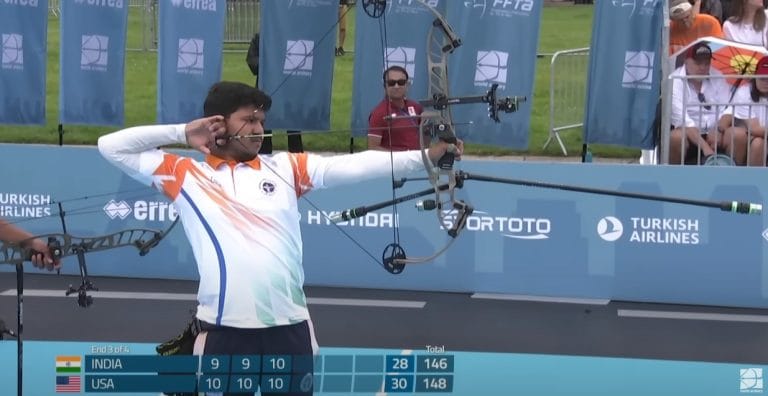
Example: Olympic archers often use longer recurves (68, 70 inches) for maximum stability and accuracy, even though they are not the fastest.

Credit: www.ebay.com
When To Choose A Shorter Bow
Shorter bows are ideal for certain situations:
- Hunting in tight spaces: Easier to maneuver in forests or blinds.
- Travel and portability: Easier to carry and store.
- Younger or smaller shooters: Easier to handle and draw.
- Compound bow users: Short models offer speed and power without sacrificing handling.
However, if you value accuracy or plan to shoot at longer distances, a longer bow may be better. Try both before buying.
Common Mistakes When Choosing Bow Length
Many beginners make errors when picking a bow based only on speed or length. Here are common mistakes to avoid:
- Ignoring draw weight and draw length: These are more important than bow length for speed.
- Choosing too short a bow for your height: Tall shooters need longer bows for comfortable draw.
- Using too light arrows for speed: This can damage the bow and reduce accuracy.
- Not testing different bows: Always test bows at a range before buying.
Pro Tip: Ask a coach or experienced archer to measure your draw length and recommend the right bow size.
Expert Opinions And Research
Archery experts agree that bow length is not the main factor in arrow speed. Research from the Archery Trade Association and bow manufacturers shows that speed comes from draw weight, draw length, and limb efficiency.
According to Wikipedia, compound bows use cam systems to maximize energy transfer. This means even short compound bows can be very fast. For recurves and longbows, limb design and materials make a bigger difference than length.
The best bow for speed and accuracy is the one that fits your body and shooting style, not just the shortest or longest model.
How To Choose The Right Bow For Your Needs
Choosing the best bow depends on your goals:
- For hunting: Choose a short, fast compound bow for maneuverability.
- For target shooting: Use a longer recurve or longbow for stability.
- For youth or beginners: Start with a bow that fits your draw length and is easy to handle.
- For speed: Focus on draw weight, arrow weight, and limb technology.
Ask yourself:
- How tall am I? (Taller shooters need longer bows)
- Where will I shoot? (Indoors, outdoors, forest, range)
- What’s my skill level? (Beginners benefit from longer, more stable bows)
- What’s my main goal? (Speed, accuracy, portability)
Test several bows at a local shop or range. Notice the feel, draw, and shot vibration.

Credit: www.kironinteractive.com
Frequently Asked Questions
Can A Short Bow Be As Accurate As A Long Bow?
Short bows can be accurate in skilled hands, but longer bows are usually more forgiving. Longer bows have less hand shock and are easier to aim steadily, especially for new archers. If you train with a short bow, you can improve your accuracy, but it may require more practice.
Are There Any Risks With Using A Too-short Bow?
Yes, using a bow that is too short for your draw length can cause discomfort, poor form, and even injury. The string angle becomes sharper, making it harder to anchor properly. This can affect your consistency and accuracy. Always match bow size to your body and draw length.
How Does Bow Length Affect Shooting In Windy Conditions?
Longer bows tend to be more stable in wind because they vibrate less after the shot. Shorter bows can be more affected by gusts and may require extra control. If you often shoot outdoors in windy areas, a longer bow can help you maintain accuracy.
Is Speed Always Better In Archery?
Speed is important for hunting (where hitting the target quickly matters), but accuracy is more important for target shooting. High speed can make arrows less stable and increase noise. Balance speed with accuracy and choose arrows that fit your bow and shooting style.
What Bow Length Is Best For Youth Archers?
Youth archers should use bows that match their height and arm length. For recurve bows, a typical youth size is 48, 54 inches. For compound bows, look for adjustable models. Always have a coach measure draw length and recommend the right size for safety and comfort.
The debate about bow length and speed shows that the answer is not simple. While shorter bows can be fast, the real keys to speed are draw weight, draw length, and limb design. Bow length affects handling, stability, and comfort more than raw speed.
Whether you’re hunting, target shooting, or just starting out, focus on the bow that fits your needs, not just the shortest or longest model. Test several bows, listen to expert advice, and make your choice based on real experience. This will help you enjoy archery and reach your goals safely and confidently.