Do Easton Points Fit Every Easton Arrow
Archery, a sport steeped in tradition and precision, depends heavily on the compatibility of its components. Among these, arrow points and arrow shafts play a crucial role in performance, accuracy, and safety. Many archers, from beginners to seasoned competitors, gravitate toward Easton, a brand renowned for its high-quality arrows and components. However, a common question arises: *Do Easton points fit every Easton arrow?* The answer is nuanced and requires a thorough understanding of the technical aspects of arrow construction, manufacturing standards, and product line diversity.
The compatibility between Easton points and Easton arrows is not universally guaranteed. With dozens of arrow models, varying shaft diameters, and multiple point designs, the fit can depend on several variables, including arrow series, intended use, and material specifications. This article will dissect the intricacies of Easton’s arrows and points, clarify the compatibility factors, provide practical examples, and offer actionable guidance for archers seeking optimal performance and safety.
Key Takeaways
- Easton points are not universally compatible with all Easton arrows; matching points to shaft size and series is essential.
- Shaft diameter, insert type, and point design are critical factors in determining fit.
- Easton provides detailed compatibility charts and product guides to assist archers in selecting the right components.
- Real-world case studies reveal common mistakes and best practices in point selection.
- Proper fit affects arrow flight, accuracy, and safety, making informed selection vital.
- Consult Easton’s official resources or a professional archery technician for personalized advice.
Understanding Easton Arrow Points And Shafts
Easton, founded in 1922, is a global leader in arrow technology. The company manufactures a diverse range of arrows for target archery, hunting, and recreational shooting, alongside points designed for various purposes. The complexity of Easton’s product lineup stems from innovations in shaft diameter, material composition, and point attachment systems.
Shaft Diameter And Arrow Series
Easton arrows are categorized by shaft diameter, measured in thousandths of an inch or millimeters. Common diameters include:
- Standard diameter (5mm): E.g., Easton Axis, FMJ, and Bloodline.
- Small diameter (4mm): E.g., Easton Deep Six, ProComp, and Carbon One.
- Large diameter (6mm and above): E.g., Easton XX75, Super Slam.
Each series is engineered for specific applications and uses unique point and insert systems. For example, the Deep Six series employs a proprietary 4mm diameter shaft and requires Deep Six-compatible points, which use a different thread size than standard 8-32 points.
Point Types And Attachment Systems
Easton points come in several forms:
- Field points: Used for target practice and competition.
- Broadheads: Designed for hunting, featuring cutting blades.
- Target points: Specifically engineered for high-level target archery.
Attachment systems include:
- Screw-in points: The most common, requiring threaded inserts.
- Glue-in points: Used with shafts lacking inserts, particularly in some competition arrows.
- Press-fit points: Often found in aluminum arrows or youth models.
The point’s design and attachment must match the shaft’s diameter and insert style.
Example: Deep Six Vs. Standard Points
Consider the Easton Deep Six arrow. Its 4mm diameter and proprietary insert system only accept Deep Six points, which have a mini-thread (6-40) rather than the standard 8-32 thread. Attempting to use a standard Easton field point will result in incompatibility, potentially damaging the arrow or compromising performance.

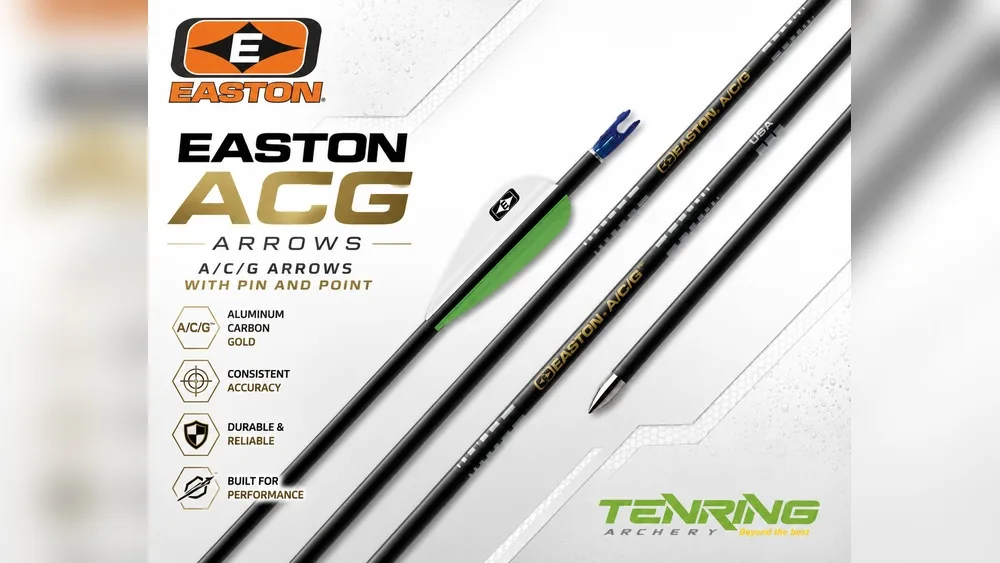
Credit: eastonarchery.com
The Technical Aspects Of Point Compatibility
The fit between Easton points and arrows is governed by several technical factors. Understanding these will help archers avoid costly mistakes and maximize their equipment’s potential.
Diameter Matching
Each arrow series specifies a compatible shaft diameter. Points are manufactured in sizes matching these diameters:
- 4mm points: Fit only 4mm shafts (Deep Six, ProComp, Carbon One).
- 5mm points: Designed for 5mm shafts (Axis, FMJ).
- 6mm points: Used with larger shafts (XX75, Super Slam).
Using a mismatched point can cause:
- Loose fit: Leads to inaccurate arrow flight, vibration, or detachment on impact.
- Overtight fit: Can crack the shaft or damage the insert.
Thread Size And Insert Compatibility
The thread size is crucial for screw-in points. Easton’s standard thread is 8-32 (8 gauge, 32 threads per inch), compatible with most inserts. Deep Six arrows use 6-40 threads, requiring special points and inserts.
| Arrow Series | Shaft Diameter | Compatible Point Thread | Example Point |
|---|---|---|---|
| Axis | 5mm | 8-32 | Easton Field Point |
| Deep Six | 4mm | 6-40 | Easton Deep Six Steel Point |
| XX75 | 6mm | 8-32 | Easton Aluminum Point |
| Carbon One | 4mm | Glue-in | Easton Carbon One Point |
Insert And Adapter Systems
Some arrows require adapters or specialized inserts for certain points. For example, the FMJ series may utilize brass or aluminum inserts for weight tuning. Using the wrong insert can create a mismatch, even if the point thread is correct.
Material Considerations
Easton arrows are constructed from aluminum, carbon, or hybrids. Material affects the internal diameter, wall thickness, and insert design. Points must accommodate these factors to ensure a secure fit and optimal performance.

Credit: eastonarchery.com
Easton’s Compatibility Guidelines And Product Charts
Easton recognizes the complexity of its product line and provides detailed compatibility charts and guides for archers. These resources are essential for making informed decisions.
Easton’s Official Compatibility Chart
Easton’s compatibility chart, available on their website, lists each arrow series, diameter, and recommended point types. The chart specifies:
- Shaft diameter
- Required insert
- Compatible point models
- Thread size
Example excerpt from Easton’s chart:
| Arrow Model | Diameter | Insert Type | Compatible Point |
|---|---|---|---|
| FMJ 5mm | 5mm | Standard Aluminum Insert | 8-32 Field/Broadhead |
| ProComp 4mm | 4mm | Glue-in | ProComp Target Point |
| Bloodline 6mm | 6mm | Standard Insert | 8-32 Field Point |
How To Use The Chart
- Identify your arrow model and diameter.
- Check the insert type installed.
- Select points with the matching thread and size.
Pro Tip: Always consult the latest compatibility chart, as Easton updates its product offerings annually.
Product Guides And Customer Support
Easton provides downloadable product guides and has a dedicated customer support team. Archers can reach out for clarification, especially when dealing with older or discontinued models.
Real-world Examples And Case Studies
Examining practical scenarios can illuminate the importance of correct point selection and demonstrate the consequences of errors.
Example 1: Competitive Target Archer
A competitive archer using Easton ProComp 4mm arrows mistakenly purchased standard 8-32 field points. The points would not fit, as ProComp arrows require glue-in target points specifically sized for 4mm shafts. The archer had to return the points and consult the compatibility chart, ultimately purchasing the correct glue-in points.
Example 2: Bowhunter With Deep Six Arrows
A bowhunter using Easton Deep Six arrows wanted to switch to broadhead points. He initially selected standard broadheads, only to find they would not thread into the Deep Six inserts. After contacting Easton support, he learned that Deep Six arrows require broadheads with 6-40 threads, prompting a replacement order.
Example 3: Youth Archery Program
A youth archery coach ordered Easton XX75 aluminum arrows and paired them with glue-in points. The fit was incorrect, as XX75 arrows use screw-in points with standard 8-32 threads. The coach switched to the correct points, improving safety and arrow flight for his students.
The Impact Of Point Fit On Arrow Performance
The relationship between point fit and arrow performance is profound. A mismatched or poorly fitted point can compromise accuracy, safety, and durability.
Arrow Flight And Accuracy
A correctly fitted point ensures:
- Consistent arrow weight: Critical for grouping and trajectory.
- Proper balance (FOC): Front-of-center balance affects stability.
- Clean release: Minimizes vibration and deflection.
Conversely, an ill-fitted point can cause:
- Erratic flight patterns
- Decreased penetration
- Increased arrow wear or breakage
Safety Implications
Misfitting points pose risks:
- Detachment on impact: Points can loosen or fall out, posing a hazard.
- Shaft damage: Over-tightened or undersized points can crack or split the shaft.
- Insert failure: Incompatible points can damage the insert, leading to costly repairs.
Durability And Maintenance
Proper fit extends the lifespan of both the arrow and point. Archers report fewer repairs and replacements when following manufacturer guidelines.
Example: In my experience, using the wrong point type on a carbon shaft led to repeated insert failures and diminished accuracy. Switching to the recommended glue-in points resolved these issues.
Selecting The Right Easton Points For Your Arrow
Choosing the correct Easton point involves a stepwise process. Archers should consider their arrow model, shaft diameter, intended use, and personal preferences.
Step 1: Identify Your Arrow Series
Refer to the shaft markings or packaging to determine your arrow series (e. g. , Axis, Deep Six, XX75). If uncertain, consult Easton’s product guide.
Step 2: Measure Shaft Diameter
Most Easton arrows list diameter specifications (4mm, 5mm, 6mm). Use calipers for precise measurement if needed.
Step 3: Determine Insert Type
Check whether your arrows use:
- Standard inserts (8-32)
- Deep Six inserts (6-40)
- Glue-in points
Step 4: Choose Point Type
Select from:
- Field points (practice/target)
- Broadheads (hunting)
- Target points (competition)
Ensure the point matches both diameter and thread requirements.
Step 5: Consult Compatibility Chart
Reference Easton’s official chart or product guide for final confirmation.
Step 6: Test Fit And Function
Before committing to a full set, test one point for fit, flight, and durability.
Pro Tip: If you’re unsure, seek advice from a certified archery technician or Easton’s customer support.
Comparing Easton Arrow And Point Compatibility Across Popular Models
To illustrate compatibility, here’s a comparison of Easton’s most popular arrows and their recommended points.
| Arrow Model | Diameter | Insert Type | Recommended Point | Use Case |
|---|---|---|---|---|
| Axis | 5mm | Standard Insert | 8-32 Field/Broadhead | Bowhunting/Target |
| Deep Six | 4mm | Deep Six Insert | Deep Six Point/Broadhead | Bowhunting/Precision |
| Carbon One | 4mm | Glue-in | Carbon One Target Point | Competition/Target |
| XX75 | 6mm | Standard Insert | 8-32 Field/Broadhead | Recreation/Youth |
| FMJ | 5mm | Standard Insert | 8-32 Field/Broadhead | High-Performance Hunting |
This comparison highlights the importance of matching point and arrow specifications.
Common Mistakes And How To Avoid Them
Archers frequently encounter compatibility issues. Understanding common pitfalls can prevent wasted time and resources.
Mistake 1: Ignoring Shaft Diameter
Many archers assume all Easton points fit all Easton arrows. Overlooking shaft diameter leads to loose or tight fits and poor performance.
Mistake 2: Misunderstanding Thread Types
Not all inserts use the standard 8-32 thread. Deep Six arrows, for example, require 6-40 points. Double-check insert specifications before purchasing.
Mistake 3: Using Incorrect Point Type
Selecting broadheads for arrows designed for target points (or vice versa) can cause problems. Always match the point type to the arrow’s intended use.
Mistake 4: Overlooking Product Updates
Easton periodically updates its product line. Older arrows may require discontinued points or inserts. Always consult the latest compatibility information.
How To Avoid Mistakes
- Read manufacturer guidelines thoroughly
- Consult compatibility charts
- Test fit before full purchase
- Seek expert advice when unsure
Wikipedia: Arrow (Projectile)
Frequently Asked Questions
What Should I Do If My Easton Point Does Not Fit My Easton Arrow?
If your Easton point doesn’t fit, first verify your arrow’s shaft diameter and insert type. Check the point’s size and thread specifications. If there’s a mismatch, consult Easton’s compatibility chart or speak with a professional archery technician. Sometimes, adapters or replacement inserts can resolve the issue, but it’s essential not to force a fit as this can damage the arrow.
Can I Use Third-party Points With Easton Arrows?
Third-party points may fit Easton arrows if they match the diameter and thread specifications. However, Easton recommends using their points for optimal performance and warranty coverage. When considering third-party components, check for compatibility with your arrow’s insert and diameter and test for secure fit and flight stability.
How Often Should I Check Point Fit And Arrow Condition?
It’s advisable to check point fit and arrow condition before every shooting session. Inspect for looseness, damage, or wear. Regular maintenance ensures safety and consistent performance. If you notice changes in arrow flight or difficulty inserting points, reassess compatibility and inspect for internal damage.
Is It Possible To Retrofit Older Easton Arrows With New Points?
Retrofitting older Easton arrows is sometimes possible, provided the shaft diameter and insert type are compatible with newer points. However, some discontinued models may require hard-to-find inserts or glue-in points. Consult Easton’s archives or speak with a technician for guidance on retrofitting, and always test for secure fit and proper flight.
Do Easton Points Affect Arrow Weight And Balance?
Yes, Easton points significantly affect arrow weight and front-of-center (FOC) balance. Different point weights can alter trajectory, penetration, and stability. When changing points, recalculate total arrow weight and FOC to maintain performance. For competition or hunting, select point weights recommended for your arrow series and intended use.
Selecting the correct Easton point for your Easton arrow is an exercise in precision and knowledge. While the brand offers unparalleled quality and innovation, the diversity of its product lineup means compatibility is not automatic. Understanding shaft diameters, thread sizes, insert types, and point designs is essential for achieving optimal performance and safety.
With robust resources like compatibility charts, product guides, and expert support, archers can confidently match points and arrows. By following the detailed guidance outlined here, you’ll ensure your equipment works harmoniously, delivering consistent results and enhancing your archery experience.