Do I Need Extra Inserts for Carbon Arrow? Essential Guide
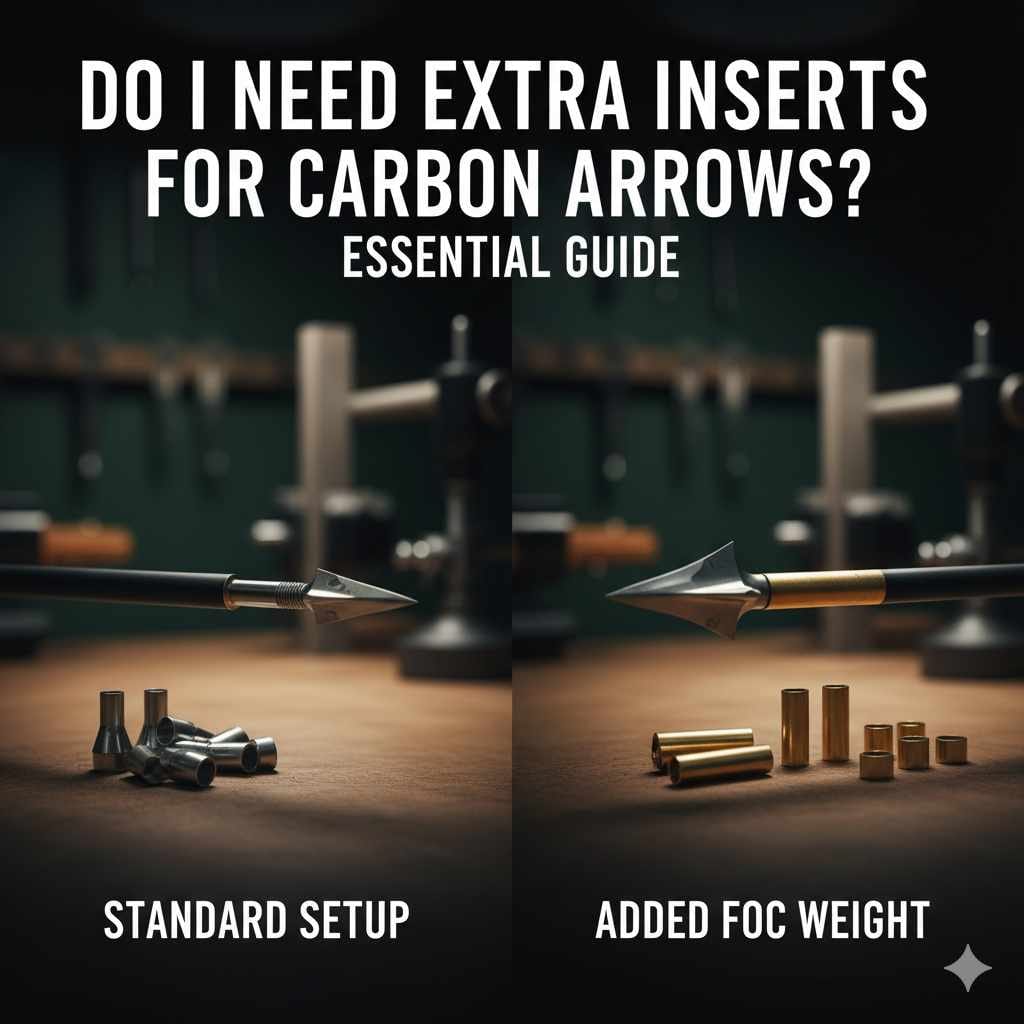
Do I need extra inserts for carbon arrows? Yes, most of the time. Inserts are crucial for a properly tuned and durable carbon arrow, especially for archery hunting or competitive target shooting. They provide a strong connection for broadheads or field points and protect the arrow shaft. This guide will help you understand their importance and how to choose the right ones.

MOFIT
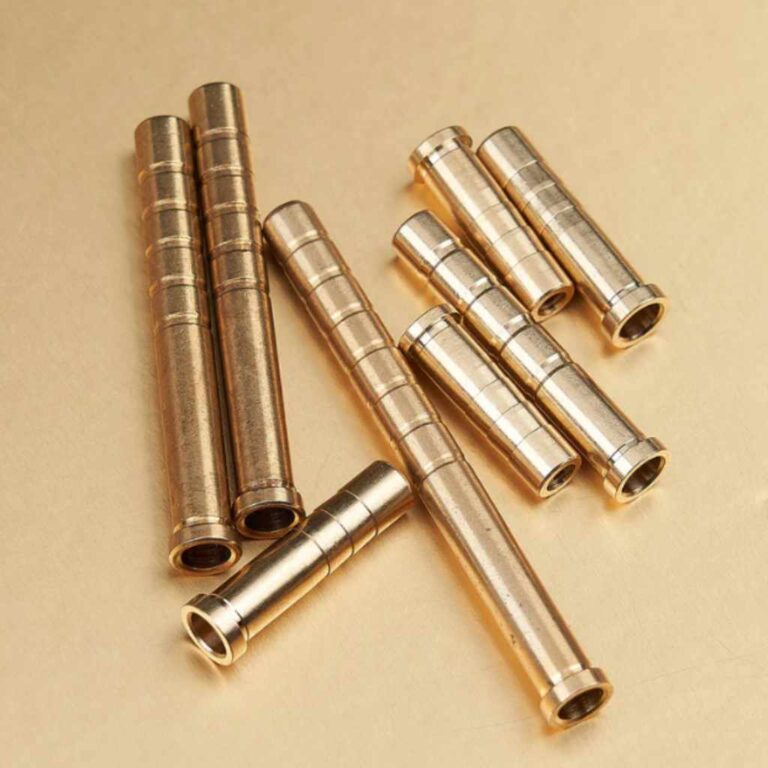
MOFIT 24 Pieces Archery Arrow Aluminum Inserts…
- High-Quality Material: Made from aluminum, these inserts offer exceptional strength and longevity, ensuring your arrows perform at…
- Perfect Fit: With a diameter of .244/6.20mm, these inserts are ideal for carbon arrow shafts, providing a secure and reliable base…
- Lightweight Design: The lightweight construction of these inserts maintains the balance and speed of your arrows, ensuring accurat…
As an Amazon Associate I earn from qualifying purchases.
Welcome, fellow archers! If you’ve just picked up a new set of carbon arrows or are thinking about making the switch from wood or aluminum, you might be wondering about a small but mighty component: the arrow insert. It’s a common question for newcomers, and it’s totally understandable to feel a bit puzzled. These little pieces might seem insignificant, but they play a vital role in how your arrows fly and how long they last. Don’t worry, we’ll break down exactly what inserts are, why your carbon arrows likely need them, and how to make sure you’re using the right ones for your archery adventures. Get ready to feel more confident about your arrow setup!
What Exactly is an Arrow Insert?
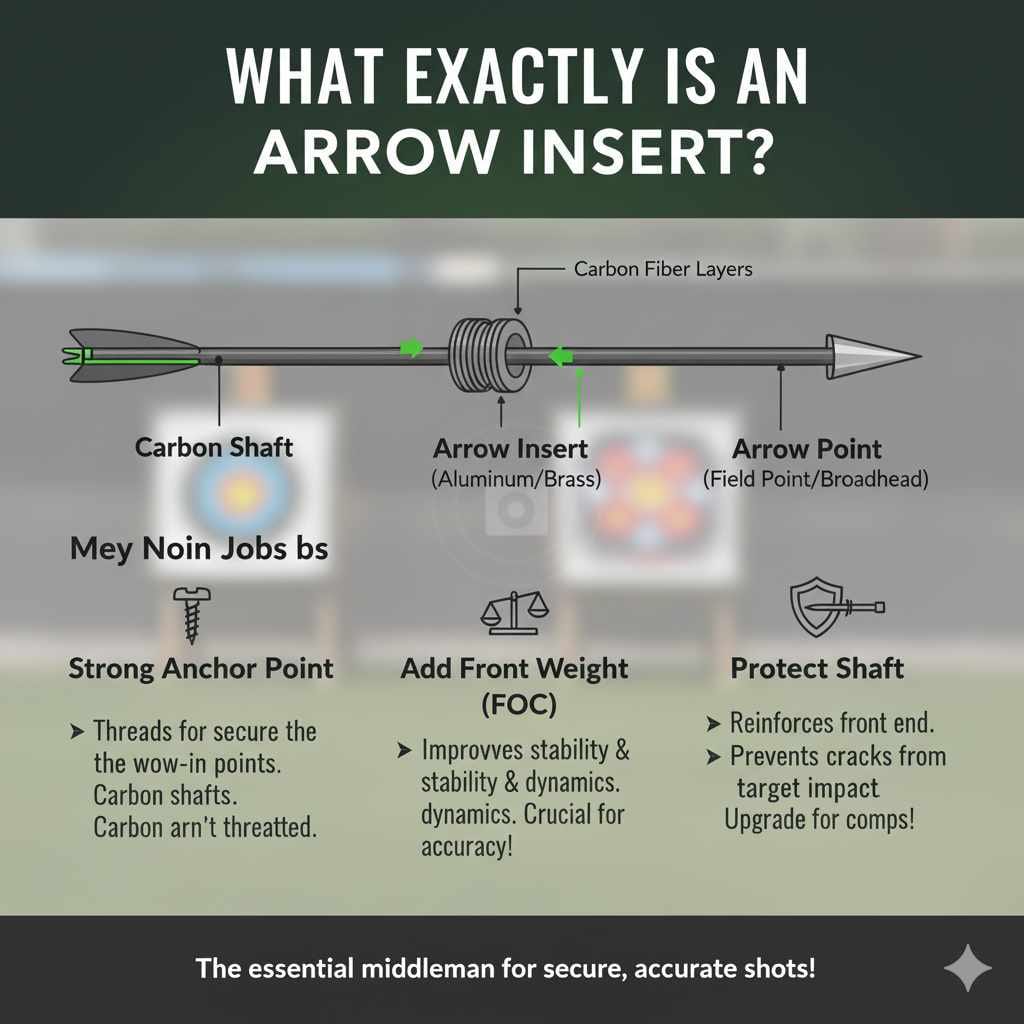
Think of an arrow insert as the middleman between your arrow shaft and your arrow tip (like a field point for practice or a broadhead for hunting). It’s a small piece, usually made of metal like aluminum or brass, that is epoxied or screwed into the front end of a carbon arrow shaft.
Its main jobs are:
- To provide a strong anchor point: The threads on the insert allow you to screw in your arrow points securely. Carbon shafts themselves aren’t threaded, so an insert is necessary for attaching these components.
- To add weight to the front: This added weight at the front of the arrow is called “focus” or “forward of center” (FOC) weight. Proper FOC is critical for arrow stability and good flight dynamics. Beginners often don’t realize how much this matters for accuracy!
- To protect the arrow shaft: The insert reinforces the front end of the shaft, preventing it from cracking or deforming when an arrow hits a target, especially a hard one, or when it’s subjected to the forces of impact.
Why Carbon Arrows Typically Need Inserts
Carbon arrows are incredibly popular due to their strength, straightness, and lightweight nature. However, the inherent properties of carbon fiber mean they need a little help at the business end. Unlike traditional materials like wood or even some aluminum alloys, carbon shafts are hollow and don’t have the structural integrity to directly accept threads for arrow tips.
Here’s a deeper dive into why inserts are so essential for carbon arrows:
Durability and Longevity
Imagine screwing a sharp threaded bolt directly into a hollow carbon tube. It wouldn’t hold up for long! The insert acts as a robust collar, distributing the stress of screwing in a point and the impact of hitting a target over a larger area of the carbon shaft. This significantly reduces the risk of the shaft cracking or splintering near the tip, which is a common failure point for arrows. A well-installed insert ensures your carbon arrows can withstand repeated use.
Accuracy and Arrow Flight
The weight and balance of an arrow are paramount for its flight path. Inserts add a controlled amount of weight to the front of the arrow. This “focus” helps to:
- Improve stability: A slightly heavier front end makes the arrow more stable in flight, helping it cut through the air with less wobble.
- Ensure proper FOC: Forward of Center (FOC) is a measurement of the percentage of an arrow’s total weight that is located in the front 1/3 of the shaft. For most modern bows and archery applications, a FOC between 7-15% is ideal. Inserts are a primary way to achieve this crucial balance. Too little FOC can lead to erratic flight, especially in windy conditions or when shooting at longer distances.
- Tuneability: By choosing different insert weights, archers can fine-tune their arrow’s flight characteristics to match their bow and shooting style. This is a key aspect of arrow tuning, which we’ll touch on later.
You can learn more about arrow tuning and FOC from resources like the Archery Trade Association, which provides excellent consumer information.
Compatibility with Arrow Points
Nearly all commercially available arrowheads, whether they are field points for practice or broadheads for hunting, are designed with a standard threading that mates with an insert. Without an insert, these tips would have nothing to screw into. The insert effectively creates the necessary threaded housing at the front of your carbon arrow.
Weight Distribution and Tuning
Arrow tuning is the process of adjusting your archery equipment so that your arrows fly straight and true from your bow. Inserts are a key component in this process. By selecting different weights of inserts (e.g., 75-grain, 100-grain, 125-grain), you can adjust the overall weight and FOC of your arrow. This allows you to compensate for variations in arrow spine, bow setup, or even to adjust how your broadheads fly compared to your field points.
Types of Arrow Inserts
While the basic function remains the same, there are a few common types of inserts you’ll encounter:
Standard Inserts
These are the most common type and are designed to be glued into the arrow shaft using a special epoxy. They are typically made from aluminum or brass and come in various weights.
Weight-Forward Inserts
These are specifically designed to add more weight to the front of the arrow than a standard insert of the same material. Some archery hunters prefer these to maximize their FOC for better broadhead flight and penetration.
Outsert Inserts
An outsert is a slightly different design where the insert fits over the outside of the arrow shaft rather than completely inside it. This can offer enhanced durability and a different way to achieve a preferred FOC. They can be particularly useful for archers using very small-diameter carbon shafts or for those wanting maximum reinforcement.
Adjustable or Upgradable Inserts
Some systems offer inserts where you can change out weights or even component parts to adjust the arrow’s front-of-center balance without having to glue in multiple different fixed inserts. This offers a high degree of tunability.
When You Might Not Need an Insert (and Why It’s Still Rare)
There are extremely rare exceptions or specialized cases where an insert might not be strictly necessary in the traditional sense, but even then, a similar functional component is often employed:
- Some very specialized target arrows: In some highly specialized target archery disciplines, particularly where the goal is maximum speed and aerodynamics on a very durable shaft, certain arrow designs might utilize a different front-end system. However, these setups are far from typical for beginners or even intermediate archers.
- Custom-made or integrated systems: In very niche custom arrow builds or proprietary arrow systems, the manufacturer might integrate a different front-end solution that doesn’t use a traditional insert.
For virtually all recreational, hunting, and general target archery with standard carbon arrows, you will absolutely need inserts. Trying to skip this component would compromise your arrow’s integrity and performance.
How to Install an Arrow Insert
Installing an arrow insert is a crucial step in building your own arrows. If your arrows came pre-fletched and ready-to-shoot, they already have inserts installed. If you’re building your own or replacing a broken insert, here’s a general overview of the process. Always refer to the specific instructions from your arrow and insert manufacturer.
What You’ll Need:
Before you start, gather these items:
- Carbon arrows with shafts cut to your correct length.
- Your chosen arrow inserts.
- Specialized arrow epoxies (e.g., Fletch-Tite, Goat-Tuff). Standard super glue is NOT recommended as it can make the insert permanent and brittle.
- A way to heat the shaft end slightly (a hairdryer on low, or a gentle, controlled heat gun setting).
- Rubbing alcohol or a similar cleaner.
- Paper towels or clean cloths.
- A clean, well-lit workspace.
Step-by-Step Installation (General Guide):
- Prepare the Arrow Shaft: Clean the inside of the nock end of your carbon arrow shaft thoroughly with rubbing alcohol and a clean cloth or paper towel. Ensure it is completely dry.
- Prepare the Insert: Lightly sand the outside surface of the insert that will be inserted into the shaft. This helps the epoxy adhere better. Again, clean any dust off the insert.
- Pre-fit and Seat Check: Some archery shops recommend gently heating the front of the shaft with a hairdryer on a low setting. This can help the insert seat more firmly and create a better bond. Do not overheat; you just want it slightly pliable. Then, dry-fit the insert into the shaft to ensure it sits flush and completely inside the shaft opening. If it doesn’t fit perfectly, more serious cleaning or minor adjustments might be needed.
- Apply Epoxy: Apply a generous, even amount of arrow-specific epoxy to the outside of the insert. The epoxy should cover the part of the insert that will go inside the shaft. Some people also put a small amount inside the shaft opening itself. Ensure you don’t get epoxy too deep inside the shaft, as this can interfere with adding weight later if needed or can affect arrow dynamics.
- Insert into Shaft: Firmly and smoothly insert the epoxied insert into the front of the arrow shaft. Twist gently as you push it in; this helps distribute the epoxy evenly. Ensure the insert is pushed in as far as it will go, seating it properly against the inside of the shaft. It should sit flush or very slightly below the shaft’s edge.
- Clean Up Excess Epoxy: Immediately wipe away any excess epoxy that squeezes out with a clean paper towel. It’s much easier to clean when wet.
- Allow to Cure: Let the epoxy cure completely according to the manufacturer’s instructions. This typically takes at least 24 hours for a full, strong bond. Do not attempt to screw in an arrow point or shoot the arrow until it’s fully cured.
Choosing the Right Insert Weight
The weight of your insert is one of the easiest ways for a beginner to influence arrow performance. Inserts typically range from around 50 grains up to 150 grains or more.
Factors to Consider:
- Arrow Spine: The spine is the stiffness of the arrow shaft. If your arrows are too weak (incorrect spine for your bow), a heavier insert can sometimes help compensate and make them fly straighter. If they are too stiff, a lighter insert might be considered, though spine is usually adjusted by arrow length or shaft stiffness first.
- Bow Draw Weight and Type: Higher draw weight bows often benefit from heavier arrows for better momentum and penetration, especially for hunting.
- Arrow Length: Longer arrows generally have more of their weight towards the back, and may benefit from a heavier insert to help achieve adequate FOC.
- Arrow Point Weight: You’ll want your insert weight to be compatible with the weight of the practice points (field points) and hunting points (broadheads) you intend to use. Most standard field points are 100 or 125 grains, and broadheads come in a wide range.
- Desired FOC: As mentioned, this is critical. A good starting point calculation for FOC can be found on many archery forums and resources. For instance, a common FOC calculation is: `((Distance from Shaft Center of Gravity to Front of Shaft) – (Diameter of Arrow Shaft / 2)) / (Length of Arrow Shaft) * 100`.
General Recommendations for Beginners:
For most beginners shooting modern compound bows, a common and effective setup is a 100-grain insert paired with 100-grain field points. This weight is a good balance for a wide variety of bows and arrow configurations and is a standard option offered by most manufacturers. If you are specifically hunting, you might consider a 125-grain insert and 125-grain broadheads to maximize downrange energy and penetration.
| Insert Weight (Grains) | Typical Use Case | Impact on FOC | Impact on Arrow Weight |
|---|---|---|---|
| 50-75 | Very light target arrows, reduced spine compensation | Lower FOC | Lighter overall arrow |
| 100 | All-around target and hunting, common beginner choice | Moderate FOC | Moderate arrow weight |
| 125 | Hunting for increased penetration, heavier arrows | Higher FOC | Heavier overall arrow |
| 150+ | Specialized heavy arrow builds, extreme hunting penetration | Very high FOC | Very heavy overall arrow |
It’s always a good idea to consult with an experienced archer at your local pro shop. They can help you select the correct insert weight based on your specific bow, draw length, and intended use.
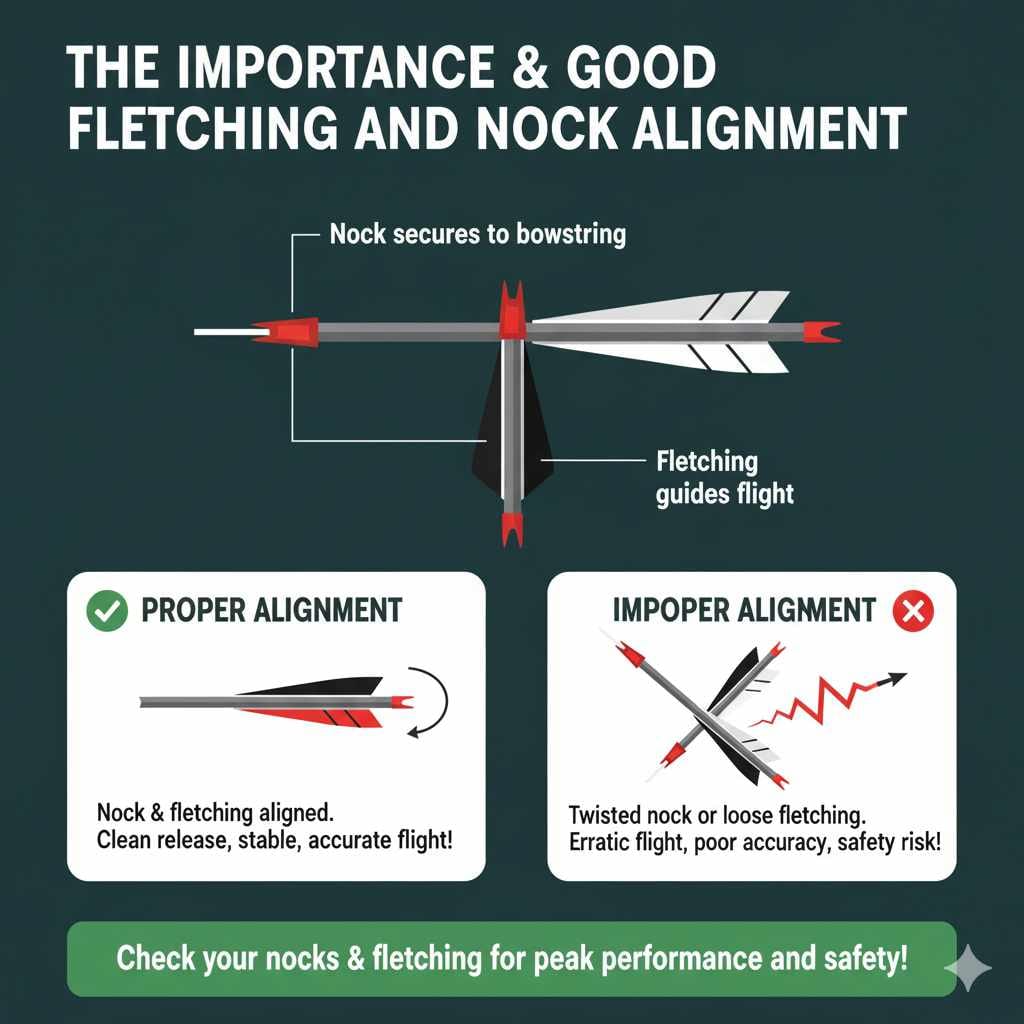
The Importance of a Good Fletching and Nock Alignment
While we’re talking about the front of the arrow, it’s worth a quick mention of its tail end. The insert ensures your tip is straight and secure, while the nock at the back ensures your arrow is properly aligned when it leaves the bowstring. Both work together for good flight.
A proper nock alignment is crucial for arrow flight. The nock fits onto your bowstring, and its alignment with the fletching (the vanes or feathers) helps the arrow fly true. If your nocking point is off, or if your nocks are loose or misaligned, even the best-inserted arrow will fly erratically. Check your equipment regularly to ensure your nocks are securely attached to the shaft and are aligned correctly with the fletching.
Troubleshooting Common Insert Issues
Even with careful installation, you might run into a few snags. Here’s how to address them:
Insert Won’t Go In Fully
Cause: Rough shaft opening, burrs inside the shaft, or epoxy already hindering insertion.
Solution: Ensure the shaft opening is perfectly clean and smooth. If it’s a new shaft, check for manufacturing debris. Gently ream the inside if necessary. Try a tiny bit more heat on the shaft end, but be cautious. Make sure you haven’t applied too much glue too soon.
Insert is Loose or Spins
Cause: Insufficient epoxy, improper epoxy application, or the shaft opening being too large.
Solution: You might need to remove the insert (carefully heating it can sometimes loosen the epoxy) and re-install it with fresh, properly applied epoxy. If the shaft opening is truly too large, the shaft might be defective, and you may need to replace it.
Insert is Not Flush
Cause: The insert wasn’t pushed in far enough, or it’s sitting on an obstruction inside the shaft.
Solution: Gently try to push it in further while the epoxy is still workable. If fully cured, it may need removal and re-installation. Some archers don’t mind a very slight recess, but a proud insert (sticking out) is generally problematic and can affect flight.
Cracking Around the Insert Area
Cause: Overheating the shaft during installation, improper seating, or a defective shaft.
Solution: Sadly, if the carbon shaft itself has cracked during installation or impact around the insert area, the arrow is generally considered compromised and should be retired for safety reasons. Always inspect arrows for damage before shooting. For more details on inspecting arrows, you can refer to resources on archery safety, such as those developed by the USA Archery organization.
FAQ: Your Arrow Insert Questions Answered
Q1: Do all carbon arrows need inserts?
Yes, for almost all practical purposes. Inserts provide the necessary threaded interface to attach arrow points and reinforce the front of the shaft, which is critical for durability and proper arrow flight.
Q2: Can I use regular super glue to install inserts?
It’s highly recommended not to. Standard super glue can create a brittle bond and makes it very difficult to remove or adjust the insert later. Use specialized arrow epoxies designed for carbon shafts and inserts.
Q3: How do I know what weight insert to buy?
Consider your bow’s draw weight, arrow length, and intended use (target vs. hunting). A common starting point for beginners is a 100-grain insert with 100-grain points. Consult a pro shop for personalized advice. Factors like desired Forward of Center (FOC) are key.
Related pick: Check today's price on Amazon