How to Cut Carbon Arrow Shafts: Genius Guide
Cutting carbon arrow shafts at home is a straightforward process that ensures a perfect arrow spine for your bow. Using the right tools and following safety precautions will give you consistently accurate arrows. This guide breaks down exactly how to get it done like a pro, ensuring your arrows fly true.

NIGSTAGLO
NIGSTAGLO Archery Arrow Shaft Cutter Cut Off…
- Precision Arrow Cutting: Achieve perfect arrow lengths with NIGSTAGLO arrow cutter designed for 0.5 to 32 inches cutting length wi…
- Adjustable Fit: NIGSTAGLO arrow shaft cutter designed to accommodate various arrow sizes, cut off saw trimmer 0.5 to 32 inches cut…
- Durable and Efficient: Made to last, NIGSTAGLO tube cutter features a sharp cutting blade that effortlessly slices through arrows…
As an Amazon Associate I earn from qualifying purchases.
For a related arrow setup, How to Cut Easton Carbon Arrows: Genius Trick gives readers another detail to check before shooting.
For a related arrow setup, 4560 vs 6050 Arrow Shafts: Which Is Right for You? gives readers another detail to check before shooting.
For a related arrow setup, Does Arrow Point Up or Down When Sorted: A Genius Answer gives readers another detail to check before shooting.
So, you’ve got your new carbon arrows, and they’re a little too long for your draw length. It’s a common situation for archers, especially beginners, and getting your arrows to the right length is crucial for accuracy. An arrow that’s too long can flex improperly, affecting its flight and how it hits your target. But don’t worry, cutting carbon arrows at home is totally achievable! It might sound a bit intimidating at first, but with the right tools and a little patience, you’ll be cutting your arrows like a seasoned pro. This guide will walk you through every step, making sure you end up with perfectly sized arrows for your shooting enjoyment.
Why Arrow Length Matters
Before we dive into the “how-to,” let’s quickly touch on why this step is so important. The length of your arrow is directly related to its spine, which is its stiffness. When you nock an arrow and draw your bow, the arrow flexes. This flex is called paradox. The bow’s energy is transferred to the arrow during the shot, and the arrow needs to flex correctly to straighten out and fly true to the target. If an arrow is too long, it might not flex correctly, leading to erratic flight. If it’s too short for your setup, it might rest too close to the Riser of your bow or the string, which is both unsafe and inaccurate.
Most arrows are sold in standard lengths, but archers come in all shapes and sizes, with different draw lengths and bow weights. That’s where cutting your own arrows comes in. It allows you to fine-tune your equipment for optimal performance. Getting this right means more consistent shots, better groups on your target, and ultimately, more fun and confidence when you’re out shooting.
Gathering Your Essential Tools
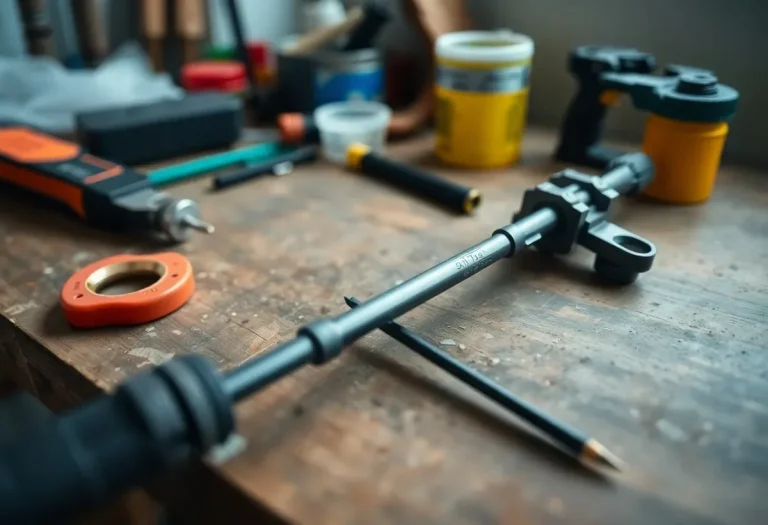
To cut your carbon arrows safely and accurately, you’ll need a few key items. Don’t worry; you probably have some of these already, and the others are readily available at most archery shops or online retailers. Having the right tools makes a big difference in the quality of your cut and the safety of the process.
What You’ll Need:
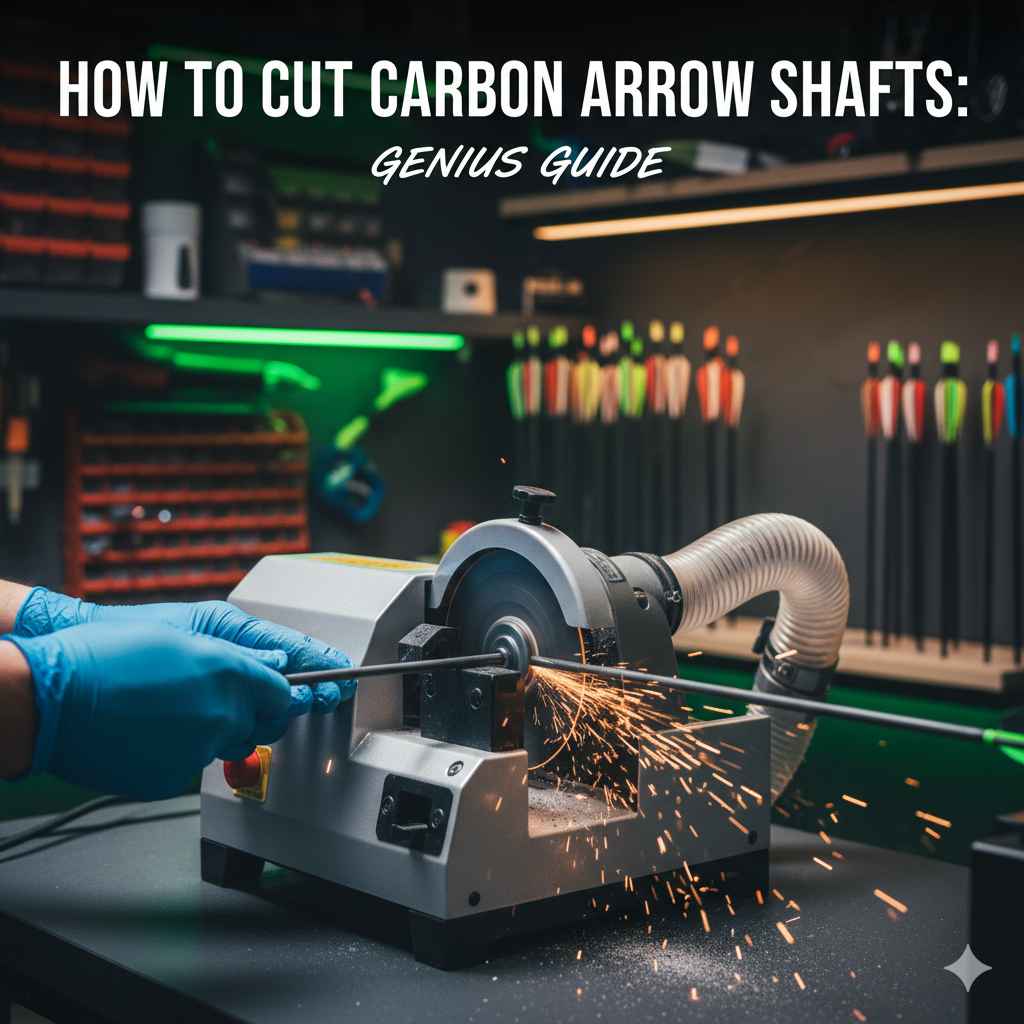
- Carbon Arrow Saw or Specialized Cutting Tool: This is the most important tool. A dedicated carbon arrow cutting saw is ideal for straight, clean cuts. For a few arrows, a fine-toothed hacksaw can work, but a specialized saw will give you a much cleaner and more precise result. Look for saws designed specifically for carbon arrows. Many archers use the Bohning Pro Shaft Cutter or a small band saw with a fine-tooth blade.
- Arrow Square or Caliper: This is essential for measuring and ensuring your cut is perfectly perpendicular (straight across) to the arrow shaft. A dead-straight cut is vital for proper nock alignment and consistent arrow flight. A digital caliper can also work well for this.
- Measuring Tape or Ruler: A standard tape measure or ruler will be used to determine the desired length of your arrows.
- Marker: To mark the cut line on your arrow shaft. A fine-tip permanent marker works best.
- Safety Glasses: This is non-negotiable! Cutting carbon arrows creates very fine carbon dust. This dust is sharp and can cause serious irritation or damage to your eyes and lungs if inhaled or if it gets into them. Always wear safety glasses.
- Dust Mask or Respirator: To protect your lungs from inhaling the fine carbon dust.
- Cutting Mat or Scrap Wood: To protect your work surface and to provide a stable base for cutting.
- Sandpaper (Fine Grit): To smooth out any rough edges after cutting. A sanding block or a dedicated arrow spinner can make this easier.
- Arrow Spinner (Optional but Highly Recommended): This tool holds your arrow and allows it to spin. It’s incredibly helpful for ensuring a perfectly straight cut and for sanding the shaft smooth evenly.
- Towel or Rag: To wipe down your arrows and work area.
Having all these items ready before you start will make the entire process smooth and efficient. Investing in a good arrow squaring device and a dedicated saw will pay dividends in arrow accuracy and consistency.
Safety First: Protecting Yourself and Your Workspace
Working with carbon fiber requires some attention to safety. Carbon dust is a significant concern. It’s sharp and can easily become airborne. Here’s how to stay safe:
- Always Wear Safety Glasses: I can’t stress this enough. Protect your eyes from any flying particles.
- Use a Dust Mask or Respirator: Inhale only filtered air. This is crucial for preventing respiratory irritation.
- Work in a Well-Ventilated Area: If possible, set up your cutting station outdoors or in a garage with good airflow.
- Clean Up Thoroughly: Carbon dust can linger. Wipe down all surfaces and tools with a damp cloth or tack cloth after you’re finished. Don’t sweep dry carbon dust, as this will just send it into the air.
- Handle Cut Shafts Carefully: The cut end of a carbon arrow will be sharp. Be mindful of where you place cut shafts to avoid accidental cuts to yourself or damage to other equipment.
A clean workspace is a safe workspace. Take a few moments to prepare your area. Lay down a cutting mat or some scrap wood to catch dust and protect your table. Having everything organized before you start cutting will prevent fumbling and potential accidents.
Step-by-Step Guide to Cutting Carbon Arrows
Now that you’re prepared and understand the safety protocols, let’s get to the fun part – cutting your arrows! Follow these steps carefully for the best results.
Step 1: Determine Your Correct Arrow Length
This is the most critical measurement. There are a few ways to do this accurately:
- Using Your Bow and Existing Arrows:
- Nock an arrow onto your bowstring.
- Draw the bow back to your natural anchor point.
- Have a helper mark the arrow shaft with a pencil or by holding a finger where the arrow shaft extends past the bow’s Riser.
- Be precise with your anchor point – this is where the arrow length is most critical.
- Using an Arrow Length Measurement Chart (Less Precise for Custom Fits): Some charts can give you a general idea based on your draw length, but measuring directly from your bow is always best for a custom fit.
- Using an Arrow Squaring Device with Measurement Markings: Some specialized arrow cutting tools incorporate measurement guides, allowing you to measure and cut in one go.
Important Note: It’s generally recommended to cut your arrows slightly longer than you think you need initially. You can always cut more off, but you can never add it back! A common rule of thumb is to have the arrow shaft extend about 1 to 1.5 inches past the Riser when measured from the back of the arrow rest. However, your draw length and bow setup are the best guides.
Step 2: Mark the Cut Line
Once you know your desired length, it’s time to mark the arrow.
- Place your arrow on a flat surface.
- Use your measuring tape to find the exact point where your desired length ends.
- Carefully place your arrow square against the shaft at that measurement point.
- Use your fine-tip marker to draw a clean, straight line all the way around the arrow shaft where the arrow square indicates. This line is your cutting guide.
Ensure the line is clear and visible. A good square prevents an angled cut, which is a recipe for poor arrow flight.
Step 3: Set Up Your Cutting Tool
This step varies slightly depending on the tool you’re using.
For a Dedicated carbon arrows Saw:
- Ensure the blade is sharp and appropriate for carbon (fine-toothed).
- If your saw has an adjustable fence or guide, set it to ensure a perpendicular cut.
- Place a cutting mat or scrap wood beneath where the arrow will be cut if your saw doesn’t have a built-in support.
For a Fine-Toothed Hacksaw:
- Secure your arrow in a way that you can cut freely. An arrow spinner can hold it steady, or you can gently clamp it (being careful not to crush it).
- Ensure you have a stable surface to cut on, and a place for the cut-off end to fall safely.
Using an Arrow Spinner: Many archers find using an arrow spinner invaluable. It holds the arrow securely and allows it to rotate, which is ideal for making a perfectly straight cut and for sanding later.
Step 4: Make the Cut
This is where precision and a steady hand are key.
Using a Carbon Arrow Saw:
- Put on your safety glasses and dust mask.
- Carefully align the marked line on your arrow shaft with the saw blade.
- If using a saw with a guide, ensure the arrow presses firmly against it.
- Slowly and steadily push/guide the arrow through the blade, following your marked line. Let the saw do the work; don’t force it.
- Support the arrow as it passes through to prevent it from splintering or breaking unevenly on the exit.
Using a Hacksaw:
- Put on your safety glasses and dust mask.
- Secure the arrow.
- Align the blade with your marked line.
- Use a smooth, back-and-forth sawing motion. Apply gentle, consistent pressure.
- Be patient. Rushing can lead to an uneven cut or damage to the shaft.
- Support the arrow as you near the end of the cut.
With an Arrow Spinner:
- Secure the arrow in the spinner.
- Place the spinner near your saw blade or cutting tool.
- Rotate the spinner slowly while applying gentle pressure to the saw. Aim to cut right on the marked line.
- This method often results in the cleanest cuts because the arrow is perfectly supported and rotated evenly.
Step 5: Smooth the Cut End
After cutting, the end of the arrow shaft will likely have some rough edges or burrs. These need to be smoothed out.
- If using an arrow spinner, secure the cut arrow shaft in it.
- Gently sand the cut edge with fine-grit sandpaper. Use a sanding block or wrap sandpaper around a small dowel.
- If using an arrow spinner, hold the sandpaper against the rotating cut edge until it’s smooth and clean.
- If you don’t have a spinner, carefully sand the edge by hand, rotating the arrow to ensure even smoothing.
- The goal is to create a perfectly flat, clean surface for the nock to be glued onto later, and to prepare the shaft end for inserting nocks or components.
Be thorough but gentle. You want to remove any sharp edges or carbon splinters without compromising the structural integrity of the shaft. A smooth, flat end is crucial for proper fletching and for the arrow to sit correctly on your Riser or arrow rest.
Step 6: Insert Components (Nocks/Inserts)
Once the shaft is cut and smoothed, you’ll typically insert a new nock or an insert (which is where your field point or broadhead screws in) into the cut end.
- For Outsert Systems: If your arrows use an outsert (where a sleeve slides onto the outside of the shaft), trim the shaft to the correct length, and then slide the outsert on. Follow the manufacturer’s instructions for gluing.
- For Inserts (Standard): If your arrows use standard inserts that go into the shaft, you’ll need to glue these in. Clean the inside of the shaft end and the outside of the insert thoroughly. Use a small amount of specialized arrow-building epoxy or super glue designed for arrows. Insert the component and ensure it’s straight and fully seated. Allow it to cure completely according to the adhesive manufacturer’s instructions.
- For Nocks (Recurve/Traditional or Glue-on): If you are using glue-on nocks or if your insert is designed to accept a glue-in nock, follow the same cleaning and gluing procedures.
Tip: Always check the manufacturer’s recommendations for your specific arrows and components. Some modern arrows use press-fit nocks or inserts that don’t require glue, but always confirm.
Table: Comparing Cutting Methods
Here’s a quick look at common methods for cutting carbon arrows:
| Method | Pros | Cons | Best For |
|---|---|---|---|
| Dedicated Carbon Arrow Saw | Precise, clean cuts; fast; repeatable results; designed for material. | Requires specialized tool purchase; can be a higher upfront cost. | Archers cutting multiple arrows, seeking highest accuracy and precision. |
| Fine-Toothed Hacksaw | Inexpensive; readily available; can work in a pinch. | Prone to splintering; less precise; requires a very steady hand; dustier. | Occasional cuts, budget-conscious archers, or when specialized tools aren’t accessible. |
| Rotary Tool (e.g., Dremel) with Cutting Disc | Versatile; can be fast if done correctly. | High risk of overheating and melting carbon; difficult to achieve a perfectly square cut; generates a lot of dust and sparks. Requires specific cutting discs and careful control. | Experienced users very comfortable with rotary tools, with appropriate safety measures. Not recommended for beginners. |
| Chop Saw with Fine-Tooth Blade | Can provide very straight cuts; efficient for multiple arrows. | Requires a precise setup to hold the arrow perpendicular; significant dust generation; need to ensure blade is designed for carbon. | Archers with access to a chop saw and the knowledge to set it up safely for arrows. |
For beginners, investing in a dedicated carbon arrow saw or a good quality arrow squaring tool combined with a fine-tooth blade is the recommended approach for consistent results and safety.
Maintaining Your Cut Arrows
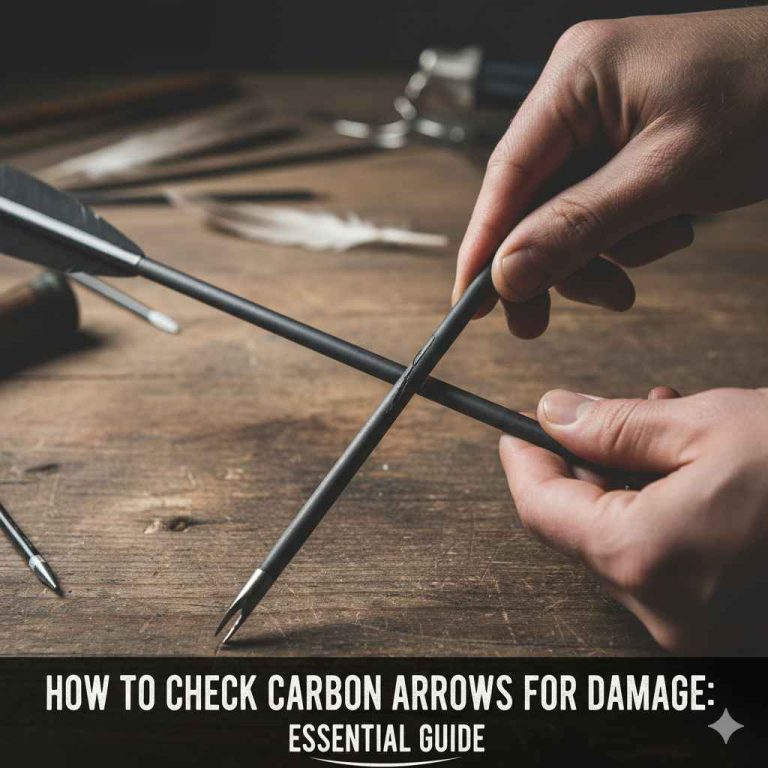
Once your arrows are cut to the correct length and components are installed, they are ready to fly! However, it’s good practice to inspect your arrows regularly. Look for any signs of damage, especially around the nock and where the fletchings are attached. Carbon arrows can be very durable, but they aren’t indestructible. Always use arrows that have passed a visual inspection to ensure safety and accuracy.
If you notice any fuzziness, cracks, or other damage on the shaft, it’s best to retire that arrow. The risk of it failing during a shot is not worth the potential for injury. For more in-depth arrow maintenance and inspection tips, you can always consult resources like the U.S. Fish and Wildlife Service’s guide on archery hunting, which includes safety and equipment care.
Frequently Asked Questions (FAQs)
Q1: Can I cut carbon arrows with a regular hacksaw?
You can, but it’s not ideal. A regular hacksaw blade is often too coarse and can cause the carbon to splinter or fray, leading to a rough cut. If you must use one, use a very fine-toothed blade and be extremely careful to maintain a steady, straight cut. A specialized carbon arrow saw or a band saw with a fine blade is always preferred for cleaner, safer results.
Q2: How do I know the exact length to cut my arrows?
The best way is to measure directly from your bow. Nock an arrow, draw your bow to your natural anchor point, and mark where the shaft extends past your Riser. A common guideline is about 1 to 1.5 inches longer than the Riser, but your specific draw length and bow setup are the most accurate indicators. It’s always better to cut slightly long and trim more later if needed.
Q3: What happens if my arrow cut isn’t perfectly straight?
An off-center or crooked cut can cause your arrow to fly erratically. It can affect how the arrow leaves the Riser, leading to inconsistent shots and reduced accuracy. It’s crucial to use an arrow square or a precise cutting jig to ensure a perpendicular cut for optimal performance.
Related pick: Check today's price on Amazon