How To Cut Carbon Arrows At Home: Essential Guide
Cutting carbon arrows at home is a straightforward process when you have the right tools and follow precise steps. Measure carefully, mark your desired length, and use a specialized arrow saw or a fine-toothed blade with a miter box for a clean, straight cut. This guide will show you how to do it safely and effectively, ensuring your arrows fly true.
Welcome, fellow archers! Ever wondered if you can trim down those carbon arrows yourself to get a perfect fit? You’re not alone! Many archers, especially beginners, find that store-bought arrows aren’t always the exact length they need for their draw length and bow setup. This can lead to inconsistent shots and frustration. But don’t worry! Cutting carbon arrows at home is absolutely achievable, and with this guide, you’ll learn how to do it safely and accurately. We’ll walk through everything, from the tools you’ll need to the exact steps to get that perfect arrow length. Get ready to boost your archery confidence!
Why Cut Your Carbon Arrows?
So, why would you even consider cutting your carbon arrows? It all comes down to optimization and consistency in your archery performance. Arrows need to be the correct length for your specific draw length and bow. An arrow that’s too long can be physically difficult to nock properly and might even flex incorrectly during the shot, affecting accuracy. Conversely, an arrow that’s too short can be dangerous, as it might not be fully supported by the arrow rest when released, potentially leading to spine issues or even string slap. Getting the length just right ensures your arrows are safe, efficient, and fly straight and true towards their target. Think of it like tuning an instrument – getting the length perfect makes a world of difference!

Essential Tools for Cutting Carbon Arrows
Before we dive into the cutting, let’s gather our essential toolkit. Using the right equipment is key to a clean cut and your safety. Don’t try to wing it with just any saw; carbon arrows require precision. Here’s what you’ll need:
- Arrow Saw or Specialized Cutting Tool: This is the ideal tool. An arrow saw is essentially a small, precise cutting wheel designed specifically for arrows. They ensure a perfectly perpendicular cut and minimize splintering. Many archery shops offer this service, but for home use, investing in a portable one can be worthwhile if you plan to cut multiple arrows.
- Fine-Toothed Saw and Miter Box: If a dedicated arrow saw isn’t in your budget, a high-quality fine-toothed hacksaw or a specialized bow saw blade, used with a miter box, can be a good alternative. The miter box is crucial for guiding the saw and ensuring a straight, 90-degree cut. Look for something with at least 32 teeth per inch (TPI) for a cleaner cut on carbon.
- Measuring Tape or Archery Scale: Precision is paramount. A good quality measuring tape or an archery arrow scale will ensure you mark the correct length.
- Permanent Marker: To clearly mark your cut line on the arrow shaft.
- Sandpaper or File (Fine Grit): To smooth out any rough edges after cutting. Typically, 400 grit or higher is recommended.
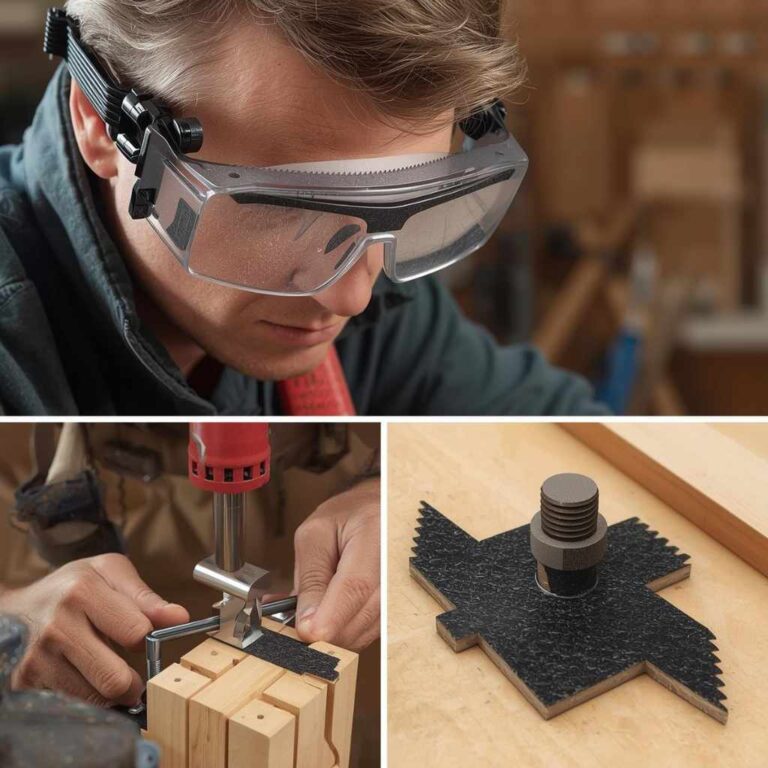
- Safety Glasses: Absolutely crucial! Cutting carbon releases fine dust particles that you do not want in your eyes.
- Dust Mask: Also important for protecting your lungs from airborne carbon dust.
- Clamps or Vice (Optional but Recommended): To hold the arrow securely in place while cutting, especially if using a miter box.
- Arrow Straightener (Optional): While not strictly for cutting, it’s good practice to check arrow straightness before and after cutting.
Precise Arrow Measurement: The First Step to Success
This is where accuracy really counts. An incorrectly measured arrow can negate all your careful cutting work. We need to determine your “arrow length” correctly. This isn’t just about measuring from tip to nock. We need to find your actual arrow length, which is often referred to as your “arrow spine” length for consistency.
Here’s the standard method:
- Find Your Draw Length: This is the most critical measurement. If you don’t know your draw length, it’s best to have a qualified archery professional measure it for you at a local pro shop. They use specialized measuring tools and techniques.
- Measure to the Throat of the Nock: Once you know your draw length, the measurement for your arrow is typically taken from the bottom of the arrow’s nock groove (the deepest part where the string attaches) to the point where the string rests at full draw. This is often called measuring to the “throat” of the nock.
- Add Clearance: Most archers add a small amount of clearance to this measurement to account for the arrow flexing around the riser of the bow during the shot. A common addition is 1 to 1.5 inches. For example, if your draw length to the throat of the nock is 28 inches, you might aim for an arrow length of around 29 to 29.5 inches.
Important Note: Different archery disciplines and bow setups might have slightly different best practices. For compound bows, the measurement is critical for proper arrow spine selection. For recurve bows, the measurement can influence arrow tune. Always consult your bow manufacturer’s recommendations or a trusted archery coach if you’re unsure.
Step-by-Step Guide: How to Cut Carbon Arrows at Home
Now that we’re prepared and have our measurement, let’s get to the actual cutting. Remember to wear your safety glasses and dust mask throughout this process. Safety first, always!
Step 1: Mark Your Arrow
With your measured arrow and permanent marker ready, determine where you want to cut. Lay the arrow on a flat surface. Use your measuring tape to find the exact desired length from the nock end. Make a clear, thin line all the way around the shaft with your marker. This line will serve as your guide to ensure a straight cut.
Step 2: Secure the Arrow
This is where clamps or a vice can be very helpful. If using a miter box, position the arrow so the marked line is perfectly aligned with the guide slot for your saw. Ensure the arrow is held firmly so it doesn’t shift during cutting. If you don’t have clamps, you can carefully hold the arrow with one hand while sawing with the other, but extreme caution is needed to maintain stability and a perpendicular cut.
Step 3: Making the Cut – Using an Arrow Saw
If you’re lucky enough to have an arrow saw:
- Position the arrow in the saw’s clamp.
- Line up the cutting wheel precisely with your marked line.
- Turn on the saw (if it’s electric) or begin your smooth cutting motion.
- Let the saw do the work. Don’t force it. A steady, controlled cut is best.
- Once the cut is complete, carefully remove the arrow.
Step 4: Making the Cut – Using a Miter Box and Saw
If you’re using a miter box:
- Place the arrow in the miter box.
- Align the marked line with the 90-degree guide slot.
- Gently clamp or hold the arrow in place.
- Position your fine-toothed saw in the guide slot, resting on your marked line.
- Begin sawing with a smooth, steady motion. Apply light pressure.
- Focus on cutting straight through. The miter box will help keep the saw at a 90-degree angle.
- Continue until the cut is complete.
Step 5: Smoothing the Edges
After cutting, the end of the arrow shaft will likely have some burrs or rough edges. This is normal. Gently use fine-grit sandpaper or a file to smooth these edges. You want a perfectly clean surface. Be careful not to remove too much material, as this could alter your arrow’s effective spine. A few slow, even strokes are usually enough. Some archers use a chamfered edge, which is a slight bevel, to smooth things out further and prevent string slap, but for beginners, a clean, flat edge is perfectly fine.
Step 6: Inspect and Test
Once you’ve smoothed the end, take a good look. The cut should be perfectly square and clean. Next, it’s a good idea to check the straightness of the arrow shaft. You can do this by rolling it on a flat surface or using an arrow spinner. If the arrow wobbles or looks bent, it might have been damaged during the cutting process. In such cases, it’s best to discard the arrow or use it only for practice at very close distances.
If the arrow looks good, you can now insert an insert or glue on a new point. Follow the manufacturer’s instructions for your specific arrow components. Remember that cutting an arrow makes it stiffer, effectively increasing its spine. This is a crucial consideration for compound archers selecting arrows. If you cut too much off, your arrow might become too stiff for your bow, negatively impacting its flight.
Choosing the Right Arrow Length: Impact on Spine
This is a crucial point, especially for compound archers. The length of an arrow directly affects its stiffness, which is known as its “spine.” Think of spine as the arrow’s resistance to bending. An arrow spine value is typically rated at a specific deflection when a weight is applied to it at a certain point.
Here’s the relationship:
- Cutting an arrow makes it stiffer. When you shorten an arrow, more of the shaft’s material is closer to the center load applied when it’s shot. This means it bends less easily, thus increasing its effective spine.
- An arrow that is too stiff might not flex correctly around the bow riser. This can lead to poor arrow flight, inaccurate shots, and potentially damage to your bow.
What this means for you:
- Compound Bows: If you’re shooting a compound bow, you’ll need to select arrows that are based on your draw length AND the intended cut length. Then, if you cut them shorter, they will become stiffer. You generally want an arrow that is slightly on the softer side of the recommended spine before any cutting, allowing your cut to bring it into the optimal range. Always aim to cut from the back (nock end) of the arrow, never the front (point end), as this can affect where the point weight is located relative to the center of the shaft.
- Recurve Bows: While spine is still important, the impact of cutting an arrow for a recurve bow is often less critical for safety than with a compound bow, though it still affects how the arrow tunes to the bow. You might have a bit more flexibility here, but precision is still key for accuracy.
To help you understand spine and arrow selection better, here’s a general idea of how cutting impacts spine stiffness:
| Arrow Length Change | Effect on Spine Stiffness | Implication |
|---|---|---|
| Shortened by 1 inch | Increases stiffness (spine value increases) | Arrow becomes effectively stiffer; may need to select one spine point weaker initially. |
| Shortened by 2 inches | Significantly increases stiffness | Arrow becomes much stiffer; critical for compound bow tuning. |
| Lengthened (not possible by cutting) | Decreases stiffness (spine value decreases) | Not applicable when cutting; if you need a weaker arrow, you must buy a longer or weaker-spined arrow. |
For compound bow owners, consider consulting the National Archery in the Schools Program (NASP) or looking into resources from governing bodies like USA Archery for detailed charts on arrow spine calculators and selection. They provide excellent, reliable information on optimizing arrow performance for safety and accuracy.
Common Mistakes to Avoid
Even with the best intentions, a few common slip-ups can happen. Knowing them in advance will help you avoid them:
- Using the Wrong Saw: A coarse-toothed saw will splinter the carbon, creating a weak and dangerous point. Always use a fine-toothed blade.
- Not Wearing Safety Gear: Carbon dust is hazardous. Always wear safety glasses and a dust mask.
- Cutting Too Short: Measure twice, cut once! It’s irreversible. If you cut too short, you’ll need a new arrow.
- Cutting at an Angle: An uneven cut will not only look bad but will also affect how the arrow sits on your rest and its flight path. A miter box or arrow saw is essential for a square cut.
- Forgetting to Smooth Edges: Rough edges can damage your arrow rest or fletching, and weaken the shaft.
- Ignoring Spine Changes: Especially critical for compound bows. Cutting an arrow changes its spine, and failing to account for this can lead to poor shooting.
Maintaining Your Arrows After Cutting
Once your arrows are cut to the perfect length and ready to fly, a little maintenance goes a long way. After each cutting session, make sure to:
- Clean the cut end: Ensure no residual dust or debris is left on the freshly cut shaft before attaching new points or inserts.
- Check for Cracks: Visually inspect the arrow, especially around the cut end, for any signs of splintering or cracks. A light flex test can also help. Any sign of damage means the arrow should be retired.
- Store Properly: Keep your arrows in an arrow case to protect them from impacts that could cause damage or reduce their straightness.

Frequently Asked Questions (FAQ)
Q1: Can I use a regular hacksaw to cut carbon arrows?
A1: You can, but it’s highly recommended to use a fine-toothed hacksaw blade (at least 32 TPI) and a miter box to ensure a straight, clean cut. A coarse blade will splinter the carbon, making the arrow unsafe.
Q2: How do I prevent carbon dust from getting everywhere?
A2: Always wear safety glasses and a dust mask. Cut in a well-ventilated area or outdoors. You can also dampen the cutting area slightly (but not the arrow itself) to help suppress dust, though this is less effective with carbon than other materials.
Q3: What happens if I cut my arrow too short?
A3: If you cut an arrow too short, it is permanently shortened. You will need to purchase a new, longer arrow. This is why precise measurement and caution are paramount when cutting.
Q4: Does cutting an arrow change its spine?
A4: Yes! Cutting a carbon arrow makes it stiffer, meaning its effective spine increases. This is very important for compound shooters, as an arrow that becomes too stiff for your bow will not shoot accurately and can be unsafe. Always account for this change when selecting your initial arrow spine.
Q5: What’s the best way to get an accurate draw length measurement?
A5: The most reliable way is to visit a local archery pro shop. They have specialized tools and experienced staff to measure your draw length correctly. Incorrect draw length measurement will lead to incorrectly cut arrows.
Q6: Should I cut from the nock end or the point end?
A6: You should always cut from the nock end (the back) of the arrow. Cutting from the point end can alter the arrow’s dynamic spine and how the point weight is balanced, potentially affecting its flight and tune significantly.
Q7: How much should I add to my measurement to account for clearance?
A7: A common practice is to add 1 to 1.5 inches to your measured draw length (to the throat of the nock). However, the exact amount can vary slightly based on your bow’s design (especially bridge riser bows) and personal preference. Consulting a coach or experienced archer can help you fine-tune this.
Conclusion
Cutting carbon arrows at home is a rewarding skill that allows you to fine-tune your archery equipment for optimal performance and comfort. By following these steps, using the right tools, prioritizing safety, and measuring meticulously, you can confidently achieve perfectly sized arrows. Remember, precision in measurement and a steady hand during the cut are your best allies. Don’t be discouraged if your first attempt isn’t absolutely perfect; like any skill in archery, it takes a little practice to get it just right. Enjoy the process, and most importantly, enjoy hitting your targets with your custom-fitted arrows!