How to Cut Your Own Carbon Arrows: Essential Guide
Quick Summary
Cutting your own carbon arrows is a rewarding DIY archery skill. Follow these essential steps to precisely shorten your arrows for improved accuracy and a better fit for your draw length, ensuring consistent flight and performance. This guide provides a safe, easy-to-follow process for beginners.
Welcome, fellow archers! Ever feel like your arrows are just a little too long, or maybe you’ve bought new components and need to make them just right? It’s a common situation for many of us getting serious about archery. Those extra inches can impact how your arrow flies, affecting your accuracy and even your safety. But don’t worry! Cutting your own carbon arrows might sound a bit intimidating at first, but I’m here to show you it’s totally achievable—even for beginners. With a few simple tools and a bit of patience, you can get your arrows perfectly tuned to your bow and your shooting style. So, let’s dive in and get those arrows flying true!
Why Cut Your Own Carbon Arrows?
As an archer, you want your equipment to perform at its best. While many arrows come in standard lengths, personal preferences and specific bow setups often call for a custom length. Cutting your own arrows isn’t just about customization; it’s about optimizing your archery performance and safety. Here’s why it’s a great skill to have:
- Improved Accuracy: Arrows that are too long can flex excessively when shot, leading to inconsistent flight and a loss of accuracy. Cutting them to the optimal length, which is typically a few inches longer than your draw length plus the necessários measurement for arrow support, helps to minimize this flex and ensures a cleaner release.
- Tuning and Consistency: A perfectly cut arrow contributes significantly to the overall tuning of your bow. When all your arrows are the same, precisely measured length, your bow will shoot them more consistently, making it easier to diagnose and fix any tuning issues.
- Cost Savings: While not the primary reason, learning to cut your own arrows can save you money over time, especially if you frequently need to adjust arrow lengths or if arrows get damaged and need to be shortened rather than replaced entirely.
- Adaptability: Different bows, like recurve versus compound, or even variations in draw weight and arrow spine, might perform best with arrows cut to specific lengths. Cutting your own gives you the flexibility to experiment and find what works best for your unique setup.
- Personal Satisfaction: There’s a genuine sense of accomplishment that comes with mastering a new skill that directly enhances your archery experience.
Understanding Arrow Spine and Length
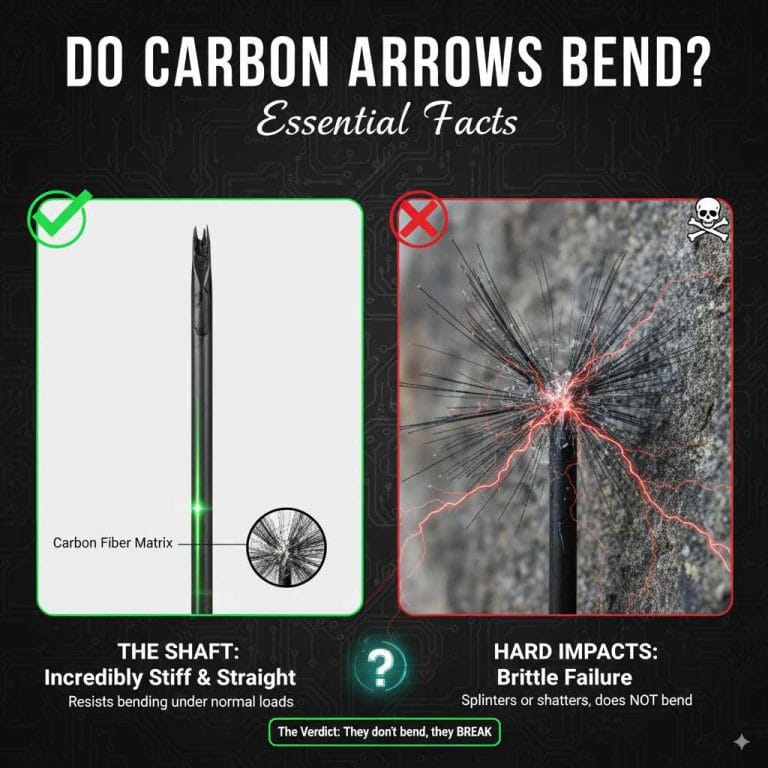
Before we grab the saw, it’s crucial to understand how arrow length interacts with arrow spine. Spine refers to the stiffness of an arrow shaft. When an arrow is shot from a bow, it “fishtails” or bends around the riser. The length of the arrow plays a critical role in how much it bends. A longer arrow is generally less stiff (weaker spine) than a shorter arrow of the same model, assuming all other factors are equal. This relationship is why buying the correct spine is important, but also why cutting an arrow correctly is vital. If you cut an arrow too short, it becomes stiffer, and if it’s already on the stiffer side for your bow, it can lead to erratic arrow flight and potentially damage your bow or yourself.
The recommended way to determine your arrow length is by measuring from the nock groove to the point where the string rests on your bow finger or release aid, and then adding a little extra. A safe bet for most archers firing from a rest is about 1 to 1.5 inches longer than the string contact point to the back of the arrow’s shaft. For specific setups and precise measurements, consulting your bow manufacturer’s recommendations or an experienced archery pro is always a good idea. For example, many compound bow manufacturers provide charts and guidelines on their websites. For instance, Bowhunting.com offers a detailed guide on correctly measuring arrow length, which is a great resource to reference.
Essential Tools and Materials
Gathering the right tools before you start makes the process smooth and safe. You don’t need a fancy workshop; just a few key items will do the trick:
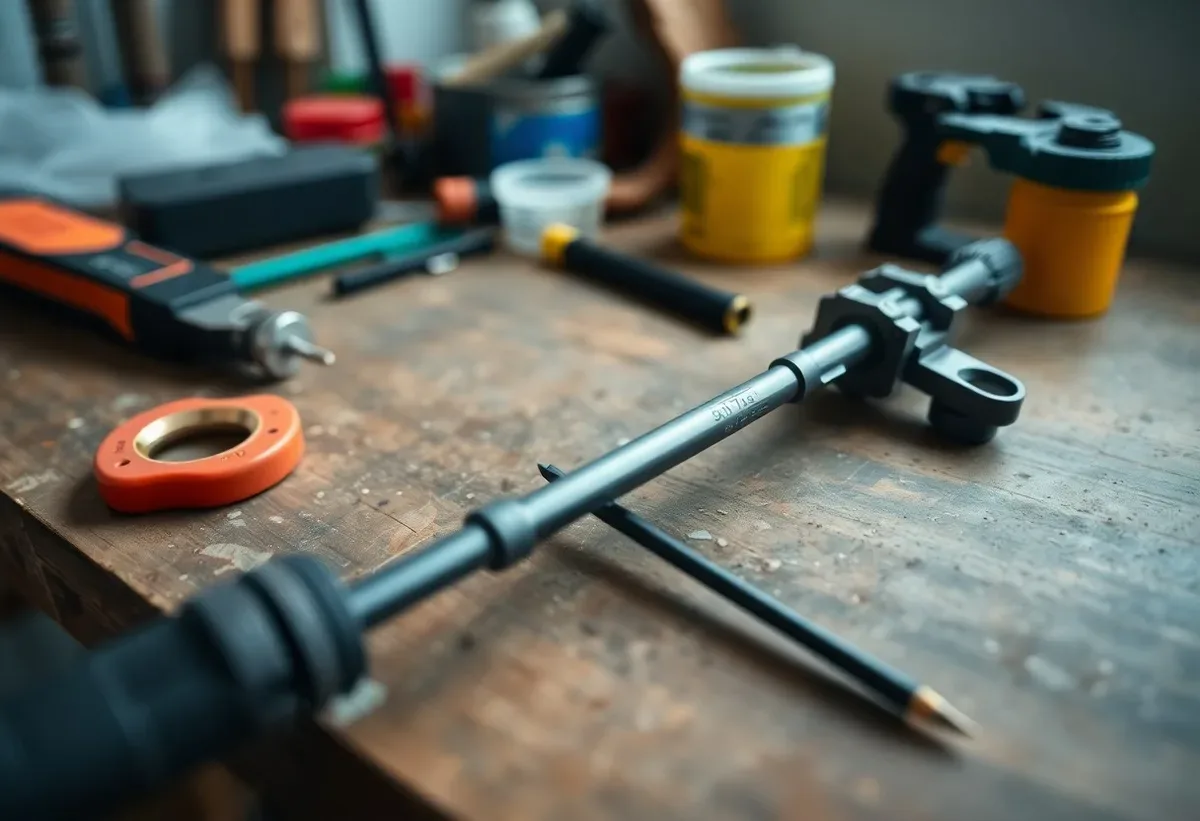
- Carbon Arrow Saw or Fletching Jig with Cutting Tool: A specialized carbon arrow saw provides the cleanest, most precise cut. These have a fine-grit blade designed for carbon and a guide to ensure straight cuts. Alternatively, many quality fletching jigs have an integrated arrow cutter that can also do an excellent job.
- Measuring Tape or Caliper: A reliable measuring tool is essential for accuracy. A long carpenter’s tape measure or a metal ruler will work, but a digital caliper can offer even greater precision.
- Marker: To mark your precise cut line on the arrow shaft. A fine-tip permanent marker is best.
- Vice or Arrow-Clamping Device: To hold the arrow securely and steady while you mark and cut. Some fletching jigs have this feature built-in.
- Sandpaper or Deburring Tool: To smooth the cut end of the arrow and remove any rough edges or carbon dust. A fine-grit sandpaper (around 320 grit or higher) is ideal. A deburring tool specifically for arrows is also very useful.
- Scale (Optional but Recommended): A small digital scale can help you weigh your arrows. Ensuring all your arrows weigh the same after cutting contributes to consistent arrow flight.
- Safety Glasses: Absolutely crucial! Cutting carbon produces fine dust that you must not inhale or get into your eyes.
- Dust Mask or Respirator: To protect your lungs from carbon dust.
- Work Surface: A stable, well-lit surface to work on.
Step-by-Step Guide to Cutting Your Carbon Arrows
Let’s get cutting! Follow these steps carefully for a safe and successful arrow-lengthening process.
Step 1: Measure Your Desired Arrow Length
This is the most critical step for performance. As discussed, your arrow length should be determined by your draw length and bow setup. A common method for compound bows is to draw the bow and mark the string where it touches your release aid or finger. Then, measure from that point to the back of the arrow’s grip area or the plunger button, often around 1.75 inches behind the arrow rest. Add about 1 to 1.5 inches to this measurement. For recurve bows, the measurement is usually from the nock point on the string to the center of the arrow rest, plus about 1 inch.
- Use your measuring tape or caliper, ensuring it’s held straight against the shaft.
- Double-check your measurement. It’s better to be slightly long than too short, as you can always cut more off, but you can’t add length back.
Step 2: Mark the Cut Line
Once you have your exact desired length, it’s time to mark the arrow. We want to ensure a perfectly perpendicular cut, so using a specialized jig or a method to create a straight, even line is important.
- Place the arrow in your vice or clamping device.
- Align your measuring tool along the arrow shaft, with the zero mark at the back of the arrow (nock end).
- Measure to your determined cut length and make a clear, thin mark with your marker.
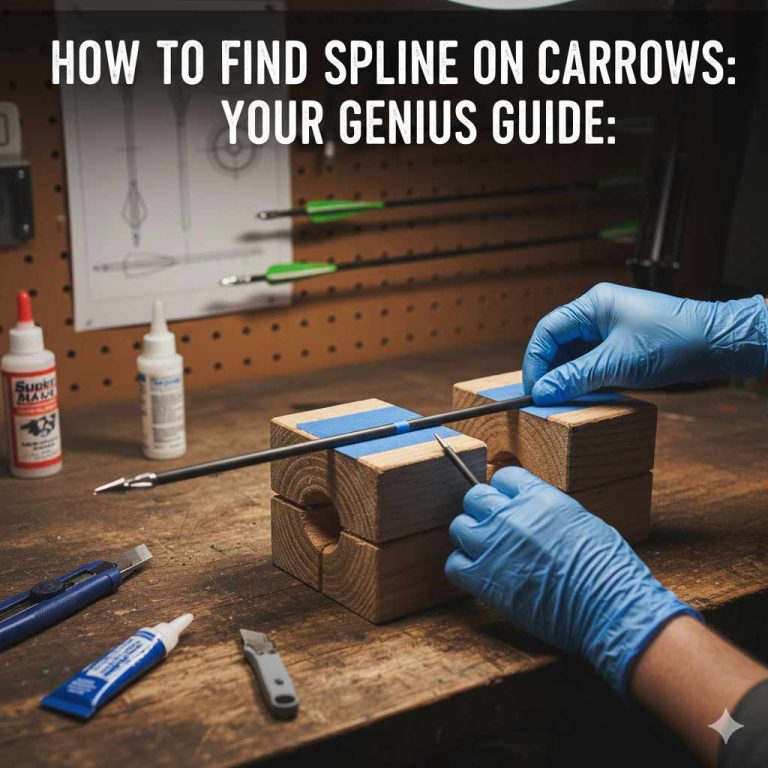
- To ensure the line is perfectly straight around the shaft, you can use a piece of paper or tape. Wrap a piece of paper around the arrow at your mark. Make sure the edge of the paper is perfectly aligned with your mark. Draw along the edge of the paper. Once you unwrap it, you’ll have a perfectly straight line around the arrow.
Step 3: Prepare for Cutting – Safety First!
Before you make the cut, put on your safety glasses and your dust mask or respirator. Safety is paramount when working with carbon arrows. The fine dust created by cutting carbon fiber can be harmful if inhaled or if it gets into your eyes. Ensure your work area is well-ventilated.
Step 4: Cut the Arrow Shaft
Now for the cutting. Stability is key here for a clean, straight cut. Whether you’re using a dedicated arrow saw or a precise jig:
- Securely clamp the arrow in your cutting jig or saw’s clamp, ensuring the blade aligns precisely with your marked line.
- If using a handsaw with a jig, make slow, steady, and deliberate strokes. Let the saw do the work; don’t force it.
- If using a power saw, apply gentle pressure and allow the blade to cut through. Keep your fingers well away from the blade.
- Cut only one arrow at a time.
Step 5: Deburr and Smooth the Cut End
After cutting, the end of the arrow shaft will likely have some rough edges or a slight burr. This needs to be smoothed out for proper nock and point insertion, and for safe handling.
- Use fine-grit sandpaper (320 grit or higher) or a specialized arrow deburring tool.
- Gently sand the cut end in a circular motion. If using a deburring tool, follow its instructions to create a clean chamfer.
- The goal is to make the end perfectly smooth and slightly beveled so that it’s easy to insert components and safe to touch.
- Wipe away all carbon dust with a clean cloth.
Step 6: Insert the Components (Nock and Point)
Now that your arrow shaft is the correct length and smoothed, it’s time to put it all together. You’ll need to insert an insert for your field points or broadheads and then a nock.
Inserting the Point Insert:
- Use an insert glue, usually a specific hot-melt glue or epoxy designed for arrow inserts.
- Heat the insert gently (follow glue manufacturer’s instructions, often a hot glue gun is used or a low-heat heat gun).
- Apply the glue to the insert.
- Carefully insert the glue-coated insert into the freshly cut end of the arrow shaft.
- Ensure it’s fully seated and perfectly straight. Some systems use a crimping tool to ensure the insert is flush.
- Allow the glue to cure completely according to the manufacturer’s instructions.
Attaching the Nock:
- Follow your nock manufacturer’s instructions. Most modern nocks are either glued in or pressed in.
- If gluing: Apply nock glue (often the same as insert glue or a specialized nock glue) to the inside of the nock receiver on the arrow shaft.
- Press the nock firmly and straight into the shaft. Ensure it’s oriented correctly if it has a specific index.
- Some nocks are “press-fit” and don’t require glue, but for maximum durability, gluing is often recommended.
Step 7: Final Check and Weighing
Once everything is dry and set, give your arrow a final inspection. Check that the insert and nock are secure and straight. If you have a scale, weigh your newly cut arrow. Compare its weight to your other arrows. If there’s a significant difference, it might indicate an issue with your cutting or component installation. Ideally, all your arrows should be within a few grains of each other. Consistency is key for predictable shooting.
Table: Arrow Length Measurement Methods
Here’s a quick reference for common arrow length measurement techniques. Remember, these are general guidelines; always refer to your bow manufacturer for specifics.
| Bow Type | Measurement Point A | Measurement Point B | Additional Length | Notes |
|---|---|---|---|---|
| Compound Bow (Arrow Rest) | String contact point on release aid/finger | Back of the arrow shaft where it touches the rest at full draw | 1.0 – 1.5 inches | Measure at full draw. Ensure arrow is seated correctly on rest. |
| Compound Bow (Blade/Plunger Rest) | String contact point on release aid/finger | Center of the arrow shaft (or where it passes through the plunger hole) | 1.0 – 2.0 inches | Often slightly longer to account for plunger buffer. |
| Recurve Bow (Arrow Rest) | Nock point on the string | Center of the arrow rest (or cushion plunger) | Approx. 1.0 inch | Arrow should extend approx. 1 inch past the rest. |
Tips for Success and Common Pitfalls
As you get more comfortable, here are some tips to help you achieve the best results and avoid common mistakes:
- Cut One Arrow First: Before cutting your whole batch, cut one arrow and test it. Make sure it shoots well and that you’re happy with the length and how it feels.
- Use a High-Quality Saw: A good saw with a fine-grit blade designed for carbon fiber will give you a cleaner cut, less fraying, and less dust. Blades can dull, so replace them when needed.
- Don’t Rush: Patience is your best friend here. Slow, controlled movements will result in much better cuts.
- Check Nocks and Inserts: Ensure inserts are pressed in straight and flush. If they aren’t, they can cause vane clearance issues or affect arrow flight. Similarly, make sure your nocks are seated perfectly straight.
- Arrow Spine is Crucial: Always ensure the arrow spine is appropriate for your bow’s draw weight and your draw length. Cutting an arrow makes it stiffer. If you cut an arrow too much, it can become dangerously stiff. Consult a spine chart or your local pro shop if you are unsure. You can find great resources on spine charts from major manufacturers like Easton Archery.
- Cleanliness: Keep your work area clean. Carbon dust can get everywhere and compromise glue adhesion.
- Consistent Fletching: After cutting, you’ll need to re-fletch your arrows if you remove vanes or fletchings. Ensure your fletching jig holds the shaft securely and that your vanes are applied straight.
Dealing with Carbon Dust Safely
I cannot stress this enough: carbon dust is not something to take lightly. It’s a fine particulate that can cause respiratory irritation and other health issues if inhaled. Here’s how to manage it:
- Ventilation: Always work in a well-ventilated area. An open garage or outdoor space is ideal.
- Respiratory Protection: Wear a properly fitting dust mask or, ideally, a respirator rated for fine particulates.
- Eye Protection: Safety glasses are non-negotiable. Carbon fragments can cause eye injury.
- Clean Up Immediately: After cutting, wipe down your tools and work area with a damp cloth to capture any settled dust. Do not dry sweep, as this will just kick the dust back into the air.
- Dispose of Waste Carefully: Seal any carbon dust and scraps in a bag before disposing of them.
When to Seek Professional Help
While cutting your own arrows is a valuable skill, there are times when it’s best to let a professional handle it:
- Uncertainty About Spine: If you’re unsure about the correct arrow spine for your bow and draw length, a pro shop can help you select shafts and cut them to the optimal length.
- Expensive Arrows: If you’re working with very expensive or custom-made arrows, you might want the peace of mind that comes with professional service.
- Lack of Proper Tools: If you don’t have access to a reliable arrow saw or fletching jig, it’s worth paying a pro shop to do the cutting for you.
- Damaged Shafts: If an arrow shaft is already damaged, it might be difficult to get a clean, straight cut.
Most pro archery shops offer arrow cutting and fletching services for a small fee. It’s a great way to ensure your arrows are perfect, especially when you’re just starting out.
Frequently Asked Questions (FAQ)
Q1: Can I cut my carbon arrows with a regular saw?
A: It is generally not recommended to use a standard saw. They can splinter the carbon, create excessive dust, and result in a rough, imprecise cut. Specialized carbon arrow saws or high-quality fletching jigs with built-in cutters are designed for a clean, straight cut.
Q2: How do I know what the correct length for my arrows should be?
A: The correct length depends on your bow and your draw length. A common method is to measure from your release aid point on the string to your arrow rest at full draw and add 1 to 1.5 inches.