How Good Are Carbon Arrows: Essential Guide
Carbon arrows are excellent for archery! They are known for being lightweight, durable, and very accurate, making them a top choice for beginners and experienced archers alike. They fly fast and straight, which helps with hitting your target consistently.
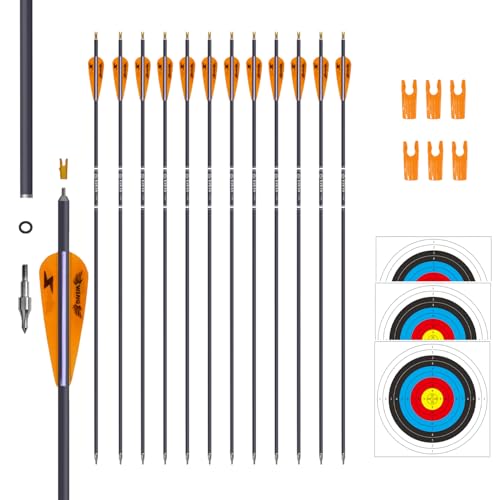
e5e10
e5e10 31inch Carbon Arrow Archery Targeting Practice…
- Archery arrows:Length:31", Outer diameter: 0.31 inch/7.8 mm. Fletched with 2 Orange and 1 white vanes. For draw weight 20-60 pound…
- Hunting arrows are solid & well made. Precision carbon targeting arrows made for extended durability and long lasting target pract…
- Colored plastic fletching make flight always pointed the right way. The tips are nickel plated stainless steel which is perfect fo…
As an Amazon Associate I earn from qualifying purchases.
Welcome, fellow arrowsmiths! Are you curious about which arrows are best for your archery journey? You’ve probably heard a lot of buzz about carbon arrows and are wondering, “How good are carbon arrows, really?” It’s totally understandable! With so many options out there, choosing the right arrow can feel like trying to hit a bullseye with your eyes closed.
Many beginners find themselves a bit overwhelmed by archery jargon and equipment choices. But don’t worry! My goal is to make archery clear, fun, and accessible for everyone. Carbon arrows are a fantastic choice, especially when you’re just starting out. They offer a great balance of performance and ease of use.
In this guide, we’ll break down exactly why carbon arrows are so popular and how they can help you improve your shooting. We’ll explore their strengths, understand a few things to keep in mind, and help you decide if they’re the perfect match for your bow and your archery goals. Let’s get started on making your archery experience smoother and more enjoyable!
Why Carbon Arrows Are a Great Choice for Archery
So, you’re asking, “How good are carbon arrows?” The short answer is: very good!
Carbon arrows have become the standard for many archers, from weekend hobbyists to serious competitors, and for good reason. They represent a leap forward in arrow technology compared to older materials like wood or even early aluminum arrows. They offer a fantastic combination of features that translate directly to better shooting accuracy and a more reliable experience downrange.
Let’s dive into what makes them stand out and why they are such a popular recommendation for new archers.
The Top Benefits of Using Carbon Arrows
When we look at “how good are carbon arrows,” their advantages really shine through. These benefits make a noticeable difference in your shooting performance and overall enjoyment.
- Lightweight: Carbon arrows are significantly lighter than traditional wood or even most aluminum arrows. This lightness means they travel faster from your bow. A faster arrow means less time for wind to affect its flight, leading to more consistent accuracy, especially at longer distances.
- Durability: This is a huge plus! Carbon arrows are incredibly strong and resist bending or breaking much better than other materials. This means they can often withstand impacts that would damage or destroy a lesser arrow, saving you money and frustration in the long run.
- Straightness and Consistency: Carbon arrows are manufactured to extremely tight tolerances. This means each arrow is incredibly straight, and they are very consistent from one to the next. This uniformity is crucial for accurate shooting, as every arrow should ideally perform identically.
- Better Fletching Adhesion: The surface of carbon arrows generally provides a better base for fletching glue to adhere to, meaning your vanes or feathers are less likely to come loose after a few shots.
- Penetration: Due to their strength and often slimmer profile, carbon arrows can offer excellent penetration on game if you are involved in bowhunting.
- Variety: There’s a wide range of carbon arrows on the market, with varying spine stiffness (how much an arrow bends), weight, and features, so you can find one that’s perfectly tuned to your specific bow.
Understanding Arrow Spine: A Crucial Factor
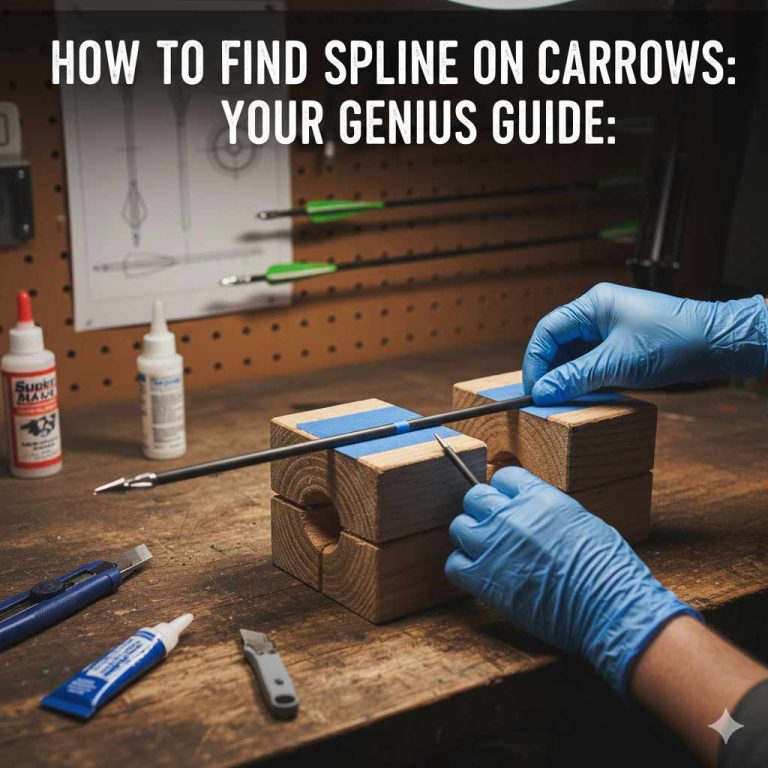
When talking about “how good are carbon arrows,” we can’t forget spine. Spine refers to the stiffness of an arrow. This is probably the most important factor in getting your arrows to fly straight.
An arrow needs to be the correct spine for your bow’s draw weight and your draw length. Too weak, and it’ll flutter like a wounded duck. Too stiff, and it might also fly erratically.
Your local archery pro shop can help you determine the correct spine. You can also find charts online from reputable archery organizations. For example, the Archery Trade Association (ATA) provides resources that can be helpful in understanding equipment choices:
Getting the spine right ensures that when the arrow leaves the bow, it corrects itself quickly and flies true towards your target. It’s a key part of why carbon arrows perform so well – when matched correctly, their inherent straightness combined with proper spine leads to pinpoint accuracy.

Carbon Arrows vs. Other Arrow Types
To truly answer “how good are carbon arrows,” it’s helpful to compare them with other common arrow materials you might encounter.
Archery has seen a progression of arrow materials, each with its own set of advantages and disadvantages. Understanding these differences will give you a clearer picture of why carbon has become so dominant.
Aluminum Arrows
Aluminum arrows were the standard for competitive archery and hunting for many years before carbon took over.
- Pros: Consistent, relatively inexpensive, decent durability.
- Cons: Can bend or dent upon impact (which ruins accuracy), heavier than carbon, generally less durable against significant impacts.
If you shoot a lighter-draw bow or are on a very tight budget, aluminum might be an option. However, for most modern archers, carbon offers superior performance and longevity.
Wood Arrows
These are the traditional arrows of archery, often used for historical reenactments, traditional archery, or by those looking for a classic experience.
- Pros: Authentic look and feel, biodegradable, can be very beautiful.
- Cons: Prone to warping, bending, and breaking, inconsistent in straightness and weight, require more maintenance, much lower durability.
Wood arrows are great for a specific, traditional feel but are not practical for most modern archery applications if accuracy and durability are primary concerns.
Carbon/Aluminum Composite Arrows
These arrows combine a carbon shaft with an aluminum insert. They were designed to offer some of the best qualities of both materials.
- Pros: Extremely straight, very durable shafts, good rigidity.
- Cons: More expensive than pure carbon or aluminum, can be heavier than pure carbon.
Composite arrows were a popular choice for many serious target archers and hunters before pure carbon became as refined as it is today. While still excellent, pure carbon often offers a better weight-to-strength ratio for many applications.
Here’s a quick comparison table:
| Arrow Material | Weight | Durability | Straightness/Consistency | Cost | Best For |
|---|---|---|---|---|---|
| Carbon | Light | Very High | Excellent | Medium to High | Most archery uses (hunting, target, recreation) |
| Aluminum | Medium | Medium | Good | Low to Medium | Beginners, light draw bows, budget-conscious |
| Wood | Heavy | Low | Poor to Fair | Low to Medium | Traditional archery, historical reenactment |
| Carbon/Aluminum Composite | Medium to Heavy | Very High | Excellent | High | Serious target shooting, professional hunting |
As you can see, carbon arrows hit a sweet spot for many archers, offering a superior blend of performance, durability, and consistency.
Key Features and Considerations When Buying Carbon Arrows
When you’re looking at carbon arrows and thinking, “how good are carbon arrows for my needs?”, consider these important factors:
Spine Stiffness
We touched on this, but it’s worth reiterating. The spine rating (e.g., 400, 500) indicates how much an arrow flexes under a specific load. You need to match this to your bow’s draw weight and your personal draw length. Shooting an arrow with the wrong spine is one of the fastest ways to shoot poorly, no matter how good the arrow material is.
Straightness Tolerance
Manufacturers rate their arrows for straightness. This is usually measured in thousandths of an inch of deviation per inch of arrow length (e.g., ±0.003 inches, ±0.001 inches). For beginners, ±0.003 is usually perfectly adequate and more forgiving on the wallet. For competitive target shooters, ±0.001 or even ±0.000 is preferred for absolute maximum consistency.
Weight (Grains Per Inch – GPI)
Arrows are weighed in grains. A lighter arrow will fly faster but have less momentum. A heavier arrow will fly slower but carry more momentum (useful for hunting). The GPI tells you the arrow’s weight for every inch of its length. Higher GPI means a heavier arrow.
Insert and Nock Type
The insert is the piece that screws into the front of the arrow shaft to hold your field point or broadhead. The nock is the piece at the back that attaches to your bowstring. Most carbon arrows come with standard inserts and nocks, but you can often upgrade them or choose arrows that suit your preferred setup (e.g., press-fit inserts versus glued-in).
Arrow Length
Arrow length is critical for safety and accuracy. Too short an arrow that is still in a forcefully drawn bow can be dangerous. Too long an arrow can be unwieldy. It needs to be measured correctly for your draw length and bow. A good rule of thumb is to have the arrow extend about 1-1.5 inches past the bow’s riser (the grip part), but a proper measurement is essential. Again, your local pro shop is the expert here.
Fletching
Fletching (the vanes or feathers on the back of the arrow) helps stabilize the arrow in flight. Vanes are typically made of plastic and are more durable and weather-resistant. Feathers are traditional and can be more forgiving for archery with a traditional recurve bow or a “shoot-from-the-shelf” setup, but they are more delicate.
How to Care for Your Carbon Arrows
Understanding “how good are carbon arrows” also means knowing how to keep them that way! Carbon arrows are durable, but a little care goes a long way in ensuring they perform their best.
- Inspect Before Every Shot: This is paramount for safety. Always check your arrows for any cracks, splits, or damage, especially near the nock and where the point screws in. If you see any signs of damage, retire the arrow. A damaged carbon arrow can shatter upon release, sending fragments flying.
- Avoid Banging and Scraping: While tough, repeated impacts against hard surfaces can weaken the carbon fibers over time. Try to stick your arrows into a soft target rather than a hard backstop or the ground.
- Keep Them Clean: A simple wipe-down with a damp cloth can remove dirt and debris. This helps fletching stay adhered and keeps the shaft looking good.
- Store Properly: Store your arrows in an arrow case or quiver. This protects them from weather, direct sunlight (which can degrade some adhesives), and physical damage.
- Remove Points Carefully: When changing field points for broadheads, or vice-versa, use a proper arrow lubricant on the threads if needed and avoid forcing them. A damaged insert can require difficult repairs.
Following these simple steps will help ensure your carbon arrows remain straight, strong, and accurate for a long time.
Common Beginner Mistakes with Carbon Arrows (and How to Avoid Them)
Even with excellent equipment like carbon arrows, beginners can sometimes make mistakes. Knowing about these pitfalls will help you get the most out of your arrows and your shooting.
When you’re just starting, the question “how good are carbon arrows” might be overshadowed by the practicalities of shooting. Here’s how to avoid common stumbles:
- Buying the Wrong Spine: As we’ve discussed, this is the #1 culprit for poor arrow flight. Always get expert advice or consult reliable charts for your specific bow and draw length.
- Not Inspecting Arrows for Damage: This is a major safety issue. Never shoot a damaged arrow. A small crack is all it takes for a catastrophic failure.
- Using Arrows That Are Too Short or Too Long: Arrow length is tied to safety and proper bow function. Make sure your arrows are the correct length for your draw.
- Improperly Installing Points: Either not screwing them in straight or trying to force them can damage the arrow insert over time.
- Not Practicing Consistent Form: Even the best arrows won’t compensate for wildly inconsistent shooting form. Focus on a repeatable shot sequence.
- Blaming the Arrows Too Soon: If you’re having trouble, the first instinct might be to blame the arrows. While arrows can be a factor, often accuracy issues stem from form, anchor points, or sight settings.
By being mindful of these common mistakes, you’ll build a stronger foundation for good shooting habits right from the start.
Are Carbon Arrows Good for Hunting?
Absolutely, yes! Carbon arrows are a dominant choice for bowhunters for several key reasons, directly addressing the “how good are carbon arrows” question in a practical, real-world scenario.
- Durability: Hunting often means rough terrain, accidental drops, or impacts against branches. The extreme durability of carbon arrows means they are less likely to break when you need them most.
- Speed: Lighter carbon arrows can achieve higher speeds, leading to a flatter arrow trajectory and less need for archers to account for drop at longer distances.
- Penetration: Their strength and often slimmer profile allow for excellent penetration through hide and bone, which is critical for a quick and ethical kill.
- Consistency: Consistent arrow flight is vital for placing a shot precisely. The straightness and uniformity of carbon arrows contribute to reliable performance.
- Weight Options: You can find carbon arrows with heavier inserts or shafts that increase the overall arrow weight for maximum kinetic energy and momentum, which is advantageous for larger game.
For bowhunting, many hunters prefer a slightly heavier carbon arrow to maximize kinetic energy and penetration. The carbon construction ensures it can stand up to the rigors of the hunt. For more information on ethical hunting practices, you can consult resources from organizations like the U.S. Fish and Wildlife Service (while this link is broad, their site often directs to hunting-specific regulations and safety).
Are Carbon Arrows Good for Target Archery?
Yes, carbon arrows are excellent for target archery, and they are a staple in the world of competitive archery for both recurve and compound bows.
- Straightness and Consistency: In target archery, millimeters make a difference. The tight manufacturing tolerances of carbon arrows ensure that each arrow flies identically, allowing archers to group shots tightly.
- Weight and Tuning: Archers can fine-tune their setup by selecting carbon arrows with specific spine ratings and weights to perfectly match their bow’s tune and their shooting style.
- Durability: While impacts are less common in controlled target ranges than in hunting, carbon arrows still offer superior resistance to bending or damage from missed shots that hit the target frame or other arrows.
- Variety of Options: The market offers specialized target arrows. Some are designed to be extremely thin (to reduce wind drift or pass-through impacts on grouped arrows), while others are optimized for specific draw weights and speeds.
For target archery, you will often see archers using +/- 0.001 or even +/- 0.000 straightness tolerance arrows, which are the most precise and therefore most expensive, but they contribute to the highest levels of accuracy.

Frequently Asked Questions About Carbon Arrows
Here are some common questions beginners have about carbon arrows:
1. How long do carbon arrows typically last?
With proper care and inspection, a carbon arrow can last for hundreds, if not thousands, of shots. The main reason an arrow is retired is damage, such as cracks or splits. Regular inspection is key to knowing when an arrow is no longer safe to shoot.
2. Can I mix carbon arrows of different brands or models?
For casual shooting, mixing arrows of the same spine and weight is generally okay. However, for serious target archery or hunting, it’s highly recommended to shoot a matched set of identical arrows. Slight variations in weight, straightness, or fletching can affect your accuracy.
Related pick: Check today's price on Amazon