How Does the Wicked Ridge Invader Shoot Carbon Arrows
The Wicked Ridge Invader shoots with impressive speed and accuracy when paired with essential carbon arrows. Proper arrow spine, length, and weight are crucial for optimal performance, ensuring consistent flight and reliable impact. This guide will help you understand the key elements for a successful shot.
Mastering Your Wicked Ridge Invader: The Essential Carbon Arrow Guide
Have you ever felt a bit unsure when choosing an arrow for your Wicked Ridge Invader crossbow? Many beginner archers do! It’s common to wonder if you’re using the right arrow to get the best accuracy and power from your bow. Don’t worry! Picking the perfect carbon arrow might seem tough, but it’s actually quite straightforward once you know what to look for. We’re here to break it down step-by-step, so you can move from guessing to confident shooting.
This guide will take all the guesswork out of selecting and understanding the carbon arrows your Wicked Ridge Invader needs. We’ll cover the vital specs, why they matter, and how to match them to your crossbow. Get ready to boost your confidence and enjoy more accurate shots!
Understanding Your Wicked Ridge Invader and Its Arrow Needs
The Wicked Ridge Invader is known for being a reliable and user-friendly crossbow, making it a popular choice for hunters and target shooters alike. To truly unlock its potential, the arrow you use is just as important as the bow itself. Think of it like this: a high-performance car needs the right fuel and tires to perform at its best. Your crossbow is no different. It needs the correct arrows to fly straight, hit hard, and perform consistently.
When we talk about “how does Wicked Ridge Invader shoot with Carbon Arrow,” we’re really asking about the synergy between the crossbow’s power and the arrow’s characteristics. Carbon arrows have become the standard for modern crossbows due to their strength, light weight, and straightness. They can withstand the incredible forces generated by a crossbow and retain their shape for accurate flight.
Why Carbon Arrows Are King for Your Invader
Carbon arrows offer several advantages that make them the go-to choice for crossbows like the Wicked Ridge Invader:
- Durability: Carbon fibers are incredibly strong, making these arrows resistant to fractures and bending, even after hard impacts. This means they can handle the high draw weights of modern crossbows.
- Weight: They are significantly lighter than aluminum or wood arrows. This lightness contributes to higher arrow speeds, which translates to a flatter trajectory and less arrow drop at longer distances.
- Straightness: Carbon arrows are manufactured to very tight straightness tolerances. This is critical for accuracy, as any bend in an arrow will cause it to fly erratically.
- Consistency: Due to their consistent manufacturing, carbon arrows offer reliable performance shot after shot.
The Essential Carbon Arrow Specs for Your Invader
To ensure your Wicked Ridge Invader shoots accurately and powerfully, you need to pay close attention to a few key arrow specifications. These aren’t just numbers; they’re the blueprint for how your arrow will interact with your crossbow and the air it cuts through on its way to the target. Let’s dive into what matters most.
1. Arrow Spine (Stiffness)
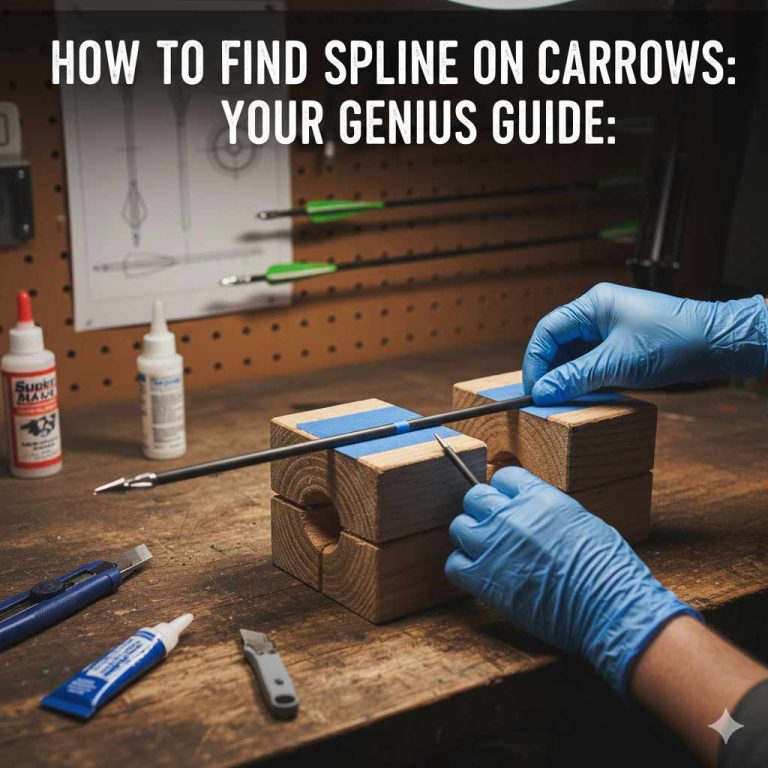
This is arguably the most critical factor when matching an arrow to a crossbow. Arrow spine refers to the stiffness of the arrow shaft. An arrow that is too stiff or too weak for the crossbow’s draw weight and speed will not fly straight. This is often referred to as “porpoising” or erratic flight.
Why it’s crucial for the Invader: The Wicked Ridge Invader has a specific draw weight and speed. An arrow with the correct spine will flex just enough during the shot to stabilize itself quickly, flying true towards the target. Too weak, and it flips. Too stiff, and it might not flex correctly, leading to less than ideal flight.
What to look for: Manufacturers usually recommend a specific spine rating for their crossbows. For the Wicked Ridge Invader, you’ll typically be looking for arrows in the range of 300 to 400 spine, but always, always check the manufacturer’s recommendations for your specific Invader model. They often test and recommend specific arrow models and spine ratings. For example, you might find their manual recommending something like: “For optimal performance, we recommend using 20-inch carbon arrows with a spine of 350.”
You can often find spine charts online that correlate draw weight, arrow length, and weight to recommended spine stiffness. However, the crossbow manufacturer’s recommendation is the primary source.
External Resource: For a deeper understanding of arrow spine and its importance in archery, you can consult resources like Archery Trade Association (ATA), which often provides educational materials on equipment. While they may not have specifics on the Invader, the principles of spine are universal.
2. Arrow Length
The length of your arrow is measured from the nock throat (the groove where the string sits) to the end of the shaft, where the broadhead or field point screws in. Proper arrow length is essential for both safety and accuracy.
Why it’s crucial for the Invader: An arrow that is too short can potentially release from the string before the crossbow’s rail grip is fully released, leading to a dangerous “dry fire” or damage to the crossbow. An arrow that is too long might not reach its full potential velocity or could interfere with the crossbow’s components. For most modern crossbows, including the Invader, arrows are typically in the 20-inch range.
What to look for: The Wicked Ridge Invader, like many crossbows, is designed to work with specific arrow lengths. Always check your crossbow’s manual. It will specify the recommended arrow length. Common lengths are 20 inches, 22 inches, or 24 inches. For the Invader, 20-inch arrows are very common. It’s also tied to the crossbow’s rail and firing mechanism, ensuring safe clearance.
How to Measure (Roughly): While you should rely on manufacturer specs, a general idea involves inserting a smaller diameter arrow fully into the crossbow, marking it where it exits the rail, and then adding a couple of inches for the nock and point. However, this is just for understanding, never rely on this without checking your manual.
3. Arrow Weight (Grain Weight)
Arrow weight is measured in grains per inch (GPI) for the shaft, and then the total weight includes the inserts, nocks, vanes, and the point (broadhead or field point). A heavier arrow will fly slower but may penetrate deeper and be less affected by wind. A lighter arrow will fly faster but can lose energy more quickly downrange and be more susceptible to wind drift.
Why it’s crucial for the Invader: The Wicked Ridge Invader is designed to launch arrows within a certain weight range for optimal performance and safety. Shooting an arrow that is too light can exceed the manufacturer’s minimum weight requirements, potentially damaging the crossbow or leading to unsafe shooting conditions. Conversely, an excessively heavy arrow will significantly reduce speed.
What to look for: Crossbow manufacturers specify a minimum arrow weight. For the Wicked Ridge Invader, you’ll typically find this minimum to be around 350-400 grains total weight, including the point. Check your manual! The specific weight will impact the arrow’s speed (Feet Per Second – FPS) and kinetic energy (foot-pounds of energy – ft-lbs) delivered at the target.
Example: If the manufacturer specifies a minimum of 400 grains, using a 375-grain arrow could be problematic. You’ll want to ensure your arrow assembly (shaft + insert + nock + field point/broadhead) meets or exceeds this minimum.
4. Insert and Point Weight
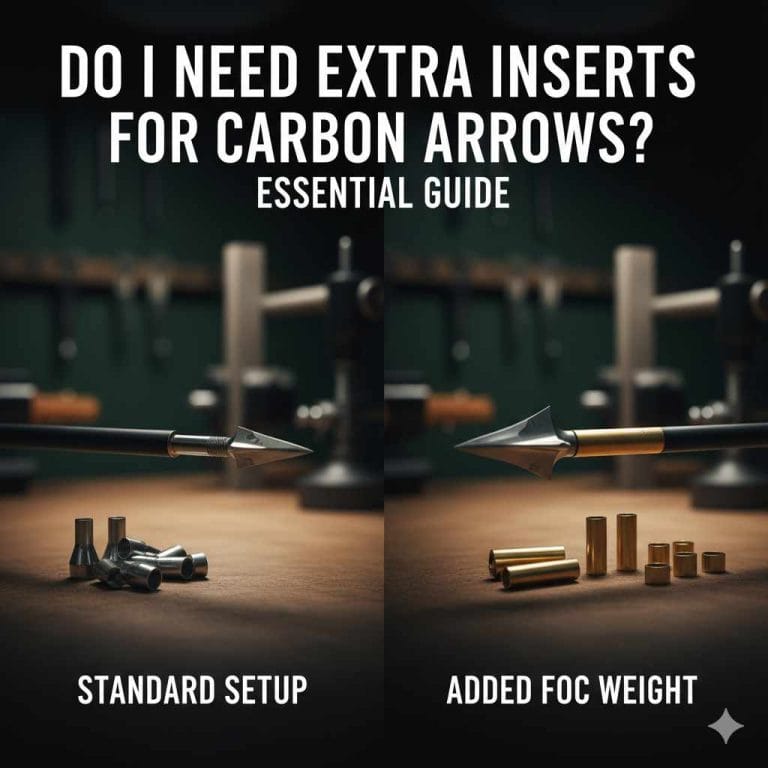
The insert is the small component at the front of the arrow shaft that the point (field point or broadhead) screws into. The weight of the insert and the point contributes to the overall arrow weight and also helps to “front-load” the arrow, which can improve flight stability.
Why it’s crucial for the Invader: As mentioned, total arrow weight is critical. By choosing field points or broadheads of a certain weight (e.g., 100 grains or 125 grains), and combining them with appropriate inserts, you can reliably reach the minimum weight requirement. These weights also play a role in the arrow’s balance point.
What to look for: Standard field points are often 100 or 125 grains. Broadheads can vary. When building your arrow, factor in the weight of the insert and your chosen point to meet the minimum weight requirements for your Invader. Some crossbow arrows come pre-fletched with inserts and nocks, and you just screw on the point.
5. Fletching (Vanes)
Fletching refers to the “feathers” or plastic fins attached to the rear of the arrow shaft. On modern crossbow arrows, these are typically vanes. They are essential for stabilizing the arrow in flight.
Why it’s crucial for the Invader: The high speeds of crossbows require aerodynamic stabilization. Vanes work like the fins on a rocket, helping the arrow maintain a straight trajectory after leaving the string. The type, size, and angle of the vanes can influence how the arrow flies, especially at high speeds.
What to look for: Crossbow arrows usually come with vanes that are designed for their intended purpose. You’ll often see low-profile vanes (shorter height) on crossbow arrows. This is to prevent them from interfering with the crossbow’s rail or cables, especially in crossbows with reverse cam technology or extremely narrow designs. Some specialized crossbows may require specific vanes or even a specialized cocking system adapter. Wicked Ridge typically uses vanes compatible with their designs.
Recommended Arrow Types and Brands for the Wicked Ridge Invader
While you should always prioritize manufacturer recommendations, there are certain types of carbon arrows that are consistently well-suited for crossbows like the Wicked Ridge Invader. Sticking to reputable brands ensures quality and consistency.
Quality Brands to Consider
When purchasing arrows for your Invader, look for arrows from well-known and respected archery brands. These companies invest heavily in quality control and research:
- Easton: A leader in arrow technology, Easton offers a wide range of high-quality carbon shafts. Their .001 straightness tolerance arrows are excellent for accuracy.
- Gold Tip: Known for their durability and consistency, Gold Tip arrows are a favorite among many hunters and target shooters.
- Beman: Another reputable brand offering reliable carbon arrows.
- Victory Archery: These are often engineered for speed and accuracy, sometimes featuring innovative designs.
- TenPoint/Wicked Ridge Branded Arrows: Wicked Ridge often recommends or sells branded arrows that are specifically designed to work perfectly with their crossbows. These are often your safest bet for guaranteed compatibility and performance.
Types of Arrows: Bolts vs. Arrows
It’s important to note that what we typically call “arrows” for modern crossbows are technically often referred to as bolts. They are much shorter and thicker than traditional archery arrows. The term “bolt” is commonly used in crossbow hunting and target shooting.
Key Characteristics of Crossbow Bolts:
- Shorter than traditional arrows.
- Thicker diameter shafts.
- Often have larger diameter nocks designed for crossbow strings.
- Typically come pre-fletched with vanes.
Arrow Kits and Packages
For beginners, purchasing a crossbow arrow kit is often the easiest way to go. These kits typically include:
- Pre-fletched carbon bolts (usually 3 or 6)
- Matching inserts and nocks
- A selection of field points (often 100 grains)
Ensure the kit specifies it is for crossbows and matches the recommended length and spine for your Wicked Ridge Invader. For example, a “Wicked Ridge Invader HP 20-inch Crossbow Arrow Kit” would be an ideal starting point.
Pre-Shot Checklist: Important Considerations for Consistent Accuracy
Before every shot, a quick mental and physical check can make a world of difference in your accuracy and safety. Think of this as part of your shooting ritual.
1. Inspect Your Arrows
This is non-negotiable. Even the best carbon arrow can be compromised by damage.
- Shaft Integrity: Check for any cracks, splits, or deep scratches. Run your fingers gently along the shaft. A damaged shaft can break apart upon firing, which is dangerous.
- Nock Condition: Ensure the nock is not cracked or deformed. A damaged nock can lead to a misfire or poor arrow release.
- Vanes: Make sure vanes are securely attached and not bent or torn. Damaged vanes affect flight stability.
- Inserts and Points: Check that the insert is seated correctly and that your field point or broadhead is screwed in tightly. Loose points can cause arrows to fly erratically.
2. Arrow Seating and Alignment
Ensuring the arrow is correctly seated on the string and aligned with the rail is paramount.
- Nock to String: The nock should snap firmly onto the crossbow string. There should be no play.
- Arrow on Rail: The arrow shaft should rest securely on the crossbow’s rail, aligned with the front of the scope or sights.
- Anti-Dry Fire Mechanism: Modern crossbows like the Invader have anti-dry-fire mechanisms. Ensure your arrow is properly seated so this mechanism can engage correctly.
3. Safety First: Cocking and Handling
Always follow safe cocking and decocking procedures for your Invader.
- Cocking Device: Use the recommended cocking device (rope cocker or crank cocker). Improper cocking can lead to inconsistent draw or accidents.
- Clearance: Ensure the area around the crossbow is clear of obstructions – people, pets, and debris.
- Handling: Always keep your fingers and hands away from the string, cables, and the path of the arrow.
Troubleshooting Common Shooting Issues
Even with the right gear, you might encounter minor issues. Here’s how to address common problems experienced by beginners.
1. Arrows Flying Inconsistently
Possible Causes:
- Incorrect Arrow Spine: The arrow is too stiff or too weak for the bow.
- Arrow Damage: Cracked shaft, damaged nock, or bent vanes.
- Improperly Seated Arrow: The arrow isn’t correctly attached to the string or sitting on the rail.
- Inconsistent Release: Problems with how the trigger is pulled or how the crossbow is held.
- Broadhead Tuning Issues: Broadheads can sometimes fly differently than field points.
Solutions:
- Double-check that you are using the recommended arrow spine and length for your Invader.
- Visually inspect all arrows before every shot.
- Practice consistent arrow seating.
- Focus on a smooth trigger pull and a stable shooting stance.
- Ensure your broadheads are matched to your field points for similar flight characteristics (broadhead tuning).
2. Low Kinetic Energy or Poor Penetration
Possible Causes:
- Arrow is Too Light: Not meeting the minimum weight requirement, or using very light components.
- Reduced Arrow Speed: Caused by an arrow that’s too stiff or too long.
- Incorrect Arrow Flight: If the arrow isn’t flying straight, it won’t hit with full force.
Solutions:
- Verify you are using arrows that meet or exceed the minimum recommended weight for your Invader.
- Ensure your arrow spine and length are within the manufacturer’s specifications.
- Address any flight issues by checking arrow spine and overall condition.

Frequently Asked Questions About Wicked Ridge Invader and Carbon Arrows
Here are some common questions beginners have when shooting their Wicked Ridge Invader with carbon arrows:
Q1: What is the best type of arrow for the Wicked Ridge Invader?
A1: The best arrows are specifically designed for crossbows, typically 20-inch carbon bolts, matching the Invader’s recommended spine and weight specifications. Always refer to your Wicked Ridge manual for exact recommendations. Branded Wicked Ridge arrows are often an excellent choice.
Q2: Can I use regular archery arrows with my Wicked Ridge Invader?
A2: No. Crossbow “bolts” are shorter, thicker, and designed differently than arrows for traditional bows. Using the wrong type of arrow can damage your crossbow and be very dangerous.